
×

Zimbabwe🇿🇼 | townsKaroitobacco auctions, roadside motels, farming supply stores | things to do and best time to go

Explore ChivhuExplore Chirundu

Backpacking in Karoi
🌟 Highlighttown ranked #4
By Johan Kruseman 🇳🇱 | Updated September 3, 2026

Karoi isn’t the dusty, one-road pit stop you might expect from a quick online search—it’s actually one of Zimbabwe’s greenest small towns, thanks to the endless tobacco fields that perfume the air with a sweet, earthy tang after rain. Tucked along the main Harare-Chirundu highway in the country’s northwest, Karoi is more crossroads than destination, but that’s its secret: it’s the last real supply town before you plunge into the wilds of Lake Kariba or Mana Pools. There’s no old quarter or nightlife to speak of—just a handful of basic guesthouses, a lively market where you can grab fresh tomatoes and fried kapenta, and a slow, social rhythm that makes it easy to swap stories with locals over a Coke. Buses rumble through regularly, but you’ll need patience and a sense of humor for onward travel. Compared to Kariba’s lakeside bustle or Chinhoyi’s busier vibe, Karoi is quieter, more utilitarian, and refreshingly untouristed—cheap, safe by Zimbabwean standards, and honest about what it is: a practical, green pause before the real adventure begins.

Discover everything you want to know in the 📖 Zimbabwe Travel Guide.


Get your Zimbabwe guide
72 ranked highlights, routes & tips, works offline (281 pages)
Loading the map 🌍
CLICK TO FILTER
cities
towns
landmarks
national parks
hikes
beaches
attractions
festivals
regions
SHOW COUNTRY’S BESTSHOW ALL

✨ Why go?
Ranked #4 town in Zimbabwe
What makes this town worth visiting

Karoi serves as a strategic waypoint for backpackers exploring Zimbabwe. Its proximity to hikes in the nearby Zambezi Valley makes it a convenient base for those seeking adventure. The walkable streets invite exploration, with local markets offering a taste of authentic Zimbabwean cuisine—think grilled meats and fresh produce. Small-scale hostels and guesthouses create a cozy atmosphere, perfect for solo travelers or small groups looking to connect. While many pass through, some linger to soak in the friendly vibe and share stories with fellow adventurers. It’s not a party hub, but rather a place where slow travelers can recharge before heading to the breathtaking landscapes that lie ahead.
Want to include Karoi in your Zimbabwe route?
Create a personalized Zimbabwe itinerary that includes Karoi and the places that fit your trip — based on your travel style, budget, and available time. Get your route in seconds.

Generate my trip

💡 HighlightsPlaces and moments you shouldn't skip

  1. Karoi Town Market — the real pulse of the town: heaps of fresh vegetables, sacks of tobacco, cheap household goods and informal food stalls. Great for people-watching, bargaining, and sampling street food while you see how local trade actually runs.
  2. Karoi Agricultural Showgrounds — where the town gathers for the annual agricultural show and smaller livestock fairs. If your trip times right you’ll see cattle classes, local crafts and a proper rural Zimbabwean social scene all in one place.
  3. Seasonal Tobacco Auction Sheds — tobacco is the reason Karoi exists as a service town. During marketing season the sheds and auction floors are alive with farmers, buyers and stories about the crop. It’s an excellent way to understand local economics (ask before you enter).
  4. Karoi Hotel & Local Taverns
read more 👉
  1. Karoi Town Market — the real pulse of the town: heaps of fresh vegetables, sacks of tobacco, cheap household goods and informal food stalls. Great for people-watching, bargaining, and sampling street food while you see how local trade actually runs.
  2. Karoi Agricultural Showgrounds — where the town gathers for the annual agricultural show and smaller livestock fairs. If your trip times right you’ll see cattle classes, local crafts and a proper rural Zimbabwean social scene all in one place.
  3. Seasonal Tobacco Auction Sheds — tobacco is the reason Karoi exists as a service town. During marketing season the sheds and auction floors are alive with farmers, buyers and stories about the crop. It’s an excellent way to understand local economics (ask before you enter).
  4. Karoi Hotel & Local Taverns — these are the town’s living rooms. Even if you don’t stay, drop in for a cold drink, music and local conversation; you’ll meet growers, truck drivers and shop owners who’ll tell you how things work here.
  5. Main Street and Hurungwe District Offices — walk the central strip to pick up the town’s character: government offices, small banks, hardware shops and bustle. It’s small but telling — a quick stroll gives you a snapshot of daily life.
  6. Karoi District Hospital compound — more than a healthcare spot, the hospital and its steady stream of families reflect the social fabric of the district. Respectful visits (and conversations with local staff) give a human-side perspective on rural Zimbabwe.
  7. Town Churches and Mission Halls — the Anglican, Catholic and other congregations run community programs and host lively Sunday services. Attending a service or a community event is an immediate way to meet locals and see traditions up close.
  8. Karoi Sports Grounds (football field) — local matches draw a crowd and are an affordable, noisy, fun evening out. The passion for football here is genuine — bring coins for snacks and be ready to join the cheering.
  9. Bus/Taxi Rank — chaotic, colorful and endlessly useful. This is where people arrive and leave, where gossip and news are exchanged, and where you’ll catch matatu or mini-bus rides to nearby villages. Excellent for practical travel info and a slice of daily life.
  10. Farmer Co-ops and Tobacco Barns on the edge of town — small co-op offices and curing barns (often privately run) are where the farming community congregates outside market days. If you politely request a tour you can see curing techniques and hear first-hand stories about the land.
A few real day-trip highlights just outside Karoi: the Sanyati River valley, the Lake Kariba shoreline/Matusadona approach for boat trips and wildlife, and nearby communal farming areas in Hurungwe — personal favorite: an easy afternoon along the Lake Kariba shoreline (great light, fishing and slow local boat trips).
Spotted a mistake or missing something? Contact us.

🏘️ NeighborhoodsUnderstanding the local layout

Karoi, a lively hub in Zimbabwe, offers a unique blend of local culture and practical amenities for backpackers. Here’s how to navigate its neighborhoods:

Central Karoi: This is the heart of the town, buzzing with local markets and shops. The vibe is energetic, perfect for those who want to soak in the daily life. Walkability is high, with most attractions within a short stroll. Costs are moderate, making it suitable for both short and longer stays. Nightlife is low-key, with a few bars offering local brews.

Chikangwe: A quieter residential area, Chikangwe is ideal for those seeking a more laid-back experience. It’s less touristy, giving you a genuine feel of local life. Transport options are available, but you might need to rely on taxis for longer distances. This area is better for longer … read more 👉
Karoi, a lively hub in Zimbabwe, offers a unique blend of local culture and practical amenities for backpackers. Here’s how to navigate its neighborhoods:

Central Karoi: This is the heart of the town, buzzing with local markets and shops. The vibe is energetic, perfect for those who want to soak in the daily life. Walkability is high, with most attractions within a short stroll. Costs are moderate, making it suitable for both short and longer stays. Nightlife is low-key, with a few bars offering local brews.

Chikangwe: A quieter residential area, Chikangwe is ideal for those seeking a more laid-back experience. It’s less touristy, giving you a genuine feel of local life. Transport options are available, but you might need to rely on taxis for longer distances. This area is better for longer stays, with affordable guesthouses.

Rukanda: Known for its lush surroundings, Rukanda is a bit further out but offers a peaceful retreat. It’s less walkable, so having a bike or using local transport is key. Perfect for those wanting to escape the hustle, it’s great for longer stays with a focus on nature.

⌛️ 1 dayHow to make the most of one day

Karoi, Zimbabwe, is a town that pulses with the rhythm of everyday life, where the scent of grilled maize mingles with the earthy aroma of the surrounding savanna. It’s not on every traveler’s radar, but that’s what makes it special. You’ll find a genuine slice of Zimbabwean culture here, far from the tourist traps.

Start your morning at the bustling Karoi Market. The vibrant chatter of vendors fills the air as you navigate through stalls brimming with fresh produce and handmade crafts. Grab a breakfast of roasted groundnuts and a cup of sweet tea from a local vendor. The warmth of the sun on your back and the laughter of children nearby create an inviting atmosphere.

In the afternoon, head to the nearby Zambezi River. Rent a canoe for a few hours. Paddle along the calm waters, where the … read more 👉
Karoi, Zimbabwe, is a town that pulses with the rhythm of everyday life, where the scent of grilled maize mingles with the earthy aroma of the surrounding savanna. It’s not on every traveler’s radar, but that’s what makes it special. You’ll find a genuine slice of Zimbabwean culture here, far from the tourist traps.

Start your morning at the bustling Karoi Market. The vibrant chatter of vendors fills the air as you navigate through stalls brimming with fresh produce and handmade crafts. Grab a breakfast of roasted groundnuts and a cup of sweet tea from a local vendor. The warmth of the sun on your back and the laughter of children nearby create an inviting atmosphere.

In the afternoon, head to the nearby Zambezi River. Rent a canoe for a few hours. Paddle along the calm waters, where the light dances on the surface and the calls of birds echo in the trees. It’s a peaceful escape, and you might even spot a hippo or two lounging on the banks.

As evening falls, stroll through the residential neighborhoods like Chikangwe. The golden hour casts a warm glow over the houses, and the community vibe is palpable. Stop by a local eatery for a plate of sadza and stew, where the flavors tell stories of tradition.

Karoi may not be the first stop on your Zimbabwe itinerary, but it’s a day well spent, filled with authentic experiences that linger long after you leave.
Turn your Karoi visit into an Zimbabwe adventure
Build a complete Zimbabwe route with Karoi, hidden gems, must-see destinations, and realistic travel times included.

Generate my trip

🌤️ When to go?Best time to visit Karoi


  • Topic: Weather – Karoi’s dry season from May to October offers clear skies and minimal rain, making trails less slippery and the air crisp around 15-25°C (59-77°F). The wet season (November to April) brings heavy rains, turning paths to mud and swelling rivers, which can stall progress and soak gear.

  • Topic: Temperature – Daytime highs in the dry months hover around 25°C (77°F), perfect for hiking without overheating. Nights can dip to 10°C (50°F), so layering is key. Wet season days are warmer, often hitting 30°C (86°F), but humidity spikes, making exertion feel tougher.

  • Topic: Daylight Hours – Near the equator, Karoi enjoys roughly 12 hours of daylight year-round. However, the dry season’s clearer skies mean more reliable light for early starts and late finishes, crucial for maximizing
read more 👉

  • Topic: Weather – Karoi’s dry season from May to October offers clear skies and minimal rain, making trails less slippery and the air crisp around 15-25°C (59-77°F). The wet season (November to April) brings heavy rains, turning paths to mud and swelling rivers, which can stall progress and soak gear.

  • Topic: Temperature – Daytime highs in the dry months hover around 25°C (77°F), perfect for hiking without overheating. Nights can dip to 10°C (50°F), so layering is key. Wet season days are warmer, often hitting 30°C (86°F), but humidity spikes, making exertion feel tougher.

  • Topic: Daylight Hours – Near the equator, Karoi enjoys roughly 12 hours of daylight year-round. However, the dry season’s clearer skies mean more reliable light for early starts and late finishes, crucial for maximizing trekking time.

  • Topic: Crowds – The dry season attracts more visitors, especially between July and September, so expect busier campsites and local spots. The wet season sees fewer travelers, offering solitude but at the cost of tougher conditions.

  • Topic: Seasonal Activities – Wildlife viewing peaks in the dry season as animals gather around shrinking waterholes, making game drives and birdwatching more rewarding. The wet season bursts with lush greenery and migratory birds but can limit access to some areas.

  • Topic: Price Fluctuations – Accommodation and tour prices rise during the dry season’s peak months due to demand. Visiting just before or after this period can score better deals without sacrificing weather quality.


Pro-tip: Aim for late May or early October—when the air is fresh, crowds thin, and prices ease—so you get the best of Karoi’s dry season magic without the peak-season rush.


source: climatestotravel.comJANJanuary: fair for travelingFEBFebruary: fair for travelingMARMarch: fair for travelingAPRApril: good for travelingMAYMay: highly recommended for travelingJUNJune: highly recommended for travelingJULJuly: excellent for travelingAUGAugust: excellent for travelingSEPSeptember: excellent for travelingOCTOctober: highly recommended for travelingNOVNovember: fair for travelingDECDecember: fair for traveling
when-to-go

✈️ The backpacker research shortcutZimbabwe Travel Guide

An offline-friendly backpacking guide with optimized travel routes, ranked highlights, transport advice, and the best areas to stay.
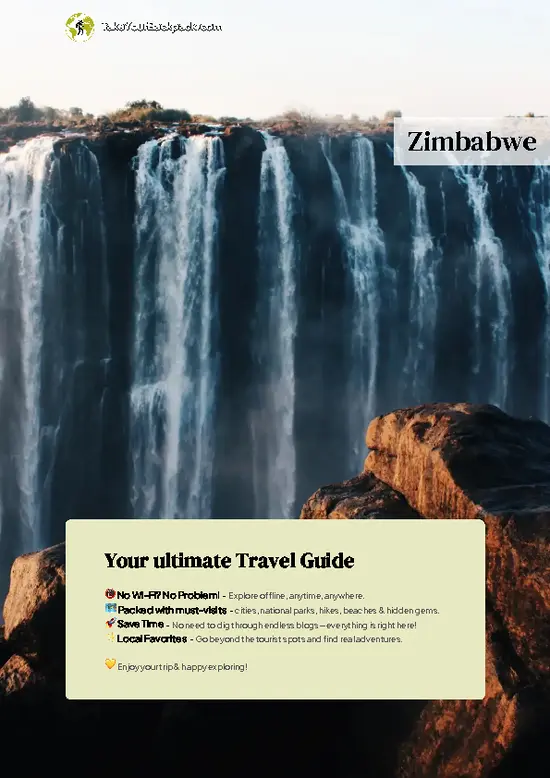
example page 0 from our offline Travel Guide for Zimbabwe
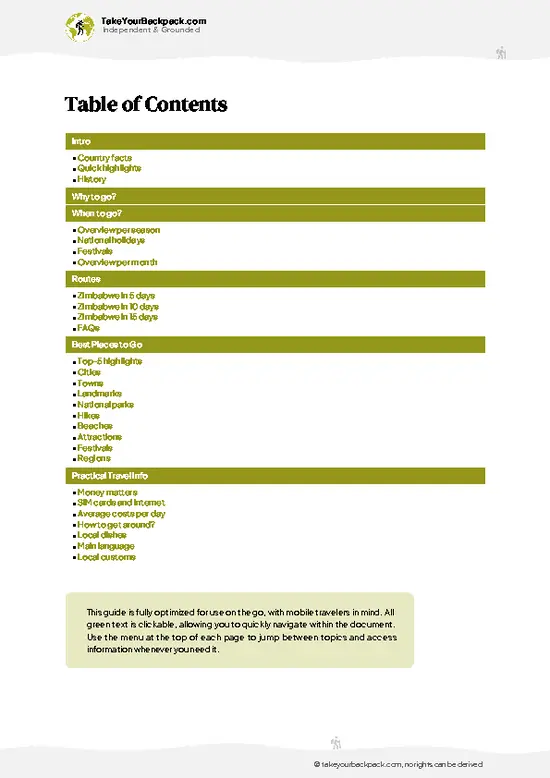
example page 1 from our offline Travel Guide for Zimbabwe
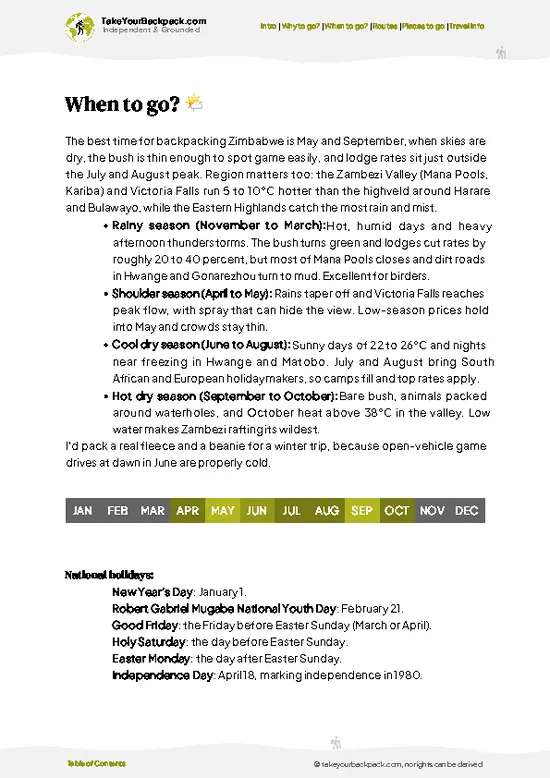
example page 2 from our offline Travel Guide for Zimbabwe
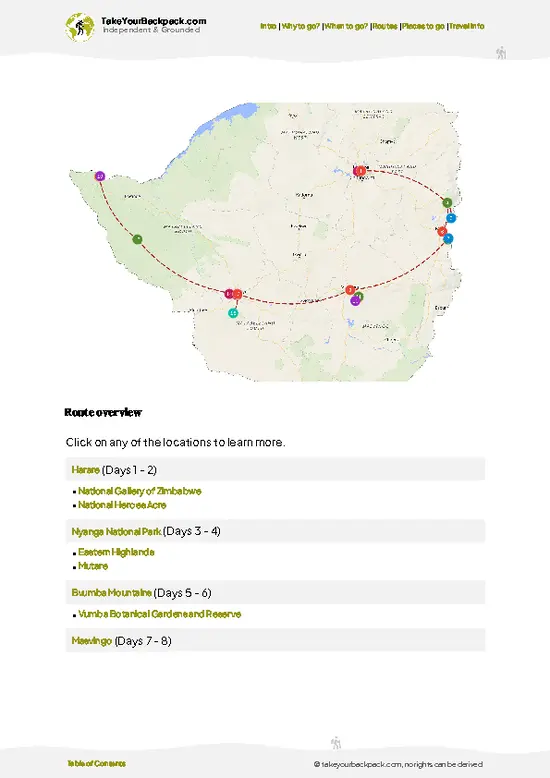
example page 3 from our offline Travel Guide for Zimbabwe
example page 4 from our offline Travel Guide for Zimbabwe
example page 5 from our offline Travel Guide for Zimbabwe
example page 6 from our offline Travel Guide for Zimbabwe
example page 7 from our offline Travel Guide for Zimbabwe
The digital guide (281 pages) contains:
72 highlights, ranked by travel appeal
Optimized 5, 10 & 15-day travel routes
Cities, national parks, landmarks, beaches
How to get around
Offline-friendly for travel without Wi-Fi
👉 Click to see all 30+ guide features

📅 Plan smarter in minutes, not weeks
Month by month travel advice
Festivals & national holidays
Budget expectations

🗺️ Go to the right places, skip the overrated ones
Honest pros & cons of destinations
Top hikes, parks & viewpoints
Lesser-known places most travelers miss
Clear “worth it vs skip it” guidance

🛏️ Travel smoothly without rookie mistakes
Best areas to stay
Transport systems explained simply
Common scams & safety advice
SIM cards, money & practical tips

🌍 Understand the country, not just visit it
Culture & traditions
52 Essential phrases & customs
Festivals worth planning around
Traveler-friendly historical context
Insights that make places more meaningful

📱 Built for real travel conditions
Fully downloadable PDF
Works completely offline
Optimized for phone use
Useful in remote areas & buses
Everything in one place
Save weeks of stressful planning
Get instant access to your full guide. 30‑day money-back guarantee.
+ Add another guide for just US$7.80

By proceeding you agree to our terms.
Sent to your inbox immediately after payment • 100% Secure Checkout
Best Backpacking Travel Advisor 2025 tourism awardBest Backpacking
Travel Advisor
2025
What others say about Take Your Backpack Guides:
⭐⭐⭐⭐⭐
Fantastic, amazing amount of information!
⭐⭐⭐⭐⭐
My goodness this is amazing, it's what I've been looking for hats off too you!
⭐⭐⭐⭐⭐
I think this is absolutely BRILLIANT
⭐⭐⭐⭐
Very complete and informative. It's still missing places, but I gotta to commend you
⭐⭐⭐⭐⭐
This is truly amazing, thank you, can't wait to explore it with my kids!
⭐⭐⭐⭐⭐
Awesome resource, thank you!
⭐⭐⭐⭐⭐
This is amazing! Can't wait to explore the ones I haven't seen
⭐⭐⭐⭐
I love this! Well done, great idea.
⭐⭐⭐⭐⭐
Thanks for taking the time to make this gem!
⭐⭐⭐⭐⭐
This might be the best website I've ever seen.
⭐⭐⭐⭐⭐
Congratulations, and thank you so much for your work; it's incredibly valuable.
⭐⭐⭐⭐
In all seriousness I think you did a great job pointing out the important spots
⭐⭐⭐⭐⭐
10/10 very good
⭐⭐⭐⭐⭐
As someone who's only just starting to visit regularly this is awesome, thank you.
⭐⭐⭐⭐
Thank you very much! I'm going to visit my dad, it's going to be very useful!
⭐⭐⭐⭐⭐
This is really cool! We'll be travelling for the first time and this definitely come in handy.
⭐⭐⭐⭐⭐
You are now our minister of culture, congratulations 👨‍💼
⭐⭐⭐⭐⭐
Just wanted to tell you that this is a pearl! Going to follow your recommendations.
⭐⭐⭐⭐⭐
This is so cool. I'll definitely be using the resource for my travels soon.
⭐⭐⭐⭐⭐
This is very impressive! Good work.
⭐⭐⭐⭐⭐
This is an amazing and informative site. Very well done!

🛏️ Where to stay?Best areas and accommodation options

Karoi’s heart for backpackers pulses strongest around the town center and the nearby residential pockets just off the main road. This area strikes a balance between safety and social buzz, where you’ll find the kind of local eateries and small shops that make wandering feel like a discovery, not a risk. The light here shifts in the late afternoon, casting long shadows from jacaranda trees and filling the air with a faint, dusty sweetness that hints at the rural life beyond the town limits.

Hostel options cluster near this hub, offering more than just a bed—they’re social magnets where solo travelers … read more 👉
Karoi’s heart for backpackers pulses strongest around the town center and the nearby residential pockets just off the main road. This area strikes a balance between safety and social buzz, where you’ll find the kind of local eateries and small shops that make wandering feel like a discovery, not a risk. The light here shifts in the late afternoon, casting long shadows from jacaranda trees and filling the air with a faint, dusty sweetness that hints at the rural life beyond the town limits.

Hostel options cluster near this hub, offering more than just a bed—they’re social magnets where solo travelers swap stories over shared meals or plan day trips. Compared to the quieter, more spread-out suburbs, staying here means you’re plugged into Karoi’s rhythm without the hassle of long taxi rides or the isolation of guesthouses tucked away in residential zones. It’s the practical choice for anyone who wants to feel part of the town’s pulse while keeping their budget intact.

🚌 Getting aroundHow to get around Karoi

Karoi moves at its own pace—neither frantic nor sluggish, but a steady rhythm that feels like the slow unfolding of a well-worn story. The sun casts long shadows on dusty streets where locals navigate with a mix of practiced routine and flexible timing. You won’t find strict timetables here; instead, transit flows with the pulse of daily life, shaped by the heat, the market buzz, and the occasional honk of a minibus weaving through traffic. This isn’t a place to expect precision, but rather to read the cues—the gathering crowds, the idle engines, the chatter—that signal when it’s time to move. Embrace the unpredictability; it’s part of the charm and the challenge.


  • Walking: The heart of Karoi is compact enough to explore on foot, especially the central market and main street. Walking lets
read more 👉
Karoi moves at its own pace—neither frantic nor sluggish, but a steady rhythm that feels like the slow unfolding of a well-worn story. The sun casts long shadows on dusty streets where locals navigate with a mix of practiced routine and flexible timing. You won’t find strict timetables here; instead, transit flows with the pulse of daily life, shaped by the heat, the market buzz, and the occasional honk of a minibus weaving through traffic. This isn’t a place to expect precision, but rather to read the cues—the gathering crowds, the idle engines, the chatter—that signal when it’s time to move. Embrace the unpredictability; it’s part of the charm and the challenge.


  • Walking: The heart of Karoi is compact enough to explore on foot, especially the central market and main street. Walking lets you soak in the scent of fresh maize and hear the calls of vendors without missing a beat. It’s free, flexible, and the best way to catch the town’s texture up close.

  • Shared Minibuses (Combis): These are the lifeblood of local transit, running from dawn until early evening. Expect to pay around $0.50 per ride. They don’t run on a strict schedule—minibuses leave when full, so timing depends on crowd size. They’re cramped but fast, darting through traffic with a local’s confidence.

  • Motorcycle Taxis (Zebras): For quick hops or routes less served by minibuses, zebras are your go-to. They operate from early morning until dusk, charging roughly $0.30 to $1 depending on distance. They’re nimble and can navigate narrow lanes, but hold tight—the ride is bumpy and the dust thick.

  • Private Taxis: Less common and pricier, private taxis offer comfort and speed, especially for early morning or late-night trips when other options dwindle. Expect to negotiate fares upfront, usually starting around $5 for short trips within town.

👛 Costs (as of 3 September 2026)Typical daily expenses

Backpacking through Karoi, Zimbabwe, means balancing modest costs with the raw, earthy charm of a small town that’s off the usual tourist radar. Here’s what you’re realistically looking at for daily expenses.
  • Dorm Accommodation: Expect to pay around $8 to $15 per night for a basic dorm bed. Options are limited and often simple, with fan rooms rather than air conditioning. The places have a lived-in feel—think creaky beds and the faint scent of wood smoke from nearby cooking fires.
  • Meals: Local eateries serve up hearty, no-frills meals for about $3 to $6 each. A plate of sadza (a staple maize dish) with vegetables or meat will fill you up without emptying your wallet. Street food snacks like roasted maize or fried peanuts cost under a dollar, perfect for quick energy between stops.
  • Local
read more 👉
Backpacking through Karoi, Zimbabwe, means balancing modest costs with the raw, earthy charm of a small town that’s off the usual tourist radar. Here’s what you’re realistically looking at for daily expenses.
  • Dorm Accommodation: Expect to pay around $8 to $15 per night for a basic dorm bed. Options are limited and often simple, with fan rooms rather than air conditioning. The places have a lived-in feel—think creaky beds and the faint scent of wood smoke from nearby cooking fires.
  • Meals: Local eateries serve up hearty, no-frills meals for about $3 to $6 each. A plate of sadza (a staple maize dish) with vegetables or meat will fill you up without emptying your wallet. Street food snacks like roasted maize or fried peanuts cost under a dollar, perfect for quick energy between stops.
  • Local Transport: Minibus taxis are the go-to, with fares typically between $0.50 and $1.50 per trip within town or to nearby villages. The rides are bumpy and lively, windows down to catch the dry, dusty air and the occasional waft of smoke from passing fires.
  • Basic Activities/Entry Fees: Karoi’s main draw is its proximity to wildlife and nature reserves, where entry fees hover around $5 to $10. Guided walks or local cultural experiences might add $10 to $20, depending on the length and exclusivity. These are worth budgeting for if you want to connect with the landscape beyond the town’s edges.
  • Miscellaneous Expenses: Bottled water, snacks, and small essentials will set you back about $2 to $4 daily. Keep some cash handy for unexpected needs—like a quick phone credit top-up or a roadside chai tea.

All told, you’re looking at roughly $20 to $40 per day to cover the essentials in Karoi. It’s a modest sum that buys you a genuine slice of Zimbabwean life, where the simplicity of the town’s rhythm is part of the experience. The modest costs reflect the town’s quiet pace, so lean into the slower vibe and let the surroundings do the heavy lifting for your travel buzz.
⚠️ Prices can change and everyone travels differently, so take this as a rough guide. Hope it helps you plan your adventure!

🚌 Day tripsWhere to go beyond the main area

Karoi, Zimbabwe, is a backpacker’s dream base for exploring the surrounding wonders. With its laid-back vibe and strategic location, you can dive into authentic experiences without the hassle.

Lake Kariba
Just a short drive from Karoi, Lake Kariba is a massive reservoir that feels like an ocean. Spend your day fishing, kayaking, or simply soaking in the sun. The sunsets here are a painter’s palette, with colors that seem to dance on the water. Expect to pay around $10 for transport and a few bucks for snacks. The best time to visit is during the dry season, from May to October, when the weather is perfect for outdoor activities. A common mistake? Underestimating the wind; it can whip up unexpectedly, so keep an eye on the skies.


Chizarira National Park
This park is a bit of a trek, … read more 👉
Karoi, Zimbabwe, is a backpacker’s dream base for exploring the surrounding wonders. With its laid-back vibe and strategic location, you can dive into authentic experiences without the hassle.

Lake Kariba
Just a short drive from Karoi, Lake Kariba is a massive reservoir that feels like an ocean. Spend your day fishing, kayaking, or simply soaking in the sun. The sunsets here are a painter’s palette, with colors that seem to dance on the water. Expect to pay around $10 for transport and a few bucks for snacks. The best time to visit is during the dry season, from May to October, when the weather is perfect for outdoor activities. A common mistake? Underestimating the wind; it can whip up unexpectedly, so keep an eye on the skies.


Chizarira National Park
This park is a bit of a trek, about two hours from Karoi, but it’s worth every bump in the road. Known for its rugged terrain and diverse wildlife, you can hike through stunning landscapes and spot elephants and various antelope. Entry fees are around $15, plus transport costs. The dry season is ideal for wildlife viewing, but the rainy season brings lush greenery and fewer crowds. Many first-timers miss the chance to hire a local guide, which can enhance your experience with insider knowledge.
👉 Explore Chizarira National Park

Mana Pools National Park
A day trip to Mana Pools is like stepping into a wildlife documentary. It’s about a two-hour drive, and you’ll want to leave early to maximize your time. The park is famous for its walking safaris, where you can get up close with elephants and hippos. Expect to spend around $20 for transport and park fees. The best months are from June to September when animals congregate around water sources. A rookie mistake? Forgetting to bring binoculars; you’ll want to see the wildlife up close.
👉 Explore Mana Pools National Park

Karoi Market
For a taste of local life, head to the Karoi Market. It’s just a short walk from the center and brimming with fresh produce, crafts, and local delicacies. You can grab a meal for under $5 and chat with friendly vendors. The market is lively in the mornings, so aim to visit then. Many travelers overlook this gem, thinking they need to venture far for authentic experiences, but this is where the heart of Karoi beats.


Each of these trips offers a unique slice of Zimbabwean life, making your stay in Karoi not just a stopover, but a rich experience.
Want to know what more Zimbabwe offers?
The Zimbabwe Travel Guide describes 72 highlights, from cities to national parks, from beaches to hikes

Get the Travel Guide -

🛡️ SafetyScams, Hazards, and Annoyances

Karoi is generally safe, but like any place, a little awareness goes a long way. Stick to well-lit areas at night, especially if you’re solo. The main market can get lively, so keep your belongings close; pickpockets thrive in crowds.

Watch for overly friendly locals who might steer you toward shops with inflated prices. A firm but polite “no, thank you” usually does the trick.

Be mindful of your surroundings, especially when using ATMs. Choose machines in busy areas, and avoid withdrawing large sums at once. Carry yourself confidently, and you’ll blend in just fine.

FAQCommon questions from travelers

Karoi is primarily a stopover rather than a major tourist destination. It serves as a convenient rest point for travelers heading to Mana Pools National Park or other northern Zimbabwean attractions. The town offers basic amenities but limited sightseeing options.
One day is generally sufficient to explore Karoi itself, as the town is small with few attractions. Visitors often use it as a base before moving on to nearby parks or rural areas. Staying longer is only necessary if you plan to visit surrounding farms or local markets.
Yes, Karoi can be visited as a day trip from Harare, which is about 200 kilometers away. The drive takes approximately 3 to 4 hours each way, making it feasible for a long day trip if you start early. However, most travelers prefer to stay overnight to avoid fatigue.
⚠️ Things can change over time, so always validate details locally before you go.

Other Zimbabwean towns near Karoi

Explore more nearby:

  • Mhangura—copper mining, closed factories, hillside settlements| 51 km away
  • Sanyati—cotton farming, rural clinics, mission station| 133 km away
  • Chirundu—Zambezi crossing, truck queues, fishing lodges| 139 km away

💡 Not sure where to go next?
Create a personalized itinerary for Zimbabwe including Karoi and the places that fit your trip.

Generate my itinerary

👉 Discover all towns

Or checkout all Zimbabwe has to offer (think cities, towns, villages, national parks, hikes, beaches, festivals)
Country photo of Zimbabwe

We 💚 feedbackWhat to keep in mind

Karoi’s charm lies in its vibrant local markets, where the air is thick with the scent of grilled maize and spices. You’ll connect with the community in a way that feels genuine. Just know that the infrastructure can be a bit rough—expect bumpy roads and sporadic power cuts. Embrace the unpredictability; it’s part of the adventure.

✈️ When did I visit Zimbabwe?
I have backpacked Zimbabwe all the way back in 2001.

✍️ Help improve this page!
The information on this page is based on my own backpacking experience in Zimbabwe, supplemented with up-to-date research and feedback from other travelers. Travel details can change, so if you notice anything outdated or incomplete, feel free to let me know.


🙋‍♂️ Give feedback

👋 Meet the founderWho’s Behind Take Your Backpack?

Johan, backpacker and founder of TakeYourBackpackHi, I’m Johan (Netherlands 🇳🇱), the creator of TakeYourBackpack. Over the past decade, I’ve backpacked through 80+ countries across six continents, gaining extensive experience with independent travel, long-term trips, and overland routes.

This site is built on a combination of firsthand travel experience and carefully curated insights from other backpackers. Many guides are based on places I’ve personally visited, while others bring together tips, observations, and practical advice shared by trusted travelers I’ve met along the way.

The goal is to provide realistic, experience-driven guidance — not generic itineraries — so you can explore destinations with better context, clearer expectations, and more confidence.

Get full Zimbabwe guide •
Instant download • 72 highlights • Full Offline guide