×

Zimbabwe🇿🇼 | townsMbare Musikaopen-air market, minibus hub, street vendors | things to do and best time to go

Explore MasvingoExplore Victoria Falls town

Backpacking in Mbare Musika
👀 For curious travelerstown ranked #21
By Johan Kruseman 🇳🇱 | Updated June 2, 2026

Most travelers only realize after the fact: Mbare Musika is the nerve center for Zimbabwe’s long-distance buses and fresh produce, making it the place where journeys actually start—not just pass through. Set just south of Harare’s city center, Mbare Musika is gritty, loud, and alive with the scent of tomatoes and diesel, a true crossroads rather than a destination. For backpackers, it’s not about charm or comfort—it’s about access. You come here to catch onward rides, taste real street food, and see the raw, unfiltered pulse of Zimbabwean daily life. Don’t expect hostels or easy camaraderie; this is a working market, not a social hub. It’s cheaper than Harare proper, but you’ll need your wits—petty theft is common, and the chaos can overwhelm. Compared to the leafy calm of Avondale or the tourist gloss of Victoria Falls, Mbare Musika is pure function: a launchpad, not a lounge.

Discover everything you want to know in the 📖 Zimbabwe Travel Guide.


Get your Zimbabwe guide
90 ranked highlights, routes & tips, works offline (356 pages)
Loading the map 🌍
CLICK TO FILTER
cities
towns
landmarks
national parks
hikes
beaches
attractions
festivals
regions
SHOW COUNTRY’S BESTSHOW ALL

✨ Why go?
Ranked #21 town in Zimbabwe
The unique appeal for travelers

Mbare Musika is a gateway for backpackers diving into Zimbabwe’s rich tapestry. It’s not just a stop; it’s a launchpad for nearby hikes in the Eastern Highlands or a quick trip to the Zambezi River. The local food stalls offer a sensory feast—think grilled meats and fresh produce that fill the air with mouthwatering aromas.

The streets are walkable, making it easy to explore the vibrant market scene or chat with locals. Here, you’ll find a mix of small-scale hostels and guesthouses that cater to budget travelers, fostering a friendly social atmosphere. Expect a blend of solo adventurers and small groups, all sharing stories over a shared meal.

Most travelers stay briefly, often just a night or two, but those who linger appreciate the slower pace and the chance to soak in the local culture. … read more 👉
Mbare Musika is a gateway for backpackers diving into Zimbabwe’s rich tapestry. It’s not just a stop; it’s a launchpad for nearby hikes in the Eastern Highlands or a quick trip to the Zambezi River. The local food stalls offer a sensory feast—think grilled meats and fresh produce that fill the air with mouthwatering aromas.

The streets are walkable, making it easy to explore the vibrant market scene or chat with locals. Here, you’ll find a mix of small-scale hostels and guesthouses that cater to budget travelers, fostering a friendly social atmosphere. Expect a blend of solo adventurers and small groups, all sharing stories over a shared meal.

Most travelers stay briefly, often just a night or two, but those who linger appreciate the slower pace and the chance to soak in the local culture. If you’re a hiker or a slow traveler, Mbare Musika offers a practical, authentic experience that feels like a meaningful part of your journey.
Want to include Mbare Musika in your Zimbabwe route?
Create a personalized Zimbabwe itinerary that includes Mbare Musika and the places that fit your trip — based on your travel style, budget, and available time. Get your route in seconds.

Generate my trip

💡 HighlightsMust-see experiences and standout moments

🏘️ NeighborhoodsUnderstanding the local layout

Mbare Musika is a bustling hub in Zimbabwe, where the pulse of local life beats strong. It’s a place where you can dive into the authentic rhythm of the city, but knowing where to land can make all the difference.

Mbare Market: This is the heart of the area, alive with the scent of spices and fresh produce. It’s a vibrant spot for budget travelers, offering affordable local eats. The market is walkable, but be prepared for crowds. It’s best for short stays, as the constant hustle can be overwhelming for some.

Chitungwiza: A bit quieter, this suburb offers a more laid-back vibe. It’s a good choice for longer stays, with affordable guesthouses and a friendly atmosphere. Public transport is accessible, but you’ll want to plan your trips to the city center. Nightlife is minimal here, making … read more 👉
Mbare Musika is a bustling hub in Zimbabwe, where the pulse of local life beats strong. It’s a place where you can dive into the authentic rhythm of the city, but knowing where to land can make all the difference.

Mbare Market: This is the heart of the area, alive with the scent of spices and fresh produce. It’s a vibrant spot for budget travelers, offering affordable local eats. The market is walkable, but be prepared for crowds. It’s best for short stays, as the constant hustle can be overwhelming for some.

Chitungwiza: A bit quieter, this suburb offers a more laid-back vibe. It’s a good choice for longer stays, with affordable guesthouses and a friendly atmosphere. Public transport is accessible, but you’ll want to plan your trips to the city center. Nightlife is minimal here, making it ideal for those seeking peace after a day of exploration.

Eastlea: This area leans towards the upscale, with a mix of cafes and shops. It’s walkable and offers a more relaxed pace, perfect for longer stays. While it’s pricier, the comfort and amenities can be worth it. Nightlife options are limited, but you can find cozy spots to unwind.

Each neighborhood has its own flavor, so choose wisely based on your travel style and needs.

⌛️ 1 dayWhat you can realistically do in a day

Mbare Musika, a bustling hub in Harare, pulses with life and energy, offering a raw glimpse into Zimbabwean culture. The town is famous for its vibrant market, where the air is thick with the scent of spices and fresh produce. It’s a place where locals barter, laugh, and share stories, making it a perfect spot for an immersive day.

Start your morning at the Mbare Musika Market. Arrive early to beat the crowds and soak in the atmosphere. The sun casts a golden hue over the stalls, illuminating piles of colorful fruits and vegetables. Engage with the vendors; their warmth is infectious. Try a local breakfast dish like sadza with a side of fresh vegetables. It’s hearty and will fuel your adventures ahead.

In the afternoon, wander over to the nearby Mbare Arts and Crafts Centre. This spot is … read more 👉
Mbare Musika, a bustling hub in Harare, pulses with life and energy, offering a raw glimpse into Zimbabwean culture. The town is famous for its vibrant market, where the air is thick with the scent of spices and fresh produce. It’s a place where locals barter, laugh, and share stories, making it a perfect spot for an immersive day.

Start your morning at the Mbare Musika Market. Arrive early to beat the crowds and soak in the atmosphere. The sun casts a golden hue over the stalls, illuminating piles of colorful fruits and vegetables. Engage with the vendors; their warmth is infectious. Try a local breakfast dish like sadza with a side of fresh vegetables. It’s hearty and will fuel your adventures ahead.

In the afternoon, wander over to the nearby Mbare Arts and Crafts Centre. This spot is often overlooked by tourists but is a treasure trove of local artistry. The vibrant murals and handcrafted goods reflect the soul of Zimbabwe. Chat with the artisans; their passion for their craft is palpable. You might even find a unique piece to take home, a tangible memory of your journey.

As the sun begins to set, head to the nearby National Gallery of Zimbabwe. The light filtering through the gallery’s windows creates a serene atmosphere, perfect for reflecting on the day. The contemporary art exhibits often showcase local talent, providing insight into the evolving culture.

Wrap up your day at a local eatery, perhaps one that serves traditional dishes. The laughter and chatter around you will remind you that Mbare Musika is not just a place to visit; it’s a community that welcomes you into its heart.
Turn your Mbare Musika visit into an Zimbabwe adventure
Build a complete Zimbabwe route with Mbare Musika, hidden gems, must-see destinations, and realistic travel times included.

Generate my trip

🌤️ When to go?When to go for the best experience


  • Topic: Weather – The dry season from May to October offers clear skies and minimal rain, making dusty streets easier to navigate and market stalls more accessible. Avoid the wet season (November to April) when heavy rains turn paths muddy and the air thick with humidity.

  • Topic: Temperature – Daytime highs hover around 25-28°C (77-82°F) in the dry months, perfect for exploring without overheating. Nights can dip to 10-12°C (50-54°F), so pack a light jacket for early mornings and evenings.

  • Topic: Daylight Hours – Expect roughly 11 to 12 hours of daylight year-round, but the dry season’s crisp mornings and long afternoons give you more comfortable hours to roam and soak in the market’s buzz.

  • Topic: Crowds – Tourist numbers peak during the dry season, especially July and August, so markets
read more 👉

  • Topic: Weather – The dry season from May to October offers clear skies and minimal rain, making dusty streets easier to navigate and market stalls more accessible. Avoid the wet season (November to April) when heavy rains turn paths muddy and the air thick with humidity.

  • Topic: Temperature – Daytime highs hover around 25-28°C (77-82°F) in the dry months, perfect for exploring without overheating. Nights can dip to 10-12°C (50-54°F), so pack a light jacket for early mornings and evenings.

  • Topic: Daylight Hours – Expect roughly 11 to 12 hours of daylight year-round, but the dry season’s crisp mornings and long afternoons give you more comfortable hours to roam and soak in the market’s buzz.

  • Topic: Crowds – Tourist numbers peak during the dry season, especially July and August, so markets are lively but not overwhelming. Visiting early in the dry season or late September offers a quieter, more authentic vibe.

  • Topic: Seasonal Activities – Dry months coincide with local harvests and festivals, adding color and energy to your visit. The wet season’s lush greenery is tempting but often keeps vendors indoors.

  • Topic: Price Fluctuations – Accommodation and transport costs rise slightly in peak dry months due to demand. Booking ahead during this time secures better rates and options.


Pro-tip: Aim for early dry season visits to catch fresh produce, manageable crowds, and cooler mornings—this combo turns Mbare Musika from a market into a full sensory adventure.


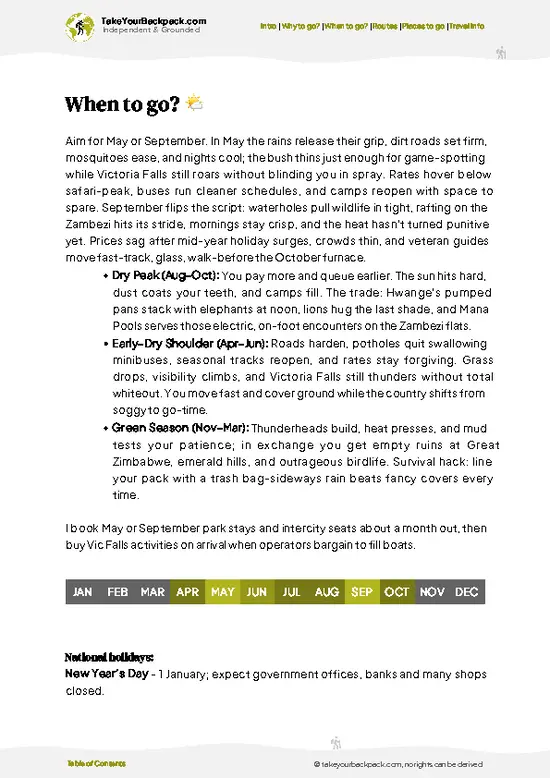
source: climatestotravel.comJANJanuary: fair for travelingFEBFebruary: fair for travelingMARMarch: fair for travelingAPRApril: fair for travelingMAYMay: highly recommended for travelingJUNJune: highly recommended for travelingJULJuly: excellent for travelingAUGAugust: excellent for travelingSEPSeptember: highly recommended for travelingOCTOctober: highly recommended for travelingNOVNovember: fair for travelingDECDecember: fair for traveling
when-to-go

✈️ The backpacker research shortcutZimbabwe Travel Guide

An offline-friendly backpacking guide with optimized travel routes, ranked highlights, transport advice, and the best areas to stay.
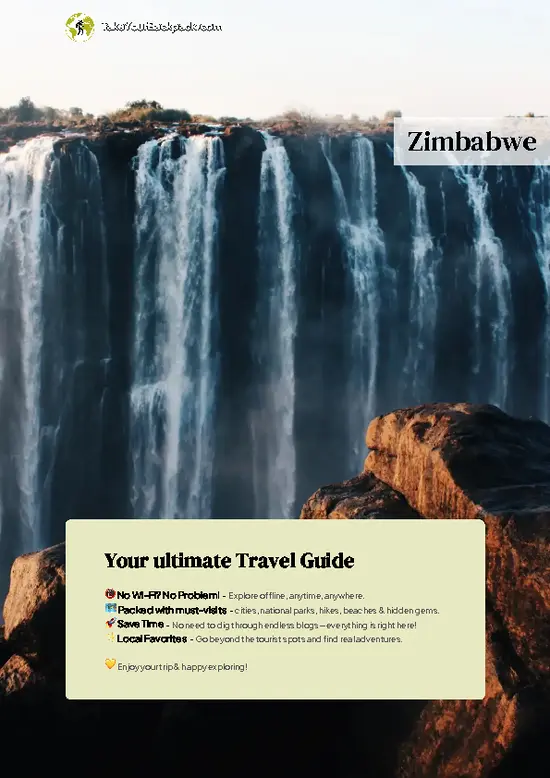
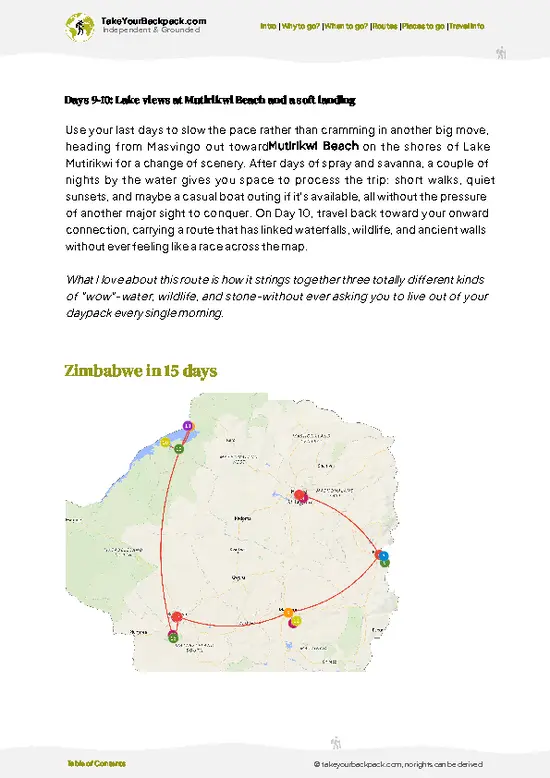
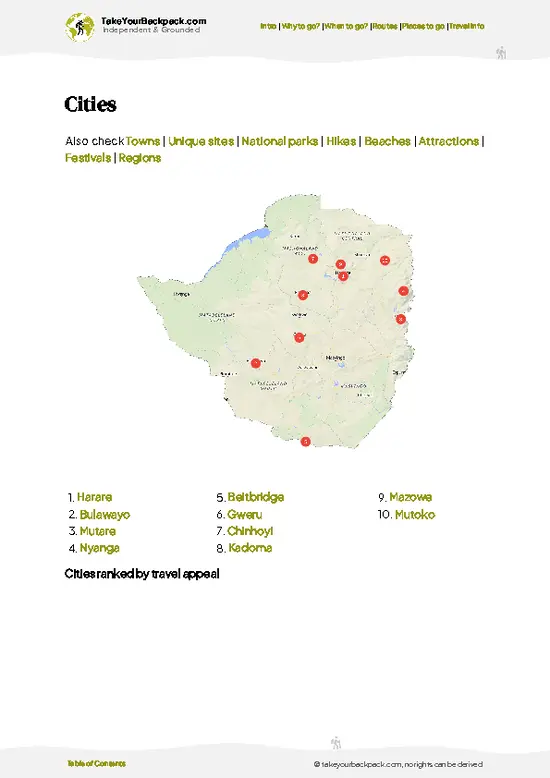
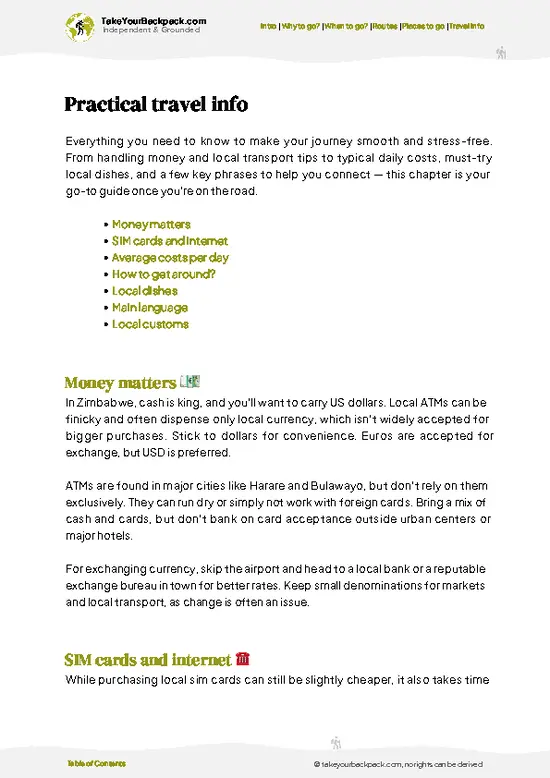
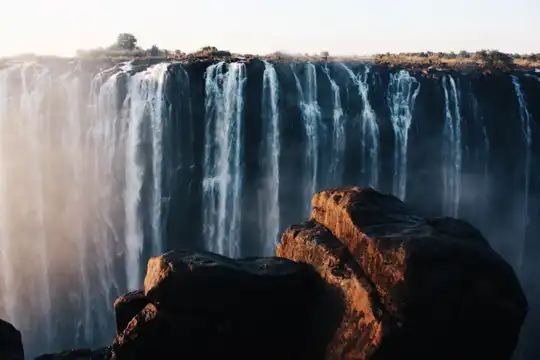
example page 0 from our offline Travel Guide for Zimbabwe
example page 1 from our offline Travel Guide for Zimbabwe
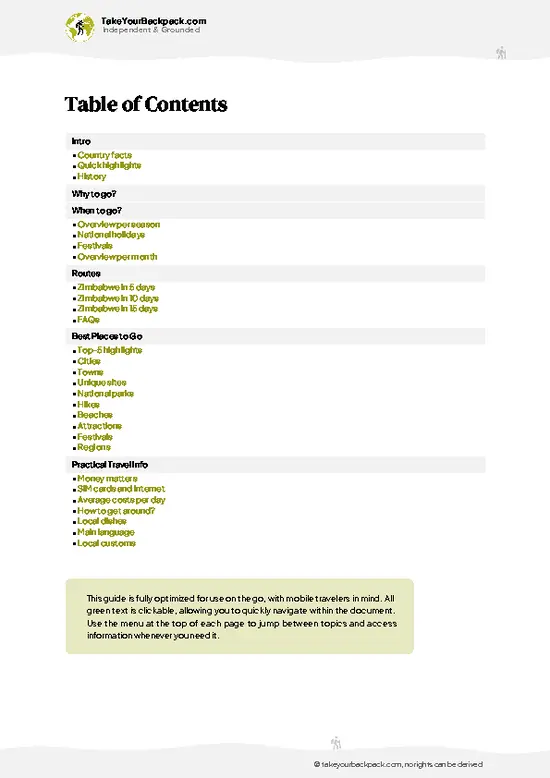
example page 2 from our offline Travel Guide for Zimbabwe
example page 3 from our offline Travel Guide for Zimbabwe
example page 4 from our offline Travel Guide for Zimbabwe
example page 5 from our offline Travel Guide for Zimbabwe
example page 6 from our offline Travel Guide for Zimbabwe
example page 7 from our offline Travel Guide for Zimbabwe
The digital guide (356 pages) contains:
90 highlights, ranked by travel appeal
Optimized 5, 10 & 15-day travel routes
Cities, national parks, landmarks, beaches
How to get around
Offline-friendly for travel without Wi-Fi
👉 Click to see all 30+ guide features

📅 Plan smarter in minutes, not weeks
Month by month travel advice
Festivals & national holidays
Budget expectations

🗺️ Go to the right places, skip the overrated ones
Honest pros & cons of destinations
Top hikes, parks & viewpoints
Lesser-known places most travelers miss
Clear “worth it vs skip it” guidance

🛏️ Travel smoothly without rookie mistakes
Best areas to stay
Transport systems explained simply
Common scams & safety advice
SIM cards, money & practical tips

🌍 Understand the country, not just visit it
Culture & traditions
52 Essential phrases & customs
Festivals worth planning around
Traveler-friendly historical context
Insights that make places more meaningful

📱 Built for real travel conditions
Fully downloadable PDF
Works completely offline
Optimized for phone use
Useful in remote areas & buses
Everything in one place
Save weeks of stressful planning
Get instant access to your full guide. 30‑day money-back guarantee.


By proceeding you agree to our terms.
Sent to your inbox immediately after payment • 100% Secure Checkout
Best Backpacking Travel Advisor 2025 tourism awardBest Backpacking
Travel Advisor
2025
What others say about Take Your Backpack Guides:
⭐⭐⭐⭐⭐
Fantastic, amazing amount of information!
⭐⭐⭐⭐⭐
My goodness this is amazing, it's what I've been looking for hats off too you!
⭐⭐⭐⭐⭐
I think this is absolutely BRILLIANT
⭐⭐⭐⭐
Very complete and informative. It's still missing places, but I gotta to commend you
⭐⭐⭐⭐⭐
This is truly amazing, thank you, can't wait to explore it with my kids!
⭐⭐⭐⭐⭐
Awesome resource, thank you!
⭐⭐⭐⭐⭐
This is amazing! Can't wait to explore the ones I haven't seen
⭐⭐⭐⭐
I love this! Well done, great idea.
⭐⭐⭐⭐⭐
Thanks for taking the time to make this gem!
⭐⭐⭐⭐⭐
This might be the best website I've ever seen.
⭐⭐⭐⭐⭐
Congratulations, and thank you so much for your work; it's incredibly valuable.
⭐⭐⭐⭐
In all seriousness I think you did a great job pointing out the important spots
⭐⭐⭐⭐⭐
10/10 very good
⭐⭐⭐⭐⭐
As someone who's only just starting to visit regularly this is awesome, thank you.
⭐⭐⭐⭐
Thank you very much! I'm going to visit my dad, it's going to be very useful!
⭐⭐⭐⭐⭐
This is really cool! We'll be travelling for the first time and this definitely come in handy.
⭐⭐⭐⭐⭐
You are now our minister of culture, congratulations 👨‍💼
⭐⭐⭐⭐⭐
Just wanted to tell you that this is a pearl! Going to follow your recommendations.
⭐⭐⭐⭐⭐
This is so cool. I'll definitely be using the resource for my travels soon.
⭐⭐⭐⭐⭐
This is very impressive! Good work.
⭐⭐⭐⭐⭐
This is an amazing and informative site. Very well done!

🛏️ Where to stay?Best areas to stay in Zimbabwe

Mbare Musika itself is a bustling market hub, but it’s not where you want to bunk down overnight—too chaotic and sketchy once the sun dips. Instead, aim for the nearby neighborhoods like Avenues or Eastlea. These areas strike a balance: they’re close enough to the market’s pulse for day trips but offer safer streets and a more relaxed vibe when you’re off-duty. You’ll find hostels and guesthouses here that cater to solo travelers and budget backpackers, creating a social atmosphere without the noise of the market. The streets hum with local life, vendors calling out, and the scent of fresh produce … read more 👉
Mbare Musika itself is a bustling market hub, but it’s not where you want to bunk down overnight—too chaotic and sketchy once the sun dips. Instead, aim for the nearby neighborhoods like Avenues or Eastlea. These areas strike a balance: they’re close enough to the market’s pulse for day trips but offer safer streets and a more relaxed vibe when you’re off-duty. You’ll find hostels and guesthouses here that cater to solo travelers and budget backpackers, creating a social atmosphere without the noise of the market. The streets hum with local life, vendors calling out, and the scent of fresh produce mixing with city dust—real Zimbabwean energy, but with a roof that feels secure. Compared to the raw intensity of Mbare Musika, these neighborhoods let you recharge while staying connected to the city’s heartbeat.

🚌 Getting aroundGetting around like a local

Mbare Musika moves at its own pulse—less clockwork, more rhythm of the street vendors shouting over the hum of minibuses and the shuffle of feet on cracked pavement. It’s a place where schedules are loose suggestions, and the real timetable is the sun’s arc and the crowd’s momentum. The air carries the scent of grilled maize and diesel, mixing with the chatter of bargaining voices. To navigate here, you don’t just follow signs; you tune into the flow, learning when to jump on a bus before it fills, or when to walk and soak in the street life without losing time.


  • Shared Minibuses (Combis): These are the lifeblood of Mbare Musika transit—cheap (around $0.30), frequent, and fast if you catch them early. They start rolling around 6 AM and slow down by 7 PM, but expect crowd crushes and no
read more 👉
Mbare Musika moves at its own pulse—less clockwork, more rhythm of the street vendors shouting over the hum of minibuses and the shuffle of feet on cracked pavement. It’s a place where schedules are loose suggestions, and the real timetable is the sun’s arc and the crowd’s momentum. The air carries the scent of grilled maize and diesel, mixing with the chatter of bargaining voices. To navigate here, you don’t just follow signs; you tune into the flow, learning when to jump on a bus before it fills, or when to walk and soak in the street life without losing time.


  • Shared Minibuses (Combis): These are the lifeblood of Mbare Musika transit—cheap (around $0.30), frequent, and fast if you catch them early. They start rolling around 6 AM and slow down by 7 PM, but expect crowd crushes and no fixed stops; flag them down anywhere.

  • Walking: The market’s heart is best explored on foot. Streets are narrow and packed, so walking lets you dodge traffic jams and catch the smells and sounds that define the place. Pace yourself—shade is scarce, and midday heat can sap energy.

  • Shared Taxis: Slightly pricier (about $1), these offer a bit more comfort and speed, especially for longer hauls out of the market area. They run from dawn till dusk but don’t expect strict routes—drivers often negotiate detours.

  • Bicycle Taxis (Zebras): For short hops, zebras are nimble and cheap (under $0.50). They weave through traffic with ease but hold on tight—helmets are rare, and the ride can be bumpy on uneven roads.

👛 Costs (as of 28 June 2025)Travel costs and budget guide for Mbare Musika

Backpacking through Mbare Musika, Zimbabwe, means navigating a vibrant, bustling market town where every dollar counts and local knowledge pays off. Here’s the real deal on daily costs to keep your trip smooth and wallet-friendly.
  • Dorm Accommodation: Expect to pay around $5 to $10 USD per night for a basic dorm bed. Options are limited and often very simple—think a fan, a shared bathroom, and a mattress that’s seen better days. It’s not about luxury here; it’s about being close to the market action and locals.
  • Meals: Street food is king. You’ll spend about $2 to $5 USD per meal if you stick to local staples like sadza (cornmeal porridge), grilled meat, and fresh vegetables from the market. Eating at small stalls means fresh, filling food with bold, earthy flavors, but avoid anything that
read more 👉
Backpacking through Mbare Musika, Zimbabwe, means navigating a vibrant, bustling market town where every dollar counts and local knowledge pays off. Here’s the real deal on daily costs to keep your trip smooth and wallet-friendly.
  • Dorm Accommodation: Expect to pay around $5 to $10 USD per night for a basic dorm bed. Options are limited and often very simple—think a fan, a shared bathroom, and a mattress that’s seen better days. It’s not about luxury here; it’s about being close to the market action and locals.
  • Meals: Street food is king. You’ll spend about $2 to $5 USD per meal if you stick to local staples like sadza (cornmeal porridge), grilled meat, and fresh vegetables from the market. Eating at small stalls means fresh, filling food with bold, earthy flavors, but avoid anything that looks like it’s been sitting out too long.
  • Local Transport: Minibus taxis are the go-to, costing roughly $0.50 to $1 USD per short trip within town. They’re packed, noisy, and a bit chaotic, but they get you where you need to go fast. Walking is often your best bet to soak in the atmosphere and save cash.
  • Basic Activities/Entry Fees: Mbare Musika itself is more about the experience than formal attractions. Budget around $1 to $3 USD for any small local events or market tours if you want a guided insight. Most of your time will be spent wandering the market’s maze of stalls, which is free but priceless in cultural immersion.
  • Miscellaneous Expenses: Set aside $1 to $3 USD for essentials like bottled water, snacks, or a quick phone credit top-up. Bargaining is expected, so keep small bills handy and don’t be shy about negotiating prices.

All told, you’re looking at roughly $10 to $22 USD per day to cover the essentials in Mbare Musika. It’s a place where the raw energy of the market and the scent of fresh produce mix with the hum of daily life, making every dollar spent feel like an investment in a truly local experience. Keep your expectations grounded, and you’ll find the charm in the grit.


source: zimbabwetourism.net
⚠️ Prices can change and everyone travels differently, so take this as a rough guide. Hope it helps you plan your adventure!

🚌 Day tripsEasy escapes and nearby places

Mbare Musika is a bustling hub that opens the door to some incredible day trips, each offering a unique slice of Zimbabwean life and landscape.

1. Chinhoyi Caves
Just over two hours from Mbare, the Chinhoyi Caves are a must-see for anyone who loves a bit of adventure. The caves are famous for their stunning blue waters and intricate limestone formations. You can swim in the crystal-clear pools, but be prepared for a chill—those waters are cold! The entrance fee is around $5, making it a budget-friendly escape. The best time to visit is during the dry season, from May to October, when the paths are less muddy and the caves are more accessible. A common mistake? Underestimating the time needed to explore; plan for at least half a day to soak it all in.


2. Lake Chivero
A quick 45-minute … read more 👉
Mbare Musika is a bustling hub that opens the door to some incredible day trips, each offering a unique slice of Zimbabwean life and landscape.

1. Chinhoyi Caves
Just over two hours from Mbare, the Chinhoyi Caves are a must-see for anyone who loves a bit of adventure. The caves are famous for their stunning blue waters and intricate limestone formations. You can swim in the crystal-clear pools, but be prepared for a chill—those waters are cold! The entrance fee is around $5, making it a budget-friendly escape. The best time to visit is during the dry season, from May to October, when the paths are less muddy and the caves are more accessible. A common mistake? Underestimating the time needed to explore; plan for at least half a day to soak it all in.


2. Lake Chivero
A quick 45-minute drive from Mbare, Lake Chivero is a serene spot for a day of relaxation or adventure. You can rent a canoe or simply chill by the shore, watching the birds flit about. The entrance fee is about $3, and you can grab a local meal at one of the nearby eateries for under $10. The best time to visit is early morning when the mist rises off the lake, creating a magical atmosphere. Many first-timers miss the chance to explore the surrounding trails, which offer stunning views and a chance to spot wildlife.


3. Harare Gardens
Only a 20-minute ride from Mbare, Harare Gardens is an oasis in the city. The lush greenery and vibrant flowers provide a perfect backdrop for a leisurely stroll or a picnic. Entry is free, making it an easy stop for budget travelers. The gardens are best enjoyed in the cooler hours of the morning or late afternoon. A common oversight is not bringing a snack; local vendors often sell delicious treats, but they can be hit or miss. Pack your own and enjoy it on a bench under a shady tree.


4. Domboshava Rock Paintings
About an hour from Mbare, the Domboshava Rock Paintings offer a glimpse into ancient history. The hike up to the rocks is invigorating, and the views from the top are worth every step. Expect to pay around $2 for entry. The best time to go is during the cooler months, from May to August. Many backpackers overlook the importance of sturdy shoes; the rocky terrain can be tricky, so come prepared.


Each of these trips not only enriches your experience but also connects you to the heart of Zimbabwe.
Want to know what more Zimbabwe offers?
The Zimbabwe Travel Guide describes 90 highlights, from cities to national parks, from beaches to hikes

Get the Travel Guide -

🛡️ SafetyScams, Hazards, and Annoyances

Mbare Musika is generally safe, but like any bustling market, it has its quirks. The vibrant atmosphere is filled with the scent of spices and the chatter of vendors, but keep your wits about you. Stick to well-lit areas, especially if you’re wandering solo after dark.

Be mindful of your belongings; a crossbody bag can deter pickpockets. When haggling for goods, expect some playful banter, but don’t be surprised if prices fluctuate wildly. It’s part of the game.

Watch for individuals who might offer unsolicited help—often, they’re looking for a tip. A friendly smile and a firm “no, thank you” usually do the trick. Embrace the chaos, but stay alert. The rewards of this lively market are worth the extra awareness.

Other Zimbabwean towns near Mbare Musika

Explore more nearby:

  • Marondera—boarding schools, pine plantations, commuter town| 65 km away
  • Bindura—nickel mining, university campus, rural surrounds| 69 km away
  • Chegutu—grain silos, railway junction, roadside eateries| 99 km away

💡 Not sure where to go next?
Create a personalized itinerary for Zimbabwe including Mbare Musika and the places that fit your trip.

Generate my itinerary

👉 Discover all towns

Or checkout all Zimbabwe has to offer (think cities, towns, villages, national parks, hikes, beaches, festivals)
Country photo of Zimbabwe

We 💚 feedbackKey takeaways before you go

Mbare Musika pulses with life, a sensory overload of colors, sounds, and the rich aroma of street food. It’s a vibrant market where you can feel the heartbeat of Zimbabwean culture. But be ready for the chaos; it can be overwhelming for first-timers. Embrace the hustle, and you’ll unlock a deeper connection to the local spirit. Just remember, patience is your best companion here.

✈️ When did I visit Zimbabwe?
I have backpacked Zimbabwe all the way back in 2001.

✍️ Help improve this page!
The information on this page is based on my own backpacking experience in Zimbabwe, supplemented with up-to-date research and feedback from other travelers. Travel details can change, so if you notice anything outdated or incomplete, feel free to let me know.


🙋‍♂️ Give feedback

👋 Meet the founderWho’s Behind Take Your Backpack?

Johan, backpacker and founder of TakeYourBackpackHi, I’m Johan (Netherlands 🇳🇱), the creator of TakeYourBackpack. Over the past decade, I’ve backpacked through 80+ countries across six continents, gaining extensive experience with independent travel, long-term trips, and overland routes.

This site is built on a combination of firsthand travel experience and carefully curated insights from other backpackers. Many guides are based on places I’ve personally visited, while others bring together tips, observations, and practical advice shared by trusted travelers I’ve met along the way.

The goal is to provide realistic, experience-driven guidance — not generic itineraries — so you can explore destinations with better context, clearer expectations, and more confidence.

Get full Zimbabwe guide •
Instant download • 90 highlights • Full Offline guide