×

Zimbabwe🇿🇼 | citiesMutare
mountain backdrop, border crossing, timber industry, scenic drives | things to do and best time to go

Explore HarareExplore Gweru

Backpacking in Mutare
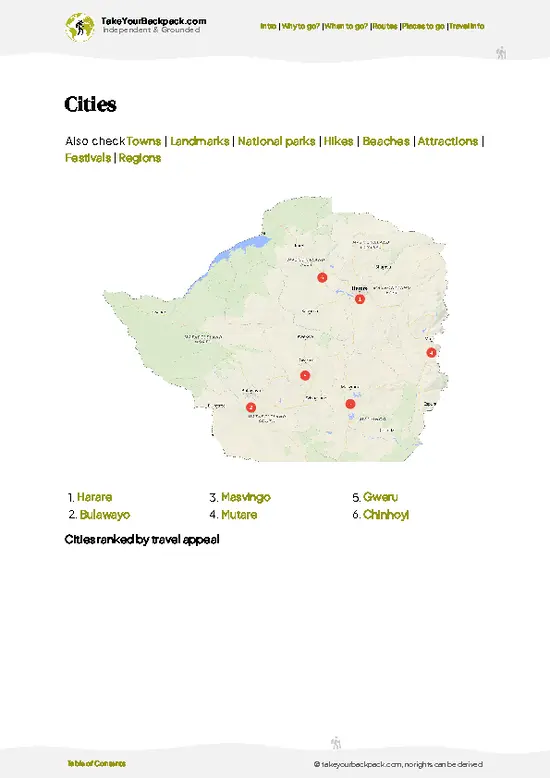
🌟 Highlightcity ranked #4
By Johan Kruseman 🇳🇱 | Updated May 7, 2026

Most backpackers expect Mutare to be a sleepy border town, but here’s the twist: it’s the only city in Zimbabwe where you can hike from the main street into the Bvumba Mountains before your coffee cools. Mutare sits in the far east, hugging the Mozambique border, and it feels like a crossroads—part colonial relic, part mountain outpost. The city’s charm is subtle: faded Art Deco buildings, the Mutare Museum’s oddball collection (yes, there’s a vintage fire engine), and a market where you’ll hear more Portuguese than Shona some days. It’s cheaper than Harare, safer than Bulawayo after dark, but less social—hostels are thin on the ground, so you’ll need to make your own fun. The upside? Fewer touts, more real conversations. If you crave nightlife, you’ll be disappointed, but if you want misty mornings, mountain air, and a city that feels like a secret, Mutare delivers.

Discover everything you want to know in the 📖 Zimbabwe Travel Guide.
Loading the map 🌍
CLICK TO FILTER
city
town
unique site
national park
hike
beach
attraction
festival
region
SHOW COUNTRY‘S BESTSHOW ALL

✨ Why go?
Ranked #4 city in Zimbabwe
What sets this place apart

Mutare is a strategic stop for backpackers weaving through Zimbabwe. It’s not just a place to pass through; it’s a basecamp for adventure. The city offers a good mix of affordable hostels and local eateries, making it easy to stretch your budget while enjoying authentic flavors. You’ll find the streets walkable, so you can soak in the local vibe without needing to rely on transport.

While it may not have the bustling nightlife of bigger cities, the laid-back bars and cafes provide a cozy atmosphere for unwinding after a day of exploration. Plus, it’s a gateway to stunning day trips, allowing you to dive deeper into the region’s natural beauty without the hassle of constant travel.

If you’re looking for a place that balances comfort and value, Mutare fits the bill. It’s perfect for those … read more 👉
Mutare is a strategic stop for backpackers weaving through Zimbabwe. It’s not just a place to pass through; it’s a basecamp for adventure. The city offers a good mix of affordable hostels and local eateries, making it easy to stretch your budget while enjoying authentic flavors. You’ll find the streets walkable, so you can soak in the local vibe without needing to rely on transport.

While it may not have the bustling nightlife of bigger cities, the laid-back bars and cafes provide a cozy atmosphere for unwinding after a day of exploration. Plus, it’s a gateway to stunning day trips, allowing you to dive deeper into the region’s natural beauty without the hassle of constant travel.

If you’re looking for a place that balances comfort and value, Mutare fits the bill. It’s perfect for those who want to experience the essence of Zimbabwe without sacrificing too much time or money. Whether you stay a few days or just overnight, you’ll leave feeling enriched and ready for your next adventure.
Get the complete Travel Guide for Zimbabwe
Everything organized for offline planning — routes, highlights, costs & tips

See what’s inside 👉

Get the Travel Guide -

💡 HighlightsDon't-miss highlights and experiences

  • Mutare Museum — The city’s compact, well-curated museum covering natural history, local archaeology and Manicaland cultural objects; great for understanding the region’s past in one visit.
  • Sakubva Market — The busiest open market in Mutare where you’ll find fresh produce, grilled street food, everyday goods and handcrafts; perfect for people-watching and getting a real feel for local life.
  • Mutare Botanical Gardens — A tidy, shady public garden with indigenous plants, walking paths and birdlife; a peaceful escape from traffic and a good spot for short walks and photos.
  • Mutare Railway Station — The historic terminus with a colonial-era station building and active rail yards; an atmospheric place to see freight and cross-border traffic to Mozambique and feel the city’s transport history.
read more 👉
  • Mutare Museum — The city’s compact, well-curated museum covering natural history, local archaeology and Manicaland cultural objects; great for understanding the region’s past in one visit.
  • Sakubva Market — The busiest open market in Mutare where you’ll find fresh produce, grilled street food, everyday goods and handcrafts; perfect for people-watching and getting a real feel for local life.
  • Mutare Botanical Gardens — A tidy, shady public garden with indigenous plants, walking paths and birdlife; a peaceful escape from traffic and a good spot for short walks and photos.
  • Mutare Railway Station — The historic terminus with a colonial-era station building and active rail yards; an atmospheric place to see freight and cross-border traffic to Mozambique and feel the city’s transport history.
  • Mutare Sports Club (Cricket Ground) — The main local cricket venue where domestic matches and community games bring out passionate crowds; a fun, lively way to experience local sporting culture.
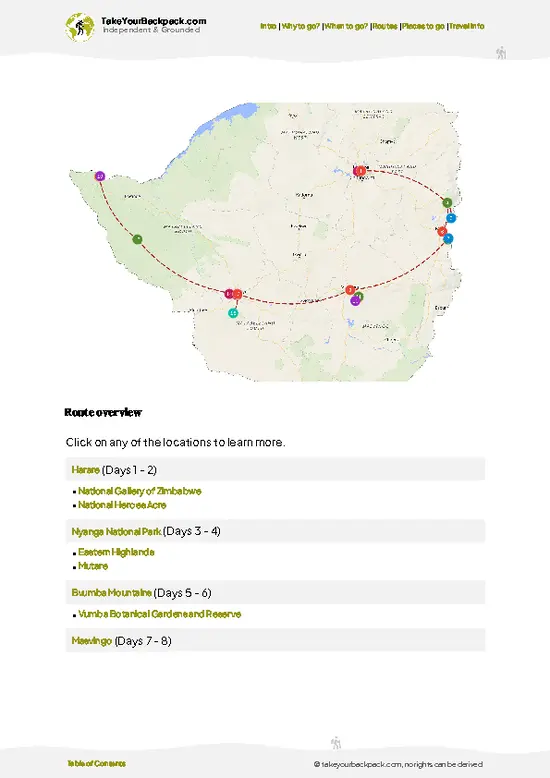
Nearby day-trip highlights outside the city: the Chimanimani Mountains (my personal favorite), Nyanga National Park, the Bvumba/Vumba Mountains and Birchenough Bridge.
Spotted a mistake or missing something? Contact us.

🏘️ NeighborhoodsNeighborhood guide to Mutare

Mutare, a bustling city in Zimbabwe, offers a unique blend of culture and accessibility for backpackers. Here’s how its neighborhoods stack up:

City Center: This is the heartbeat of Mutare. You’ll find markets, shops, and street vendors. It’s walkable, with plenty of budget-friendly accommodations. The nightlife is low-key, perfect for winding down after a day of exploring. Ideal for short stays, you can easily access transport to other regions.

Chimanimani Road: A quieter area with a more residential vibe. Here, you’ll find guesthouses that offer a homely feel. It’s less walkable, but the tranquility is worth it. Great for longer stays if you want to escape the hustle. Public transport is available, but you might need to plan ahead.

Dangamvura: This neighborhood has a vibrant local scene. … read more 👉
Mutare, a bustling city in Zimbabwe, offers a unique blend of culture and accessibility for backpackers. Here’s how its neighborhoods stack up:

City Center: This is the heartbeat of Mutare. You’ll find markets, shops, and street vendors. It’s walkable, with plenty of budget-friendly accommodations. The nightlife is low-key, perfect for winding down after a day of exploring. Ideal for short stays, you can easily access transport to other regions.

Chimanimani Road: A quieter area with a more residential vibe. Here, you’ll find guesthouses that offer a homely feel. It’s less walkable, but the tranquility is worth it. Great for longer stays if you want to escape the hustle. Public transport is available, but you might need to plan ahead.

Dangamvura: This neighborhood has a vibrant local scene. It’s a bit further from the center, but the cost of living is lower. You’ll find local eateries and shops that give you a taste of everyday life. Nightlife is minimal, making it suitable for those seeking peace. Good for longer stays, but transport options can be limited.

Mutare West: A more upscale area with parks and green spaces. It’s less walkable, but the surroundings are serene. Accommodations here are pricier, catering to those who value comfort. Ideal for short stays if you want a break from the city buzz, but transport can be a hassle.

⌛️ 1 dayA smart one-day plan

Mutare, Zimbabwe, is a city that hums with the rhythm of everyday life, nestled near the eastern highlands. It’s a place where the vibrant local culture meets stunning natural beauty, making it a perfect spot for a day of exploration.

Start your morning at the bustling Mutare Market. The air is thick with the scent of fresh produce and spices. Vendors call out, showcasing colorful fruits and handmade crafts. Grab a local breakfast—perhaps a plate of sadza with vegetables—and soak in the lively atmosphere. This is where you’ll feel the pulse of the city, surrounded by locals going about their daily routines.

After fueling up, head to the nearby Mutare Museum. It’s often overlooked by tourists, but it offers a fascinating glimpse into the region’s history and culture. The exhibits range from … read more 👉
Mutare, Zimbabwe, is a city that hums with the rhythm of everyday life, nestled near the eastern highlands. It’s a place where the vibrant local culture meets stunning natural beauty, making it a perfect spot for a day of exploration.

Start your morning at the bustling Mutare Market. The air is thick with the scent of fresh produce and spices. Vendors call out, showcasing colorful fruits and handmade crafts. Grab a local breakfast—perhaps a plate of sadza with vegetables—and soak in the lively atmosphere. This is where you’ll feel the pulse of the city, surrounded by locals going about their daily routines.

After fueling up, head to the nearby Mutare Museum. It’s often overlooked by tourists, but it offers a fascinating glimpse into the region’s history and culture. The exhibits range from ancient artifacts to contemporary art, giving you a well-rounded understanding of the area. Spend an hour or so here; it’s a peaceful escape that adds depth to your visit.

In the afternoon, make your way to the scenic Bvumba Mountains. Just a short drive from the city, these hills offer breathtaking views and a chance to stretch your legs. Take a leisurely hike along one of the trails, where you might spot colorful birds and lush flora. The fresh air and stunning vistas are a refreshing contrast to the city’s hustle.

As evening approaches, return to Mutare and explore the charming suburb of Dangamvura. Here, you’ll find local eateries where you can enjoy traditional Zimbabwean dishes. Try the grilled meat skewers, known as “braai,” paired with a cold beverage.

End your day by soaking in the local vibe at a nearby bar or café, where you can chat with locals and reflect on your day. In just one day, you’ve tasted the heart of Mutare, balancing time, money, and comfort for a truly enriching experience.
Build the Right Itinerary
Use the Zimbabwe Travel Guide’s 5, 10 & 15-day routes as a starting point to plan a trip that actually works on the ground.

Get the Travel Guide -

🌤️ When to go?Best time to visit Mutare


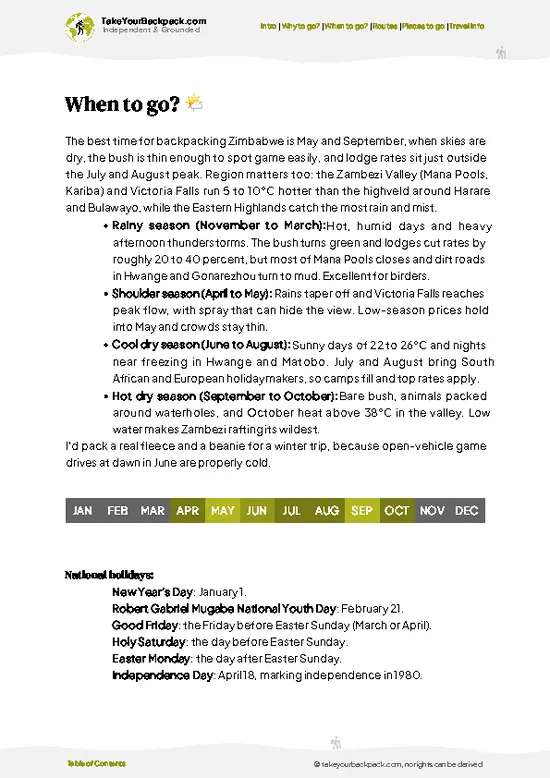
  • Weather: Mutare’s climate swings between a wet season from November to March, bringing heavy rains that can turn trails into mudslides, and a dry season from April to October, which is far better for hiking and exploring without soggy boots.

  • Temperature: Daytime highs in the dry season hover around 20-25°C (68-77°F), perfect for outdoor activities without overheating. Wet season temps climb slightly higher, often reaching 27-30°C (81-86°F), but humidity can make it feel sticky and exhausting.

  • Daylight Hours: Near the equator, daylight is stable year-round, roughly 12 hours daily, so you won’t lose precious hiking time regardless of when you visit.

  • Crowds: Peak tourist flow aligns with the dry season, especially July and August, when locals and visitors alike escape the heat elsewhere.
read more 👉

  • Weather: Mutare’s climate swings between a wet season from November to March, bringing heavy rains that can turn trails into mudslides, and a dry season from April to October, which is far better for hiking and exploring without soggy boots.

  • Temperature: Daytime highs in the dry season hover around 20-25°C (68-77°F), perfect for outdoor activities without overheating. Wet season temps climb slightly higher, often reaching 27-30°C (81-86°F), but humidity can make it feel sticky and exhausting.

  • Daylight Hours: Near the equator, daylight is stable year-round, roughly 12 hours daily, so you won’t lose precious hiking time regardless of when you visit.

  • Crowds: Peak tourist flow aligns with the dry season, especially July and August, when locals and visitors alike escape the heat elsewhere. This means more company on trails but also better-maintained facilities.

  • Seasonal Activities: The dry months unlock the best trekking conditions and wildlife spotting, while the wet season offers lush landscapes and fewer tourists but risks trail closures and leeches.

  • Price Fluctuations: Accommodation and tours spike in the dry season’s peak months. The wet season sees lower prices but comes with the trade-off of unpredictable weather and limited access.


Pro-tip: Aim for the shoulder months of April or October—dry enough for comfort, fewer crowds, and better deals. You’ll feel like you’ve cracked the code on Mutare’s timing.


source: climatestotravel.comJANJanuary: fair for travelingFEBFebruary: fair for travelingMARMarch: fair for travelingAPRApril: highly recommended for travelingMAYMay: excellent for travelingJUNJune: excellent for travelingJULJuly: highly recommended for travelingAUGAugust: highly recommended for travelingSEPSeptember: excellent for travelingOCTOctober: highly recommended for travelingNOVNovember: fair for travelingDECDecember: fair for traveling
when-to-go

✈️ The backpacker research shortcutZimbabwe Travel Guide

An offline-friendly backpacking guide with optimized travel routes, ranked highlights, transport advice, and the best areas to stay.
example page 0 from our offline Travel Guide for Zimbabweexample page 1 from our offline Travel Guide for Zimbabweexample page 2 from our offline Travel Guide for Zimbabweexample page 3 from our offline Travel Guide for Zimbabweexample page 4 from our offline Travel Guide for Zimbabweexample page 5 from our offline Travel Guide for Zimbabwe
The digital guide (307 pages) contains:
90 highlights, ranked by travel appeal
Optimized 5, 10 & 15-day travel routes
Best neighborhoods to stay
How to get around
Offline-friendly for travel without Wi-Fi
👉 See all 30+ guide features

📅 Plan smarter in minutes, not weeks
Month by month travel advice
Festivals & national holidays
Budget expectations

🗺️ Go to the right places, skip the overrated ones
Honest pros & cons of destinations
Top hikes, parks & viewpoints
Lesser-known places most travelers miss
Clear “worth it vs skip it” guidance

🛏️ Travel smoothly without rookie mistakes
Best areas to stay
Transport systems explained simply
Common scams & safety advice
SIM cards, money & practical tips

🌍 Understand the country, not just visit it
Culture & traditions
52 Essential phrases & customs
Festivals worth planning around
Traveler-friendly historical context
Insights that make places more meaningful

📱 Built for real travel conditions
Fully downloadable PDF
Works completely offline
Optimized for phone use
Useful in remote areas & buses
Everything in one place
Save weeks of stressful planning
Get instant access to the full guide directly. 30-day money-back guarantee.


Sent to your inbox immediately after payment • 100% Secure Checkout
Best Backpacking Travel Advisor 2025 tourism awardBest Backpacking
Travel Advisor
2025
What others say about Take Your Backpack Guides:
⭐⭐⭐⭐⭐
Fantastic, amazing amount of information!
⭐⭐⭐⭐⭐
My goodness this is amazing, it's what I've been looking for hats off too you!
⭐⭐⭐⭐⭐
I think this is absolutely BRILLIANT
⭐⭐⭐⭐
Very complete and informative. It's still missing places, but I gotta to commend you
⭐⭐⭐⭐⭐
This is truly amazing, thank you, can't wait to explore it with my kids!
⭐⭐⭐⭐⭐
Awesome resource, thank you!
⭐⭐⭐⭐⭐
This is amazing! Can't wait to explore the ones I haven't seen
⭐⭐⭐⭐
I love this! Well done, great idea.
⭐⭐⭐⭐⭐
Thanks for taking the time to make this gem!
⭐⭐⭐⭐⭐
This might be the best website I've ever seen.
⭐⭐⭐⭐⭐
Congratulations, and thank you so much for your work; it's incredibly valuable.
⭐⭐⭐⭐
In all seriousness I think you did a great job pointing out the important spots
⭐⭐⭐⭐⭐
10/10 very good
⭐⭐⭐⭐⭐
As someone who's only just starting to visit regularly this is awesome, thank you.
⭐⭐⭐⭐
Thank you very much! I'm going to visit my dad, it's going to be very useful!
⭐⭐⭐⭐⭐
This is really cool! We'll be travelling for the first time and this definitely come in handy.
⭐⭐⭐⭐⭐
You are now our minister of culture, congratulations 👨‍💼
⭐⭐⭐⭐⭐
Just wanted to tell you that this is a pearl! Going to follow your recommendations.
⭐⭐⭐⭐⭐
This is so cool. I'll definitely be using the resource for my travels soon.
⭐⭐⭐⭐⭐
This is very impressive! Good work.
⭐⭐⭐⭐⭐
This is an amazing and informative site. Very well done!

🛏️ Where to stay?Where staying makes the most sense

In Mutare, the backpacker sweet spot is the city center and its immediate surroundings. This area strikes a solid balance between safety, social buzz, and budget-friendly options. Staying here means you’re close to the pulse—cafés, markets, and transport hubs—without wandering into sketchier zones that pop up on the outskirts. The city center’s streets are walkable, which is a huge win when you want to save on transport and soak in local life.

Hostel options cluster around this core, catering to solo travelers and budget adventurers who want to swap stories over a cold drink or plan day trips … read more 👉
In Mutare, the backpacker sweet spot is the city center and its immediate surroundings. This area strikes a solid balance between safety, social buzz, and budget-friendly options. Staying here means you’re close to the pulse—cafés, markets, and transport hubs—without wandering into sketchier zones that pop up on the outskirts. The city center’s streets are walkable, which is a huge win when you want to save on transport and soak in local life.

Hostel options cluster around this core, catering to solo travelers and budget adventurers who want to swap stories over a cold drink or plan day trips to nearby natural attractions. The vibe here is relaxed but lively enough to meet fellow backpackers without the forced social scene you sometimes get in bigger tourist hubs. Compared to the quieter, more residential neighborhoods, the city center keeps you plugged into the action without sacrificing safety.

If you stray too far east or south, you’ll find fewer traveler-friendly spots and more local residential areas that don’t offer much in terms of social or budget accommodation. So, for a smart, efficient base that maximizes your time and comfort without blowing your budget, the city center and its fringes are your best bet.

🚌 Getting aroundHow to get from A to B

Mutare moves at its own rhythm—neither a frantic rush nor a laid-back drift. It’s a city where schedules exist but bend to the realities of local life. You’ll find that time here is a flexible currency, traded with a wink rather than a strict ledger. The streets pulse with a mix of predictability and improvisation, where a bus might leave on the hour or linger until it’s full, and walking is as much a choice of pace as it is necessity. Understanding this flow is your first win: it’s about balancing patience with smart moves, knowing when to save minutes and when to savor the slower moments.


  • Walking: The ultimate budget option and the best way to absorb Mutare’s character. Most central spots are within a 20-30 minute stroll. Free, obviously, and perfect for spontaneous detours, but not
read more 👉
Mutare moves at its own rhythm—neither a frantic rush nor a laid-back drift. It’s a city where schedules exist but bend to the realities of local life. You’ll find that time here is a flexible currency, traded with a wink rather than a strict ledger. The streets pulse with a mix of predictability and improvisation, where a bus might leave on the hour or linger until it’s full, and walking is as much a choice of pace as it is necessity. Understanding this flow is your first win: it’s about balancing patience with smart moves, knowing when to save minutes and when to savor the slower moments.


  • Walking: The ultimate budget option and the best way to absorb Mutare’s character. Most central spots are within a 20-30 minute stroll. Free, obviously, and perfect for spontaneous detours, but not ideal if you’re hauling gear or racing the clock.


  • Minibus Taxis: The backbone of local transit. They run from early morning (around 6:30 AM) until late evening (around 9 PM). Fares hover around a few Zimbabwean dollars, making them cheap but often crowded and unpredictable in timing. They’re fast when full but expect stops and starts as they pick up passengers.


  • Shared Kombis: Slightly more comfortable than minibuses, these vans offer a bit more space and a smoother ride. They follow main routes but can be less frequent, especially outside peak hours. Prices are marginally higher but still budget-friendly. They tend to leave once full, so timing depends on passenger flow.


  • Local Buses: Scheduled and more spacious, these buses operate on fixed routes with set times, usually starting around 7 AM and ending by 6 PM. Tickets cost a bit more than minibuses but offer a more reliable and comfortable ride. Ideal if you want to avoid the chaos but still keep costs low.


  • Motorcycle Taxis (Zupco Bikes): For short hops or when time is tight, these are quick and nimble, weaving through traffic with ease. Prices vary but remain affordable. They’re less comfortable and riskier, so best for solo travelers who prioritize speed over comfort.


Mastering Mutare’s transit means knowing when to walk, when to squeeze into a minibus, and when to splurge a little for comfort or speed. Each choice trades time, money, and ease differently—your job is to pick the combination that fits your pace and priorities.

👛 Costs (as of 4 July 2025)How expensive it really is

Backpacking in Mutare, Zimbabwe, presents a clear trade-off between cost and comfort, with prices reflecting the city’s modest tourism infrastructure and local economy. Here’s how your daily expenses typically break down:
  • Dorm Accommodation (High Season): Expect to pay around $10 to $15 per night in basic hostels or guesthouses. These places offer the essentials—clean beds and security—but little in the way of extras.
  • Dorm Accommodation (Off-Season): Prices drop to about $7 to $12, giving you a bit more breathing room in your budget if you’re flexible with timing.
  • Meals: Local eateries serve filling meals for $3 to $6 each. Sticking to street food or small cafes keeps costs low, but expect simple, hearty fare rather than gourmet options.
  • Local Transport: Minibus taxis and shared rides
read more 👉
Backpacking in Mutare, Zimbabwe, presents a clear trade-off between cost and comfort, with prices reflecting the city’s modest tourism infrastructure and local economy. Here’s how your daily expenses typically break down:
  • Dorm Accommodation (High Season): Expect to pay around $10 to $15 per night in basic hostels or guesthouses. These places offer the essentials—clean beds and security—but little in the way of extras.
  • Dorm Accommodation (Off-Season): Prices drop to about $7 to $12, giving you a bit more breathing room in your budget if you’re flexible with timing.
  • Meals: Local eateries serve filling meals for $3 to $6 each. Sticking to street food or small cafes keeps costs low, but expect simple, hearty fare rather than gourmet options.
  • Local Transport: Minibus taxis and shared rides dominate, costing roughly $0.50 to $1 per trip within the city. It’s cheap but can be crowded and unpredictable in schedule.
  • City Transport Pass: There isn’t a formal city transport pass system in Mutare, so budgeting for individual rides is necessary. Factor in about $3 to $5 daily if you plan to move around frequently.
  • Basic Activities/Entry Fees: Visiting local parks or museums typically costs between $2 and $5. These modest fees support conservation and cultural preservation but don’t add much to your daily spend.
  • Miscellaneous Expenses: Budget $2 to $4 for things like bottled water, snacks, or small tips. These add up but remain manageable with a bit of planning.

Altogether, you’re looking at a daily budget ranging from roughly $15 on a shoestring in the off-season to about $30 if you lean toward more comfort or high-season rates. This range lets you decide where to tighten or loosen the purse strings, turning your travel budget into a strategic game rather than a guessing exercise.
⚠️ Prices can change and everyone travels differently, so take this as a rough guide. Hope it helps you plan your adventure!

🚌 Day tripsEasy escapes and nearby places

Mutare, Zimbabwe, is a fantastic launchpad for day trips that blend adventure with cultural immersion. Here are some standout options that make the most of your time, money, and comfort.

Nyanga National Park
Just a 90-minute drive from Mutare, Nyanga National Park offers breathtaking landscapes and a chance to hike among the highest peaks in Zimbabwe. The park is known for its lush greenery, cascading waterfalls, and rich biodiversity. Expect to pay around $10 for park entry and a few extra bucks for a guide if you want to explore deeper trails. The best time to visit is during the dry season from May to October, when the weather is cooler and the trails are more accessible. A common mistake is underestimating the weather; pack layers, as it can get chilly at higher elevations.
👉 Explore read more 👉
Mutare, Zimbabwe, is a fantastic launchpad for day trips that blend adventure with cultural immersion. Here are some standout options that make the most of your time, money, and comfort.

Nyanga National Park
Just a 90-minute drive from Mutare, Nyanga National Park offers breathtaking landscapes and a chance to hike among the highest peaks in Zimbabwe. The park is known for its lush greenery, cascading waterfalls, and rich biodiversity. Expect to pay around $10 for park entry and a few extra bucks for a guide if you want to explore deeper trails. The best time to visit is during the dry season from May to October, when the weather is cooler and the trails are more accessible. A common mistake is underestimating the weather; pack layers, as it can get chilly at higher elevations.
👉 Explore Nyanga National Park

Chimanimani Mountains
About two hours from Mutare, the Chimanimani Mountains are a hiker’s paradise. The rugged terrain and stunning views make it worth the trip. You can tackle various trails, from easy walks to more challenging hikes. Budget around $5 for park fees, plus transportation costs. The dry season is ideal for hiking, but be cautious of sudden weather changes. First-timers often overlook the importance of good footwear; sturdy boots will save you from blisters and discomfort.


Vumba Botanical Gardens
A mere 30-minute drive from Mutare, the Vumba Botanical Gardens are a peaceful retreat. You’ll find a variety of indigenous plants and a serene atmosphere perfect for a leisurely stroll. Entry is usually around $2, making it a budget-friendly option. The gardens are beautiful year-round, but visiting in spring (September to November) offers a burst of color. Many visitors rush through; take your time to enjoy the tranquility and maybe even pack a picnic.


Mutare Museum
Right in the city, the Mutare Museum is a quick and enriching stop. It showcases the history and culture of the region, with exhibits ranging from archaeology to local crafts. Entry is typically less than $5, making it an easy addition to your itinerary. The museum is open year-round, but weekdays tend to be quieter. First-timers often miss the guided tours; they provide invaluable context that enhances your experience.


Dangamvura Mountain
Just a short drive from the city center, Dangamvura Mountain offers a quick escape into nature. The hike is relatively easy and rewards you with panoramic views of Mutare and the surrounding area. It’s free to access, making it a perfect option for budget travelers. Early mornings or late afternoons are the best times to go, avoiding the midday heat. A common pitfall is not bringing enough water; stay hydrated to enjoy the trek fully.
Want to know what more Zimbabwe offers?
The Zimbabwe Travel Guide describes 90 highlights, from cities to national parks, from beaches to hikes

Get the Travel Guide -

🍲 FoodWhat to Eat & Drink

In Mutare, local cuisine is a vibrant tapestry of flavors that tells the story of its people. You can’t miss trying sadza, a staple made from maize meal, often served with a rich stew of beef or chicken. The texture is comforting, and it’s the perfect vehicle for soaking up the savory goodness. Pair it with muriwo, a sautéed leafy green dish that adds a fresh crunch to your meal.

Street food is where the heart of Mutare beats. Vendors line the streets, offering samosas and chicken skewers that are crispy on the outside and bursting with flavor inside. Grab a few and enjoy them while mingling with locals; it’s a great way to soak in the atmosphere.

When it comes to drinks, don’t overlook maheu, a fermented maize drink that’s both refreshing and slightly tangy. It’s a local favorite, often … read more 👉
In Mutare, local cuisine is a vibrant tapestry of flavors that tells the story of its people. You can’t miss trying sadza, a staple made from maize meal, often served with a rich stew of beef or chicken. The texture is comforting, and it’s the perfect vehicle for soaking up the savory goodness. Pair it with muriwo, a sautéed leafy green dish that adds a fresh crunch to your meal.

Street food is where the heart of Mutare beats. Vendors line the streets, offering samosas and chicken skewers that are crispy on the outside and bursting with flavor inside. Grab a few and enjoy them while mingling with locals; it’s a great way to soak in the atmosphere.

When it comes to drinks, don’t overlook maheu, a fermented maize drink that’s both refreshing and slightly tangy. It’s a local favorite, often enjoyed during hot afternoons.

Etiquette here is relaxed, but sharing food is a sign of friendship. If someone offers you a bite, accept it graciously. This communal spirit enhances the experience, making every meal a chance to connect. Embrace the flavors and the warmth of the people; it’s what makes Mutare truly special.

🛡️ SafetySafety Tips and Common Scams in Mutare

Mutare is generally safe for backpackers, but a few situational awareness tips can enhance your experience. Stick to well-lit areas after dark, especially if you’re solo. The city has a friendly vibe, but it’s wise to avoid quiet streets where you might feel isolated.

Common scams are rare, but be cautious with street vendors. While many are genuine, some may inflate prices or offer subpar goods. Always negotiate prices upfront and trust your instincts. If something feels off, it probably is.

Annoyances can include persistent touts, especially near markets. A polite but firm “no, thank you” usually does the trick. Carry your belongings close and avoid flashy displays of wealth. This keeps you low-key and helps you blend in, allowing you to enjoy the local culture without unnecessary distractions.

Other Zimbabwean cities near Mutare

Explore more nearby:

  • Nyanga—mountain scenery, cool climate, trout streams| 84 km away
  • Mutoko—granite quarries, roadside fruit stalls, rural bus hub| 181 km away
  • Harare—urban parks, contemporary art, business district, street markets| 213 km away

👉 Discover all cities

Or checkout all Zimbabwe has to offer (think cities, towns, villages, national parks, hikes, beaches, festivals)
Country photo of Zimbabwe

We 💚 feedbackWhat to keep in mind

Mutare has a unique charm that’s hard to resist. The vibrant local markets pulse with life, offering a taste of authentic Zimbabwean culture that you won’t find in the guidebooks. But here’s the catch: infrastructure can be hit or miss. Expect some delays and less-than-perfect roads. Embrace the unpredictability; it’s part of the adventure. If you’re ready to roll with it, Mutare will reward you with experiences that linger long after you leave.

✈️ When did I visit Zimbabwe?
I have backpacked Zimbabwe all the way back in 2001.

✍️ Help improve this page!
The information on this page is based on my own backpacking experience in Zimbabwe, supplemented with up-to-date research and feedback from other travelers. Travel details can change, so if you notice anything outdated or incomplete, feel free to let me know.


🙋‍♂️ Give feedback

👋 Meet the founderWho’s Behind Take Your Backpack?

Johan, backpacker and founder of TakeYourBackpackHi, I’m Johan (Netherlands 🇳🇱), the creator of TakeYourBackpack. Over the past decade, I’ve backpacked through 80+ countries across six continents, gaining extensive experience with independent travel, long-term trips, and overland routes.

This site is built on a combination of firsthand travel experience and carefully curated insights from other backpackers. Many guides are based on places I’ve personally visited, while others bring together tips, observations, and practical advice shared by trusted travelers I’ve met along the way.

The goal is to provide realistic, experience-driven guidance — not generic itineraries — so you can explore destinations with better context, clearer expectations, and more confidence.

Get Full Country Guide |
Instant download • 90 highlights • Full Offline guide