×

Zimbabwe🇿🇼 | citiesNyangamountain scenery, cool climate, trout streams | things to do and best time to go

Explore ChinhoyiExplore Beitbridge

Backpacking in Nyanga
🌟 Highlightcity ranked #4
By Johan Kruseman 🇳🇱 | Updated June 11, 2026

If you crave nightlife, boutique shopping, or a city that hums after dark, Nyanga will leave you restless. But for backpackers who trade neon for mist and mountain air, Nyanga is a reset button. Tucked in Zimbabwe’s eastern highlands, close to the Mozambique border, this small town is less a destination than a launchpad—think muddy boots, pine-scented mornings, and the hush of valleys that swallow sound. The town itself is modest: a handful of shops, a market with tomatoes and dried fish, and evenings that settle early. It’s not built for wandering urban streets; it’s built for escaping them. Most travelers use Nyanga as a base for hiking Mount Nyangani, chasing waterfalls, or exploring the rolling grasslands of Nyanga National Park. Public minibuses get you here, but you’ll want a lift or a sturdy pair of legs to reach the real scenery. Hostels are sparse, so expect more quiet than camaraderie—though a shared fire or a local guesthouse can spark good conversation. Costs are moderate, safety is solid, and compared to the busier towns of Mutare or Chimanimani, Nyanga feels gentler, slower, and closer to the wild.

Discover everything you want to know in the 📖 Zimbabwe Travel Guide.


Get your Zimbabwe guide
90 ranked highlights, routes & tips, works offline (356 pages)
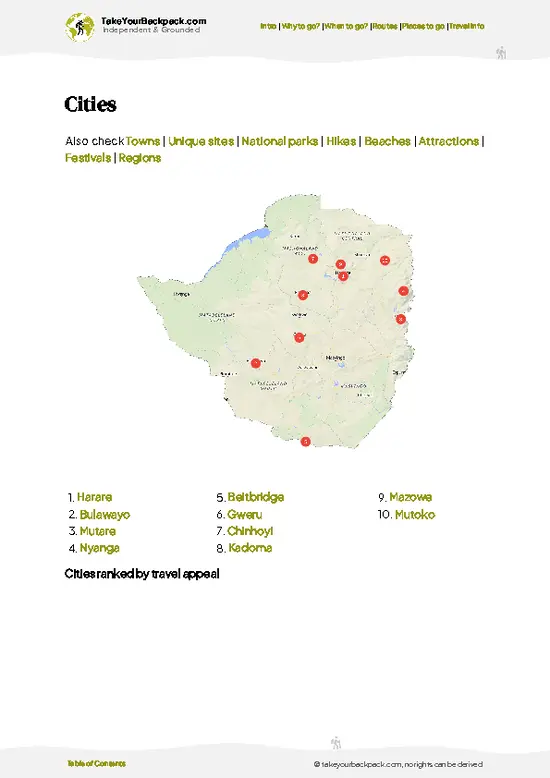
Loading the map 🌍
CLICK TO FILTER
cities
towns
landmarks
national parks
hikes
beaches
attractions
festivals
regions
SHOW COUNTRY’S BESTSHOW ALL

✨ Why go?
Ranked #4 city in Zimbabwe
The unique appeal for travelers

Nyanga, Zimbabwe, is a backpacker’s waypoint that offers a unique blend of convenience and authenticity. Nestled in the Eastern Highlands, it serves as a launchpad for nearby hikes like the breathtaking Nyanga National Park, where trails lead you through lush forests and past cascading waterfalls. The town’s walkable streets make it easy to explore local food stalls and cozy guesthouses, where you can savor traditional dishes like sadza and relish the warmth of local hospitality.

Travelers often find themselves lingering a few days, soaking in the friendly social atmosphere that encourages connections among solo travelers and small groups alike. It’s not a party town; instead, it’s a place for those who appreciate quiet reflection after a day of adventure. The small-scale hostels provide … read more 👉
Nyanga, Zimbabwe, is a backpacker’s waypoint that offers a unique blend of convenience and authenticity. Nestled in the Eastern Highlands, it serves as a launchpad for nearby hikes like the breathtaking Nyanga National Park, where trails lead you through lush forests and past cascading waterfalls. The town’s walkable streets make it easy to explore local food stalls and cozy guesthouses, where you can savor traditional dishes like sadza and relish the warmth of local hospitality.

Travelers often find themselves lingering a few days, soaking in the friendly social atmosphere that encourages connections among solo travelers and small groups alike. It’s not a party town; instead, it’s a place for those who appreciate quiet reflection after a day of adventure. The small-scale hostels provide a sense of community without overwhelming crowds, making it ideal for slow travelers who want to absorb the local culture. Whether you’re gearing up for a hike or just unwinding, Nyanga offers a meaningful pause in your journey, making it more than just a stopover.
Want to include Nyanga in your Zimbabwe route?
Create a personalized Zimbabwe itinerary that includes Nyanga and the places that fit your trip — based on your travel style, budget, and available time. Get your route in seconds.

Generate my trip

💡 HighlightsTop highlights of Nyanga

  1. Nyanga National Park Visitor Centre — the practical jump-off for everything: maps, permits, local tips and short walks. It gives context to the landscape (and who to pay at the gate), so you don’t wander off into private farms by mistake.
  2. Mount Nyangani trailhead — Zimbabwe’s highest peak is a must for hikers. The walk up isn’t technical but the plateau, wind-whipped views and the scramble over granite slabs feel properly wild; sunrise from the top is worth the early alarm.
  3. Ziwa stone ruins and terraces — ancient stonework and terracing tucked into the hills around Nyanga. They aren’t flashy like Great Zimbabwe but visiting them gives a real sense of the long human history on these slopes.
  4. Nyangombe Falls — a compact, lovely waterfall you can reach on a short hike from town. Good for
read more 👉
  1. Nyanga National Park Visitor Centre — the practical jump-off for everything: maps, permits, local tips and short walks. It gives context to the landscape (and who to pay at the gate), so you don’t wander off into private farms by mistake.
  2. Mount Nyangani trailhead — Zimbabwe’s highest peak is a must for hikers. The walk up isn’t technical but the plateau, wind-whipped views and the scramble over granite slabs feel properly wild; sunrise from the top is worth the early alarm.
  3. Ziwa stone ruins and terraces — ancient stonework and terracing tucked into the hills around Nyanga. They aren’t flashy like Great Zimbabwe but visiting them gives a real sense of the long human history on these slopes.
  4. Nyangombe Falls — a compact, lovely waterfall you can reach on a short hike from town. Good for photos, a chilly dip if you’re brave, and a quiet picnic spot away from the main tourist trails.
  5. Nyanga Trout Hatchery / Trout farms — experience local trout-fishing (and often cheap fresh trout on the menu). It’s low-fuss outdoor fun and a tasty, budget-friendly way to eat like a local angler.
  6. Nyanga town market and craft stalls — small but lively: fresh produce, roasted corn, and local crafts. Great for a cheap lunch, bargaining for a carved souvenir, and watching daily life without the safari crowd.
  7. Nyanga Hotel (historic building) — the old hotel is worth a look for atmosphere: colonial timber architecture, a verandah to sip a drink and trade stories with other travelers or locals without spending a fortune.
  8. The mission church and cemetery — modest, quietly historic, and still central to community life. Visiting gives insight into the social history that shaped Nyanga’s schools and clinics.
  9. Local artist and craft workshops — small studios where you can see woodcarvers, weavers and painters at work. It’s more personal than gallery shopping and you can often buy directly from the maker.
  10. Granite kopjes and short town walks — easy half-day strolls over rounded granite outcrops right on the edge of town. Great for rock-scrambling, short viewpoints, and finding old rock paintings tucked into shelters.
A few great day trips just outside Nyanga: Mutarazi Falls, the Honde Valley and the wider Nyanga National Park circuits — my personal favourite for a day trip is the hike up Mount Nyangani.
Spotted a mistake or missing something? Contact us.
🏘️ NeighborhoodsKey areas and districts to know

Nyanga, with its lush landscapes and vibrant culture, offers a unique blend of adventure and relaxation for backpackers. Here’s how to navigate its neighborhoods for the best experience.

Nyanga Town
This is the heart of the action. You’ll find local markets buzzing with energy, where the scent of grilled maize fills the air. Affordable guesthouses line the streets, making it easy to stretch your budget. Walkability is high, so you can explore shops and eateries on foot. Nightlife is low-key, perfect for unwinding after a day of hiking. Ideal for short stays, but you might want to linger longer to soak in the local vibe.

Nyanga National Park Area
If you’re here for the outdoors, this area is a must. It’s quieter, surrounded by towering mountains and lush forests. Accommodation ranges … read more 👉
Nyanga, with its lush landscapes and vibrant culture, offers a unique blend of adventure and relaxation for backpackers. Here’s how to navigate its neighborhoods for the best experience.

Nyanga Town
This is the heart of the action. You’ll find local markets buzzing with energy, where the scent of grilled maize fills the air. Affordable guesthouses line the streets, making it easy to stretch your budget. Walkability is high, so you can explore shops and eateries on foot. Nightlife is low-key, perfect for unwinding after a day of hiking. Ideal for short stays, but you might want to linger longer to soak in the local vibe.

Nyanga National Park Area
If you’re here for the outdoors, this area is a must. It’s quieter, surrounded by towering mountains and lush forests. Accommodation ranges from basic lodges to more upscale options, but expect to pay a bit more for the proximity to nature. Transport can be tricky, so plan ahead. This area is best for longer stays, allowing you to fully explore the trails and waterfalls.

Mutarazi Falls
For those seeking a unique experience, this area is a hidden treasure. The falls are breathtaking, and the atmosphere is serene. Camping options are available, which keeps costs down. It’s less walkable, so a vehicle is recommended. Perfect for a weekend getaway, but you’ll want to stay a few days to fully appreciate the beauty and tranquility.

⌛️ 1 daySeeing the highlights in 24 hours

Nyanga, Zimbabwe, is a hidden treasure nestled in the Eastern Highlands, where the air is crisp and the landscape is a patchwork of lush mountains and vibrant valleys. This town is a gateway to stunning natural beauty and rich cultural experiences, making it a perfect spot for a day of exploration.

Start your morning with a stroll through the Nyanga National Park. The early light filters through the trees, casting dappled shadows on the trail. The scent of damp earth and wildflowers fills the air. Take your time to soak in the sights and sounds, perhaps spotting a few of the local bird species flitting about. The park is home to the breathtaking Mutarazi Falls, which you can reach with a short hike. The roar of the water is invigorating, and the mist on your face feels like nature’s own wake-up … read more 👉
Nyanga, Zimbabwe, is a hidden treasure nestled in the Eastern Highlands, where the air is crisp and the landscape is a patchwork of lush mountains and vibrant valleys. This town is a gateway to stunning natural beauty and rich cultural experiences, making it a perfect spot for a day of exploration.

Start your morning with a stroll through the Nyanga National Park. The early light filters through the trees, casting dappled shadows on the trail. The scent of damp earth and wildflowers fills the air. Take your time to soak in the sights and sounds, perhaps spotting a few of the local bird species flitting about. The park is home to the breathtaking Mutarazi Falls, which you can reach with a short hike. The roar of the water is invigorating, and the mist on your face feels like nature’s own wake-up call.

After a morning of adventure, head into the town for lunch. Try a local eatery like the Nyanga Hotel, where you can savor traditional dishes like sadza and nyama. The atmosphere is relaxed, and the friendly staff will make you feel right at home.

In the afternoon, visit the nearby Pungwe Falls, a bit off the usual tourist path. The journey there is a bit bumpy, but the reward is worth it. The falls are less crowded, allowing you to enjoy the serene beauty in peace. Bring a book or simply sit and listen to the water cascading down, a perfect way to recharge.

As evening approaches, return to Nyanga and explore the local markets. The vibrant colors of handmade crafts and the aroma of street food create a lively atmosphere. Grab a few souvenirs and chat with the vendors; their stories add depth to your experience.

End your day with a sunset view from one of the nearby hills. The sky transforms into a canvas of oranges and purples, a fitting close to a day well spent in this charming town. Each moment in Nyanga feels earned, a reminder that the journey is just as rewarding as the destination.
Turn your Nyanga visit into an Zimbabwe adventure
Build a complete Zimbabwe route with Nyanga, hidden gems, must-see destinations, and realistic travel times included.

Generate my trip

🌤️ When to go?Best time to visit Nyanga


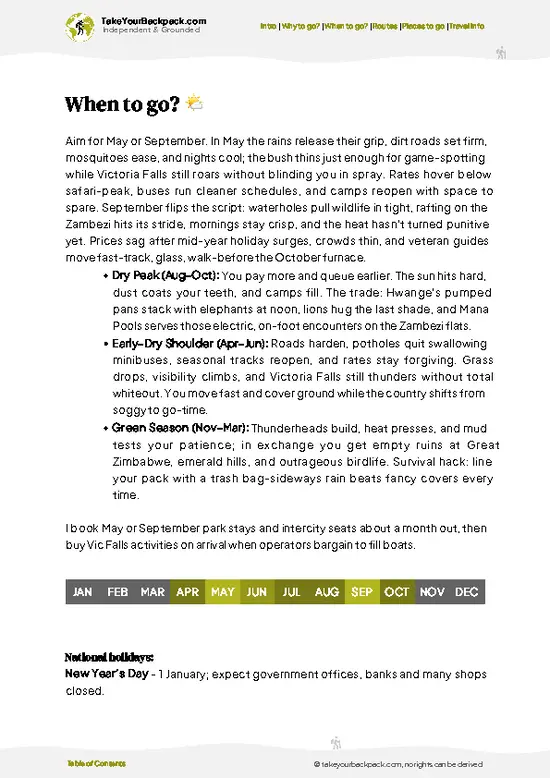
  • Weather: Nyanga’s dry season from May to September offers crisp, clear days with temperatures ranging from 10°C to 22°C (50°F to 72°F). This is when the air feels fresh, and the risk of rain ruining your hike is minimal. The wet season (October to April) brings heavy rains, turning trails muddy and rivers swollen, which can slow you down and dampen spirits.

  • Temperature: Daytime warmth in the dry season is pleasant but evenings can dip to near freezing, especially in June and July. Layering is key—think breathable shirts by day, warm jackets by night. The wet season is warmer, often hitting 25°C to 30°C (77°F to 86°F), but humidity can make it sticky and uncomfortable for long treks.

  • Daylight Hours: Around the dry season, Nyanga enjoys roughly 11 to 12 hours of daylight, giving you ample
read more 👉

  • Weather: Nyanga’s dry season from May to September offers crisp, clear days with temperatures ranging from 10°C to 22°C (50°F to 72°F). This is when the air feels fresh, and the risk of rain ruining your hike is minimal. The wet season (October to April) brings heavy rains, turning trails muddy and rivers swollen, which can slow you down and dampen spirits.

  • Temperature: Daytime warmth in the dry season is pleasant but evenings can dip to near freezing, especially in June and July. Layering is key—think breathable shirts by day, warm jackets by night. The wet season is warmer, often hitting 25°C to 30°C (77°F to 86°F), but humidity can make it sticky and uncomfortable for long treks.

  • Daylight Hours: Around the dry season, Nyanga enjoys roughly 11 to 12 hours of daylight, giving you ample time to explore without rushing. The wet season’s daylight is similar but often clouded, making mornings feel dimmer and shortening your effective hiking window.

  • Crowds: The dry months attract more visitors, especially local tourists during school holidays. Trails and campsites can feel lively but not overcrowded. The wet season sees fewer travelers, offering solitude but at the cost of less predictable conditions.

  • Seasonal Activities: Dry season is prime for hiking, fishing, and horseback riding—activities that thrive on stable weather. The wet season brings lush greenery and waterfalls at their peak, but some trails may be inaccessible or slippery.

  • Price Fluctuations: Expect higher prices for accommodation and tours during the dry season’s peak months (July and August). The wet season offers better deals and more flexible bookings, but factor in potential cancellations due to weather.


Pro-tip: Aim for late May or early September—when the dry season’s freshness meets fewer crowds and moderate prices—so you get the best light, the clearest trails, and a real chance to savor Nyanga’s rugged charm without the hassle.


source: climatestotravel.comJANJanuary: fair for travelingFEBFebruary: fair for travelingMARMarch: fair for travelingAPRApril: good for travelingMAYMay: highly recommended for travelingJUNJune: excellent for travelingJULJuly: excellent for travelingAUGAugust: excellent for travelingSEPSeptember: highly recommended for travelingOCTOctober: fair for travelingNOVNovember: fair for travelingDECDecember: fair for traveling
zimbabwe-city-nyanga
© Google |

✈️ The backpacker research shortcutZimbabwe Travel Guide

An offline-friendly backpacking guide with optimized travel routes, ranked highlights, transport advice, and the best areas to stay.
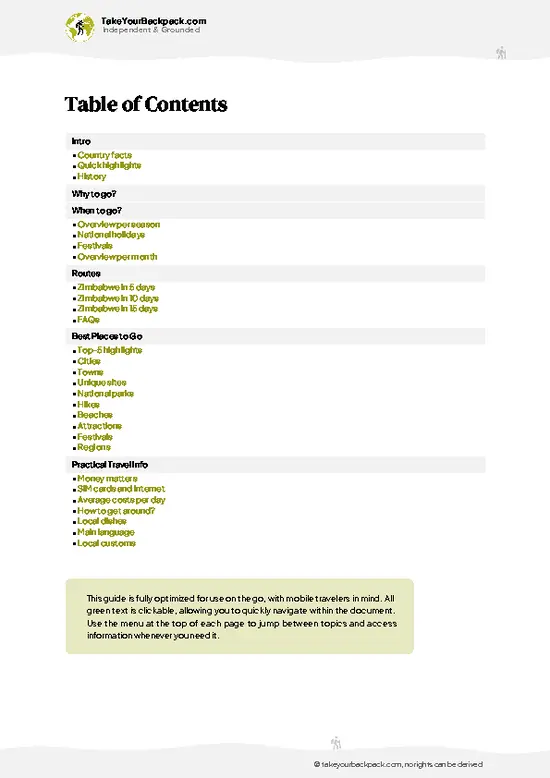
example page 0 from our offline Travel Guide for Zimbabwe
example page 1 from our offline Travel Guide for Zimbabwe
example page 2 from our offline Travel Guide for Zimbabwe
example page 3 from our offline Travel Guide for Zimbabwe
example page 4 from our offline Travel Guide for Zimbabwe
example page 5 from our offline Travel Guide for Zimbabwe
example page 6 from our offline Travel Guide for Zimbabwe
example page 7 from our offline Travel Guide for Zimbabwe
The digital guide (356 pages) contains:
90 highlights, ranked by travel appeal
Optimized 5, 10 & 15-day travel routes
Cities, national parks, landmarks, beaches
How to get around
Offline-friendly for travel without Wi-Fi
👉 Click to see all 30+ guide features

📅 Plan smarter in minutes, not weeks
Month by month travel advice
Festivals & national holidays
Budget expectations

🗺️ Go to the right places, skip the overrated ones
Honest pros & cons of destinations
Top hikes, parks & viewpoints
Lesser-known places most travelers miss
Clear “worth it vs skip it” guidance

🛏️ Travel smoothly without rookie mistakes
Best areas to stay
Transport systems explained simply
Common scams & safety advice
SIM cards, money & practical tips

🌍 Understand the country, not just visit it
Culture & traditions
52 Essential phrases & customs
Festivals worth planning around
Traveler-friendly historical context
Insights that make places more meaningful

📱 Built for real travel conditions
Fully downloadable PDF
Works completely offline
Optimized for phone use
Useful in remote areas & buses
Everything in one place
Save weeks of stressful planning
Get instant access to your full guide. 30‑day money-back guarantee.


By proceeding you agree to our terms.
Sent to your inbox immediately after payment • 100% Secure Checkout
Best Backpacking Travel Advisor 2025 tourism awardBest Backpacking
Travel Advisor
2025
What others say about Take Your Backpack Guides:
⭐⭐⭐⭐⭐
Fantastic, amazing amount of information!
⭐⭐⭐⭐⭐
My goodness this is amazing, it's what I've been looking for hats off too you!
⭐⭐⭐⭐⭐
I think this is absolutely BRILLIANT
⭐⭐⭐⭐
Very complete and informative. It's still missing places, but I gotta to commend you
⭐⭐⭐⭐⭐
This is truly amazing, thank you, can't wait to explore it with my kids!
⭐⭐⭐⭐⭐
Awesome resource, thank you!
⭐⭐⭐⭐⭐
This is amazing! Can't wait to explore the ones I haven't seen
⭐⭐⭐⭐
I love this! Well done, great idea.
⭐⭐⭐⭐⭐
Thanks for taking the time to make this gem!
⭐⭐⭐⭐⭐
This might be the best website I've ever seen.
⭐⭐⭐⭐⭐
Congratulations, and thank you so much for your work; it's incredibly valuable.
⭐⭐⭐⭐
In all seriousness I think you did a great job pointing out the important spots
⭐⭐⭐⭐⭐
10/10 very good
⭐⭐⭐⭐⭐
As someone who's only just starting to visit regularly this is awesome, thank you.
⭐⭐⭐⭐
Thank you very much! I'm going to visit my dad, it's going to be very useful!
⭐⭐⭐⭐⭐
This is really cool! We'll be travelling for the first time and this definitely come in handy.
⭐⭐⭐⭐⭐
You are now our minister of culture, congratulations 👨‍💼
⭐⭐⭐⭐⭐
Just wanted to tell you that this is a pearl! Going to follow your recommendations.
⭐⭐⭐⭐⭐
This is so cool. I'll definitely be using the resource for my travels soon.
⭐⭐⭐⭐⭐
This is very impressive! Good work.
⭐⭐⭐⭐⭐
This is an amazing and informative site. Very well done!

🛏️ Where to stay?How to pick the right area

Nyanga’s backpacker scene centers around the town’s small but lively core, where the air carries the fresh scent of pine and damp earth from the nearby mountains. Staying near the main street is your best bet—this area hums with local life and offers easy access to markets, eateries, and transport links. It’s not just about convenience; the vibe here is quietly social, with a mix of fellow travelers and locals who are open and welcoming without the forced friendliness you sometimes get in tourist traps.

Compared to the quieter residential outskirts, which feel safe but isolated, the town center … read more 👉
Nyanga’s backpacker scene centers around the town’s small but lively core, where the air carries the fresh scent of pine and damp earth from the nearby mountains. Staying near the main street is your best bet—this area hums with local life and offers easy access to markets, eateries, and transport links. It’s not just about convenience; the vibe here is quietly social, with a mix of fellow travelers and locals who are open and welcoming without the forced friendliness you sometimes get in tourist traps.

Compared to the quieter residential outskirts, which feel safe but isolated, the town center pulses with a low-key energy that’s perfect for solo backpackers looking to connect without the noise of a big city. Hostels and budget lodgings cluster here, often tucked behind modest storefronts or down leafy side streets, giving you a chance to slip into a community vibe after a day of hiking or exploring.

The light in this part of Nyanga softens as the sun dips behind the hills, casting long shadows and cooling the air—ideal for swapping stories over a fire or a local brew. This neighborhood balances safety, social opportunities, and budget-friendly options, making it the practical and enjoyable base for your Nyanga adventure.

🚌 Getting aroundMoving around without the hassle

Nyanga moves at its own rhythm—less a strict timetable and more a pulse you catch by tuning in. The town’s pace is shaped by the soft rustle of eucalyptus leaves and the distant call of cattle, not by flashing digital clocks. You’ll find that schedules exist, but they’re suggestions rather than laws. The light here shifts slowly, bathing the streets in a warm, golden haze that invites you to linger, to listen, to absorb. This isn’t a place where you rush; it’s a place where you learn to read the flow, where catching a ride means more than just hopping on—it’s about timing your presence with the local ebb and flow.


  • Walking: Nyanga’s compact center is best explored on foot. The air carries a mix of pine and earth, and the gentle incline of the hills rewards your steps with panoramic views.
read more 👉
Nyanga moves at its own rhythm—less a strict timetable and more a pulse you catch by tuning in. The town’s pace is shaped by the soft rustle of eucalyptus leaves and the distant call of cattle, not by flashing digital clocks. You’ll find that schedules exist, but they’re suggestions rather than laws. The light here shifts slowly, bathing the streets in a warm, golden haze that invites you to linger, to listen, to absorb. This isn’t a place where you rush; it’s a place where you learn to read the flow, where catching a ride means more than just hopping on—it’s about timing your presence with the local ebb and flow.


  • Walking: Nyanga’s compact center is best explored on foot. The air carries a mix of pine and earth, and the gentle incline of the hills rewards your steps with panoramic views. Walking is free, obviously, and lets you soak in the town’s quiet charm at your own pace.


  • Local Minibuses (Combis): These are the backbone of budget transit here. They run roughly from 6:30 AM to 6:00 PM, with fares around $0.50 to $1.00. Expect a lively, sometimes cramped ride where the driver’s horn is your cue to hop on or off. They don’t stick to a strict timetable, so patience and a keen ear for the driver’s calls are your best tools.


  • Shared Taxis: Slightly faster and more direct than minibuses, shared taxis operate on a semi-flexible schedule, mostly between 7:00 AM and 7:00 PM. Fares hover around $2.00. They’re a good option if you want to cover longer distances without the unpredictability of minibuses, but be ready to negotiate and share the ride with locals.


  • Bicycle Rentals: For the adventurous, renting a bicycle offers a perfect blend of speed and freedom. The terrain around Nyanga is hilly but manageable, and cycling lets you chase the scent of pine forests and wildflowers at your own tempo. Rentals cost about $5 to $10 per day, and helmets are a must for safety on the winding roads.


  • Motorbike Taxis (Zemidzos): These are the quickest way to dart through town and reach outlying spots. They operate from dawn till dusk, charging around $1.50 to $3.00 depending on distance. The wind in your face and the scent of damp earth make this a memorable ride, but it’s not for the faint-hearted or those carrying heavy packs.

👛 Costs (as of 4 July 2025)Money, prices, and spending tips

Backpacking in Nyanga, Zimbabwe, offers a raw connection to nature and culture, but knowing the daily costs helps you navigate the town without surprises.
  • Dorm Accommodation: Expect to pay around $10 to $20 USD per night for a bed in a basic guesthouse or backpacker lodge dorm. These places are simple but clean, often with mosquito nets and shared bathrooms. The vibe is low-key, perfect for resting after a day exploring.
  • Meals: Local eateries serve up hearty plates for $3 to $7 USD. Think sadza (cornmeal) with vegetables or meat stews, filling and flavorful without breaking the bank. If you opt for a more tourist-oriented spot, prices can edge closer to $10, but street food and markets keep it affordable.
  • Local Transport: Minibus taxis and shared rides are the norm, costing about $1 to
read more 👉
Backpacking in Nyanga, Zimbabwe, offers a raw connection to nature and culture, but knowing the daily costs helps you navigate the town without surprises.
  • Dorm Accommodation: Expect to pay around $10 to $20 USD per night for a bed in a basic guesthouse or backpacker lodge dorm. These places are simple but clean, often with mosquito nets and shared bathrooms. The vibe is low-key, perfect for resting after a day exploring.
  • Meals: Local eateries serve up hearty plates for $3 to $7 USD. Think sadza (cornmeal) with vegetables or meat stews, filling and flavorful without breaking the bank. If you opt for a more tourist-oriented spot, prices can edge closer to $10, but street food and markets keep it affordable.
  • Local Transport: Minibus taxis and shared rides are the norm, costing about $1 to $3 USD per trip within town or to nearby spots. Walking is also a solid option since Nyanga is compact, but for longer hauls, these minibuses are your go-to for cheap, if sometimes bumpy, rides.
  • Basic Activities/Entry Fees: Entry to Nyanga National Park, a highlight, runs around $10 to $15 USD. Other activities like visiting waterfalls or local craft markets are either free or cost a few dollars. Guided hikes or horse rides can push the budget higher, but you can keep it modest by exploring on your own.
  • Miscellaneous Expenses: Budget $2 to $5 USD for essentials like bottled water, snacks, or small souvenirs. Internet access might be patchy, so consider buying a local SIM card for about $5 to stay connected without overspending.

All told, you’re looking at roughly $25 to $50 USD per day to cover the essentials in Nyanga. It’s a place where the costs stay low enough to keep you moving and curious, without sacrificing the comfort you need to soak in the crisp mountain air and quiet trails.


source: zimbabwetourism.net
⚠️ Prices can change and everyone travels differently, so take this as a rough guide. Hope it helps you plan your adventure!

🚌 Day tripsWhere to go beyond the main area

Nyanga, Zimbabwe, is a backpacker’s dream base, offering a blend of adventure and tranquility. With its lush landscapes and rich culture, you can easily embark on day trips that reveal the heart of this stunning region.

Nyanga National Park
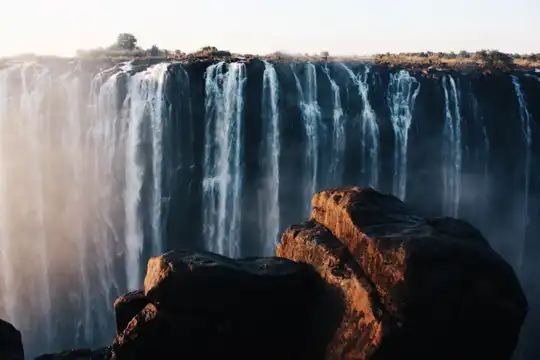
Just a short drive from town, Nyanga National Park is a must-visit. The park is a patchwork of rolling hills, dense forests, and cascading waterfalls. You can hike to the iconic Mutarazi Falls, where the mist cools your skin as you gaze at the plummeting water. Expect to spend about 30 minutes getting there, and the entrance fee is around $5. The best time to visit is during the dry season, from May to October, when the trails are less muddy. A common mistake is underestimating the weather; pack layers, as it can get chilly at higher elevations.
👉 read more 👉
Nyanga, Zimbabwe, is a backpacker’s dream base, offering a blend of adventure and tranquility. With its lush landscapes and rich culture, you can easily embark on day trips that reveal the heart of this stunning region.

Nyanga National Park
Just a short drive from town, Nyanga National Park is a must-visit. The park is a patchwork of rolling hills, dense forests, and cascading waterfalls. You can hike to the iconic Mutarazi Falls, where the mist cools your skin as you gaze at the plummeting water. Expect to spend about 30 minutes getting there, and the entrance fee is around $5. The best time to visit is during the dry season, from May to October, when the trails are less muddy. A common mistake is underestimating the weather; pack layers, as it can get chilly at higher elevations.
👉 Explore Nyanga National Park

Mount Nyangani
For the more adventurous, tackling Mount Nyangani is a rewarding challenge. This is the highest peak in Zimbabwe, and the views from the top are breathtaking. The trek takes about 4-5 hours round trip, so start early to catch the sunrise. The trailhead is about 45 minutes from Nyanga, and you’ll need to pay a small fee for park access. The best months for this hike are from June to August, when the air is crisp and clear. Many first-timers forget to bring enough water; don’t skimp on hydration.


Chimanimani Mountains
A bit further afield, the Chimanimani Mountains offer a different flavor of adventure. The drive takes about an hour, but the rugged beauty is worth it. You can explore the trails or simply soak in the scenery. Expect to pay around $10 for park fees. The dry season is ideal for hiking, but be aware that the weather can change quickly. A common rookie mistake is not checking the trail conditions beforehand; some paths can be overgrown or washed out.


Mutarazi Viewpoint
For a more relaxed outing, head to the Mutarazi Viewpoint. It’s about a 30-minute drive from Nyanga, and the panoramic views of the surrounding valleys are stunning. Bring a picnic to enjoy while soaking in the scenery. The entrance fee is minimal, around $3. The best time to visit is in the late afternoon, when the light casts a golden hue over the landscape. First-timers often rush through; take your time to truly appreciate the moment.
Want to know what more Zimbabwe offers?
The Zimbabwe Travel Guide describes 90 highlights, from cities to national parks, from beaches to hikes

Get the Travel Guide -

🍲 FoodLocal Cuisine & Drinks

Nyanga’s food scene is a playground for anyone ready to dive into Zimbabwe’s heart through its flavors. The spotlight here is on sadza, a thick, comforting porridge made from ground maize, which is the backbone of nearly every meal. It’s usually paired with nyama—grilled or stewed meat that’s smoky and rich, often goat or beef, slow-cooked until tender. Don’t miss the chance to try muboora, a local pumpkin leaf stew that adds a fresh, slightly bitter contrast to the heavier dishes.

Backpackers will find themselves drawn to the open-air markets and street stalls where the air is thick with the scent of roasting meat and simmering greens. These spots are buzzing with locals, making them perfect for soaking up the social rhythm of Nyanga while grabbing a hearty, wallet-friendly meal. Casual … read more 👉
Nyanga’s food scene is a playground for anyone ready to dive into Zimbabwe’s heart through its flavors. The spotlight here is on sadza, a thick, comforting porridge made from ground maize, which is the backbone of nearly every meal. It’s usually paired with nyama—grilled or stewed meat that’s smoky and rich, often goat or beef, slow-cooked until tender. Don’t miss the chance to try muboora, a local pumpkin leaf stew that adds a fresh, slightly bitter contrast to the heavier dishes.

Backpackers will find themselves drawn to the open-air markets and street stalls where the air is thick with the scent of roasting meat and simmering greens. These spots are buzzing with locals, making them perfect for soaking up the social rhythm of Nyanga while grabbing a hearty, wallet-friendly meal. Casual eateries and small cafés offer a chance to sip on maheu, a fermented maize drink that’s mildly sweet and refreshing, or sample chibuku, a traditional sorghum beer that locals enjoy in communal settings.

Eating here isn’t just about food; it’s about connection. Sharing a plate is common, and meals often stretch into lively conversations. Expect to eat with your hands—no fuss, just dive in. Respect for elders at the table is key, and waiting for the host to start before digging in is a quiet nod to local customs. This is food with roots, and every bite tells a story.

🛡️ SafetyScams, Hazards, and Annoyances

Nyanga is generally safe, but like any place, it has its nuances. When wandering the lush landscapes or exploring local markets, keep your belongings close. Pickpocketing can happen in crowded areas, so a crossbody bag is your best friend.

If you’re traveling solo, be mindful after dark. The streets can be quiet, and while locals are friendly, it’s wise to stick to well-lit areas. Trust your instincts; if something feels off, it probably is.

Scams are rare, but be cautious with overly eager guides. They might offer to show you around for a fee, but always clarify costs upfront. Everyday annoyances can include occasional power outages, so having a portable charger can save you from a dead phone when you need directions or to capture that perfect sunset.

Embrace the rhythm of Nyanga, and … read more 👉
Nyanga is generally safe, but like any place, it has its nuances. When wandering the lush landscapes or exploring local markets, keep your belongings close. Pickpocketing can happen in crowded areas, so a crossbody bag is your best friend.

If you’re traveling solo, be mindful after dark. The streets can be quiet, and while locals are friendly, it’s wise to stick to well-lit areas. Trust your instincts; if something feels off, it probably is.

Scams are rare, but be cautious with overly eager guides. They might offer to show you around for a fee, but always clarify costs upfront. Everyday annoyances can include occasional power outages, so having a portable charger can save you from a dead phone when you need directions or to capture that perfect sunset.

Embrace the rhythm of Nyanga, and you’ll find its charm outweighs any minor bumps along the way.

Other Zimbabwean cities near Nyanga

Explore more nearby:

  • Mutare—mountain backdrop, border crossing, timber industry, scenic drives| 84 km away
  • Mutoko—granite quarries, roadside fruit stalls, rural bus hub| 106 km away
  • Harare—urban parks, contemporary art, business district, street markets| 185 km away

💡 Not sure where to go next?
Create a personalized itinerary for Zimbabwe including Nyanga and the places that fit your trip.

Generate my itinerary

👉 Discover all cities

Or checkout all Zimbabwe has to offer (think cities, towns, villages, national parks, hikes, beaches, festivals)
Country photo of Zimbabwe

We 💚 feedbackFinal thoughts on visiting Nyanga

Nyanga’s lush landscapes and crisp mountain air are a breath of fresh life. You’ll find yourself surrounded by towering peaks and vibrant flora, perfect for hiking and reflection. But be ready for the weather; it can shift from sunny to chilly in a heartbeat. Pack layers and embrace the unpredictability. That’s part of the adventure. The payoff? Those stunning views make every step worthwhile.

✈️ When did I visit Zimbabwe?
I have backpacked Zimbabwe all the way back in 2001.

✍️ Help improve this page!
The information on this page is based on my own backpacking experience in Zimbabwe, supplemented with up-to-date research and feedback from other travelers. Travel details can change, so if you notice anything outdated or incomplete, feel free to let me know.


🙋‍♂️ Give feedback

👋 Meet the founderWho’s Behind Take Your Backpack?

Johan, backpacker and founder of TakeYourBackpackHi, I’m Johan (Netherlands 🇳🇱), the creator of TakeYourBackpack. Over the past decade, I’ve backpacked through 80+ countries across six continents, gaining extensive experience with independent travel, long-term trips, and overland routes.

This site is built on a combination of firsthand travel experience and carefully curated insights from other backpackers. Many guides are based on places I’ve personally visited, while others bring together tips, observations, and practical advice shared by trusted travelers I’ve met along the way.

The goal is to provide realistic, experience-driven guidance — not generic itineraries — so you can explore destinations with better context, clearer expectations, and more confidence.

Get full Zimbabwe guide •
Instant download • 90 highlights • Full Offline guide