Transport HubsZimbabwe’s transport hubs are your gateways to adventure, but they come with a mix of convenience and chaos. Major cities often have bus terminals buzzing with life, where you can hop on a shared taxi or a long-distance bus. These options are budget-friendly but can be time-consuming. Expect to navigate crowded terminals and negotiate fares. If you’re in a hurry, consider private transfers, which offer comfort but at a higher cost. The trade-off? Speed versus local immersion. If you choose to travel quickly, you might miss the vibrant street life and spontaneous interactions that make Zimbabwe special.
Urban PacingThe rhythm of urban life varies across Zimbabwe. Some cities pulse with energy, while others offer a slower pace. If you’re looking to explore multiple cities, …
read more 👉 Transport HubsZimbabwe’s transport hubs are your gateways to adventure, but they come with a mix of convenience and chaos. Major cities often have bus terminals buzzing with life, where you can hop on a shared taxi or a long-distance bus. These options are budget-friendly but can be time-consuming. Expect to navigate crowded terminals and negotiate fares. If you’re in a hurry, consider private transfers, which offer comfort but at a higher cost. The trade-off? Speed versus local immersion. If you choose to travel quickly, you might miss the vibrant street life and spontaneous interactions that make Zimbabwe special.
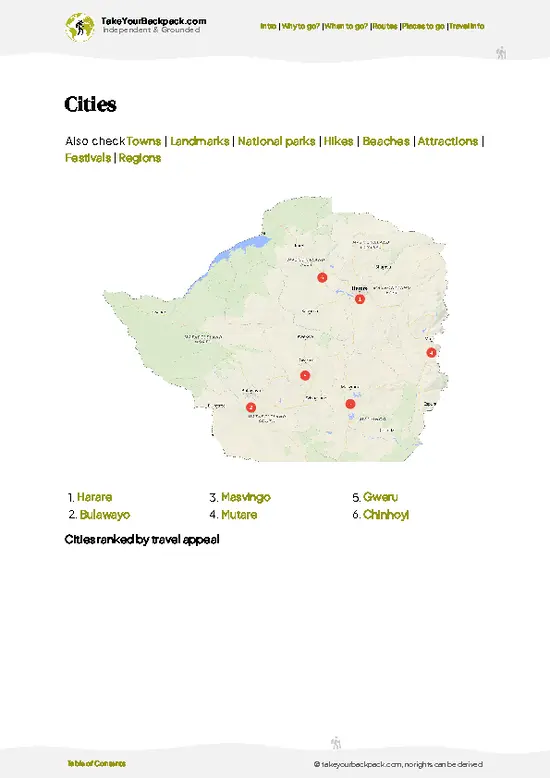
Urban PacingThe rhythm of urban life varies across Zimbabwe. Some cities pulse with energy, while others offer a slower pace. If you’re looking to explore multiple cities, you might find yourself racing from one to the next, sacrificing the chance to soak in the local culture. A good rule of thumb is to aim for two to three cities on a trip, allowing for a balance between exploration and deeper engagement. This way, you can savor local cuisine, chat with residents, and truly appreciate the nuances of each place. The trade-off here is quantity versus quality. More cities mean less time to connect with each one.
Local CostsBudgeting in Zimbabwe requires a keen eye. Costs can fluctuate based on location and the type of experience you seek. Street food is a steal and offers a taste of local flavors, while dining in upscale restaurants can drain your wallet. Transportation costs also vary; public transport is cheap, but it can be unpredictable. If you’re planning to visit multiple cities, factor in the cumulative costs of travel and accommodation. The trade-off? A tighter budget might limit your experiences, while a more flexible one allows for spontaneous adventures. Prioritize what matters most to you—whether it’s a memorable meal or a unique local tour.
Exploring More Cities QuicklyIf you’re tempted to check off as many cities as possible, think about what you might be sacrificing. Quick visits can lead to a superficial understanding of the culture and people. Instead, consider spending a few extra days in a couple of cities. This approach allows you to dive deeper into local traditions, arts, and community life. You’ll find that the stories you gather from locals often outweigh the number of places you visit. The trade-off here is the breadth of experience versus depth. A deeper dive can yield richer memories and connections.
Safety & Cultural ConsiderationsSafety is paramount, and understanding local customs can enhance your experience. Some areas may have specific cultural norms that require sensitivity. Engaging with locals can provide insights into these nuances, making your journey smoother and more rewarding. If you’re moving between cities, be aware of regional differences in safety and hospitality. The trade-off? A cautious approach may limit spontaneous interactions, but it also fosters respect and understanding. Embrace the challenge of navigating these dynamics; it’s part of the adventure.
In Zimbabwe, the choices you make about time, money, and comfort shape your journey. By weighing these trade-offs thoughtfully, you can craft an experience that resonates long after you’ve returned home.