×

Zimbabwe🇿🇼 | citiesGwerumilitary museum, university campus, central plateau, agricultural hub | things to do and best time to go

Explore MutareExplore Chinhoyi

Backpacking in Gweru
👍 Recommendedcity ranked #6
By Johan Kruseman 🇳🇱 | Updated June 10, 2026

Gweru used to be the kind of place where the train would stop, the platform would buzz, and you’d see a parade of uniforms—railway workers, school kids, soldiers—everyone with a purpose. Today, the city feels quieter, less of a crossroads and more of a slow-burning hub in central Zimbabwe, halfway between Harare and Bulawayo. For backpackers, Gweru is a wildcard: you get the National Railway Museum, a handful of colonial-era buildings, and the odd surprise like Antelope Park (yes, lions, but also a whiff of controversy if you care about animal ethics). Costs are lower than in the big cities, but so is the backpacker infrastructure—hostels are rare, and you’ll work for your social life. Safety is decent by Zimbabwean standards, but the vibe is subdued, practical, and a little rough around the edges—think “real Zimbabwe,” not a tourist showcase.

Discover everything you want to know in the 📖 Zimbabwe Travel Guide.


Get your Zimbabwe guide
90 ranked highlights, routes & tips, works offline (356 pages)
Loading the map 🌍
CLICK TO FILTER
cities
towns
landmarks
national parks
hikes
beaches
attractions
festivals
regions
SHOW COUNTRY’S BESTSHOW ALL

✨ Why go?
Ranked #6 city in Zimbabwe
Why Gweru should be on your travel list

Gweru isn’t just a dot on the map; it’s a strategic basecamp for backpackers weaving through Zimbabwe. The city offers a blend of affordability and comfort that makes it easy to settle in. You’ll find a range of hostels that cater to different budgets, often buzzing with fellow travelers sharing stories and tips.

The walkability of Gweru is a huge plus. You can easily explore local markets and eateries, where the food is not only delicious but also easy on the wallet. When night falls, the nightlife is laid-back yet lively, perfect for unwinding after a day of exploration.

Gweru’s location is key for day trips to nearby highlights, allowing you to dive into the heart of Zimbabwe without the hassle of constant travel. Plus, onward travel options are straightforward, making it a breeze to … read more 👉
Gweru isn’t just a dot on the map; it’s a strategic basecamp for backpackers weaving through Zimbabwe. The city offers a blend of affordability and comfort that makes it easy to settle in. You’ll find a range of hostels that cater to different budgets, often buzzing with fellow travelers sharing stories and tips.

The walkability of Gweru is a huge plus. You can easily explore local markets and eateries, where the food is not only delicious but also easy on the wallet. When night falls, the nightlife is laid-back yet lively, perfect for unwinding after a day of exploration.

Gweru’s location is key for day trips to nearby highlights, allowing you to dive into the heart of Zimbabwe without the hassle of constant travel. Plus, onward travel options are straightforward, making it a breeze to continue your journey. If you’re looking for a place that balances value and experience, Gweru might just be your next stop—or a quick pit stop on your adventure.
Want to include Gweru in your Zimbabwe route?
Create a personalized Zimbabwe itinerary that includes Gweru and the places that fit your trip — based on your travel style, budget, and available time. Get your route in seconds.

Generate my trip

💡 HighlightsDon't-miss highlights and experiences

  • Gweru Railway Station — an active, historic station on the Harare-Bulawayo line; solid colonial-era architecture, daily train traffic and a real slice of Zimbabwe’s transport history that’s easy to visit and photograph.
  • Gweru Museum (Regional Museum) — small but focused displays on Midlands culture, local archaeology and traditional crafts; the best place in town to get grounded in the area’s history without wasting time.
  • Midlands State University (MSU) campus — a lively campus with interesting modern and colonial buildings, student art and events; good for a relaxed walk, people-watching and catching local cultural activity.
  • Gweru Golf Club — an established course with mature trees and a welcoming clubhouse; visit for a quiet round, affordable green fees on off-peak days, or a decent
read more 👉
  • Gweru Railway Station — an active, historic station on the Harare-Bulawayo line; solid colonial-era architecture, daily train traffic and a real slice of Zimbabwe’s transport history that’s easy to visit and photograph.
  • Gweru Museum (Regional Museum) — small but focused displays on Midlands culture, local archaeology and traditional crafts; the best place in town to get grounded in the area’s history without wasting time.
  • Midlands State University (MSU) campus — a lively campus with interesting modern and colonial buildings, student art and events; good for a relaxed walk, people-watching and catching local cultural activity.
  • Gweru Golf Club — an established course with mature trees and a welcoming clubhouse; visit for a quiet round, affordable green fees on off-peak days, or a decent meal with locals.
  • Gweru Sports Club (cricket & polo grounds) — the city’s main sports hub where local cricket matches, polo and community events happen; watching a game gives a genuine local vibe and social scene.
Nearby day trips worth your time include Antelope Park (private game reserve with close wildlife experiences), the Danangombe archaeological ruins, and Kwekwe’s mining-related sites; Antelope Park is my personal favorite.
Spotted a mistake or missing something? Contact us.

🏘️ NeighborhoodsUnderstanding the local layout

Gweru, a city rich in culture and history, offers a variety of neighborhoods that cater to different backpacking styles and budgets. Here’s a breakdown to help you navigate your options.

City Center: The heartbeat of Gweru. It’s bustling with shops, cafes, and local markets. Costs are moderate, making it accessible for most budgets. Walkability is high, and you can easily explore on foot. Nightlife is limited, but you’ll find a few bars and eateries. Ideal for short stays where you want to soak in the local vibe quickly.

Mtapa: A quieter residential area. It’s less touristy, giving you a more authentic experience. Prices are lower here, perfect for budget-conscious travelers. While it’s not as walkable, local transport is available. This area is better suited for longer stays, allowing you … read more 👉
Gweru, a city rich in culture and history, offers a variety of neighborhoods that cater to different backpacking styles and budgets. Here’s a breakdown to help you navigate your options.

City Center: The heartbeat of Gweru. It’s bustling with shops, cafes, and local markets. Costs are moderate, making it accessible for most budgets. Walkability is high, and you can easily explore on foot. Nightlife is limited, but you’ll find a few bars and eateries. Ideal for short stays where you want to soak in the local vibe quickly.

Mtapa: A quieter residential area. It’s less touristy, giving you a more authentic experience. Prices are lower here, perfect for budget-conscious travelers. While it’s not as walkable, local transport is available. This area is better suited for longer stays, allowing you to immerse yourself in daily life.

Gweru South: A mix of residential and commercial spaces. It’s a bit more upscale, with higher costs but also better amenities. Walkability is decent, and you’ll find some nightlife options. Great for those who want a balance of comfort and local culture, making it suitable for both short and extended visits.

Gweru East: More rural and laid-back. It’s a bit off the beaten path, which means lower costs but limited transport options. The vibe is peaceful, perfect for those seeking tranquility. Best for longer stays where you can unwind and explore the surrounding nature.

⌛️ 1 dayHow to make the most of one day

Gweru, Zimbabwe, is a city that pulses with local life and history, often overlooked by travelers rushing to bigger destinations. It’s a place where you can feel the heartbeat of Zimbabwean culture, with friendly locals and a laid-back vibe that invites exploration.

Start your day in the bustling neighborhood of Mkoba. Grab breakfast at a local café, where you can savor a hearty plate of sadza and eggs. The flavors are simple yet satisfying, and the atmosphere is filled with laughter and chatter. After fueling up, head to the nearby Gweru Military Museum. This spot isn’t on every tourist’s radar, but it offers a fascinating glimpse into Zimbabwe’s military history, complete with vintage vehicles and informative exhibits.

In the afternoon, make your way to the city center. Stroll through … read more 👉
Gweru, Zimbabwe, is a city that pulses with local life and history, often overlooked by travelers rushing to bigger destinations. It’s a place where you can feel the heartbeat of Zimbabwean culture, with friendly locals and a laid-back vibe that invites exploration.

Start your day in the bustling neighborhood of Mkoba. Grab breakfast at a local café, where you can savor a hearty plate of sadza and eggs. The flavors are simple yet satisfying, and the atmosphere is filled with laughter and chatter. After fueling up, head to the nearby Gweru Military Museum. This spot isn’t on every tourist’s radar, but it offers a fascinating glimpse into Zimbabwe’s military history, complete with vintage vehicles and informative exhibits.

In the afternoon, make your way to the city center. Stroll through the vibrant streets, stopping at local markets where you can pick up handmade crafts and fresh produce. Engage with vendors; they love sharing stories about their goods. If you’re lucky, you might catch a local performance or a spontaneous gathering.

As the sun begins to dip, head to the Gweru River. It’s a peaceful spot to unwind, and you can often find locals fishing or enjoying a picnic. Bring a book or just sit back and soak in the scenery. For dinner, try a local eatery in the city center. The grilled meats and traditional dishes will give you a true taste of Zimbabwean cuisine.

End your day with a leisurely walk through the streets, where the warmth of the community lingers in the air. Gweru may not be the flashiest destination, but its charm lies in the connections you make and the stories you gather along the way.
Turn your Gweru visit into an Zimbabwe adventure
Build a complete Zimbabwe route with Gweru, hidden gems, must-see destinations, and realistic travel times included.

Generate my trip

🌤️ When to go?Choosing the right time of year


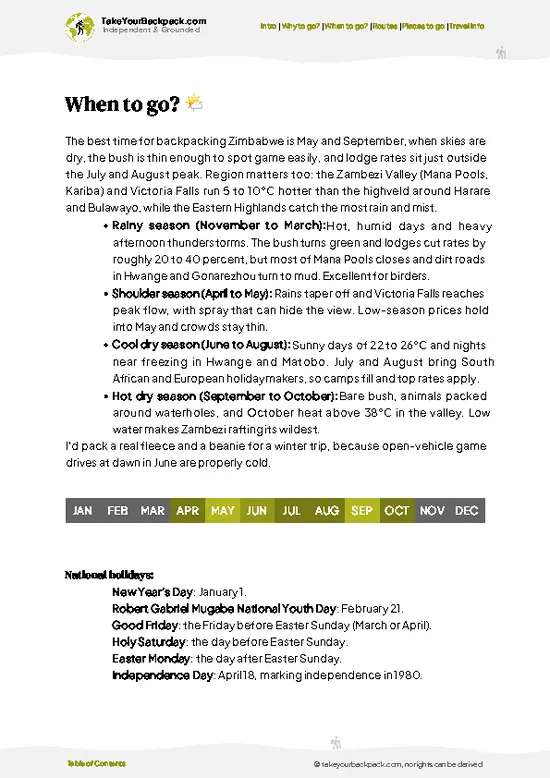
  • Weather: Gweru’s climate is subtropical highland, meaning dry winters and wet summers. The rainy season runs from November to March, bringing heavy afternoon storms that can turn dirt roads into mud traps—great for adventure, but a hassle for steady travel.

  • Temperature: From May to August, expect cool, crisp days around 15-22°C (59-72°F) and chilly nights dipping to 5°C (41°F). The summer months, October to March, heat up to 25-30°C (77-86°F), but humidity spikes with the rains.

  • Daylight Hours: Gweru enjoys roughly 11 to 13 hours of daylight year-round. The dry season offers clearer skies and more consistent daylight, perfect for long hikes and exploring without rushing.

  • Crowds: Tourist flow peaks during the dry season (May to September), when wildlife spotting is easier and roads
read more 👉

  • Weather: Gweru’s climate is subtropical highland, meaning dry winters and wet summers. The rainy season runs from November to March, bringing heavy afternoon storms that can turn dirt roads into mud traps—great for adventure, but a hassle for steady travel.

  • Temperature: From May to August, expect cool, crisp days around 15-22°C (59-72°F) and chilly nights dipping to 5°C (41°F). The summer months, October to March, heat up to 25-30°C (77-86°F), but humidity spikes with the rains.

  • Daylight Hours: Gweru enjoys roughly 11 to 13 hours of daylight year-round. The dry season offers clearer skies and more consistent daylight, perfect for long hikes and exploring without rushing.

  • Crowds: Tourist flow peaks during the dry season (May to September), when wildlife spotting is easier and roads are passable. Expect more travelers and slightly higher prices then, but also a livelier atmosphere.

  • Seasonal Activities: Dry months are prime for game viewing and cultural festivals. The rainy season, while quieter, offers lush landscapes and birdwatching but fewer organized tours.

  • Price Fluctuations: Accommodation and transport costs rise during the dry season due to demand. The wet season sees discounts but comes with trade-offs in accessibility and comfort.


Pro-tip: Aim for the shoulder months of April or September to balance fewer crowds, manageable weather, and better prices—your sweet spot for a savvy Gweru trip.


source: climatestotravel.comJANJanuary: fair for travelingFEBFebruary: fair for travelingMARMarch: good for travelingAPRApril: highly recommended for travelingMAYMay: excellent for travelingJUNJune: excellent for travelingJULJuly: excellent for travelingAUGAugust: excellent for travelingSEPSeptember: highly recommended for travelingOCTOctober: good for travelingNOVNovember: fair for travelingDECDecember: fair for traveling
zimbabwe-city-gweru
© Google |

✈️ The backpacker research shortcutZimbabwe Travel Guide

An offline-friendly backpacking guide with optimized travel routes, ranked highlights, transport advice, and the best areas to stay.
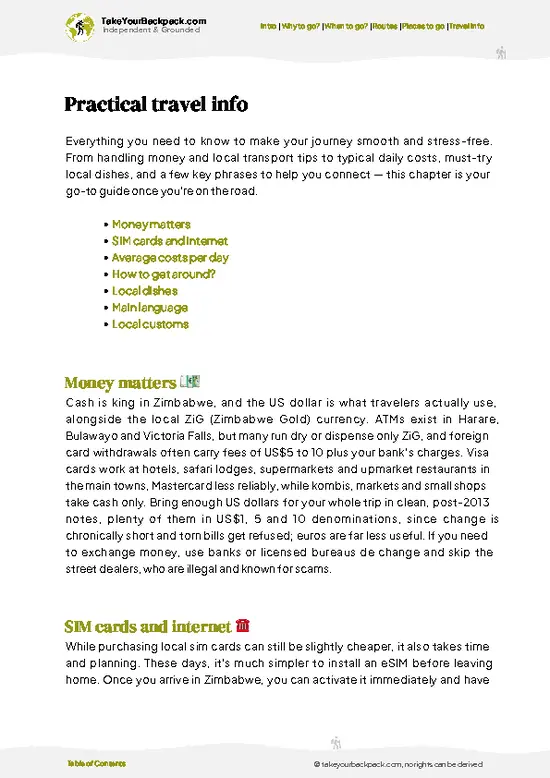
example page 0 from our offline Travel Guide for Zimbabwe
example page 1 from our offline Travel Guide for Zimbabwe
example page 2 from our offline Travel Guide for Zimbabwe
example page 3 from our offline Travel Guide for Zimbabwe
example page 4 from our offline Travel Guide for Zimbabwe
example page 5 from our offline Travel Guide for Zimbabwe
example page 6 from our offline Travel Guide for Zimbabwe
example page 7 from our offline Travel Guide for Zimbabwe
The digital guide (356 pages) contains:
90 highlights, ranked by travel appeal
Optimized 5, 10 & 15-day travel routes
Cities, national parks, landmarks, beaches
How to get around
Offline-friendly for travel without Wi-Fi
👉 Click to see all 30+ guide features

📅 Plan smarter in minutes, not weeks
Month by month travel advice
Festivals & national holidays
Budget expectations

🗺️ Go to the right places, skip the overrated ones
Honest pros & cons of destinations
Top hikes, parks & viewpoints
Lesser-known places most travelers miss
Clear “worth it vs skip it” guidance

🛏️ Travel smoothly without rookie mistakes
Best areas to stay
Transport systems explained simply
Common scams & safety advice
SIM cards, money & practical tips

🌍 Understand the country, not just visit it
Culture & traditions
52 Essential phrases & customs
Festivals worth planning around
Traveler-friendly historical context
Insights that make places more meaningful

📱 Built for real travel conditions
Fully downloadable PDF
Works completely offline
Optimized for phone use
Useful in remote areas & buses
Everything in one place
Save weeks of stressful planning
Get instant access to your full guide. 30‑day money-back guarantee.


By proceeding you agree to our terms.
Sent to your inbox immediately after payment • 100% Secure Checkout
Best Backpacking Travel Advisor 2025 tourism awardBest Backpacking
Travel Advisor
2025
What others say about Take Your Backpack Guides:
⭐⭐⭐⭐⭐
Fantastic, amazing amount of information!
⭐⭐⭐⭐⭐
My goodness this is amazing, it's what I've been looking for hats off too you!
⭐⭐⭐⭐⭐
I think this is absolutely BRILLIANT
⭐⭐⭐⭐
Very complete and informative. It's still missing places, but I gotta to commend you
⭐⭐⭐⭐⭐
This is truly amazing, thank you, can't wait to explore it with my kids!
⭐⭐⭐⭐⭐
Awesome resource, thank you!
⭐⭐⭐⭐⭐
This is amazing! Can't wait to explore the ones I haven't seen
⭐⭐⭐⭐
I love this! Well done, great idea.
⭐⭐⭐⭐⭐
Thanks for taking the time to make this gem!
⭐⭐⭐⭐⭐
This might be the best website I've ever seen.
⭐⭐⭐⭐⭐
Congratulations, and thank you so much for your work; it's incredibly valuable.
⭐⭐⭐⭐
In all seriousness I think you did a great job pointing out the important spots
⭐⭐⭐⭐⭐
10/10 very good
⭐⭐⭐⭐⭐
As someone who's only just starting to visit regularly this is awesome, thank you.
⭐⭐⭐⭐
Thank you very much! I'm going to visit my dad, it's going to be very useful!
⭐⭐⭐⭐⭐
This is really cool! We'll be travelling for the first time and this definitely come in handy.
⭐⭐⭐⭐⭐
You are now our minister of culture, congratulations 👨‍💼
⭐⭐⭐⭐⭐
Just wanted to tell you that this is a pearl! Going to follow your recommendations.
⭐⭐⭐⭐⭐
This is so cool. I'll definitely be using the resource for my travels soon.
⭐⭐⭐⭐⭐
This is very impressive! Good work.
⭐⭐⭐⭐⭐
This is an amazing and informative site. Very well done!

🛏️ Where to stay?Where staying makes the most sense

In Gweru, the sweet spot for backpackers is the central business district and its immediate surroundings. This area strikes a balance between safety, social buzz, and budget-friendly options. It’s where you’ll find the most hostels catering to solo travelers and small groups, making it easier to meet others without sacrificing your wallet. The vibe here is practical and straightforward—think local markets, street food stalls, and a steady flow of people going about their day. It’s not flashy, but it’s authentic, which is exactly what you want when you’re after real connections and stories.

Venture … read more 👉
In Gweru, the sweet spot for backpackers is the central business district and its immediate surroundings. This area strikes a balance between safety, social buzz, and budget-friendly options. It’s where you’ll find the most hostels catering to solo travelers and small groups, making it easier to meet others without sacrificing your wallet. The vibe here is practical and straightforward—think local markets, street food stalls, and a steady flow of people going about their day. It’s not flashy, but it’s authentic, which is exactly what you want when you’re after real connections and stories.

Venture too far into the suburbs, and you’ll trade convenience for quiet—often at the cost of transport hassles and fewer social opportunities. The outskirts tend to be quieter and safer but isolate you from the pulse of the city. Meanwhile, the industrial zones offer little in terms of atmosphere or backpacker infrastructure. So, if you want to maximize your time and social energy, the central area is your best bet. It’s a compact, walkable zone where you can juggle comfort, cost, and connection without feeling like you’re sacrificing one for the other.

🚌 Getting aroundHow to get around Gweru

Gweru moves at a pace that’s neither frantic nor sluggish—it’s a city where the rhythm is set by a blend of informal hustle and pockets of predictable routine. You won’t find a clockwork transit system here, but you will find a network that rewards those who read between the lines: a mix of waiting, bargaining, and seizing the moment. The flow is part intuition, part patience, and part street-smart timing. Understanding this balance is your key to mastering Gweru’s transit game without draining your wallet or your energy.


  • Walking: The most reliable and cost-free way to navigate Gweru’s central areas. Streets are walkable, but watch for uneven pavements and occasional traffic chaos. Walking lets you absorb the city’s pulse and discover local life up close, though it’s slower and less practical
read more 👉
Gweru moves at a pace that’s neither frantic nor sluggish—it’s a city where the rhythm is set by a blend of informal hustle and pockets of predictable routine. You won’t find a clockwork transit system here, but you will find a network that rewards those who read between the lines: a mix of waiting, bargaining, and seizing the moment. The flow is part intuition, part patience, and part street-smart timing. Understanding this balance is your key to mastering Gweru’s transit game without draining your wallet or your energy.


  • Walking: The most reliable and cost-free way to navigate Gweru’s central areas. Streets are walkable, but watch for uneven pavements and occasional traffic chaos. Walking lets you absorb the city’s pulse and discover local life up close, though it’s slower and less practical for longer distances or midday heat.


  • Combi Taxis: These shared minibuses are the backbone of budget transit here. They run roughly from dawn until dusk, with fares typically under $1 USD. Speed varies—expect stops every few blocks to pick up or drop off passengers. Comfort is minimal, but the frequency and coverage make them unbeatable for cost-conscious travelers who don’t mind a bit of crowding and noise.


  • Private Taxis: More expensive but faster and more comfortable than combis. Prices can be negotiated upfront, often starting around $3-$5 for short city trips. They run 24/7, making them a good fallback for late-night or urgent rides, but they’ll eat into your budget quickly if used regularly.


  • Bicycle Rentals: A clever middle ground if you want to cover more ground than walking but avoid the unpredictability of public transit. Rentals cost about $5-$10 per day. Gweru’s terrain is mostly flat, but traffic can be aggressive, so this option suits confident riders who value flexibility and moderate speed without spending on taxis.


  • Motorcycle Taxis (Zupco Bikes): These dart through traffic and offer a quick, cheap ride—usually under $1 for short hops. They’re faster than combis but less safe and less comfortable, especially if you’re carrying a backpack. Ideal for solo travelers who prioritize speed and budget over comfort and safety margins.

👛 Costs (as of 5 July 2025)Money, prices, and spending tips

Backpacking in Gweru, Zimbabwe, offers a clear trade-off between cost and comfort, with prices reflecting the city’s modest but evolving tourism infrastructure. Here’s what you can expect to spend on a daily basis:
  • Dorm Accommodation (High Season): Around $10 to $15 per night. During peak travel months, prices climb slightly due to demand, but you’re still looking at basic, clean dorms with essential amenities.
  • Dorm Accommodation (Off-Season): Drops to about $7 to $10 per night. Off-peak travel rewards you with quieter hostels and better room choices for less cash.
  • Meals: Budget around $5 to $8 daily if you stick to local eateries and street food. Zimbabwean staples like sadza with vegetables or meat are filling and affordable. Western-style meals or dining in tourist spots will push costs
read more 👉
Backpacking in Gweru, Zimbabwe, offers a clear trade-off between cost and comfort, with prices reflecting the city’s modest but evolving tourism infrastructure. Here’s what you can expect to spend on a daily basis:
  • Dorm Accommodation (High Season): Around $10 to $15 per night. During peak travel months, prices climb slightly due to demand, but you’re still looking at basic, clean dorms with essential amenities.
  • Dorm Accommodation (Off-Season): Drops to about $7 to $10 per night. Off-peak travel rewards you with quieter hostels and better room choices for less cash.
  • Meals: Budget around $5 to $8 daily if you stick to local eateries and street food. Zimbabwean staples like sadza with vegetables or meat are filling and affordable. Western-style meals or dining in tourist spots will push costs higher.
  • Local Transport: Minibus taxis dominate, costing roughly $0.30 to $0.50 per ride within the city. It’s cheap but expect crowded conditions and irregular schedules.
  • City Transport Pass: Not commonly available or necessary in Gweru; most travelers rely on minibuses or walking. Budgeting for individual rides is more practical.
  • Basic Activities/Entry Fees: Attractions like the Antelope Park or local museums charge between $5 and $15. These fees support conservation and cultural preservation, so they’re worth factoring in.
  • Miscellaneous Expenses: Include small costs like bottled water, snacks, or occasional internet access, roughly $2 to $4 daily. These add up but are manageable with planning.

Altogether, a realistic daily budget for backpacking in Gweru ranges from about $20 on a shoestring to $40 if you lean toward more comfort or activities. This balance lets you decide if you want to stretch your dollars by embracing local transport and street food or spend a bit more for convenience and experiences. Understanding these trade-offs means you’re not just spending money—you’re investing in the kind of trip you want to have.
⚠️ Prices can change and everyone travels differently, so take this as a rough guide. Hope it helps you plan your adventure!

🚌 Day tripsShort trips worth adding

Gweru, Zimbabwe, is a strategic launchpad for day trips that blend adventure with cultural immersion. The city’s central location makes it easy to explore some of the country’s hidden treasures without breaking the bank.

Hwange National Park
Just a three-hour drive from Gweru, Hwange is a wildlife haven. You can spot elephants, lions, and a variety of bird species. The park’s entrance fee is around $15, and if you’re savvy, you can share a ride with fellow travelers to cut costs. The best time to visit is during the dry season from May to October when animals congregate around waterholes. A common mistake is underestimating the park’s size; plan your route ahead to maximize your wildlife sightings.
👉 Explore Hwange National Park

Lake Chivero
Only about an hour away, Lake Chivero offers … read more 👉
Gweru, Zimbabwe, is a strategic launchpad for day trips that blend adventure with cultural immersion. The city’s central location makes it easy to explore some of the country’s hidden treasures without breaking the bank.

Hwange National Park
Just a three-hour drive from Gweru, Hwange is a wildlife haven. You can spot elephants, lions, and a variety of bird species. The park’s entrance fee is around $15, and if you’re savvy, you can share a ride with fellow travelers to cut costs. The best time to visit is during the dry season from May to October when animals congregate around waterholes. A common mistake is underestimating the park’s size; plan your route ahead to maximize your wildlife sightings.
👉 Explore Hwange National Park

Lake Chivero
Only about an hour away, Lake Chivero offers a refreshing escape. You can hike, birdwatch, or simply relax by the water. Entry is around $5, and you can rent a canoe for a few bucks more. The best time is early morning when the lake is calm and wildlife is active. Many first-timers miss the chance to explore the surrounding trails, which provide stunning views and a chance to spot local flora and fauna.


Matobo National Park
This UNESCO World Heritage site is about two hours from Gweru and is rich in history and rock art. The park is known for its unique granite formations and diverse wildlife. Expect to pay around $10 for entry. The cooler months from May to August are ideal for hiking. A common oversight is not hiring a local guide; they can enhance your experience with stories about the area’s cultural significance.
👉 Explore Matobo National Park

Great Zimbabwe Ruins
A bit further afield at around three hours, the Great Zimbabwe Ruins are a must-see. These ancient stone structures tell the story of a once-thriving civilization. The entry fee is about $10, and the best time to visit is during the dry season. Many backpackers underestimate the time needed to explore; plan for at least half a day to soak in the history.
Want to know what more Zimbabwe offers?
The Zimbabwe Travel Guide describes 90 highlights, from cities to national parks, from beaches to hikes

Get the Travel Guide -

🍲 FoodEating & Drinking in Gweru

In Gweru, food is a vibrant tapestry of local flavors and communal experiences. You can’t miss sadza, a staple made from ground maize, often served with a rich stew of beef or chicken. The texture is comforting, and it’s the perfect vehicle for soaking up those savory sauces. Pair it with nyama, grilled meat that’s marinated to perfection, and you’ll understand why it’s a favorite.

Street food is where the magic happens. Vendors line the streets, sizzling maputi (popped corn) and biltong (dried meat) that beckon you to stop and snack. Markets buzz with energy, and you’ll find locals enjoying chibuku, a traditional sorghum beer that’s both refreshing and a bit of an acquired taste. Don’t be shy; join in the communal spirit and share a drink with new friends.

Eating customs here lean towards … read more 👉
In Gweru, food is a vibrant tapestry of local flavors and communal experiences. You can’t miss sadza, a staple made from ground maize, often served with a rich stew of beef or chicken. The texture is comforting, and it’s the perfect vehicle for soaking up those savory sauces. Pair it with nyama, grilled meat that’s marinated to perfection, and you’ll understand why it’s a favorite.

Street food is where the magic happens. Vendors line the streets, sizzling maputi (popped corn) and biltong (dried meat) that beckon you to stop and snack. Markets buzz with energy, and you’ll find locals enjoying chibuku, a traditional sorghum beer that’s both refreshing and a bit of an acquired taste. Don’t be shy; join in the communal spirit and share a drink with new friends.

Eating customs here lean towards sharing. Meals are often communal, so expect to pass dishes around. It’s a way to bond and connect. Just remember to eat with your right hand, as the left is considered impolite. Embrace the flavors and the warmth of Gweru’s culinary scene; it’s a feast for both the palate and the soul.

🛡️ SafetyScams, Hazards, and Annoyances

Gweru is generally safe for backpackers, but staying aware is key. Stick to well-lit areas at night, especially if you’re solo. The city has a friendly vibe, but like anywhere, it’s wise to keep your belongings close.

Watch for common scams, like overly eager guides offering unsolicited help. Politely decline and walk away. Street vendors can be persistent, but a firm “no, thank you” usually does the trick.

Public transport is reliable, but be cautious when using shared taxis; confirm the fare beforehand to avoid surprises.

Overall, Gweru offers a laid-back experience, but maintaining a confident demeanor and being mindful of your surroundings will enhance your trip. Embrace the local culture, and you’ll find that the people are more interested in genuine connection than trickery.

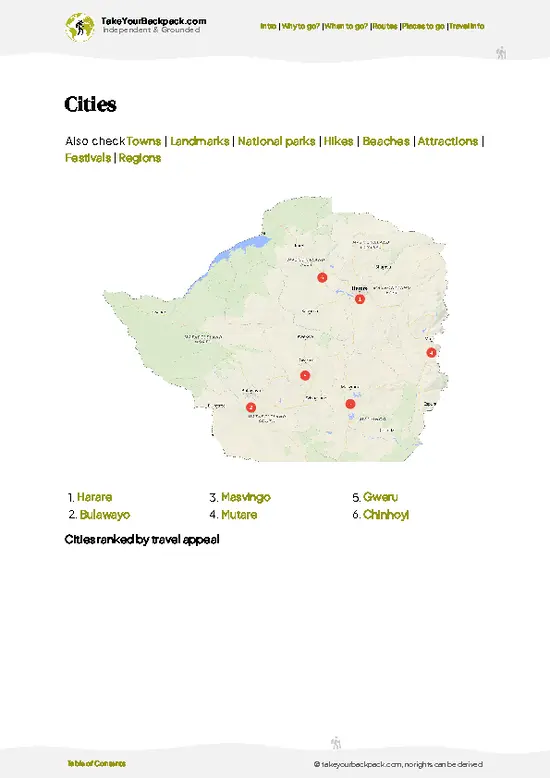
Other Zimbabwean cities near Gweru

Explore more nearby:

  • Kadoma—gold mining, textile mills, roadside commerce, semi-arid landscape| 126 km away
  • Bulawayo—colonial-era architecture, wide boulevards, railway heritage, local art galleries| 149 km away
  • Harare—urban parks, contemporary art, business district, street markets| 224 km away

💡 Not sure where to go next?
Create a personalized itinerary for Zimbabwe including Gweru and the places that fit your trip.

Generate my itinerary

👉 Discover all cities

Or checkout all Zimbabwe has to offer (think cities, towns, villages, national parks, hikes, beaches, festivals)
Country photo of Zimbabwe

We 💚 feedbackFinal thoughts on visiting Gweru

Gweru offers a genuine slice of Zimbabwean life, where you can connect with locals and experience culture without the tourist gloss. The vibrant markets and community spirit are a refreshing change from the usual hotspots. However, be prepared for limited amenities. Some travelers might miss the comforts of bigger cities. Embrace the simplicity; it’s part of the charm. Just know that you’re trading convenience for authenticity.

✈️ When did I visit Zimbabwe?
I have backpacked Zimbabwe all the way back in 2001.

✍️ Help improve this page!
The information on this page is based on my own backpacking experience in Zimbabwe, supplemented with up-to-date research and feedback from other travelers. Travel details can change, so if you notice anything outdated or incomplete, feel free to let me know.


🙋‍♂️ Give feedback

👋 Meet the founderWho’s Behind Take Your Backpack?

Johan, backpacker and founder of TakeYourBackpackHi, I’m Johan (Netherlands 🇳🇱), the creator of TakeYourBackpack. Over the past decade, I’ve backpacked through 80+ countries across six continents, gaining extensive experience with independent travel, long-term trips, and overland routes.

This site is built on a combination of firsthand travel experience and carefully curated insights from other backpackers. Many guides are based on places I’ve personally visited, while others bring together tips, observations, and practical advice shared by trusted travelers I’ve met along the way.

The goal is to provide realistic, experience-driven guidance — not generic itineraries — so you can explore destinations with better context, clearer expectations, and more confidence.

Get full Zimbabwe guide •
Instant download • 90 highlights • Full Offline guide