×

Chile Itinerary Planner

Your route should bend around your priorities, so tell us how many days you have, what you want to see, and how fast you like to move. Chile stretches so far that a week in Torres del Paine National Park and a week around Santiago are completely different trips, and the planner builds the one you chose. Add a start, an end or a must-see stop, and everything else is arranged around them.

Plan
your Trip


We build
your Route


Get your
Travel Plan

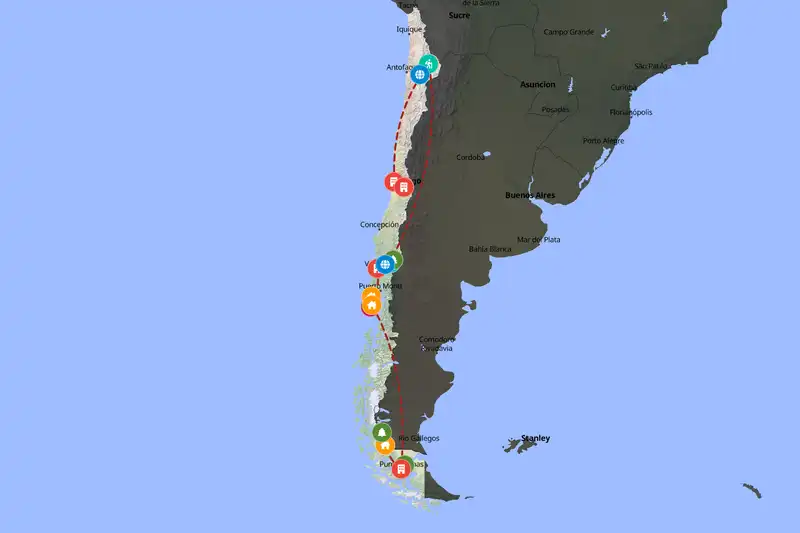
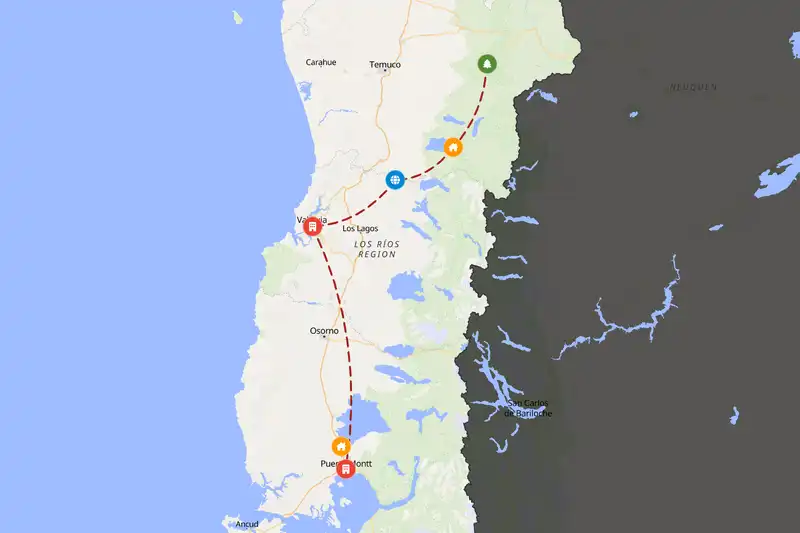
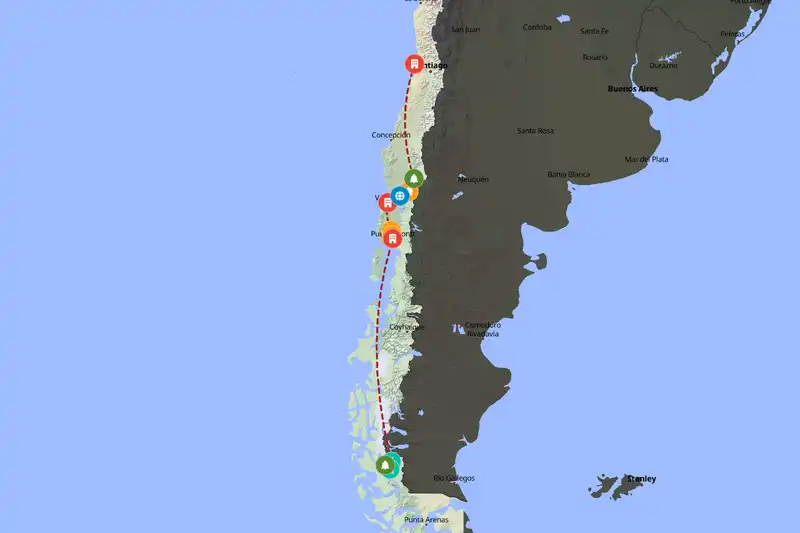
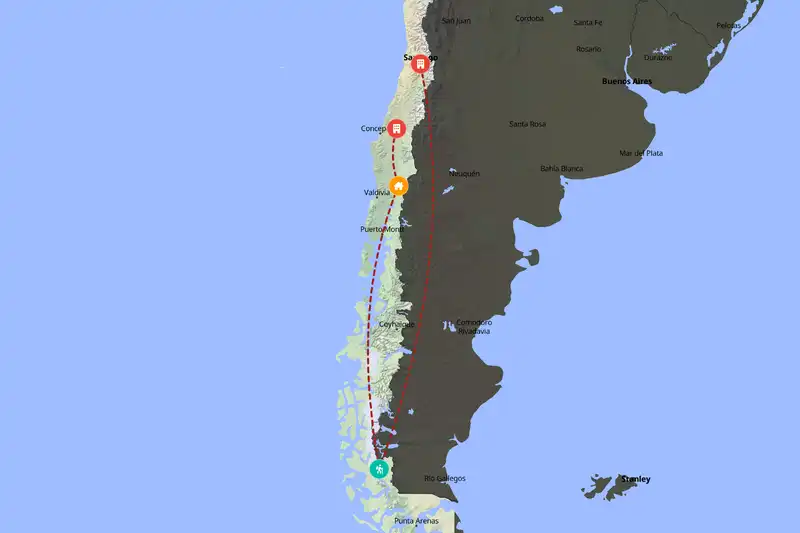
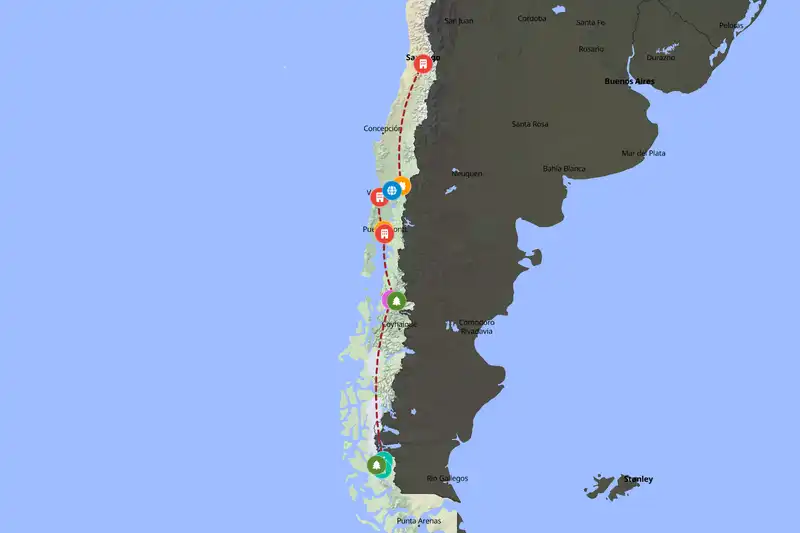
Example Chile itinerary planner route
Build your own Chile route
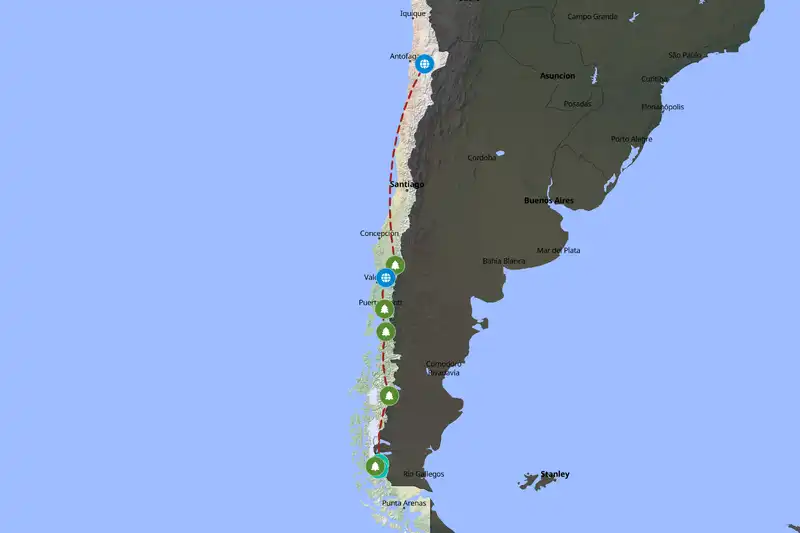
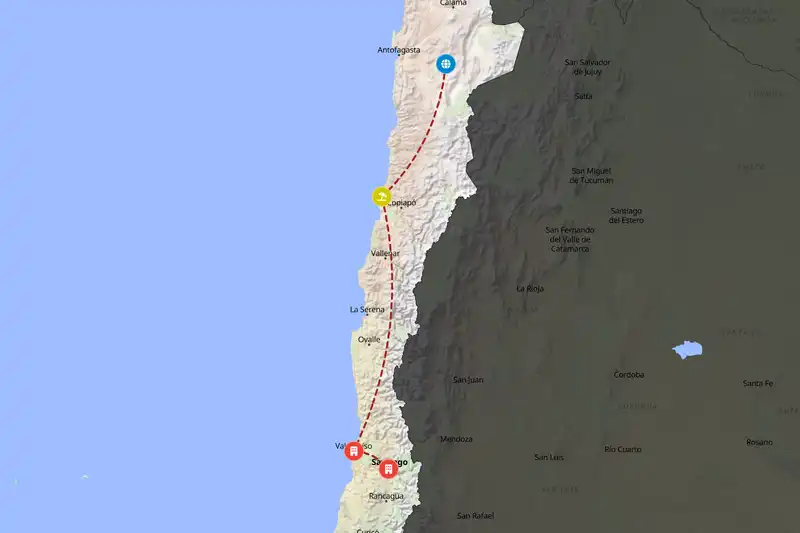
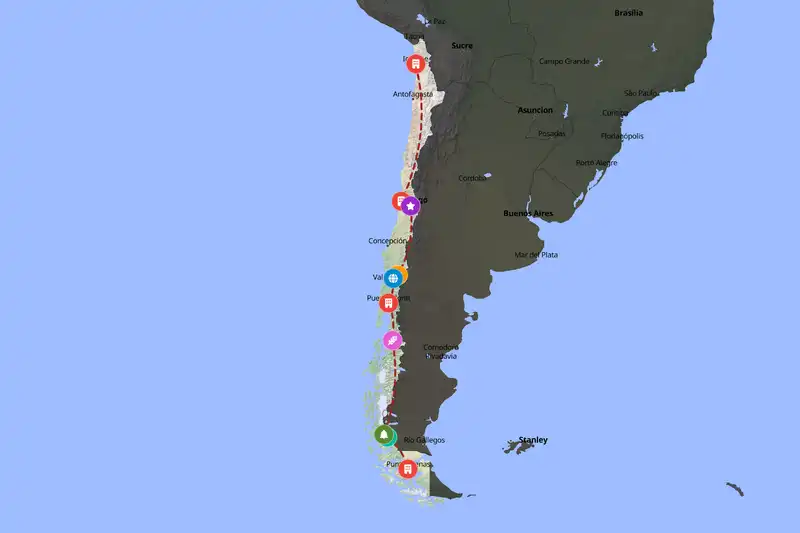
Example Chile itinerary planner route
Build your own Chile route
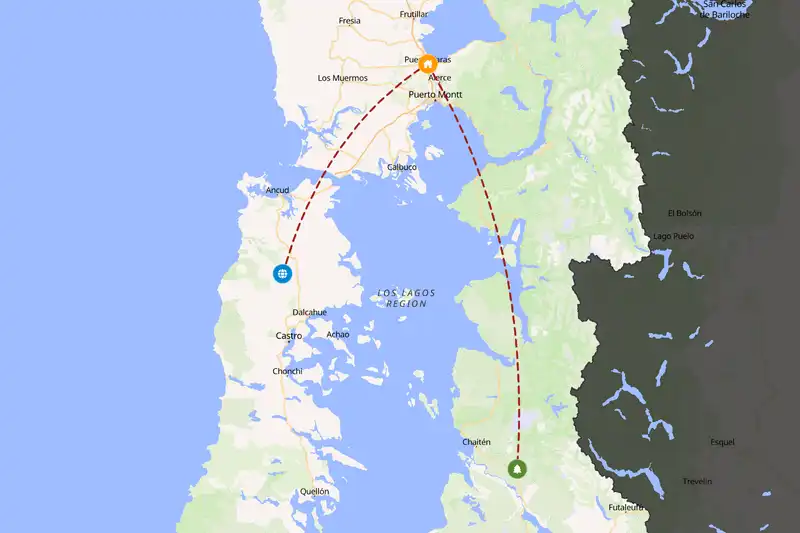
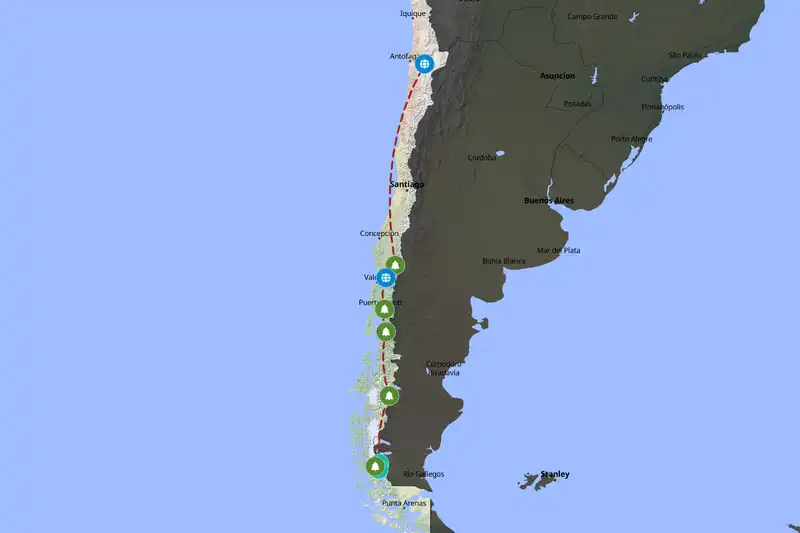
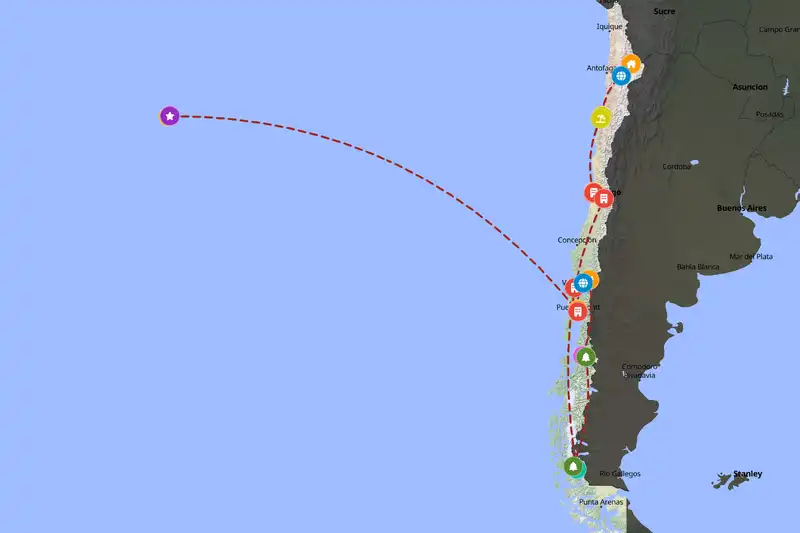
Example Chile itinerary planner route
Build your own Chile route
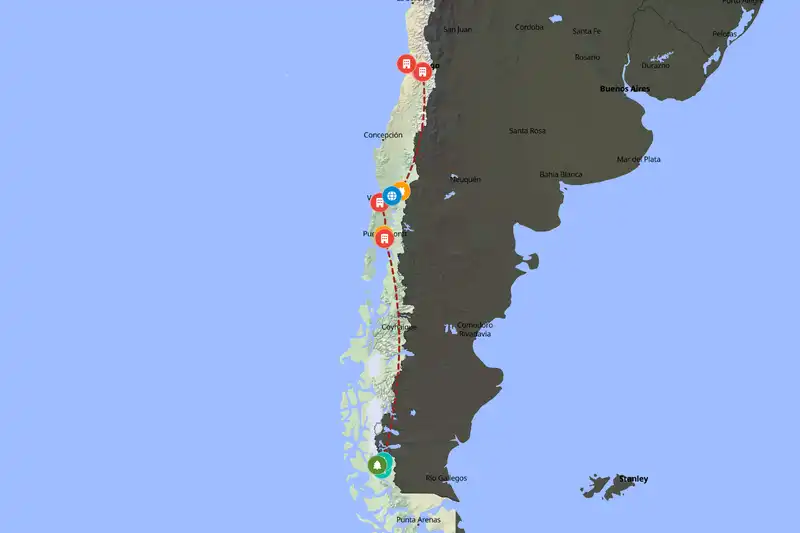
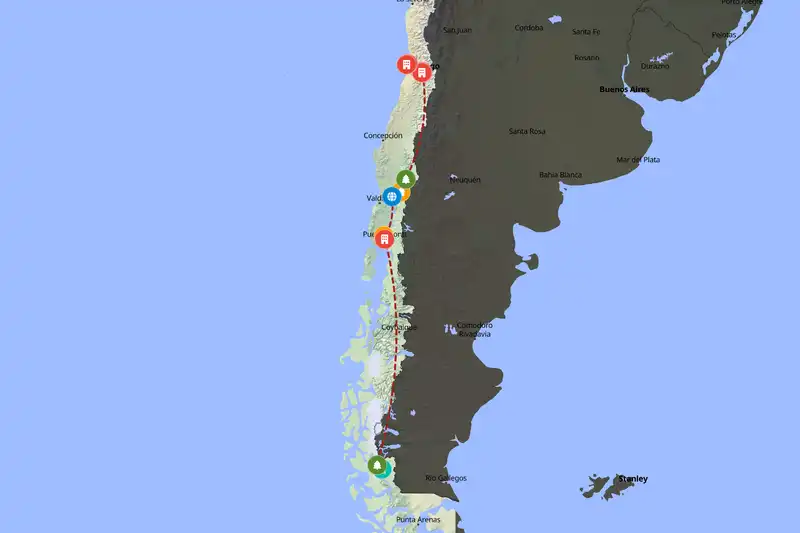
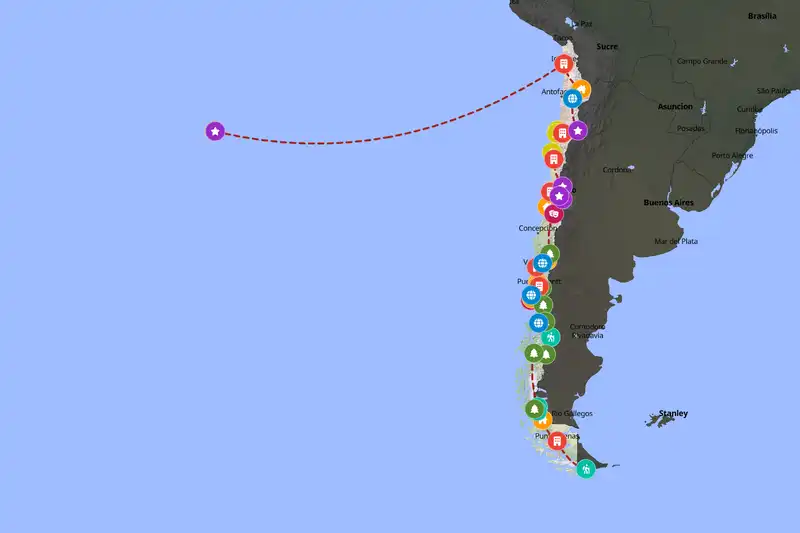
Example Chile itinerary planner route
Build your own Chile route
Example Chile itinerary planner route
Build your own Chile route
Example Chile itinerary planner route
Build your own Chile route
Example Chile itinerary planner route
Build your own Chile route
Example Chile itinerary planner route
Build your own Chile route
Example Chile itinerary planner route
Build your own Chile route
Example Chile itinerary planner route
Build your own Chile route
Example Chile itinerary planner route
Build your own Chile route
Example Chile itinerary planner route
Build your own Chile route
Example Chile itinerary planner route
Build your own Chile route
Example Chile itinerary planner route
Build your own Chile route
Example Chile itinerary planner route
Build your own Chile route
Example Chile itinerary planner route
Build your own Chile route
Example Chile itinerary planner route
Build your own Chile route

🇨🇱 ChileCreate Your Itinerary

1 How many days will you travel?
2 What are your interests?
3 Travel speed
⚙️ Advanced options

🙋 FAQItinerary planner questions about Chile

Seven days is enough for one region done well, 14 days lets you link two very different parts of the country without rushing, and around 21 days gives you room to cover a long stretch from the desert to Patagonia at a relaxed pace.
Yes, Chile pairs easily with Argentina, Peru and Bolivia, which all share land borders with it. Argentina is the natural partner for Patagonia and the Andes, while Peru and Bolivia connect to the northern desert and the high Andean plateau.

Build a multi-country route
Yes. Stops are sequenced to minimize backtracking and grouped by how close they are to each other, and your chosen travel pace (fast, normal, or slow) adjusts how much ground each day covers.
Absolutely. Adjust your trip length, interests, starting point, or travel style and generate a new route in seconds.
Yes, generating and viewing your route is completely free. An offline-friendly PDF version is available as an optional purchase which gives more detailed information for each location on your route.

🗺️ RegionsHow spread out things are

Chile is a long, narrow country, and the distances between its highlights are far bigger than a map first suggests. Atacama Desert in the north and Torres del Paine National Park in the south sit thousands of kilometers apart, so trying to fit both into a short trip means spending much of it in transit. That is why the planner groups nearby places together and moves you in one direction, so each day is spent at a place rather than getting to it.

📈 StatisticsPlanner insights

Our set of curated travel destinations for Chile

Cities & Towns: 36      Villages: 2      Landmarks: 5      National Parks: 19      Hikes: 11      Beaches: 6      Attractions: 16     

Routes created by others

15

Routes created

28

Average trip length (days)

17

Average destinations

Most popular interests

  • 🏞️ National Parks (100%)
  • 🚶‍♀️ Hikes (100%)
  • ⭐️ Landmarks (73%)
  • 🌆 Cities & Towns (67%)
  • 🌽 Villages (53%)

Most included destinations

⚙️ How it worksHow it all fits together

Pick your trip length, your interests and your pace, and the planner turns them into a day-by-day route. First, it groups nearby places together, because Chile is so long that hopping between distant stops wastes whole days, and a seasoned traveler always clusters before sequencing. Second, it picks one sensible direction through those clusters, so you move steadily north to south or the reverse instead of crossing back over ground you already covered. Third, it sets the time at each stop by its type and by how much sits around it. A town with several attractions close by becomes a base where you stay longer, and the smaller spots nearby turn into day trips from it, which saves you from packing up every morning. Take the Atacama Desert as an example: if you choose hikes and landmarks, the planner keeps you in one place for several nights and fans out from there, instead of giving each sight its own overnight stop.