How many villages to visit: I advise
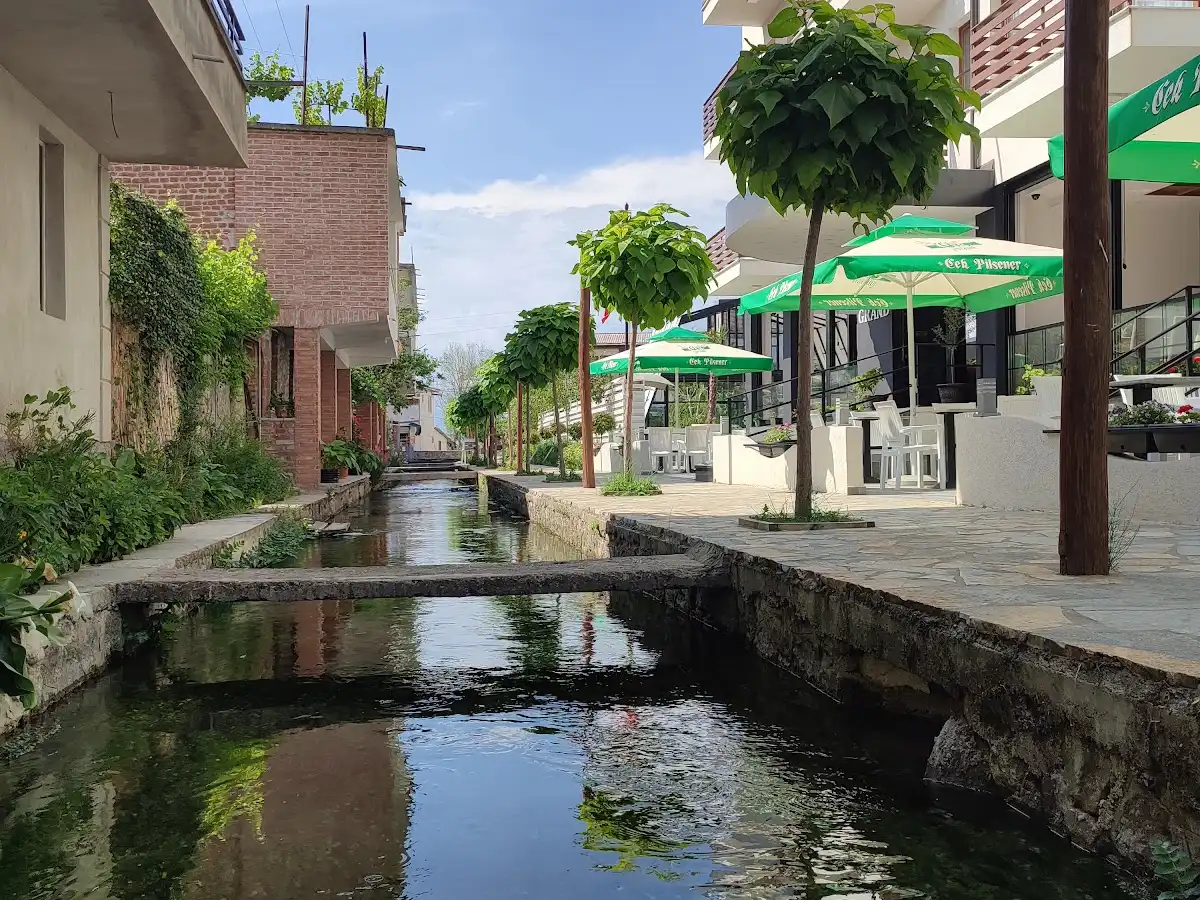
four to six villages on a trip of one to two weeks. Fewer than four and you miss how different the north, center and south feel. More than six and travel eats the days, since a 100 km hop can take three hours on broken tarmac. Slowing down also gets you the evening, when stone lanes cool, shutters open and someone offers you raki and a plate of fresh cheese.
Which kind for which traveler: Hikers should prioritize
northern highland villages, where trails start at the guesthouse door and the reward is silent ridgelines and a heavy farm dinner. History and architecture fans do better in the
central and southern stone towns, with cobbled lanes, bazaar smells and views over tiled roofs. Beach-minded travelers should pick
coastal hamlets outside July and August, …
read more 👉 How many villages to visit: I advise
four to six villages on a trip of one to two weeks. Fewer than four and you miss how different the north, center and south feel. More than six and travel eats the days, since a 100 km hop can take three hours on broken tarmac. Slowing down also gets you the evening, when stone lanes cool, shutters open and someone offers you raki and a plate of fresh cheese.
Which kind for which traveler: Hikers should prioritize
northern highland villages, where trails start at the guesthouse door and the reward is silent ridgelines and a heavy farm dinner. History and architecture fans do better in the
central and southern stone towns, with cobbled lanes, bazaar smells and views over tiled roofs. Beach-minded travelers should pick
coastal hamlets outside July and August, when the sea is warm and the lanes are quiet. Budget travelers can mix all three, but save the north for when you have good weather.
What it costs: Expect
US$30 to 55 a day (roughly 2,800 to 5,000 lek) on a backpacker budget. Guesthouse beds run about US$15 to 30, often with dinner and breakfast included at a further US$8 to 15. Furgon rides cost US$3 to 10 per leg, while the Theth route from Shkodër can be US$10 to 20. Local guides for day hikes cost US$40 to 80. Village entry is usually free, though small fortress or museum fees run US$1 to 5. Carry
cash in lek, since many guesthouses and rural shops do not take cards and cash machines are rare.
Safety and customs: Villages are generally safe, and the main risks are
roads and weather: unguarded drops, landslides after rain, and sudden storms on high trails. Download offline maps and tell your host your plan. Stray dogs near sheep pens can be aggressive, so keep your distance. Dress modestly in conservative areas, especially around mosques and churches, and ask before photographing people. Accept the coffee or raki offered. Refusing a host’s meal can read as rude, so accept at least a small plate. Avoid heated talk about politics or borders. Landmines are not a concern on marked routes, and trail markers are patchy, so a downloaded GPX track is a practical backup.
v2.webp)


 Best Backpacking
.jpg) Hi, I’m Johan (Netherlands 🇳🇱), the creator of TakeYourBackpack. Over the past 3 decades, I’ve backpacked through 90+ countries across six continents, gaining extensive experience with independent travel, long-term trips, and overland routes.
Hi, I’m Johan (Netherlands 🇳🇱), the creator of TakeYourBackpack. Over the past 3 decades, I’ve backpacked through 90+ countries across six continents, gaining extensive experience with independent travel, long-term trips, and overland routes.