v2.webp)
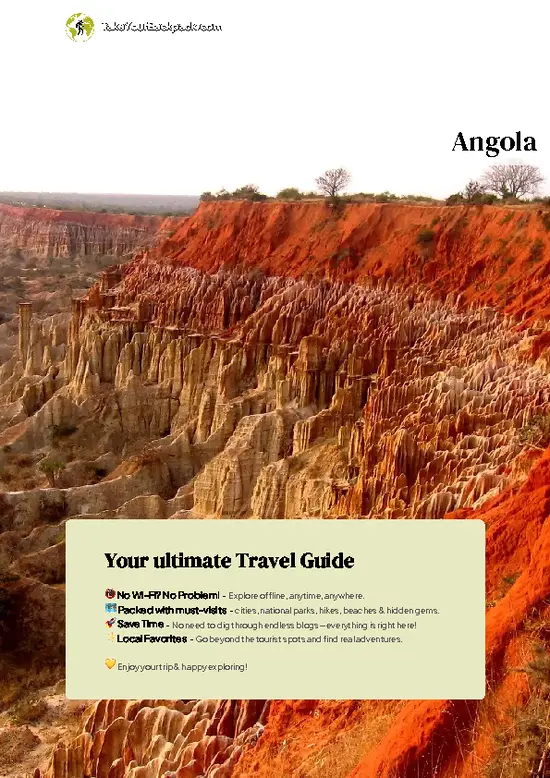
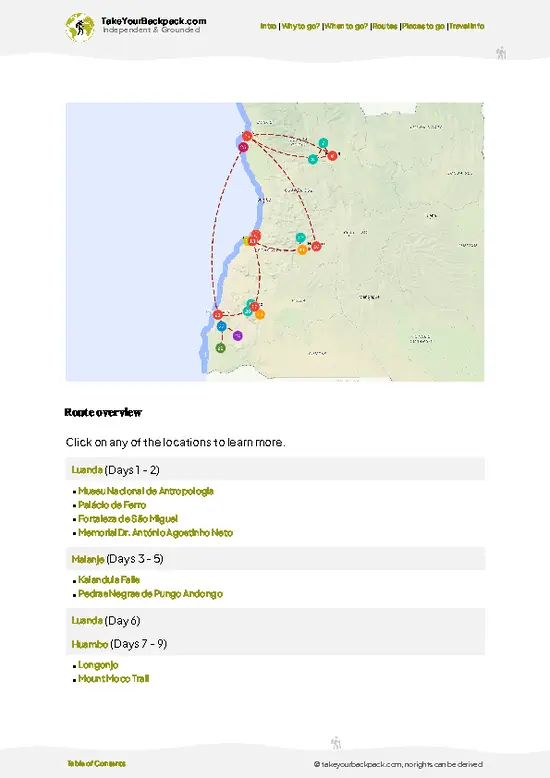
- Restinga Beach: A narrow spit of pale sand with the ocean on one side and the calm bay on the other. Go on weekday mornings for quiet or Sunday afternoons for local life. Free, 2 to 3 hours.
- Lobito Bay waterfront promenade: Palm-lined and breezy, with port cranes across the water and fishing boats unloading. Best at sunset. Free, about 1 hour.
- Benguela Railway station: The terminus of the line that carries copper from Zambia and the DR Congo to the port again, with colonial-era buildings around it. Early morning is calmest. Free to view, 30 to 45 minutes.
- Fish market and fishing beach: Boats land their catch in the morning, and women haggle over crates of sardines and sea bream. Arrive 7:00 to 9:00 AM. Buying fish costs a few dollars, 1 hour.
- Colonial center and Portuguese architecture: Pastel
- Restinga Beach: A narrow spit of pale sand with the ocean on one side and the calm bay on the other. Go on weekday mornings for quiet or Sunday afternoons for local life. Free, 2 to 3 hours.
- Lobito Bay waterfront promenade: Palm-lined and breezy, with port cranes across the water and fishing boats unloading. Best at sunset. Free, about 1 hour.
- Benguela Railway station: The terminus of the line that carries copper from Zambia and the DR Congo to the port again, with colonial-era buildings around it. Early morning is calmest. Free to view, 30 to 45 minutes.
- Fish market and fishing beach: Boats land their catch in the morning, and women haggle over crates of sardines and sea bream. Arrive 7:00 to 9:00 AM. Buying fish costs a few dollars, 1 hour.
- Colonial center and Portuguese architecture: Pastel façades, tiled walls and arcaded streets in various states of repair, with the old cathedral area as an anchor. Late afternoon light is best. Free, 1 to 1.5 hours.
- Grilled fish restaurants on the Restinga: Beachfront places serve grilled fish with funge or rice. Lunch is the busiest time. Expect US$6 to 15, 1 to 1.5 hours.
- Miradouro viewpoints over the bay: The hills behind town give a wide view of the spit curling into the bay and the port. Go before 10:00 AM or near sunset. Free, 45 minutes including the taxi ride.
Spotted a mistake or missing something? Contact us.

 Best Backpacking
.jpg) Hi, I’m Johan (Netherlands 🇳🇱), the creator of TakeYourBackpack. Over the past 3 decades, I’ve backpacked through 90+ countries across six continents, gaining extensive experience with independent travel, long-term trips, and overland routes.
Hi, I’m Johan (Netherlands 🇳🇱), the creator of TakeYourBackpack. Over the past 3 decades, I’ve backpacked through 90+ countries across six continents, gaining extensive experience with independent travel, long-term trips, and overland routes.