×
Buenos Aires

Argentina🇦🇷 | citiesBuenos Airesgrand avenues, late-night life, tango districts, literary cafés | things to do and best time to go

Explore Playa de los HippiesExplore Cordoba

Backpacking in Buenos Aires
🏆 Top pickcity ranked #1
By Johan Kruseman 🇳🇱 | Updated May 28, 2026

You land in Buenos Aires and hit your first real fork: do you burn three nights’ budget on a Palermo boutique hostel and late-night steak, or do you cheap out in Once and free up cash for Patagonia or Iguazú? That choice matters, because Buenos Aires is where time, money, and comfort start arm-wrestling, and how you play it shapes your whole Argentina route. The city sprawls along the Río de la Plata on the country’s eastern edge, a long way from the mountains and waterfalls you’re probably dreaming about.

For backpackers, Buenos Aires is social, relatively affordable, and a little exhausting in the best way. San Telmo’s cobbles, Recoleta Cemetery, MALBA, and Plaza de Mayo earn their reputations, and the nightlife runs until sunrise, which makes meeting people almost too easy. It’s safer than Córdoba’s rougher edges but edgier than mellow Mendoza; petty theft is the main issue if you stay street-smart. The vibe is big-city intensity with European architecture and Latin American chaos, and it rewards anyone who likes their basecamp loud, cultural, and slightly overwhelming.

Discover everything you want to know in the 📖 Argentina Travel Guide.
Loading the map 🌍
CLICK TO FILTER
cities
towns
villages
landmarks
national parks
hikes
beaches
attractions
festivals
regions
SHOW COUNTRY’S BESTSHOW ALL

✨ Why go?
Ranked #1 city in Argentina
Why Buenos Aires should be on your travel list

Buenos Aires is a backpacker’s paradise for several compelling reasons. First, the city is a basecamp for day trips, making it easy to explore the surrounding areas without the hassle of constant packing. You can dive into the vibrant local culture while knowing you have a comfortable place to return to.

The hostel scene here is thriving, offering everything from budget-friendly dorms to cozy private rooms. Many hostels foster a community vibe, perfect for meeting fellow travelers and swapping stories.

When it comes to food, Buenos Aires delivers. You can indulge in mouthwatering street food or enjoy a sit-down meal without breaking the bank. The city’s walkability is another major plus; you can easily navigate its neighborhoods on foot, soaking in the local atmosphere and discovering … read more 👉
Buenos Aires is a backpacker’s paradise for several compelling reasons. First, the city is a basecamp for day trips, making it easy to explore the surrounding areas without the hassle of constant packing. You can dive into the vibrant local culture while knowing you have a comfortable place to return to.

The hostel scene here is thriving, offering everything from budget-friendly dorms to cozy private rooms. Many hostels foster a community vibe, perfect for meeting fellow travelers and swapping stories.

When it comes to food, Buenos Aires delivers. You can indulge in mouthwatering street food or enjoy a sit-down meal without breaking the bank. The city’s walkability is another major plus; you can easily navigate its neighborhoods on foot, soaking in the local atmosphere and discovering hidden corners.

As for nightlife, it’s electric. From late-night tango shows to lively bars, there’s something for everyone. Plus, with easy onward travel options, you can seamlessly continue your journey to other parts of Argentina or beyond.

In short, Buenos Aires offers a rich blend of experiences that can fit into any backpacking route, making it more than just a stopover.
Want to include Buenos Aires in your Argentina route?
Create a personalized Argentina itinerary that includes Buenos Aires and the places that fit your trip — based on your travel style, budget, and available time. Get your route in seconds.

Generate my trip

💡 HighlightsTop highlights of Buenos Aires

  • Plaza de Mayo: The political and historical heart of the city — see the Casa Rosada façade and balcony, the Cathedral, and the Cabildo. Sitting on the square is a free, living lesson in Argentine history and ongoing public life.
  • Teatro Colón: One of the world’s great opera houses. Even if you can’t catch a performance, the guided tour through its gilded auditorium and superb acoustics is worth the time.
  • Cementerio de la Recoleta: A maze of ornate mausoleums and marble sculptures where Argentina’s elite (and Evita’s family tomb site) tell stories about class, art, and memory. It feels like an open-air art history book.
  • El Ateneo Grand Splendid: A bookstore in a converted theatre — domed ceiling, original balconies, and a café on stage. It’s touristy but genuinely magical for book lovers
read more 👉
  • Plaza de Mayo: The political and historical heart of the city — see the Casa Rosada façade and balcony, the Cathedral, and the Cabildo. Sitting on the square is a free, living lesson in Argentine history and ongoing public life.
  • Teatro Colón: One of the world’s great opera houses. Even if you can’t catch a performance, the guided tour through its gilded auditorium and superb acoustics is worth the time.
  • Cementerio de la Recoleta: A maze of ornate mausoleums and marble sculptures where Argentina’s elite (and Evita’s family tomb site) tell stories about class, art, and memory. It feels like an open-air art history book.
  • El Ateneo Grand Splendid: A bookstore in a converted theatre — domed ceiling, original balconies, and a café on stage. It’s touristy but genuinely magical for book lovers and photographers.
  • San Telmo & Plaza Dorrego: Cobblestones, antique stalls, tango buskers and the Sunday feria at Plaza Dorrego. It’s the city’s bohemian core — eat, browse antiques, and watch impromptu tangos in the square.
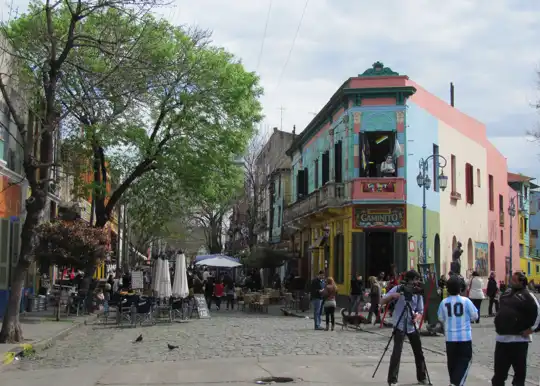
  • Caminito & La Boca: Bright painted houses, street art and football culture around Boca Juniors. It’s tourist-oriented but rooted in immigrant and working-class identity — visit Fundación Proa for serious contemporary art nearby.
  • MALBA (Museo de Arte Latinoamericano de Buenos Aires): The best single place to see modern and contemporary Latin American art in the city — compact, thoughtfully curated, and a great introduction to regional artists.
  • Reserva Ecológica Costanera Sur: Unexpected nature inside the city: wide paths, river views and birdwatching on reclaimed wetlands. A peaceful contrast to Buenos Aires’ bustle and great for walking or biking.
  • Palacio Barolo: A quirky, literary landmark inspired by Dante’s Divine Comedy; guided tours climb to the lighthouse for unusual skyline views. It’s one of those special Buenos Aires buildings with a story attached.
  • Feria de Mataderos: A true local gem on Sunday mornings — traditional folk music, gaucho demonstrations, craft stalls and hearty provincial food. Less polished tourist trap, more authentic slice of Argentina’s rural culture within city limits.
For day trips outside the city but close by, check out the Tigre Delta (boat rides and riverfront markets), Colonia del Sacramento in Uruguay (ferry across the Río de la Plata) and the gaucho town of San Antonio de Areco — my personal favorite is the Tigre Delta.
Spotted a mistake or missing something? Contact us.

Things to do in Buenos Aires

Ratings based on Tripadvisor reviews. When you book through this link, you support our work at no extra cost to you.

🏘️ NeighborhoodsWhere things are and how it's laid out

Buenos Aires is a sprawling city with distinct neighborhoods, each offering unique experiences for backpackers. Here’s a breakdown to help you navigate your choices.

Palermo: This is the hipster heart of Buenos Aires. Think vibrant street art, trendy cafes, and lush parks. It’s walkable, with a buzzing nightlife scene that keeps going until dawn. Prices can be higher here, but the atmosphere is worth it. Ideal for longer stays if you want to soak up the local culture.

San Telmo: Known for its cobblestone streets and tango culture, San Telmo has a bohemian vibe. It’s quieter during the week but comes alive on Sundays with its famous market. Accommodation is affordable, and it’s easy to walk around. Perfect for short stays if you want a taste of the city’s history.

Microcentro: The bustling … read more 👉
Buenos Aires is a sprawling city with distinct neighborhoods, each offering unique experiences for backpackers. Here’s a breakdown to help you navigate your choices.

Palermo: This is the hipster heart of Buenos Aires. Think vibrant street art, trendy cafes, and lush parks. It’s walkable, with a buzzing nightlife scene that keeps going until dawn. Prices can be higher here, but the atmosphere is worth it. Ideal for longer stays if you want to soak up the local culture.

San Telmo: Known for its cobblestone streets and tango culture, San Telmo has a bohemian vibe. It’s quieter during the week but comes alive on Sundays with its famous market. Accommodation is affordable, and it’s easy to walk around. Perfect for short stays if you want a taste of the city’s history.

Microcentro: The bustling downtown area is where you’ll find iconic landmarks like the Obelisco. It’s a hub for transport, making it easy to get around. However, it can be noisy and crowded. Great for short visits, but not the best for a relaxed stay.

La Boca: Famous for its colorful buildings and street performances, La Boca is a must-see. While it’s touristy, it’s also a bit rough around the edges. Visit during the day and be cautious at night. It’s more of a quick stop than a place to settle in.

Recoleta: This upscale neighborhood is known for its elegant architecture and the famous Recoleta Cemetery. It’s quieter and more refined, with plenty of parks and museums. Prices are on the higher side, but it’s perfect for a peaceful retreat after a day of exploring. Ideal for both short and longer stays if you appreciate a more tranquil environment.

⌛️ 1 dayA smart one-day plan

Buenos Aires is a city that pulses with life, where tango rhythms echo through the streets and the aroma of asado wafts from corner parrillas. It’s a place where European elegance meets Latin passion, making it a playground for the senses. If you’ve got just one day, let’s dive into a plan that captures the essence of this vibrant metropolis without overwhelming you.

Start your morning in the charming neighborhood of San Telmo. Grab a coffee and a medialuna at Café San Juan, a local favorite. The café buzzes with locals, and the flaky pastry is a perfect companion to your strong brew. After fueling up, wander through the cobblestone streets, where antique shops and street art collide. Don’t miss the San Telmo Market; it’s a feast for the eyes and a chance to snag some unique souvenirs.

read more 👉
Buenos Aires is a city that pulses with life, where tango rhythms echo through the streets and the aroma of asado wafts from corner parrillas. It’s a place where European elegance meets Latin passion, making it a playground for the senses. If you’ve got just one day, let’s dive into a plan that captures the essence of this vibrant metropolis without overwhelming you.

Start your morning in the charming neighborhood of San Telmo. Grab a coffee and a medialuna at Café San Juan, a local favorite. The café buzzes with locals, and the flaky pastry is a perfect companion to your strong brew. After fueling up, wander through the cobblestone streets, where antique shops and street art collide. Don’t miss the San Telmo Market; it’s a feast for the eyes and a chance to snag some unique souvenirs.

As the afternoon rolls in, head over to Palermo, a district known for its lush parks and trendy vibe. Stroll through the Bosques de Palermo, where you can take in the beautiful rose garden and perhaps even catch a glimpse of locals practicing their tango. For lunch, try Don Julio, a parrilla that’s a bit off the beaten path but worth every peso for its perfectly grilled steaks.

As the sun begins to set, make your way to La Boca. While it’s a tourist hotspot, the colorful Caminito street is iconic for a reason. But here’s the twist: instead of sticking to the main drag, explore the quieter side streets where local artists showcase their work. You’ll find a more authentic vibe and maybe even a street musician playing a heartfelt tune.

Wrap up your day in the upscale neighborhood of Recoleta. Visit the Recoleta Cemetery, where Eva Perón rests, and marvel at the ornate mausoleums. For dinner, head to El preferido de Palermo, a trendy spot that serves up modern Argentine cuisine.

In just one day, you’ve danced through history, savored local flavors, and soaked in the spirit of Buenos Aires. Each choice you made—whether to linger in a café or explore a lesser-known street—has crafted a unique experience that’s all yours.
Turn your Buenos Aires visit into an Argentina adventure
Build a complete Argentina route with Buenos Aires, hidden gems, must-see destinations, and realistic travel times included.

Generate my trip

🌤️ When to go?Weather, crowds, and seasonal trade-offs


  • Weather: Buenos Aires has a temperate climate. Summers (December to February) are hot and humid, often hitting 30–35°C (86–95°F), which can drain your energy fast. Winters (June to August) are mild but can dip to 7–10°C (45–50°F), with occasional chilly nights. Spring and fall offer the most balanced weather, with temperatures around 18–24°C (64–75°F).

  • Daylight Hours: Summer days stretch long, up to 14 hours of light, perfect for late-night strolls and extended sightseeing. Winter days shrink to about 10 hours, which means you’ll need to plan your outdoor activities more tightly.

  • Crowds: Peak tourist season aligns with summer and major holidays like Christmas and New Year, bringing throngs to popular spots. Shoulder seasons (spring and fall) see fewer tourists, letting you enjoy the
read more 👉

  • Weather: Buenos Aires has a temperate climate. Summers (December to February) are hot and humid, often hitting 30–35°C (86–95°F), which can drain your energy fast. Winters (June to August) are mild but can dip to 7–10°C (45–50°F), with occasional chilly nights. Spring and fall offer the most balanced weather, with temperatures around 18–24°C (64–75°F).

  • Daylight Hours: Summer days stretch long, up to 14 hours of light, perfect for late-night strolls and extended sightseeing. Winter days shrink to about 10 hours, which means you’ll need to plan your outdoor activities more tightly.

  • Crowds: Peak tourist season aligns with summer and major holidays like Christmas and New Year, bringing throngs to popular spots. Shoulder seasons (spring and fall) see fewer tourists, letting you enjoy the city’s vibe without elbowing through crowds.

  • Seasonal Activities: Summer hosts vibrant outdoor festivals and tango events, but the heat can be oppressive. Fall and spring bring cultural festivals and milder weather, ideal for exploring neighborhoods and parks without sweating buckets.

  • Price Fluctuations: Accommodation and flights spike in summer and around holidays. Shoulder seasons offer better deals, making it easier to stretch your budget without sacrificing experience quality.


Pro-tip: Aim for spring (September to November) or fall (March to May) to hit the sweet spot where weather, crowds, and prices align for maximum backpacker value.


source: climatestotravel.comJANJanuary: good for travelingFEBFebruary: good for travelingMARMarch: highly recommended for travelingAPRApril: highly recommended for travelingMAYMay: highly recommended for travelingJUNJune: fair for travelingJULJuly: fair for travelingAUGAugust: fair for travelingSEPSeptember: excellent for travelingOCTOctober: excellent for travelingNOVNovember: excellent for travelingDECDecember: good for traveling
Argentina - Buenos Aires

✈️ The backpacker research shortcutArgentina Travel Guide

An offline-friendly backpacking guide with optimized travel routes, ranked highlights, transport advice, and the best areas to stay.
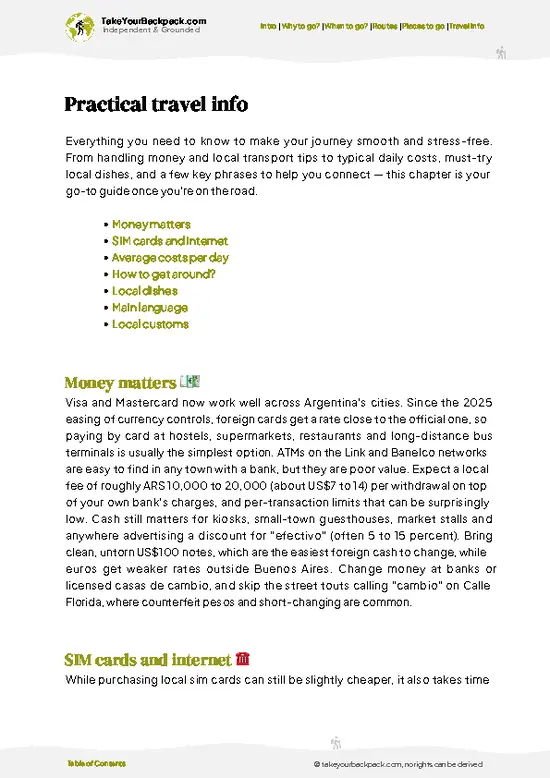
example page 0 from our offline Travel Guide for Argentinaexample page 1 from our offline Travel Guide for Argentinaexample page 2 from our offline Travel Guide for Argentinaexample page 3 from our offline Travel Guide for Argentinaexample page 4 from our offline Travel Guide for Argentinaexample page 5 from our offline Travel Guide for Argentinaexample page 6 from our offline Travel Guide for Argentinaexample page 7 from our offline Travel Guide for Argentina
The digital guide (542 pages) contains:
143 highlights, ranked by travel appeal
Optimized 14, 21 & 30-day travel routes
Cities, national parks, landmarks, beaches
How to get around
Offline-friendly for travel without Wi-Fi
👉 Click to see all 30+ guide features

📅 Plan smarter in minutes, not weeks
Month by month travel advice
Festivals & national holidays
Budget expectations

🗺️ Go to the right places, skip the overrated ones
Honest pros & cons of destinations
Top hikes, parks & viewpoints
Lesser-known places most travelers miss
Clear “worth it vs skip it” guidance

🛏️ Travel smoothly without rookie mistakes
Best areas to stay
Transport systems explained simply
Common scams & safety advice
SIM cards, money & practical tips

🌍 Understand the country, not just visit it
Culture & traditions
52 Essential phrases & customs
Festivals worth planning around
Traveler-friendly historical context
Insights that make places more meaningful

📱 Built for real travel conditions
Fully downloadable PDF
Works completely offline
Optimized for phone use
Useful in remote areas & buses
Everything in one place
Save weeks of stressful planning
Get instant access to your full guide. 30‑day money-back guarantee.


Sent to your inbox immediately after payment • 100% Secure Checkout
Best Backpacking Travel Advisor 2025 tourism awardBest Backpacking
Travel Advisor
2025
What others say about Take Your Backpack Guides:
⭐⭐⭐⭐⭐
Fantastic, amazing amount of information!
⭐⭐⭐⭐⭐
My goodness this is amazing, it's what I've been looking for hats off too you!
⭐⭐⭐⭐⭐
I think this is absolutely BRILLIANT
⭐⭐⭐⭐
Very complete and informative. It's still missing places, but I gotta to commend you
⭐⭐⭐⭐⭐
This is truly amazing, thank you, can't wait to explore it with my kids!
⭐⭐⭐⭐⭐
Awesome resource, thank you!
⭐⭐⭐⭐⭐
This is amazing! Can't wait to explore the ones I haven't seen
⭐⭐⭐⭐
I love this! Well done, great idea.
⭐⭐⭐⭐⭐
Thanks for taking the time to make this gem!
⭐⭐⭐⭐⭐
This might be the best website I've ever seen.
⭐⭐⭐⭐⭐
Congratulations, and thank you so much for your work; it's incredibly valuable.
⭐⭐⭐⭐
In all seriousness I think you did a great job pointing out the important spots
⭐⭐⭐⭐⭐
10/10 very good
⭐⭐⭐⭐⭐
As someone who's only just starting to visit regularly this is awesome, thank you.
⭐⭐⭐⭐
Thank you very much! I'm going to visit my dad, it's going to be very useful!
⭐⭐⭐⭐⭐
This is really cool! We'll be travelling for the first time and this definitely come in handy.
⭐⭐⭐⭐⭐
You are now our minister of culture, congratulations 👨‍💼
⭐⭐⭐⭐⭐
Just wanted to tell you that this is a pearl! Going to follow your recommendations.
⭐⭐⭐⭐⭐
This is so cool. I'll definitely be using the resource for my travels soon.
⭐⭐⭐⭐⭐
This is very impressive! Good work.
⭐⭐⭐⭐⭐
This is an amazing and informative site. Very well done!

🛏️ Where to stay?Best areas and accommodation options

San Telmo is the classic backpacker hotspot in Buenos Aires, and for good reason. It strikes a smart balance between budget and atmosphere. You’ll find plenty of hostels packed with solo travelers and small groups, making it easy to connect. The cobblestone streets and street art give it character without the tourist overload of other areas. It’s safe enough by Buenos Aires standards, especially around the main plaza, and the nightlife is lively but not overwhelming. Staying here means sacrificing a bit of modern polish for authentic charm and social buzz.

Palermo is a step up in comfort and … read more 👉
San Telmo is the classic backpacker hotspot in Buenos Aires, and for good reason. It strikes a smart balance between budget and atmosphere. You’ll find plenty of hostels packed with solo travelers and small groups, making it easy to connect. The cobblestone streets and street art give it character without the tourist overload of other areas. It’s safe enough by Buenos Aires standards, especially around the main plaza, and the nightlife is lively but not overwhelming. Staying here means sacrificing a bit of modern polish for authentic charm and social buzz.

Palermo is a step up in comfort and style but still friendly to budget travelers who want a bit more room to breathe. It’s sprawling, so pick your sub-area carefully—Palermo Soho is trendier and busier, while Palermo Hollywood leans into nightlife and dining. Hostels here tend to be newer and sometimes pricier, but you gain access to leafy parks, boutique shops, and a more cosmopolitan vibe. The trade-off is paying a bit more and walking longer distances, but you get a safer, cleaner environment with plenty of social opportunities.

Recoleta is the posh option, less backpacker-centric but worth considering if you want quiet streets and easy access to museums and cafes. Hostels are fewer and tend to be pricier, so you’re trading budget for comfort and calm. It’s the least social of the three but offers a safe, polished base if you want to recharge between adventures.

In short: San Telmo for social grit and budget, Palermo for a hip, balanced mix, and Recoleta if comfort edges out cost and socializing. Each neighborhood shifts the time-money-comfort equation differently—choose what you’re willing to trade off.

🚌 Getting aroundMoving around without the hassle

Buenos Aires moves with a curious rhythm—part tango’s deliberate precision, part street vendor’s spontaneous shout. It’s a city where schedules exist but bend under the weight of human unpredictability. You’ll find buses that arrive on a timetable only loosely, and subways that run like clockwork but pack in bodies like sardines. The flow here is a dance between order and chaos, and mastering it means knowing when to lean into structure and when to embrace the city’s improvisational pulse. For a budget traveler, this means making smart choices about how you move—balancing time, money, and comfort to get the most out of your day without burning out.


  • Subte (Buenos Aires Subway): Runs roughly from 5:30 AM to midnight, with trains every 3-10 minutes depending on the line and time of day. At
read more 👉
Buenos Aires moves with a curious rhythm—part tango’s deliberate precision, part street vendor’s spontaneous shout. It’s a city where schedules exist but bend under the weight of human unpredictability. You’ll find buses that arrive on a timetable only loosely, and subways that run like clockwork but pack in bodies like sardines. The flow here is a dance between order and chaos, and mastering it means knowing when to lean into structure and when to embrace the city’s improvisational pulse. For a budget traveler, this means making smart choices about how you move—balancing time, money, and comfort to get the most out of your day without burning out.


  • Subte (Buenos Aires Subway): Runs roughly from 5:30 AM to midnight, with trains every 3-10 minutes depending on the line and time of day. At about 30 pesos per ride, it’s the fastest way to cover long distances across the city, especially during rush hour when traffic chokes the streets. It’s not luxurious—expect crowded cars and minimal air conditioning—but it’s reliable and efficient if you’re on a tight schedule.


  • Colectivos (City Buses): Operating 24/7 with varying frequencies, colectivos are the city’s veins, reaching corners the subway can’t touch. Fares hover around 30 pesos, paid via the SUBE card, and routes crisscross like a complex web. They’re slower, often stuck in traffic, but offer a window into daily life and neighborhoods beyond the tourist circuit. Comfort is basic—no air conditioning on many lines—but the price and reach make them indispensable for budget travelers willing to trade time for experience.


  • Walking: Buenos Aires is a sprawling city, but many of its key neighborhoods—Palermo, San Telmo, Recoleta—are best explored on foot. Walking costs nothing, lets you absorb the city’s textures, and often saves time on short hops where waiting for transit would be longer than the walk itself. The city’s grid layout helps with navigation, but watch for uneven sidewalks and occasional aggressive drivers at crosswalks.


  • Trenes (Suburban Trains): If your itinerary stretches beyond the city center, the commuter trains are a budget-friendly option, with fares starting around 10 pesos. They run from early morning until late evening but can be slow and crowded during peak hours. Comfort is basic, and schedules can be irregular, so plan carefully if you’re using trains to reach outer neighborhoods or day-trip destinations.


  • Taxi and Remis: While not budget staples, taxis and remis (pre-booked private cars) offer a middle ground in comfort and speed, especially late at night when public transit thins out. Expect to pay 200-400 pesos for typical city rides, which can add up quickly. Use them strategically—say, after a late dinner or when carrying heavy gear—to save time and energy without breaking the bank.

👛 Costs (as of 7 May 2025)How expensive it really is

Buenos Aires offers a backpacking budget that’s surprisingly manageable, but knowing where your money goes helps you play the game smart.
  • Dorm Accommodation (High Season): Expect to pay around $12 to $18 USD per night. High season, typically summer months and holidays, pushes prices up due to demand, especially in popular neighborhoods like Palermo or San Telmo.
  • Dorm Accommodation (Off-Season): Drop to about $8 to $12 USD per night. The quieter months give you more breathing room and better deals, perfect if you’re flexible with timing.
  • Meals: Street food and casual local spots will run you about $5 to $10 USD per meal. If you stick to empanadas, choripán, or a slice of pizza, you’ll keep costs low without sacrificing flavor. Mid-range meals in a modest restaurant might push closer to $12
read more 👉
Buenos Aires offers a backpacking budget that’s surprisingly manageable, but knowing where your money goes helps you play the game smart.
  • Dorm Accommodation (High Season): Expect to pay around $12 to $18 USD per night. High season, typically summer months and holidays, pushes prices up due to demand, especially in popular neighborhoods like Palermo or San Telmo.
  • Dorm Accommodation (Off-Season): Drop to about $8 to $12 USD per night. The quieter months give you more breathing room and better deals, perfect if you’re flexible with timing.
  • Meals: Street food and casual local spots will run you about $5 to $10 USD per meal. If you stick to empanadas, choripán, or a slice of pizza, you’ll keep costs low without sacrificing flavor. Mid-range meals in a modest restaurant might push closer to $12 to $20 USD.
  • Local Transport: Single bus or subway rides cost roughly $0.30 to $0.50 USD. It’s cheap, but hopping on and off adds up if you’re moving around a lot.
  • City Transport Pass: A SUBE card loaded with about $5 to $10 USD gives you flexibility and convenience for multiple trips daily, often saving money if you plan to explore extensively.
  • Basic Activities/Entry Fees: Museums and cultural sites typically charge between $2 and $6 USD. Some days offer free entry, so timing your visits can stretch your budget further.
  • Miscellaneous Expenses: Think water, snacks, occasional coffee, or small souvenirs—budget around $3 to $7 USD daily. These little extras add up but are essential for comfort and convenience.

All told, you’re looking at a daily spend between $25 and $45 USD for a solid backpacking experience in Buenos Aires. This range balances comfort and economy without skimping on the essentials. Knowing these trade-offs lets you decide where to tighten or loosen the purse strings, turning your trip into a strategic win rather than a financial scramble.


source: turismo.buenosaires.gob.ar
⚠️ Prices can change and everyone travels differently, so take this as a rough guide. Hope it helps you plan your adventure!

🚌 Day tripsShort trips worth adding

Buenos Aires is a fantastic launchpad for day trips that offer a taste of Argentina’s diverse landscapes and cultures. Here are some standout options that pack a punch without draining your wallet.

Tigre Delta
Just an hour north of Buenos Aires, the Tigre Delta is a labyrinth of waterways and lush greenery. You can hop on a train from Retiro Station for about $2. Once there, rent a kayak or take a boat tour to explore the charming riverside houses and local markets. The vibrant atmosphere is perfect for a leisurely day, especially in spring or early summer when the flora is in full bloom. A common mistake is sticking to the main tourist routes; venture into the smaller channels for a more authentic experience.
👉 Explore Tigre Delta

Colonia del Sacramento
Crossing the Río de la Plata … read more 👉
Buenos Aires is a fantastic launchpad for day trips that offer a taste of Argentina’s diverse landscapes and cultures. Here are some standout options that pack a punch without draining your wallet.

Tigre Delta
Just an hour north of Buenos Aires, the Tigre Delta is a labyrinth of waterways and lush greenery. You can hop on a train from Retiro Station for about $2. Once there, rent a kayak or take a boat tour to explore the charming riverside houses and local markets. The vibrant atmosphere is perfect for a leisurely day, especially in spring or early summer when the flora is in full bloom. A common mistake is sticking to the main tourist routes; venture into the smaller channels for a more authentic experience.
👉 Explore Tigre Delta

Colonia del Sacramento
Crossing the Río de la Plata to Colonia del Sacramento in Uruguay is a breeze. The ferry ride takes about an hour and costs around $25 round trip. This UNESCO World Heritage site is known for its cobblestone streets and colonial architecture. Spend the day wandering through the historic district, sampling local cuisine, and soaking in the laid-back vibe. The best time to visit is during the shoulder seasons of spring and fall, when the weather is mild and the crowds are thinner. Don’t forget your passport; first-timers often overlook this crucial detail.


San Antonio de Areco
About two hours from the city, San Antonio de Areco is a charming town that embodies the gaucho culture. You can catch a bus for around $10. The town is famous for its leather artisans and traditional asado (barbecue). Spend your day exploring the local shops and enjoying a hearty meal at a parrilla. The best time to visit is during the annual Fiesta de la Tradición in November, but any time will give you a taste of rural Argentine life. A common pitfall is underestimating the bus schedules; plan ahead to maximize your time.


La Plata
Just an hour away, La Plata is the capital of Buenos Aires Province and boasts impressive architecture, including the stunning Cathedral and the unique Casa de Gobierno. A train ticket will set you back about $5. The city is also home to the Natural History Museum, which is worth a visit if you’re into fossils and dinosaurs. Spring and fall are ideal for exploring the parks and plazas. First-timers often miss the vibrant street art scene; keep your eyes peeled as you wander.


These day trips not only enrich your experience but also allow you to balance time, money, and comfort effectively. Each offers a unique slice of Argentine life, making your Buenos Aires adventure all the more rewarding.
Want to know what more Argentina offers?
The Argentina Travel Guide describes 143 highlights, from cities to national parks, from beaches to hikes

Get the Travel Guide -

🍲 FoodLocal Cuisine & Drinks

In Buenos Aires, food and drinks are more than sustenance; they’re a way of life. Start with the asado, Argentina’s legendary barbecue. Picture smoky meats sizzling over an open flame, served with chimichurri that packs a punch. You’ll find this at local parrillas, where the atmosphere buzzes with laughter and the clinking of glasses.

Don’t miss the empanadas—savory pastries filled with everything from beef to cheese. Street vendors sell them hot, and biting into one is like tasting a piece of local culture. Pair it with a glass of Malbec, the region’s pride, or try fernet con coca, a uniquely Argentine cocktail that’s surprisingly refreshing.

Markets like San Telmo are a treasure trove for backpackers. Here, you can graze on street food while soaking in the vibrant energy. The food stallsread more 👉
In Buenos Aires, food and drinks are more than sustenance; they’re a way of life. Start with the asado, Argentina’s legendary barbecue. Picture smoky meats sizzling over an open flame, served with chimichurri that packs a punch. You’ll find this at local parrillas, where the atmosphere buzzes with laughter and the clinking of glasses.

Don’t miss the empanadas—savory pastries filled with everything from beef to cheese. Street vendors sell them hot, and biting into one is like tasting a piece of local culture. Pair it with a glass of Malbec, the region’s pride, or try fernet con coca, a uniquely Argentine cocktail that’s surprisingly refreshing.

Markets like San Telmo are a treasure trove for backpackers. Here, you can graze on street food while soaking in the vibrant energy. The food stalls offer everything from choripán (chorizo sandwiches) to dulce de leche desserts.

When it comes to drinking customs, be prepared for the mate ritual. Sharing this herbal tea is a social event, so don’t be shy—join in! Just remember, it’s polite to pass the gourd back to the person who served you.

In Buenos Aires, every bite and sip tells a story. Embrace the flavors, and you’ll leave with more than just memories.

🛡️ SafetyStaying Safe: What Travelers Should Know

Buenos Aires is generally safe for backpackers, but a few areas and situations warrant extra awareness. Stick to well-trafficked neighborhoods like Palermo and Recoleta, especially at night. While the city has a vibrant nightlife, it’s wise to travel in groups or use reputable rideshare apps after dark.

Common scams include the “friendly local” who offers unsolicited help, often leading to a request for money. Keep your belongings close, especially in crowded areas like San Telmo or La Boca, where pickpockets can be a nuisance.

When using ATMs, choose those located inside banks or busy areas to minimize risk. If someone approaches you with a sob story, it’s best to politely decline and walk away.

Overall, carry yourself with confidence and be aware of your surroundings. This mindset … read more 👉
Buenos Aires is generally safe for backpackers, but a few areas and situations warrant extra awareness. Stick to well-trafficked neighborhoods like Palermo and Recoleta, especially at night. While the city has a vibrant nightlife, it’s wise to travel in groups or use reputable rideshare apps after dark.

Common scams include the “friendly local” who offers unsolicited help, often leading to a request for money. Keep your belongings close, especially in crowded areas like San Telmo or La Boca, where pickpockets can be a nuisance.

When using ATMs, choose those located inside banks or busy areas to minimize risk. If someone approaches you with a sob story, it’s best to politely decline and walk away.

Overall, carry yourself with confidence and be aware of your surroundings. This mindset not only enhances your experience but also helps you navigate the city like a local.

Other Argentinian cities near Buenos Aires

Explore more nearby:


💡 Not sure where to go next?
Create a personalized itinerary for Argentina including Buenos Aires and the places that fit your trip.

Generate my itinerary

👉 Discover all cities

Or checkout all Argentina has to offer (think cities, towns, villages, national parks, hikes, beaches, festivals)
Country photo of Argentina

We 💚 feedbackWhat to keep in mind

Buenos Aires is a dance of culture and chaos, where every street corner pulses with life. The food scene? Absolutely worth the splurge—think asado and empanadas that’ll make your taste buds tango. But here’s the catch: the city can be overwhelming. The hustle can drain your energy, especially if you’re not used to the late-night vibe. Embrace the rhythm, but know when to recharge. It’s a balancing act that makes the experience richer.

✈️ When did I visit Argentina?
I have visited Argentina, together with Chile, in September 2012.

✍️ Help improve this page!
The information on this page is based on my own backpacking experience in Argentina, supplemented with up-to-date research and feedback from other travelers. Travel details can change, so if you notice anything outdated or incomplete, feel free to let me know.


🙋‍♂️ Give feedback

👋 Meet the founderWho’s Behind Take Your Backpack?

Johan, backpacker and founder of TakeYourBackpackHi, I’m Johan (Netherlands 🇳🇱), the creator of TakeYourBackpack. Over the past decade, I’ve backpacked through 80+ countries across six continents, gaining extensive experience with independent travel, long-term trips, and overland routes.

This site is built on a combination of firsthand travel experience and carefully curated insights from other backpackers. Many guides are based on places I’ve personally visited, while others bring together tips, observations, and practical advice shared by trusted travelers I’ve met along the way.

The goal is to provide realistic, experience-driven guidance — not generic itineraries — so you can explore destinations with better context, clearer expectations, and more confidence.

Get full Argentina guide •
Instant download • 143 highlights • Full Offline guide