×

Argentina🇦🇷 | landmarksCampo de Piedra Pómezvolcanic rock formations, white pumice fields, high-altitude desert | things to do and best time to go

Explore Puerto IguazúExplore Cañón del Atuel

Backpacking in Campo de Piedra Pómez
🌟 Highlightunique site ranked #6
By Johan Kruseman 🇳🇱 | Updated September 4, 2026

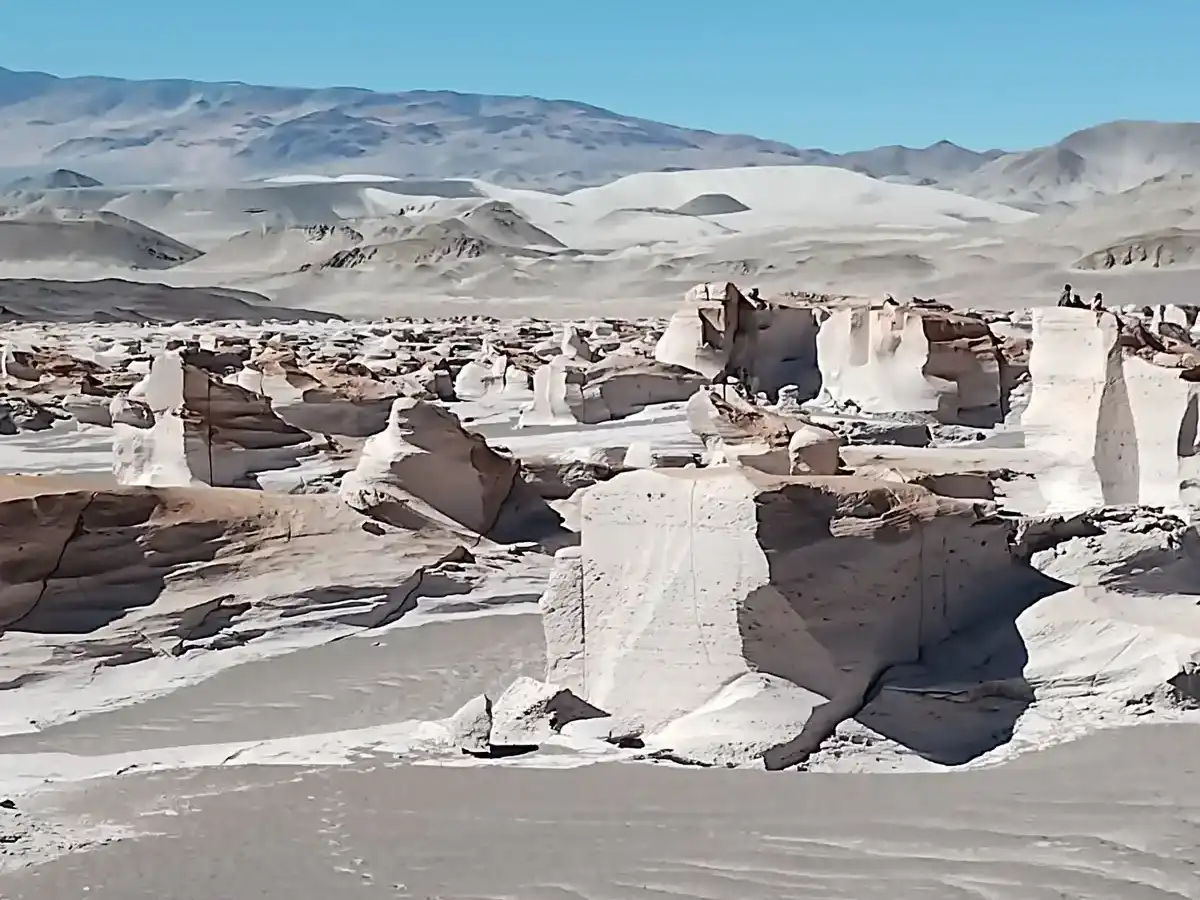
Campo de Piedra Pómez is the rare “Instagram place” where the photos actually undersell how harsh and remote it feels; most summaries skip the fact that you’re basically in high-altitude desert where a flat tire can ruin your week. It sits in Catamarca Province, in Argentina’s northwest, way out in the Puna, closer in spirit to Bolivia than to Buenos Aires. As a backpacker destination, it’s wild: otherworldly white pumice formations, volcanoes on the horizon, almost no crowds, and photos that look like you faked them in Photoshop. But it’s expensive to reach, usually requires a 4x4 tour, and there’s zero cultural infrastructure on-site—no little museum, no deep story, just raw geology and silence. If you crave comfort, skip it. If you crave Mars, go.

Discover everything you want to know in the 📖 Argentina Travel Guide.
Loading the map 🌍
CLICK TO FILTER
cities
towns
villages
landmarks
national parks
hikes
beaches
attractions
festivals
regions
SHOW COUNTRY’S BESTSHOW ALL

✨ Why go?
Ranked #6 unique site in Argentina
What sets this place apart

Campo de Piedra Pómez is not your typical Instagram backdrop. Sure, it’s a stunning landscape of white volcanic rock formations, but let’s get real: the crowds can be overwhelming, especially during peak season. If you’re looking for solitude, you might need to time your visit right.

But here’s the kicker: the effort-to-reward ratio is solid. It’s a bit off the beaten path, but that’s what makes it special. The accessibility is decent; you can reach it by car from nearby towns like Tolar Grande. The drive itself is a wild ride through the Argentine highlands, making the journey part of the adventure.

And let’s talk cost: it’s practically free, aside from gas and maybe a few snacks. This site fits perfectly into a broader route through the Puna region, allowing you to explore other unique … read more 👉
Campo de Piedra Pómez is not your typical Instagram backdrop. Sure, it’s a stunning landscape of white volcanic rock formations, but let’s get real: the crowds can be overwhelming, especially during peak season. If you’re looking for solitude, you might need to time your visit right.

But here’s the kicker: the effort-to-reward ratio is solid. It’s a bit off the beaten path, but that’s what makes it special. The accessibility is decent; you can reach it by car from nearby towns like Tolar Grande. The drive itself is a wild ride through the Argentine highlands, making the journey part of the adventure.

And let’s talk cost: it’s practically free, aside from gas and maybe a few snacks. This site fits perfectly into a broader route through the Puna region, allowing you to explore other unique spots like Salinas Grandes and Laguna Colorada. It’s not just a stop; it’s a piece of a larger, unforgettable experience.
Want to include Campo de Piedra Pómez in your Argentina route?
Create a personalized Argentina itinerary that includes Campo de Piedra Pómez and the places that fit your trip — based on your travel style, budget, and available time. Get your route in seconds.

Generate my trip

💡 HighlightsPlaces and moments you shouldn't skip

  1. Sea of Pumice — an almost endless carpet of white, porous pumice boulders that makes the whole valley feel lunar. The scale and texture are what stick with you: walk a few hundred meters and the landscape still reads the same, which is oddly humbling and beautiful.
  2. Wind-sculpted formations — pockets, arches and honeycomb-like tafoni carved into the pumice by wind and sand. They’re small sculptural worlds; get close and the fragile patterns and shadows are surprisingly intricate and photogenic.
  3. Sunrise and sunset on the field — low light turns the white pumice to soft pinks, ochres and long dramatic shadows. The scale plus changing light is cinematic — my personal favorite for the quiet, otherworldly colors and the way the place “wakes up.”
  4. Ephemeral lagoons and birdlife — after rains
read more 👉
  1. Sea of Pumice — an almost endless carpet of white, porous pumice boulders that makes the whole valley feel lunar. The scale and texture are what stick with you: walk a few hundred meters and the landscape still reads the same, which is oddly humbling and beautiful.
  2. Wind-sculpted formations — pockets, arches and honeycomb-like tafoni carved into the pumice by wind and sand. They’re small sculptural worlds; get close and the fragile patterns and shadows are surprisingly intricate and photogenic.
  3. Sunrise and sunset on the field — low light turns the white pumice to soft pinks, ochres and long dramatic shadows. The scale plus changing light is cinematic — my personal favorite for the quiet, otherworldly colors and the way the place “wakes up.”
  4. Ephemeral lagoons and birdlife — after rains shallow salt pans and lagoons appear, attracting shorebirds and sometimes flamingos. It’s a neat contrast: stark white pumice one minute, glittering water and birds the next.
  5. Geological story — the whole site is a visible record of violent volcanic eruptions and subsequent erosion; the pumice blankets, layers and the way the ground behaves are a living textbook. For anyone into earth history, it’s a rare place where processes are obvious at walking scale.
  6. Night sky and solitude — remote, low on light pollution, and vast by day, so by night the Milky Way feels huge and uncrowded. Bring a jacket—desert nights get cold—and a headlamp with a red setting so you don’t ruin the view for everyone.
  7. Desert trekking and on-site etiquette — navigating the soft pumice, small dunes and scattered boulders is its own skill: slow walking, boot traction, and respecting fragile crusts. Access is best with a guide or a sturdy 4x4; everything here is fragile and protected, so pack out everything and stick to recommended routes.
Spotted a mistake or missing something? Contact us.
🌤️ When to go?Best time to visit Campo de Piedra Pómez


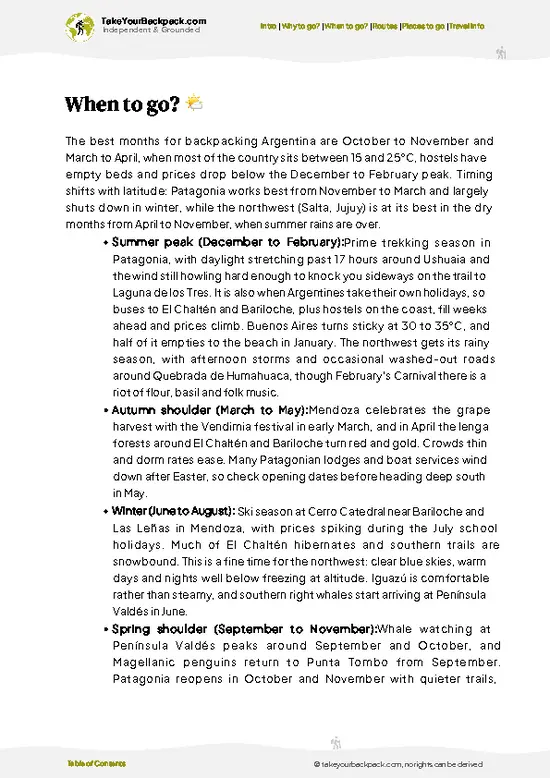
  • Weather: Campo de Piedra Pómez is in a high desert, so expect dry conditions year-round. Summers (December to February) can scorch with highs around 30-35°C (86-95°F), making midday trekking brutal. Winters (June to August) drop to a chilly 5-10°C (41-50°F), with freezing nights that test your gear.

  • Temperature: Spring (September-November) and fall (March-May) offer the best balance—daytime temps hover between 15-25°C (59-77°F), perfect for long hikes without frying or freezing.

  • Daylight Hours: Summer brings long days, up to 14 hours of light, which is great for exploring but also means hotter conditions. Winter days shrink to about 10 hours, limiting your window for adventure.

  • Crowds: This isn’t a tourist hotspot, but summer sees a slight bump in visitors, mostly local weekenders.
read more 👉

  • Weather: Campo de Piedra Pómez is in a high desert, so expect dry conditions year-round. Summers (December to February) can scorch with highs around 30-35°C (86-95°F), making midday trekking brutal. Winters (June to August) drop to a chilly 5-10°C (41-50°F), with freezing nights that test your gear.

  • Temperature: Spring (September-November) and fall (March-May) offer the best balance—daytime temps hover between 15-25°C (59-77°F), perfect for long hikes without frying or freezing.

  • Daylight Hours: Summer brings long days, up to 14 hours of light, which is great for exploring but also means hotter conditions. Winter days shrink to about 10 hours, limiting your window for adventure.

  • Crowds: This isn’t a tourist hotspot, but summer sees a slight bump in visitors, mostly local weekenders. Spring and fall keep it quiet, letting you soak in the surreal landscape without feeling like you’re in a nature-themed theme park.

  • Seasonal Activities: Spring and fall are prime for hiking and photography, with clearer skies and comfortable temps. Summer’s heat discourages long treks, and winter’s cold can freeze the ground, making some paths tricky.

  • Price Fluctuations: Accommodation and transport costs stay fairly stable year-round due to the site’s remote nature. However, summer can push prices up slightly because of increased demand from local tourists.


Pro-tip: Aim for early fall—fewer crowds, manageable temps, and the landscape’s colors shift subtly, giving you a richer, more personal experience without the Instagram crowd stampede.


source: climatestotravel.comJANJanuary: good for travelingFEBFebruary: good for travelingMARMarch: highly recommended for travelingAPRApril: highly recommended for travelingMAYMay: highly recommended for travelingJUNJune: fair for travelingJULJuly: fair for travelingAUGAugust: fair for travelingSEPSeptember: excellent for travelingOCTOctober: excellent for travelingNOVNovember: excellent for travelingDECDecember: good for traveling
argentina-unique-site-campo-de-piedra-pomez
© Google | Natalia Perez

✈️ The backpacker research shortcutArgentina Travel Guide

An offline-friendly backpacking guide with optimized travel routes, ranked highlights, transport advice, and the best areas to stay.
example page 0 from our offline Travel Guide for Argentina
example page 1 from our offline Travel Guide for Argentina
example page 2 from our offline Travel Guide for Argentina
example page 3 from our offline Travel Guide for Argentina
example page 4 from our offline Travel Guide for Argentina
example page 5 from our offline Travel Guide for Argentina
example page 6 from our offline Travel Guide for Argentina
example page 7 from our offline Travel Guide for Argentina
The digital guide (505 pages) contains:
135 highlights, ranked by travel appeal
Optimized 14, 21 & 30-day travel routes
Cities, national parks, landmarks, beaches
How to get around
Offline-friendly for travel without Wi-Fi
👉 Click to see all 30+ guide features

📅 Plan smarter in minutes, not weeks
Month by month travel advice
Festivals & national holidays
Budget expectations

🗺️ Go to the right places, skip the overrated ones
Honest pros & cons of destinations
Top hikes, parks & viewpoints
Lesser-known places most travelers miss
Clear “worth it vs skip it” guidance

🛏️ Travel smoothly without rookie mistakes
Best areas to stay
Transport systems explained simply
Common scams & safety advice
SIM cards, money & practical tips

🌍 Understand the country, not just visit it
Culture & traditions
52 Essential phrases & customs
Festivals worth planning around
Traveler-friendly historical context
Insights that make places more meaningful

📱 Built for real travel conditions
Fully downloadable PDF
Works completely offline
Optimized for phone use
Useful in remote areas & buses
Everything in one place
Save weeks of stressful planning
Get instant access to your full guide. 30‑day money-back guarantee.
+ Add another guide for just US$7.80

By proceeding you agree to our terms.
Sent to your inbox immediately after payment • 100% Secure Checkout
Best Backpacking Travel Advisor 2025 tourism awardBest Backpacking
Travel Advisor
2025
What others say about Take Your Backpack Guides:
⭐⭐⭐⭐⭐
Fantastic, amazing amount of information!
⭐⭐⭐⭐⭐
My goodness this is amazing, it's what I've been looking for hats off too you!
⭐⭐⭐⭐⭐
I think this is absolutely BRILLIANT
⭐⭐⭐⭐
Very complete and informative. It's still missing places, but I gotta to commend you
⭐⭐⭐⭐⭐
This is truly amazing, thank you, can't wait to explore it with my kids!
⭐⭐⭐⭐⭐
Awesome resource, thank you!
⭐⭐⭐⭐⭐
This is amazing! Can't wait to explore the ones I haven't seen
⭐⭐⭐⭐
I love this! Well done, great idea.
⭐⭐⭐⭐⭐
Thanks for taking the time to make this gem!
⭐⭐⭐⭐⭐
This might be the best website I've ever seen.
⭐⭐⭐⭐⭐
Congratulations, and thank you so much for your work; it's incredibly valuable.
⭐⭐⭐⭐
In all seriousness I think you did a great job pointing out the important spots
⭐⭐⭐⭐⭐
10/10 very good
⭐⭐⭐⭐⭐
As someone who's only just starting to visit regularly this is awesome, thank you.
⭐⭐⭐⭐
Thank you very much! I'm going to visit my dad, it's going to be very useful!
⭐⭐⭐⭐⭐
This is really cool! We'll be travelling for the first time and this definitely come in handy.
⭐⭐⭐⭐⭐
You are now our minister of culture, congratulations 👨‍💼
⭐⭐⭐⭐⭐
Just wanted to tell you that this is a pearl! Going to follow your recommendations.
⭐⭐⭐⭐⭐
This is so cool. I'll definitely be using the resource for my travels soon.
⭐⭐⭐⭐⭐
This is very impressive! Good work.
⭐⭐⭐⭐⭐
This is an amazing and informative site. Very well done!

🛏️ Where to stay?Best areas to stay in Argentina

Campo de Piedra Pómez is a surreal landscape that feels like stepping onto another planet. But let’s get real: the journey to this otherworldly site can be a bit of a trek, and finding the right place to stay is crucial.

Start in Tolar Grande. This small village is your best bet. It’s remote, but that’s part of its charm. You’ll find a few cozy hostels where the vibe is friendly and communal. Expect to swap stories over a shared meal or a cup of mate. The locals are welcoming, and you’ll get a taste of authentic Argentine culture.

Another option is San Antonio de los Cobres. It’s a bit busier, … read more 👉
Campo de Piedra Pómez is a surreal landscape that feels like stepping onto another planet. But let’s get real: the journey to this otherworldly site can be a bit of a trek, and finding the right place to stay is crucial.

Start in Tolar Grande. This small village is your best bet. It’s remote, but that’s part of its charm. You’ll find a few cozy hostels where the vibe is friendly and communal. Expect to swap stories over a shared meal or a cup of mate. The locals are welcoming, and you’ll get a taste of authentic Argentine culture.

Another option is San Antonio de los Cobres. It’s a bit busier, but it offers more amenities. Here, you can connect with fellow travelers and plan your Campo de Piedra Pómez adventure. The town has a rugged beauty, and the surrounding mountains are a sight to behold.

Both areas are safe and cater to budget travelers. Just remember, the real magic lies in the journey and the people you meet along the way.

👛 Costs (as of 4 September 2026)Typical daily expenses

Visiting Campo de Piedra Pómez in Argentina is a unique experience, but it comes with its own set of costs. Here’s a breakdown to help you plan your adventure.
  • Transportation: Getting to Campo de Piedra Pómez typically involves a drive from the nearest town, which is approximately 60 km away. Expect to pay around $30 to $50 USD for a taxi or a shared ride. If you’re renting a car, budget for about $40 to $70 USD per day, plus fuel costs.
  • Entrance Fees: There’s no formal entrance fee for Campo de Piedra Pómez itself, but if you’re visiting as part of a guided tour, those can range from $50 to $100 USD, depending on the inclusions like meals or additional stops.
  • Accommodation: The closest accommodations are in the town of Tolar Grande. Prices here can vary widely, from $20 to $60 USD for basic
read more 👉
Visiting Campo de Piedra Pómez in Argentina is a unique experience, but it comes with its own set of costs. Here’s a breakdown to help you plan your adventure.
  • Transportation: Getting to Campo de Piedra Pómez typically involves a drive from the nearest town, which is approximately 60 km away. Expect to pay around $30 to $50 USD for a taxi or a shared ride. If you’re renting a car, budget for about $40 to $70 USD per day, plus fuel costs.
  • Entrance Fees: There’s no formal entrance fee for Campo de Piedra Pómez itself, but if you’re visiting as part of a guided tour, those can range from $50 to $100 USD, depending on the inclusions like meals or additional stops.
  • Accommodation: The closest accommodations are in the town of Tolar Grande. Prices here can vary widely, from $20 to $60 USD for basic hostels to $80 to $150 USD for more comfortable lodgings. Book ahead, especially during peak seasons.
  • Food and Drink: Dining options are limited. Expect to spend about $10 to $20 USD per meal at local eateries. If you’re self-catering, groceries might run you around $30 to $50 USD for a few days’ worth of supplies.
  • Guided Tours: If you want a deeper experience, consider a guided tour. These can cost anywhere from $100 to $200 USD, depending on the length and what’s included. Some tours offer unique insights and access to areas you might not explore on your own.

Be prepared for the remote setting. The beauty of Campo de Piedra Pómez lies in its isolation and raw landscape, which can be overshadowed by the logistics of getting there. Plan wisely, and you’ll find the real magic in the journey.


source: argentina.gob.ar
⚠️ Prices can change and everyone travels differently, so take this as a rough guide. Hope it helps you plan your adventure!

FAQTraveler FAQ

Campo de Piedra Pómez is a vast natural reserve in Argentina known for its unique landscape covered with white pumice stones formed by volcanic activity. It spans over 150 square kilometers and offers a surreal, moon-like terrain popular among hikers and nature enthusiasts.
You need about 4 to 6 hours to visit Campo de Piedra Pómez, enough time to explore the main trails and take in the scenery. Most visitors plan a half-day trip, but staying overnight nearby allows for a more relaxed experience and better light for photography.
To get to Campo de Piedra Pómez, travel to the town of Antofagasta de la Sierra in Catamarca Province, which is the closest access point. From there, you can hire a 4x4 vehicle or join a guided tour to cover the rough 40-kilometer dirt road leading to the reserve.
⚠️ Things can change over time, so always validate details locally before you go.

Other Argentinian landmarks near Campo de Piedra Pómez

Explore more nearby:

  • Cono de Arita—perfect volcanic cone, salt flat isolation, stark symmetry| 180 km away
  • Salar de Arízaro—vast salt basin, isolated desert, mineral deposits| 213 km away
  • Las Salinas Grandes—endless salt flats, polygonal crusts, high plateau| 355 km away

💡 Not sure where to go next?
Create a personalized itinerary for Argentina including Campo de Piedra Pómez and the places that fit your trip.

Generate my itinerary

👉 Discover all landmarks

Or checkout all Argentina has to offer (think cities, towns, villages, national parks, hikes, beaches, festivals)
Country photo of Argentina

We 💚 feedbackWhat to keep in mind

Campo de Piedra Pómez is a surreal playground of white rock formations that feels like stepping onto another planet. The sheer beauty is worth the trek, but brace yourself for the crowds. It can get busy, especially during peak season, which can dilute the magic. Still, if you can find a quiet moment among the formations, you’ll understand why this place is a must-see. Just be ready for a bit of chaos.

✈️ When did I visit Argentina?
I have visited Argentina, together with Chile, in September 2012.

✍️ Help improve this page!
The information on this page is based on my own backpacking experience in Argentina, supplemented with up-to-date research and feedback from other travelers. Travel details can change, so if you notice anything outdated or incomplete, feel free to let me know.


🙋‍♂️ Give feedback

👋 Meet the founderWho’s Behind Take Your Backpack?

Johan, backpacker and founder of TakeYourBackpackHi, I’m Johan (Netherlands 🇳🇱), the creator of TakeYourBackpack. Over the past decade, I’ve backpacked through 80+ countries across six continents, gaining extensive experience with independent travel, long-term trips, and overland routes.

This site is built on a combination of firsthand travel experience and carefully curated insights from other backpackers. Many guides are based on places I’ve personally visited, while others bring together tips, observations, and practical advice shared by trusted travelers I’ve met along the way.

The goal is to provide realistic, experience-driven guidance — not generic itineraries — so you can explore destinations with better context, clearer expectations, and more confidence.

Get full Argentina guide •
Instant download • 135 highlights • Full Offline guide