×

Argentina🇦🇷 | landmarksSalar de Arízarovast salt basin, isolated desert, mineral deposits | things to do and best time to go

Explore Quebrada del CóndorExplore Laguna Mar Chiquita

Backpacking in Salar de Arízaro
👍 Recommendedunique site ranked #8
By Johan Kruseman 🇳🇱 | Updated September 4, 2026

Most people don’t realize this: Salar de Arízaro is so little-developed that you can stand in the middle of one of the world’s largest salt flats and not see a single tour bus, shop, or selfie stick in sight. It sits in northwest Argentina, in the Puna of Salta Province, way out near the town of Tolar Grande. As a backpacker destination, it’s raw, remote, and more about silence than spectacle. The wow-factor is huge, especially around the Cono de Arita, but getting there is slow, dusty, and not cheap once you factor in 4x4 transport. No big crowds, almost no infrastructure, and very few safety nets. Photos look otherworldly, but the real payoff is that eerie, lunar calm that Instagram never quite captures.

Discover everything you want to know in the 📖 Argentina Travel Guide.
Loading the map 🌍
CLICK TO FILTER
cities
towns
villages
landmarks
national parks
hikes
beaches
attractions
festivals
regions
SHOW COUNTRY’S BESTSHOW ALL

✨ Why go?
Ranked #8 unique site in Argentina
What sets this place apart

Salar de Arízaro isn’t just another salt flat; it’s a mind-bending expanse that stretches over 1,600 square kilometers. Yes, it can get crowded, especially during peak season, but the sheer scale and otherworldly beauty make it worth your time. You’ll find yourself surrounded by crystal-white salt crusts that shimmer under the sun, creating a surreal landscape that feels like stepping onto another planet.

Getting there is relatively easy, with affordable transport options from nearby towns like Salinas Grandes. It fits perfectly into a broader route through the northwest, allowing you to explore charming villages and stunning mountains along the way.

The cost is low, especially considering the epic photo ops and the chance to experience a unique ecosystem. Don’t just chase the Instagram … read more 👉
Salar de Arízaro isn’t just another salt flat; it’s a mind-bending expanse that stretches over 1,600 square kilometers. Yes, it can get crowded, especially during peak season, but the sheer scale and otherworldly beauty make it worth your time. You’ll find yourself surrounded by crystal-white salt crusts that shimmer under the sun, creating a surreal landscape that feels like stepping onto another planet.

Getting there is relatively easy, with affordable transport options from nearby towns like Salinas Grandes. It fits perfectly into a broader route through the northwest, allowing you to explore charming villages and stunning mountains along the way.

The cost is low, especially considering the epic photo ops and the chance to experience a unique ecosystem. Don’t just chase the Instagram shots; take a moment to soak in the silence and vastness—that’s where the real magic lies.
Want to include Salar de Arízaro in your Argentina route?
Create a personalized Argentina itinerary that includes Salar de Arízaro and the places that fit your trip — based on your travel style, budget, and available time. Get your route in seconds.

Generate my trip

💡 HighlightsEssential experiences to have while visiting Salar de Arízaro

  • Cono de Arita — That lone white cone rising out of the salt plain is the poster image for Arízaro. People still debate whether it’s a salt diapir, an evaporite remnant or something else, but up close it’s surreal: perfect cone, bright white against rust-colored mountains. (Personal favorite — great for scale shots and watching light change at dawn.)
  • Salt crust polygons and textures — Walk close and you’ll see the honeycomb-like polygons, crust ridges and crystalline surfaces that make the ground look engineered. They’re oddly photogenic and tactile; great for macro shots or low-angle wide frames.
  • Mirror effect after rains — When the basin collects even thin water you get reflective stretches that throw back the sky. It’s not as famous as Uyuni for this, but when it happens the results
read more 👉
  • Cono de Arita — That lone white cone rising out of the salt plain is the poster image for Arízaro. People still debate whether it’s a salt diapir, an evaporite remnant or something else, but up close it’s surreal: perfect cone, bright white against rust-colored mountains. (Personal favorite — great for scale shots and watching light change at dawn.)
  • Salt crust polygons and textures — Walk close and you’ll see the honeycomb-like polygons, crust ridges and crystalline surfaces that make the ground look engineered. They’re oddly photogenic and tactile; great for macro shots or low-angle wide frames.
  • Mirror effect after rains — When the basin collects even thin water you get reflective stretches that throw back the sky. It’s not as famous as Uyuni for this, but when it happens the results are otherworldly and worth timing a visit around seasonal showers.
  • Vast, high-altitude panoramas — The salar sits at altitude with barren, colorful ranges and volcanoes rimmed around it. The scale—wide emptiness cut by distant peaks—gives a cinematic sense of space that’s hard to forget.
  • Stargazing and astrophotography — Thin air, low humidity and almost zero light pollution make this a top spot for Milky Way shots and long exposures. Bring a headlamp with a red mode and a tripod; nights are brutally dark and beautifully clear.
  • Andean wildlife in the margins — Look at the edges and you’ll often spot vicuñas, guanacos and hardy birds adapted to puna life. They add life to the stark landscape and are a joy to watch if you keep your distance and move quietly.
  • Remote, off-the-beaten-track vibe — Access is rough, services are minimal and there are fewer tourists than the Bolivian salt flats. That remoteness is part of the draw: fewer buses, more silence, and better chances to feel like you’ve stumbled onto something private and wild.
Spotted a mistake or missing something? Contact us.

🌤️ When to go?Seasonal considerations and timing


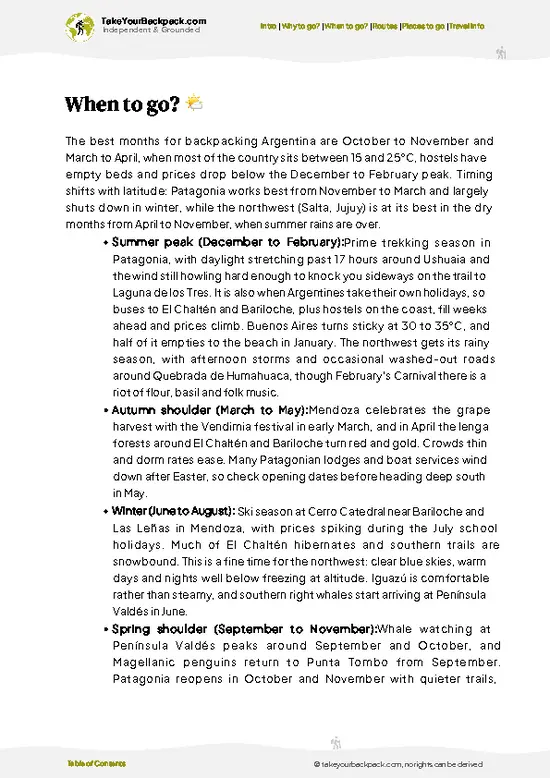
  • Weather: Salar de Arízaro sits high in the Andes, so expect dry, crisp air most of the year. Summer (December to February) brings occasional afternoon thunderstorms, which can turn the flats into a reflective mirror but also make access tricky.

  • Temperature: Days can hit a comfortable 20-25°C (68-77°F) in summer, but nights plunge below freezing, often -5°C (23°F) or colder. Winter (June to August) is brutally cold, with daytime highs barely reaching 10°C (50°F) and nights well below freezing.

  • Daylight Hours: Summer offers long days, up to 14 hours of light, perfect for exploring and photography. Winter days shrink to about 10 hours, limiting your window for adventure.

  • Crowds: This isn’t a tourist hotspot, but summer sees a modest bump in visitors, mostly day-trippers from nearby towns.
read more 👉

  • Weather: Salar de Arízaro sits high in the Andes, so expect dry, crisp air most of the year. Summer (December to February) brings occasional afternoon thunderstorms, which can turn the flats into a reflective mirror but also make access tricky.

  • Temperature: Days can hit a comfortable 20-25°C (68-77°F) in summer, but nights plunge below freezing, often -5°C (23°F) or colder. Winter (June to August) is brutally cold, with daytime highs barely reaching 10°C (50°F) and nights well below freezing.

  • Daylight Hours: Summer offers long days, up to 14 hours of light, perfect for exploring and photography. Winter days shrink to about 10 hours, limiting your window for adventure.

  • Crowds: This isn’t a tourist hotspot, but summer sees a modest bump in visitors, mostly day-trippers from nearby towns. Winter is quiet but harsher, so expect near solitude if you can handle the cold.

  • Seasonal Activities: Summer’s wet season can create surreal mirror effects on the salt flats, a photographer’s dream. Winter is better for trekking and camping without mud, but you’ll need serious cold-weather gear.

  • Price Fluctuations: Accommodation and tours around Salar de Arízaro tend to be pricier in summer due to demand and accessibility. Winter offers better deals but fewer services and tougher conditions.


Pro-tip: Aim for late spring or early autumn—fewer crowds, manageable temperatures, and a good balance between dry conditions and the chance for those mirror-like reflections.


source: climatestotravel.comJANJanuary: highly recommended for travelingFEBFebruary: highly recommended for travelingMARMarch: good for travelingAPRApril: highly recommended for travelingMAYMay: highly recommended for travelingJUNJune: fair for travelingJULJuly: fair for travelingAUGAugust: fair for travelingSEPSeptember: highly recommended for travelingOCTOctober: highly recommended for travelingNOVNovember: highly recommended for travelingDECDecember: highly recommended for traveling
argentina-unique-site-salar-de-arizaro
© Google |

✈️ The backpacker research shortcutArgentina Travel Guide

An offline-friendly backpacking guide with optimized travel routes, ranked highlights, transport advice, and the best areas to stay.
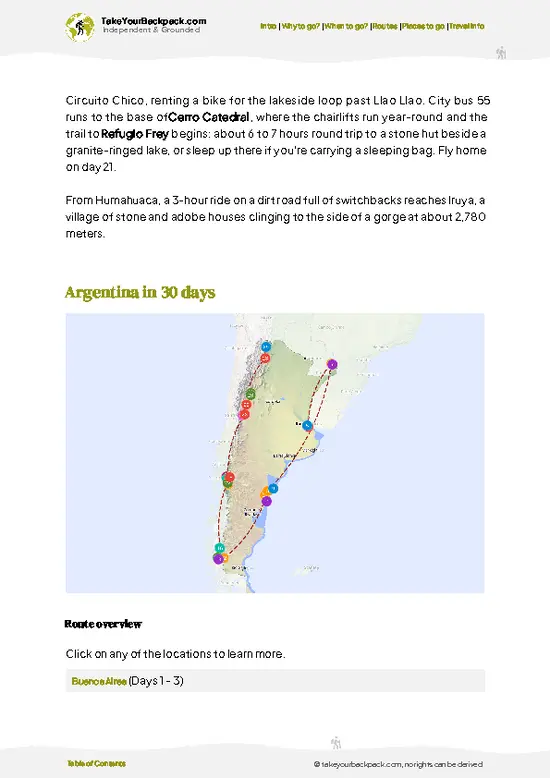
example page 0 from our offline Travel Guide for Argentina
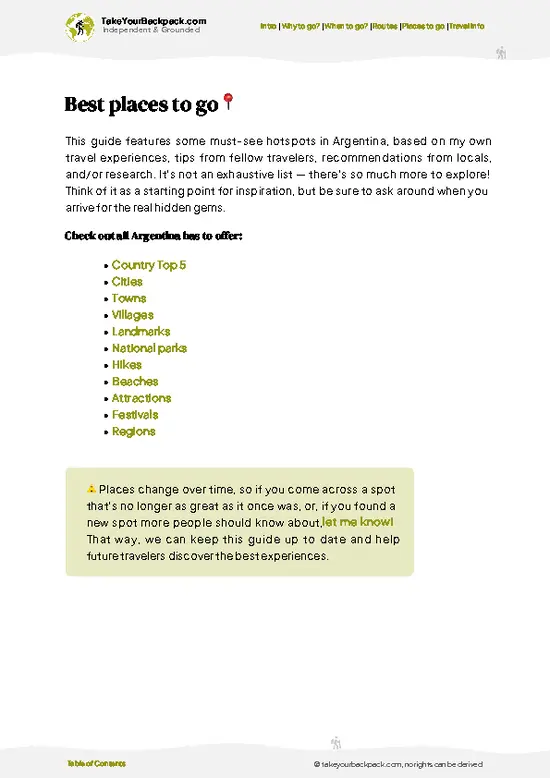
example page 1 from our offline Travel Guide for Argentina
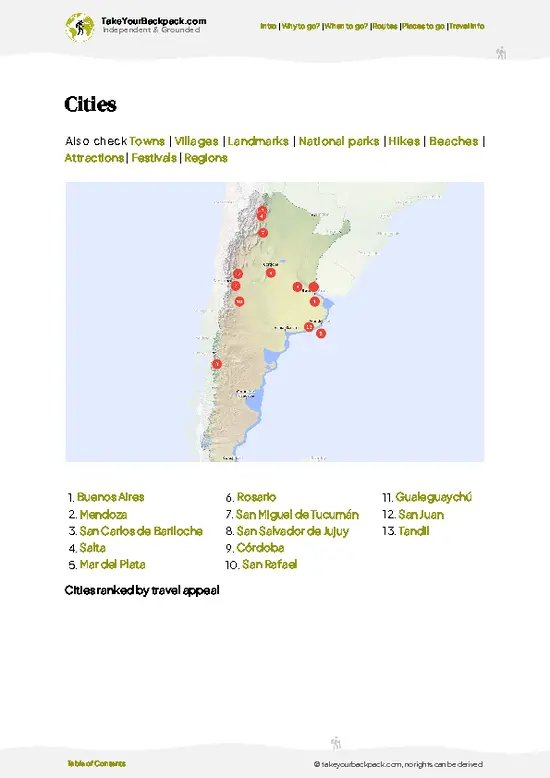
example page 2 from our offline Travel Guide for Argentina
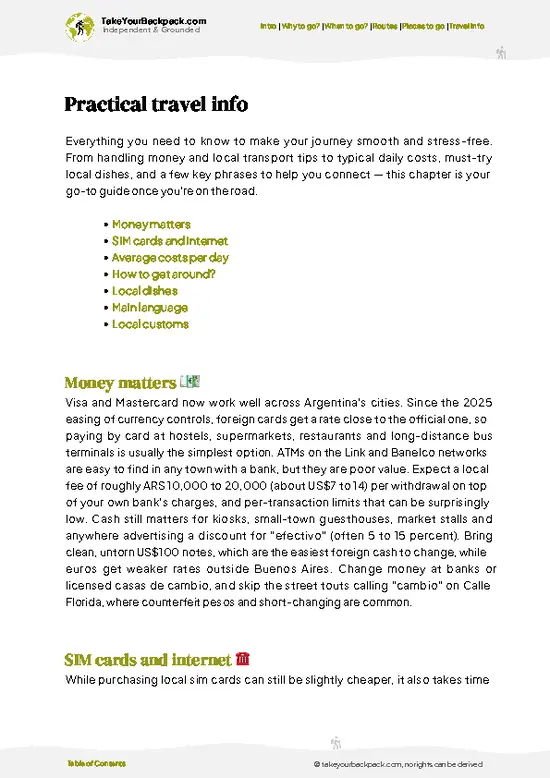
example page 3 from our offline Travel Guide for Argentina
example page 4 from our offline Travel Guide for Argentina
example page 5 from our offline Travel Guide for Argentina
example page 6 from our offline Travel Guide for Argentina
example page 7 from our offline Travel Guide for Argentina
The digital guide (505 pages) contains:
135 highlights, ranked by travel appeal
Optimized 14, 21 & 30-day travel routes
Cities, national parks, landmarks, beaches
How to get around
Offline-friendly for travel without Wi-Fi
👉 Click to see all 30+ guide features

📅 Plan smarter in minutes, not weeks
Month by month travel advice
Festivals & national holidays
Budget expectations

🗺️ Go to the right places, skip the overrated ones
Honest pros & cons of destinations
Top hikes, parks & viewpoints
Lesser-known places most travelers miss
Clear “worth it vs skip it” guidance

🛏️ Travel smoothly without rookie mistakes
Best areas to stay
Transport systems explained simply
Common scams & safety advice
SIM cards, money & practical tips

🌍 Understand the country, not just visit it
Culture & traditions
52 Essential phrases & customs
Festivals worth planning around
Traveler-friendly historical context
Insights that make places more meaningful

📱 Built for real travel conditions
Fully downloadable PDF
Works completely offline
Optimized for phone use
Useful in remote areas & buses
Everything in one place
Save weeks of stressful planning
Get instant access to your full guide. 30‑day money-back guarantee.
+ Add another guide for just US$7.80

By proceeding you agree to our terms.
Sent to your inbox immediately after payment • 100% Secure Checkout
Best Backpacking Travel Advisor 2025 tourism awardBest Backpacking
Travel Advisor
2025
What others say about Take Your Backpack Guides:
⭐⭐⭐⭐⭐
Fantastic, amazing amount of information!
⭐⭐⭐⭐⭐
My goodness this is amazing, it's what I've been looking for hats off too you!
⭐⭐⭐⭐⭐
I think this is absolutely BRILLIANT
⭐⭐⭐⭐
Very complete and informative. It's still missing places, but I gotta to commend you
⭐⭐⭐⭐⭐
This is truly amazing, thank you, can't wait to explore it with my kids!
⭐⭐⭐⭐⭐
Awesome resource, thank you!
⭐⭐⭐⭐⭐
This is amazing! Can't wait to explore the ones I haven't seen
⭐⭐⭐⭐
I love this! Well done, great idea.
⭐⭐⭐⭐⭐
Thanks for taking the time to make this gem!
⭐⭐⭐⭐⭐
This might be the best website I've ever seen.
⭐⭐⭐⭐⭐
Congratulations, and thank you so much for your work; it's incredibly valuable.
⭐⭐⭐⭐
In all seriousness I think you did a great job pointing out the important spots
⭐⭐⭐⭐⭐
10/10 very good
⭐⭐⭐⭐⭐
As someone who's only just starting to visit regularly this is awesome, thank you.
⭐⭐⭐⭐
Thank you very much! I'm going to visit my dad, it's going to be very useful!
⭐⭐⭐⭐⭐
This is really cool! We'll be travelling for the first time and this definitely come in handy.
⭐⭐⭐⭐⭐
You are now our minister of culture, congratulations 👨‍💼
⭐⭐⭐⭐⭐
Just wanted to tell you that this is a pearl! Going to follow your recommendations.
⭐⭐⭐⭐⭐
This is so cool. I'll definitely be using the resource for my travels soon.
⭐⭐⭐⭐⭐
This is very impressive! Good work.
⭐⭐⭐⭐⭐
This is an amazing and informative site. Very well done!

🛏️ Where to stay?Best areas to stay in Argentina

Staying near Salar de Arízaro is all about embracing the raw beauty of the high desert while connecting with fellow travelers. The town of San Antonio de los Cobres is your best bet. It’s a small, gritty place that serves as a launchpad for exploring the salt flats. You’ll find a mix of backpackers and locals, which creates a vibrant atmosphere.

Accommodations here are basic but safe, and you’ll likely share stories over a meal or a drink. The communal vibe is palpable, and you’ll appreciate the chance to bond over shared adventures.

Another option is Purmamarca, a bit further away but worth … read more 👉
Staying near Salar de Arízaro is all about embracing the raw beauty of the high desert while connecting with fellow travelers. The town of San Antonio de los Cobres is your best bet. It’s a small, gritty place that serves as a launchpad for exploring the salt flats. You’ll find a mix of backpackers and locals, which creates a vibrant atmosphere.

Accommodations here are basic but safe, and you’ll likely share stories over a meal or a drink. The communal vibe is palpable, and you’ll appreciate the chance to bond over shared adventures.

Another option is Purmamarca, a bit further away but worth it for its stunning landscapes. It’s a popular stop for backpackers, with a lively market and plenty of social spots. The colorful hills surrounding the town add a unique backdrop to your stay.

Both areas offer a chance to dive into local culture while keeping your budget intact. Just remember, the real magic lies in the connections you make and the stories you gather along the way.

👛 Costs (as of 4 September 2026)Travel costs and budget guide for Salar de Arízaro

Visiting Salar de Arízaro in Argentina can be a breathtaking experience, but it’s essential to know what you’re getting into financially. Here’s a breakdown of typical costs to help you plan your adventure.
  • Transportation: Expect to spend around $50 to $150 for a round-trip bus from Salta to the Salar. If you’re renting a car, prices can range from $30 to $100 per day, plus fuel. Roads can be rough, so factor in potential extra costs for maintenance.
  • Accommodation: Options vary widely. Budget hostels start at about $15 per night, while mid-range hotels can run from $50 to $100. If you want something unique, consider staying in a salt hotel, which can cost between $80 and $200 per night.
  • Food: Dining is generally affordable. Street food and local eateries can cost as little as $5 to $10 per meal.
read more 👉
Visiting Salar de Arízaro in Argentina can be a breathtaking experience, but it’s essential to know what you’re getting into financially. Here’s a breakdown of typical costs to help you plan your adventure.
  • Transportation: Expect to spend around $50 to $150 for a round-trip bus from Salta to the Salar. If you’re renting a car, prices can range from $30 to $100 per day, plus fuel. Roads can be rough, so factor in potential extra costs for maintenance.
  • Accommodation: Options vary widely. Budget hostels start at about $15 per night, while mid-range hotels can run from $50 to $100. If you want something unique, consider staying in a salt hotel, which can cost between $80 and $200 per night.
  • Food: Dining is generally affordable. Street food and local eateries can cost as little as $5 to $10 per meal. If you prefer sit-down restaurants, budget around $15 to $30 for a decent meal. Don’t skip the local specialties; they’re worth it.
  • Guided Tours: If you want to explore the Salar with a guide, expect to pay between $50 and $150 for a day tour. This often includes transportation and meals, but always check what’s covered. Some tours offer unique experiences, like stargazing or visiting nearby lagoons.
  • Entrance Fees: There are no significant entrance fees for the Salar itself, but if you plan to visit nearby national parks, fees can range from $5 to $20. Always check for updates, as these can change.

Understanding these costs will help you navigate your trip to Salar de Arízaro without any surprises. It’s a stunning place, but being prepared will make your experience all the more enjoyable.


source: argentina.gob.ar
⚠️ Prices can change and everyone travels differently, so take this as a rough guide. Hope it helps you plan your adventure!

FAQTraveler FAQ

Salar de Arízaro is a large salt flat located in the Catamarca Province of Argentina, known for its vast white salt crust and colorful mineral formations. It covers an area of approximately 100 square kilometers and offers unique landscapes for photography and exploration.
Visiting Salar de Arízaro typically requires half a day to a full day, depending on how much time you spend exploring and photographing the area. Most travelers allocate 4 to 6 hours to fully appreciate the site and its surroundings.
To get to Salar de Arízaro, you usually travel from the town of Antofagasta de la Sierra, which is about 70 kilometers away. Access is by 4x4 vehicle due to rough dirt roads, and it is advisable to arrange transport locally or join a guided tour for safety and navigation.
⚠️ Things can change over time, so always validate details locally before you go.

Other Argentinian landmarks near Salar de Arízaro

Explore more nearby:

  • Cono de Arita—perfect volcanic cone, salt flat isolation, stark symmetry| 33 km away
  • Las Salinas Grandes—endless salt flats, polygonal crusts, high plateau| 206 km away
  • Campo de Piedra Pómez—volcanic rock formations, white pumice fields, high-altitude desert| 213 km away

💡 Not sure where to go next?
Create a personalized itinerary for Argentina including Salar de Arízaro and the places that fit your trip.

Generate my itinerary

👉 Discover all landmarks

Or checkout all Argentina has to offer (think cities, towns, villages, national parks, hikes, beaches, festivals)
Country photo of Argentina

We 💚 feedbackSumming up the experience

Salar de Arízaro is a surreal experience that feels like stepping onto another planet. The vastness and stark beauty are mind-blowing. But here’s the kicker: it’s remote and can be a logistical headache to reach. Expect long drives and limited amenities. Still, if you’re up for the adventure, the solitude and raw landscape make it all worthwhile. Just be ready for a bit of grit along the way.

✈️ When did I visit Argentina?
I have visited Argentina, together with Chile, in September 2012.

✍️ Help improve this page!
The information on this page is based on my own backpacking experience in Argentina, supplemented with up-to-date research and feedback from other travelers. Travel details can change, so if you notice anything outdated or incomplete, feel free to let me know.


🙋‍♂️ Give feedback

👋 Meet the founderWho’s Behind Take Your Backpack?

Johan, backpacker and founder of TakeYourBackpackHi, I’m Johan (Netherlands 🇳🇱), the creator of TakeYourBackpack. Over the past decade, I’ve backpacked through 80+ countries across six continents, gaining extensive experience with independent travel, long-term trips, and overland routes.

This site is built on a combination of firsthand travel experience and carefully curated insights from other backpackers. Many guides are based on places I’ve personally visited, while others bring together tips, observations, and practical advice shared by trusted travelers I’ve met along the way.

The goal is to provide realistic, experience-driven guidance — not generic itineraries — so you can explore destinations with better context, clearer expectations, and more confidence.

Get full Argentina guide •
Instant download • 135 highlights • Full Offline guide