×

Argentina🇦🇷 | best landmarksEssential 10 landmarks to Explore in Argentina

Argentina’s landmarks come in three distinct kinds, and picking the right one matters more than picking the right city. The first is natural monuments: glaciers, waterfalls, salt flats and canyons spread across a country about 3,700 kilometers long. The second is urban and cultural sites, concentrated in Buenos Aires, Córdoba and Mendoza. The third is high-Andes and Patagonian scenery, where distance does the filtering.

Costs and crowds split along the same lines. Buenos Aires and the Córdoba region are cheap, walkable and easy by bus, and most city sites are free or cost a few dollars. The Patagonian and Iguazú sites charge foreigners separate, much higher park fees, and the best-known ones fill up in January and February. The northwest (Salta, Jujuy) is quieter, with long bus hauls on winding roads and altitude to deal with.

For backpackers and other independent travelers, the northwest and the Córdoba hills give the most atmosphere per peso. Patagonia is worth the spend but not the rush. A quick two-night dash to a far-south glacier from Buenos Aires wastes flights and money. Skip any landmark that needs a full day of transfers for a one-hour viewing, unless it is a headline site you will not see elsewhere.

By Johan Kruseman 🇳🇱 | Updated October 20, 2026
Explore the best national parks in Argentina

Why go?Why These unique site Stand Out

Argentina works for landmarks because of its sheer range of terrain. The Andes run the entire western edge, the Patagonian steppe and ice fields sit in the south, subtropical rainforest fills the northeast, and the pampas flatten the center. That gives you glaciers, high-altitude deserts, waterfalls and wine valleys in one country, which few places match. The trade-off is scale. Distances are huge, so the landmarks are far apart and the country rewards selection over completeness.

History adds a second layer, but a narrower one. Spanish colonial rule left less monumental architecture here than in Peru or Mexico, because the region was a backwater compared with the Andean silver centers. The big urban landmarks are mostly late nineteenth and early twentieth century: European-style boulevards, … read more 👉
Argentina works for landmarks because of its sheer range of terrain. The Andes run the entire western edge, the Patagonian steppe and ice fields sit in the south, subtropical rainforest fills the northeast, and the pampas flatten the center. That gives you glaciers, high-altitude deserts, waterfalls and wine valleys in one country, which few places match. The trade-off is scale. Distances are huge, so the landmarks are far apart and the country rewards selection over completeness.

History adds a second layer, but a narrower one. Spanish colonial rule left less monumental architecture here than in Peru or Mexico, because the region was a backwater compared with the Andean silver centers. The big urban landmarks are mostly late nineteenth and early twentieth century: European-style boulevards, grand theaters, cemeteries and civic buildings funded by the beef and wheat boom. Indigenous heritage is strongest in the northwest, where Inca and earlier pre-Hispanic roads and fortified villages survive. Anyone expecting ancient ruins on the scale of Cusco or Teotihuacán will be disappointed, and should not build a trip around that.

Infrastructure is uneven. Long-distance buses are comfortable and reach nearly everywhere, and national parks have marked trails and ranger services. But the best-known natural sites operate a two-tier price system, with foreigners paying several times the local rate, and fees are often charged in pesos that shift with inflation. Check current rates before budgeting, and carry cash since card acceptance at remote entrances is unreliable.

Climate shapes access as much as geography. Patagonian wind can cancel boat trips and close trails, northern summers bring afternoon storms and washed-out roads, and high-altitude sites in the Andes are cold at night all year. Argentina also has long periods of economic volatility, which affects exchange rates and prices, so tourist-oriented sites can be priced in dollars while everyday costs stay low.

The honest summary: pick Argentina for natural spectacle and a handful of strong cultural sites, not for deep ancient history. Choose a region or two and go slowly. Trying to tick off every famous name leaves you mostly on buses.
How the List Was Created
The list of best unique sites in Argentina is created based on history or culture, wow factor, atmosphere, quirks, and memorability. If you feel a unique site is missing in this list, please let us know.

When to go?Timing Your Visit for the Best Experience

Best months by region: The best months for Argentina’s landmarks are October to April for Patagonia and the south, and March to May plus September to November for most other regions, because those windows balance daylight, mild temperatures and open trails. No single month suits the whole country, so match the season to the region you want.

Patagonia and the far south: Summer (December to February) brings 12 to 20°C days, up to 17 hours of daylight and every trail, boat and campground open. It is also the most crowded and expensive period, with accommodation commonly 30 to 60 percent above shoulder rates, and popular parks need booking weeks ahead. November and March are the smarter choices: cooler (5 to 14°C), quieter and cheaper, with services still running. Wind is strong in all months, … read more 👉
Best months by region: The best months for Argentina’s landmarks are October to April for Patagonia and the south, and March to May plus September to November for most other regions, because those windows balance daylight, mild temperatures and open trails. No single month suits the whole country, so match the season to the region you want.

Patagonia and the far south: Summer (December to February) brings 12 to 20°C days, up to 17 hours of daylight and every trail, boat and campground open. It is also the most crowded and expensive period, with accommodation commonly 30 to 60 percent above shoulder rates, and popular parks need booking weeks ahead. November and March are the smarter choices: cooler (5 to 14°C), quieter and cheaper, with services still running. Wind is strong in all months, especially in December and January. From May to September many refuges close, snow blocks higher trails and some boat tours stop or reduce service. It is not worth going to the far south in deep winter unless you specifically want snow.

Northwest and the Andes: The northwest (Salta, Jujuy, Tucumán) is best from April to October, the dry season. Days are clear and warm to mild, around 18 to 26°C, but nights at altitude drop below freezing from June to August. From December to March it rains in afternoons, roads to remote sites can wash out and dust turns to mud. Mendoza and the central Andes are good from March to May during the grape harvest, with clear skies and warm days of 18 to 25°C, while summer is hot at 30°C and above in the valleys.

Northeast and Iguazú: The subtropical northeast is humid year-round. June to August is the most comfortable, with highs around 20 to 25°C, while December to February is hot and sticky at 30 to 38°C. Rain falls throughout the year, and heavy rain can raise river flows and close certain walkways temporarily. Spring (September to November) gives a good balance.

Buenos Aires and the center: Buenos Aires is best in spring and autumn, 15 to 25°C. January is hot and humid and many locals leave the city, so some small venues shorten hours. Winter is cool, around 8 to 16°C, and perfectly workable for museums, theaters and architecture.

Peak periods to avoid: Christmas through January, Easter week and the July winter school holidays push up prices and fill buses in tourist regions. Book transport and lodging early or travel just outside those dates.

unique site hoppingSuggested Travel Strategies

How long you need: A trip combining several of Argentina’s main landmarks needs 14 to 21 days, and a minimum of 10 if you restrict yourself to two regions. Anything shorter turns into airports and bus terminals. The country is too long for a tour of everything, so pick two or three regions and accept leaving the rest.

Regions that group well: Three clusters make sense. The first pairs Buenos Aires with the northeast (Iguazú), joined by a roughly 1 hour 45 minute flight or an overnight bus of 17 to 20 hours. The second is the northwest: Salta, Jujuy and the surrounding valleys, which cluster tightly and connect by buses of 2 to 5 hours. The third is Patagonia, split into the Calafate and Ushuaia area in the south and the Bariloche lakes in the north. Mendoza pairs easily with either the northwest … read more 👉
How long you need: A trip combining several of Argentina’s main landmarks needs 14 to 21 days, and a minimum of 10 if you restrict yourself to two regions. Anything shorter turns into airports and bus terminals. The country is too long for a tour of everything, so pick two or three regions and accept leaving the rest.

Regions that group well: Three clusters make sense. The first pairs Buenos Aires with the northeast (Iguazú), joined by a roughly 1 hour 45 minute flight or an overnight bus of 17 to 20 hours. The second is the northwest: Salta, Jujuy and the surrounding valleys, which cluster tightly and connect by buses of 2 to 5 hours. The third is Patagonia, split into the Calafate and Ushuaia area in the south and the Bariloche lakes in the north. Mendoza pairs easily with either the northwest or Buenos Aires, since it is 12 to 14 hours from the capital by bus and about 2 hours by air.

Direction and hubs: Starting in Buenos Aires and finishing in Patagonia usually works best, because the farthest and most expensive legs come last and you can adjust to weather. Fly the big gaps: Buenos Aires to El Calafate takes about 3 hours, while the bus takes 30 hours or more and is not worth the time. Use buses for legs under 8 hours, since they are comfortable, cheaper and drop you in town centers. Domestic fares fluctuate widely, so book flights early for peak months.

Time per stop: Allow 2 to 3 days for Buenos Aires, 1 to 2 days for Iguazú (the second day only if you want both national sides at an unhurried pace), 3 to 4 days around Salta and Jujuy, 3 to 5 days in the Calafate and Chaltén area, and 2 to 3 days for Mendoza. Ushuaia needs 2 to 3 days and a flight. Add a buffer day around any flight to the south, since wind and fog cause delays.

Planning mistakes: The most common error is packing a long-distance bus right after a long hiking day, which leaves you tired and puts a fixed ticket against uncertain weather. Leave slack. Another is spreading too wide: trying Iguazú, Patagonia and the northwest in under two weeks means over 40 hours of transit. Choose two regions instead. Travelers also underestimate border-region and park transfers, which add 1 to 3 hours beyond the listed city distance. Finally, booking nonrefundable tickets before checking park access dates in shoulder months can cost you a day or a fee.

The ListTop landmarks of Argentina

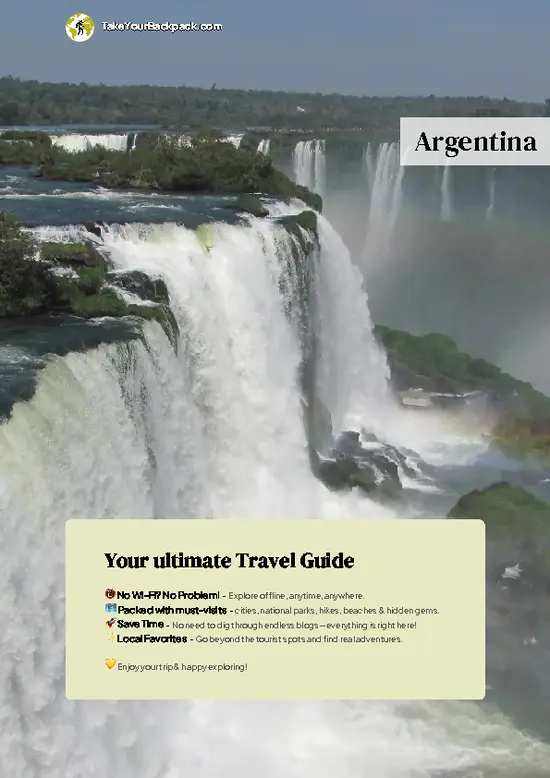
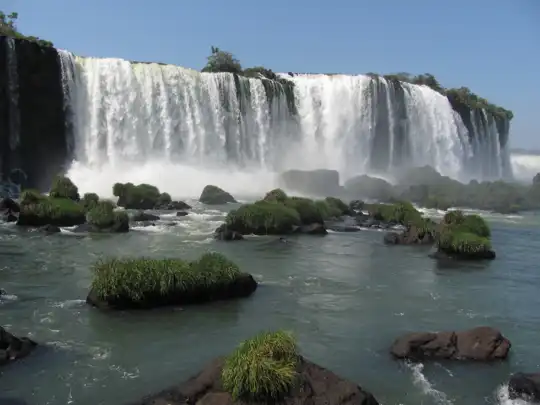
1 Iguazú Falls

Devil's Throat, catwalks, coatis, jungle trails

Cross a long catwalk to the thundering chasm, then compare upper and lower circuits, a boat ride under the spray and quiet forest paths.

Argentina&Brazil - the Iguazú Falls

2 Cueva de las Manos

Hand stencils, guanaco hunts, Río Pinturas canyon, ochre pigments

Descend into a red sandstone canyon to see layered hand stencils and hunting scenes painted over thousands of years.

argentina-unique-site-cueva-de-las-manos
© Google | Alberto Curia

3 Punta Tombo

Penguin burrows, roped trail, chick season, steppe wildlife

Follow a roped path through a Magellanic penguin colony, where birds cross the trail at your feet and chicks are fed in summer.

argentina-unique-site-punta-tombo
© Google | M Fardin

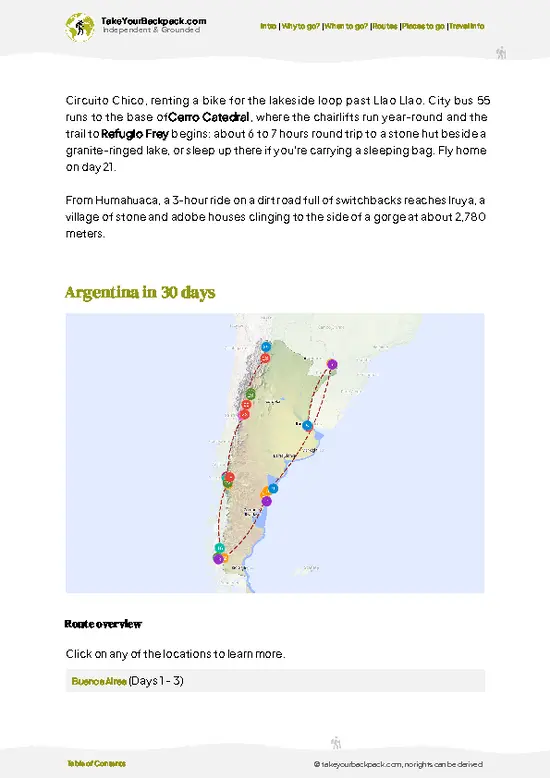
4 Cerro Catedral

Granite spires, Refugio Frey, Laguna Toncek, Nahuel Huapi views

Hike up through lenga forest to a rustic hut beside a glacial lake, or ride the cable car for lake panoramas.

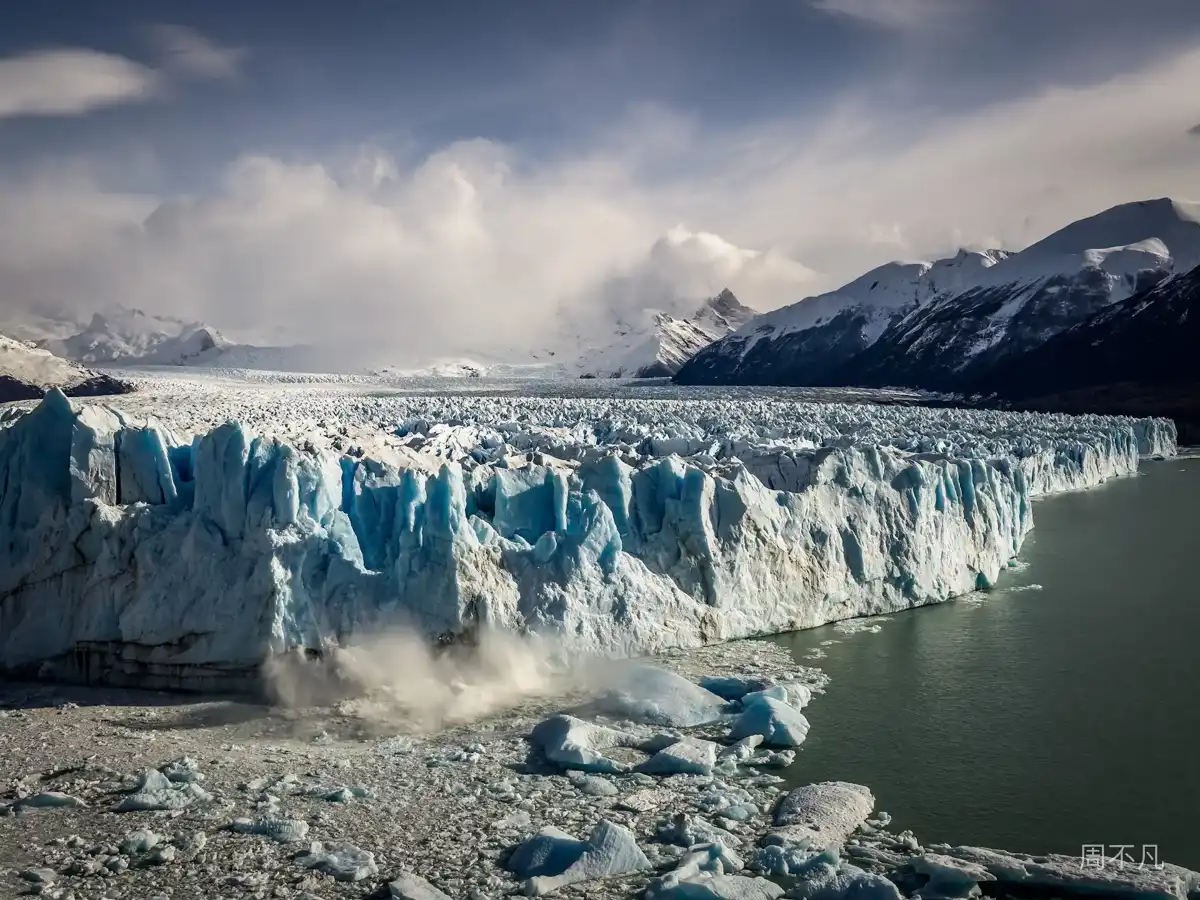
5 Perito Moreno Glacier

Steel walkways, calving ice, Safari Náutico, blue crevasses

Follow the passarelas facing a 60-meter ice wall, wait for slabs to crash into the lake or strap on crampons for a guided trek.

argentina-unique-site-perito-moreno-glacier
© Google | Fan Zhou

6 Salinas Grandes

Hexagonal crust, brine pools, salt cooperatives, Lipan Pass

Climb the Lipan Pass switchbacks, walk the crunching crust, and meet the cooperatives who still cut salt by hand.

argentina-unique-site-salinas-grandes
© Google | Charles Mac

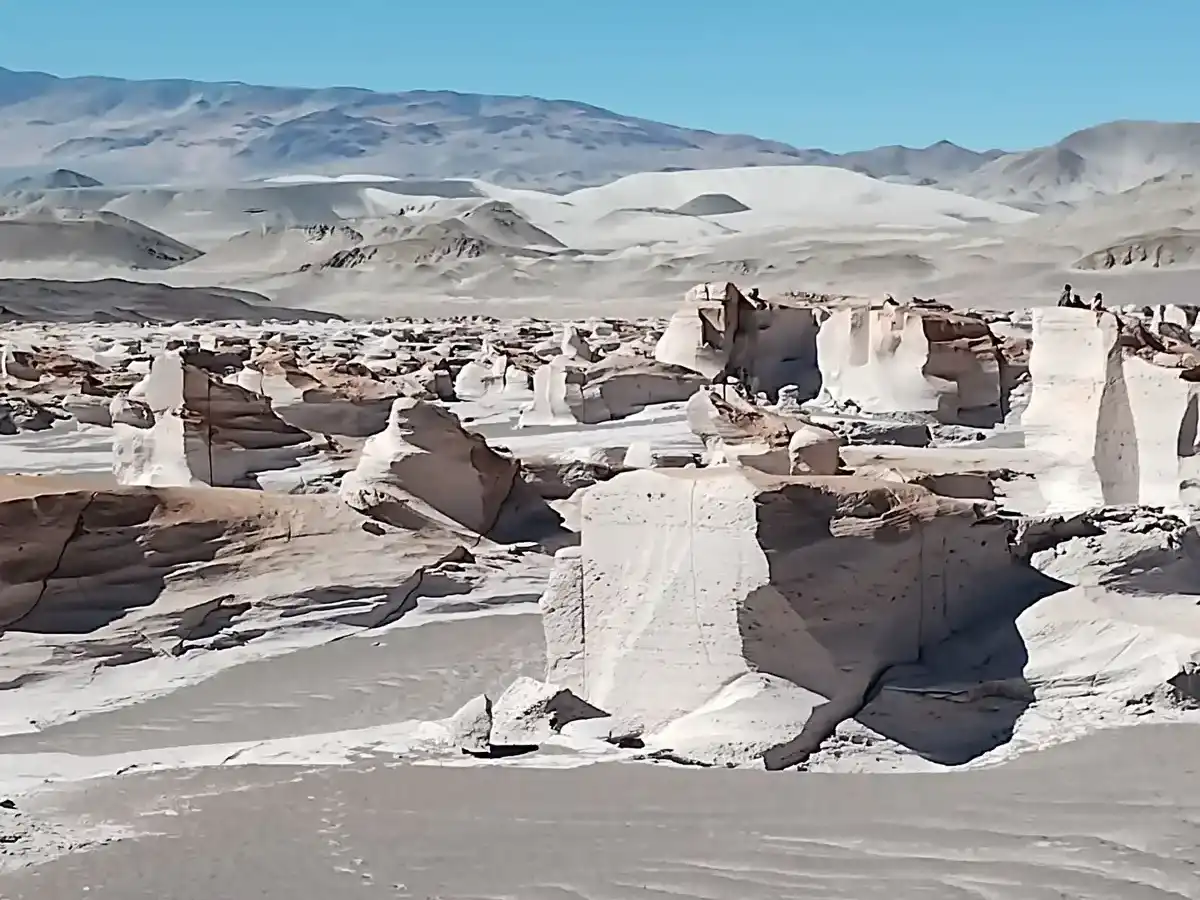
7 Campo de Piedra Pómez

Pumice towers, mushroom rocks, volcanic basin, wind silence

Walk among wind-carved white pumice columns and cap-shaped rocks, then stay for the sunset shift from white to gold to rose.

argentina-unique-site-campo-de-piedra-pomez
© Google | Natalia Perez

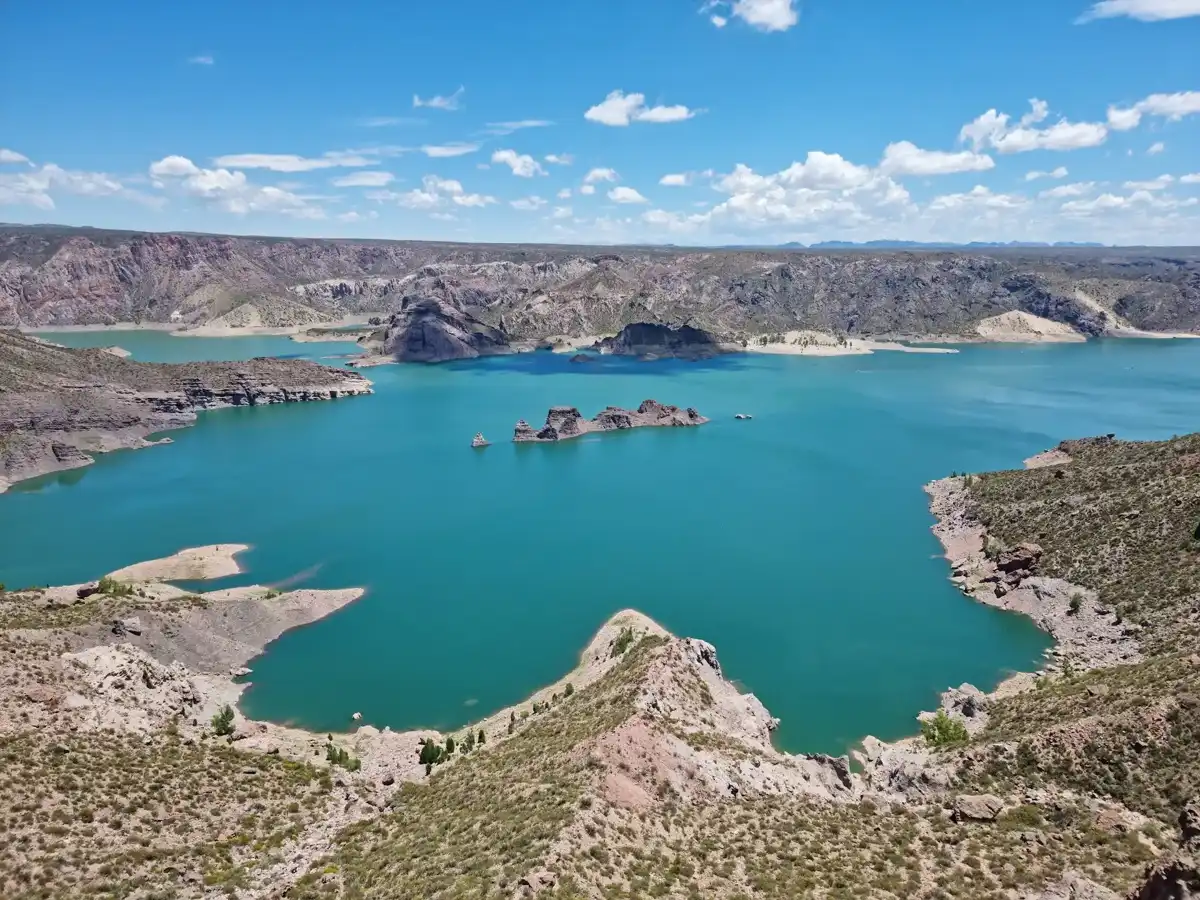
8 Cañón del Atuel

Route 173, red rock walls, turquoise rapids, dam reservoirs

Drive the canyon road past layered red cliffs, then paddle Class II and III rapids or picnic beside the calmer reservoir.

argentina-unique-site-canon-del-atuel
© Google | Matías Erreeme

9 Salar de Arizaro

Ojos de Mar, cracked salt polygons, Arizaro volcano, night sky

See the turquoise Ojos de Mar pools near Tolar Grande, then stay after dark for a Milky Way unspoiled by light pollution.

argentina-unique-site-salar-de-arizaro
© Google |

10 Cono de Arita

Symmetrical cone, salt crust, shadow line, Tolar Grande

Cross the salt flat toward a near-perfect triangle rising about 200 meters, and watch its long shadow trace a precise line.

11 Mar de Ansenuza

Hypersaline float, flamingos, Miramar ruins, salt mirrors

Float effortlessly in dense salt water, scan the shallows for flamingos and wander the crumbling bathhouses of an old spa town.

12 Quebrada de los Cóndores

Condor roosts, Las Higueras viewpoint, Sierra de los Quinteros, guided treks, horseback routes

Trek or ride with local guides from Santa Cruz village to cliff-edge viewpoints where Andean condors glide at eye level on morning thermals.

13 Serranía de Hornocal

Fourteen colored ridges, 4,350 m mirador, gravel switchbacks, condor mornings

Ride a gravel switchback road up from Humahuaca to a high overlook where mineral stripes of red, green and ochre fill the view.

14 Jaaukanigás

Paraná wetlands, flooded forest, heron colonies, canoe dawns

Paddle through flooded forest and seasonal lagoons along the Paraná, watching herons, storks and yacaré caimans with no trails or crowds.

Think you know Argentina?

Prove you’re a true local — uncover 4 lesser-known landmarks in Argentina that locals tend to keep to themselves.
Loading the map 🌍

Expert viewTips and Advice from Travelers

How many landmarks to aim for: Plan on 8 to 12 landmarks for a trip of two to three weeks, and no more than one major site per day. Argentina’s sites are spread out, and each major one typically consumes half a day to a full day once you include transfers, queues and recovery. Beyond that number you stop looking and start collecting. A smaller list lets you stay a second day at the places that deserve it, which is where backpackers gain the most. Trying for 15 or more mostly buys bus time.

Prioritizing by travel style: If you travel on a tight budget, favor urban and cultural sites and the northwest. Cities cost little in time and money, and most sights are free or a few dollars. The northwest gives dramatic scenery for low entry fees and cheap buses, though altitude can slow you down. If … read more 👉
How many landmarks to aim for: Plan on 8 to 12 landmarks for a trip of two to three weeks, and no more than one major site per day. Argentina’s sites are spread out, and each major one typically consumes half a day to a full day once you include transfers, queues and recovery. Beyond that number you stop looking and start collecting. A smaller list lets you stay a second day at the places that deserve it, which is where backpackers gain the most. Trying for 15 or more mostly buys bus time.

Prioritizing by travel style: If you travel on a tight budget, favor urban and cultural sites and the northwest. Cities cost little in time and money, and most sights are free or a few dollars. The northwest gives dramatic scenery for low entry fees and cheap buses, though altitude can slow you down. If you want the headline spectacles, put your money into Patagonia and Iguazú. They cost more in fees and transport, but they are the sites Argentina is known for, and skipping them to save a little defeats the purpose of coming. If comfort matters, prioritize sites with good road access and regular transport. Anything requiring multi-day treks or remote 4WD hire takes more time, money and discomfort, and for most travelers gives less than a well-chosen day hike.

Guided or independent: Most landmarks are easy to do on your own, and public buses or shuttles cover the common ones. A guide is worth paying for only where access is restricted or the terrain is risky, such as glacier trekking, which usually requires an operator and costs roughly US$100 to 250 for a half to full day. Hiring a guide for a city monument or a simple park trail is rarely worth it. Free walking tours in Buenos Aires work on tips, and 5 to 10 dollars is a fair tip.

What it costs: A realistic daily budget is US$40 to 70 for a backpacker using hostels, buses and cheap meals in cities and the northwest, and US$80 to 140 in Patagonia where lodging and meals are pricier. Add entry fees on top. City museums and monuments run from free to about US$5 to 10. National park fees for foreigners are much higher: expect roughly US$15 to 40 for headline parks, with some of the most famous ones at the upper end or beyond, and boat or viewpoint add-ons costing extra. Local transport to sites runs about US$2 to 15 for buses and shuttles, while organized excursions from towns often cost US$30 to 80. Prices in pesos move quickly because of inflation, so figures in dollars are a guide only. Bring cash in pesos, as park gates and small towns frequently do not take foreign cards, and use whichever exchange method gives the better rate at the time.

Where to spend and where to save: Spend on the one or two experiences that define a region, such as a glacier boat trip or a close viewing walkway, because they are the reason to travel there. Save by skipping paid viewing add-ons that duplicate free ones, picking bus over plane for short legs, and buying groceries in towns before heading to parks where food is expensive. Avoid tour packages that bundle a famous site with several shops or low-value stops, since they burn half a day for a quick look.

Safety: Argentina is generally safe at its landmarks, but petty theft is a real problem in busy parts of Buenos Aires, at bus terminals and on crowded transport. Keep your phone out of sight near the street, carry a copy of your passport, and avoid displaying cameras in crowds. In the mountains the main dangers are weather and altitude. Patagonian wind and sudden cold can turn an easy trail hazardous, so carry layers and a windproof shell even in summer. In the northwest, altitudes of 3,000 to 4,300 meters cause headaches and fatigue on arrival, so plan an easy first day and drink water. Sun is strong at altitude and in the south, where the ozone layer thins, so wear sunscreen. Register at ranger posts on longer hikes and check trail status before setting out.

Cultural considerations: Argentines greet with a single cheek kiss, and dinner starts late, often after 9 pm. Many small sites close for a midday break, commonly 12:30 to 4 pm outside big cities, so check opening hours. At indigenous and sacred sites in the northwest, ask before photographing people and stay on marked paths. In national parks, carry out all trash and use only designated campsites and fire areas, since fines and fire risk are real. One practical observation: arriving at headline sites right at opening saves an hour or more of queuing and gives better light.

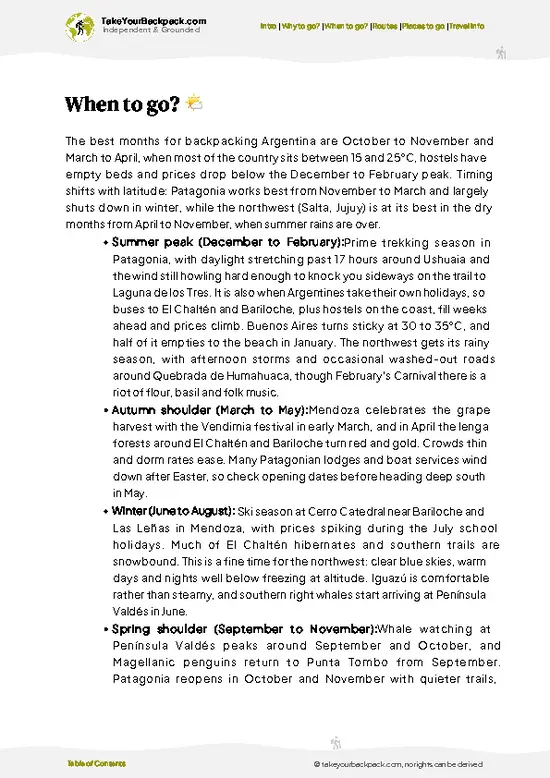
✈️ The backpacker research shortcutArgentina Travel Guide

An offline-friendly backpacking guide with optimized travel routes, ranked highlights, transport advice, and the best areas to stay.
example page 0 from our offline Travel Guide for Argentina
example page 1 from our offline Travel Guide for Argentina
example page 2 from our offline Travel Guide for Argentina
example page 3 from our offline Travel Guide for Argentina
example page 4 from our offline Travel Guide for Argentina
example page 5 from our offline Travel Guide for Argentina
example page 6 from our offline Travel Guide for Argentina
example page 7 from our offline Travel Guide for Argentina
The digital guide (393 pages) contains:
✅ 131 highlights, ranked by travel appeal
✅ Optimized 14, 21 & 30-day travel routes
✅ Cities, national parks, landmarks, beaches
✅ How to get around
✅ Offline-friendly for travel without Wi-Fi
👉 Click to see all 30+ guide features

📅 Plan smarter in minutes, not weeks
✅ Month by month travel advice
✅ Festivals & national holidays
✅ Budget expectations

🗺️ Go to the right places, skip the overrated ones
✅ Honest pros & cons of destinations
✅ Top hikes, parks & viewpoints
✅ Lesser-known places most travelers miss
✅ Clear “worth it vs skip it” guidance

🛏️ Travel smoothly without rookie mistakes
✅ Best areas to stay
✅ Transport systems explained simply
✅ Common scams & safety advice
✅ SIM cards, money & practical tips

🌍 Understand the country, not just visit it
✅ Culture & traditions
✅ 52 Essential phrases & customs
✅ Festivals worth planning around
✅ Traveler-friendly historical context
✅ Insights that make places more meaningful

📱 Built for real travel conditions
✅ Fully downloadable PDF
✅ Works completely offline
✅ Optimized for phone use
✅ Useful in remote areas & buses
✅ Everything in one place
Stop searching, start planning
Get instant access to your full guide. 30‑day money-back guarantee.
+ Add another guide for just

By proceeding you agree to our terms.
Sent to your inbox immediately after payment • 100% Secure Checkout
Best Backpacking Travel Advisor 2025 tourism awardBest Backpacking
Travel Advisor
2025
What others say about Take Your Backpack Guides:
⭐⭐⭐⭐⭐
Fantastic, amazing amount of information!
⭐⭐⭐⭐⭐
My goodness this is amazing, it's what I've been looking for hats off too you!
⭐⭐⭐⭐⭐
I think this is absolutely BRILLIANT
⭐⭐⭐⭐
Very complete and informative. It's still missing places, but I gotta to commend you
⭐⭐⭐⭐⭐
This is truly amazing, thank you, can't wait to explore it with my kids!
⭐⭐⭐⭐⭐
Awesome resource, thank you!
⭐⭐⭐⭐⭐
This is amazing! Can't wait to explore the ones I haven't seen
⭐⭐⭐⭐
I love this! Well done, great idea.
⭐⭐⭐⭐⭐
Thanks for taking the time to make this gem!
⭐⭐⭐⭐⭐
This might be the best website I've ever seen.
⭐⭐⭐⭐⭐
Congratulations, and thank you so much for your work; it's incredibly valuable.
⭐⭐⭐⭐
In all seriousness I think you did a great job pointing out the important spots
⭐⭐⭐⭐⭐
10/10 very good
⭐⭐⭐⭐⭐
As someone who's only just starting to visit regularly this is awesome, thank you.
⭐⭐⭐⭐
Thank you very much! I'm going to visit my dad, it's going to be very useful!
⭐⭐⭐⭐⭐
This is really cool! We'll be travelling for the first time and this definitely come in handy.
⭐⭐⭐⭐⭐
You are now our minister of culture, congratulations 👨‍💼
⭐⭐⭐⭐⭐
Just wanted to tell you that this is a pearl! Going to follow your recommendations.
⭐⭐⭐⭐⭐
This is so cool. I'll definitely be using the resource for my travels soon.
⭐⭐⭐⭐⭐
This is very impressive! Good work.
⭐⭐⭐⭐⭐
This is an amazing and informative site. Very well done!

🛏️ Where to stay?Where to Base Yourself

Argentina has plenty of hostels and budget guesthouses, with dorm beds typically around US$12 to 25 a night and the widest choice in Buenos Aires, Mendoza, Salta and Bariloche. In Buenos Aires, Palermo has the most options, leafy streets, the best bars and clubs, and feels safe late at night, but it sits a 20 to 30 minute subway ride from the historic center. San Telmo is cheaper and closer to the old city and the Sunday market, though its quieter blocks get sketchy after dark, while Recoleta is the calm, safe pick with fewer hostels and slightly higher prices.

If you enjoy meeting fellow travelers, consider choosing hostels with high ratings for atmosphere. On the other hand, if you prefer having … read more 👉
Argentina has plenty of hostels and budget guesthouses, with dorm beds typically around US$12 to 25 a night and the widest choice in Buenos Aires, Mendoza, Salta and Bariloche. In Buenos Aires, Palermo has the most options, leafy streets, the best bars and clubs, and feels safe late at night, but it sits a 20 to 30 minute subway ride from the historic center. San Telmo is cheaper and closer to the old city and the Sunday market, though its quieter blocks get sketchy after dark, while Recoleta is the calm, safe pick with fewer hostels and slightly higher prices.

If you enjoy meeting fellow travelers, consider choosing hostels with high ratings for atmosphere. On the other hand, if you prefer having your own space, a hotel might be a better option.

ArgentinaExpand Your Journey

👋 Meet the founderWho’s Behind Take Your Backpack?

Johan, backpacker and founder of TakeYourBackpackHi, I’m Johan (Netherlands 🇳🇱), the creator of TakeYourBackpack. Over the past 3 decades, I’ve backpacked through 90+ countries across six continents, gaining extensive experience with independent travel, long-term trips, and overland routes.

This site is built on a combination of firsthand travel experience and carefully curated insights from other backpackers. Many guides are based on places I’ve personally visited, while others bring together tips, observations, and practical advice shared by trusted travelers I’ve met along the way.

The goal is to provide realistic, experience-driven guidance — not generic itineraries — so you can explore destinations with better context, clearer expectations, and more confidence.