×

Argentina🇦🇷 | landmarksCueva de las Manos, Río Pinturasprehistoric hand stencils, canyon walls, ancient rock art | things to do and best time to go

Explore Cono de AritaExplore Iguazu Falls

Backpacking in Cueva de las Manos, Río Pinturas
UNESCO World Heritage site
🏆 Top pickunique site ranked #2
By Johan Kruseman 🇳🇱 | Updated September 4, 2026

Your boots crunch on loose gravel, wind clawing at your jacket, while a guide’s voice bounces off the canyon walls and your eyes keep drifting back to the rock. Dozens of hands float there in faded reds and ochres, some tiny, some warped by time, all pressed into the stone like a crowd that never left. The air smells dry and metallic; the silence between tour groups feels heavier than the cliffs.

Cueva de las Manos sits in the Río Pinturas canyon in remote Santa Cruz, southern Argentine Patagonia, and it is absolutely not an easy, casual stop. Getting here takes time, buses, and usually a tour, and it’s pricier than you’d expect for “just” a cave. But the payoff is huge: minimal crowds compared to Perito Moreno or Fitz Roy, serious archaeological weight, and photos that feel more like evidence than postcards. It’s controlled, structured, a bit rushed—but the vibe is raw, ancient, and quietly overwhelming.

Discover everything you want to know in the 📖 Argentina Travel Guide.
Loading the map 🌍
CLICK TO FILTER
cities
towns
villages
landmarks
national parks
hikes
beaches
attractions
festivals
regions
SHOW COUNTRY’S BESTSHOW ALL

✨ Why go?
Ranked #2 unique site in Argentina
Why visitors keep coming back

Cueva de las Manos, Río Pinturas is not just another stop; it’s a time capsule of human expression. Sure, it’s popular, and yes, you’ll share the space with other travelers, but that’s part of the experience. The vivid handprints and ancient art tell stories that resonate deeply, connecting you to the past in a way that selfies can’t capture.

The effort-to-reward ratio is solid. It’s a bit of a trek to get there, but the scenic drive through Patagonia is a feast for the eyes. Once you arrive, the low entry fee makes it accessible, and the site’s rugged beauty is worth every step.

This isn’t just a standalone attraction; it fits perfectly into a broader route through Argentina. Pair it with a visit to nearby Los Glaciares National Park or the charming town of El Chaltén. You’ll find that … read more 👉
Cueva de las Manos, Río Pinturas is not just another stop; it’s a time capsule of human expression. Sure, it’s popular, and yes, you’ll share the space with other travelers, but that’s part of the experience. The vivid handprints and ancient art tell stories that resonate deeply, connecting you to the past in a way that selfies can’t capture.

The effort-to-reward ratio is solid. It’s a bit of a trek to get there, but the scenic drive through Patagonia is a feast for the eyes. Once you arrive, the low entry fee makes it accessible, and the site’s rugged beauty is worth every step.

This isn’t just a standalone attraction; it fits perfectly into a broader route through Argentina. Pair it with a visit to nearby Los Glaciares National Park or the charming town of El Chaltén. You’ll find that the journey enhances the destination.

So, while the crowds may be there, the authenticity of Cueva de las Manos shines through. It’s a reminder that some places are worth the hype, and this one is a masterpiece of human history.
Want to include Cueva de las Manos, Río Pinturas in your Argentina route?
Create a personalized Argentina itinerary that includes Cueva de las Manos, Río Pinturas and the places that fit your trip — based on your travel style, budget, and available time. Get your route in seconds.

Generate my trip

💡 HighlightsThe experiences that define the visit

  • Hand-stencil gallery: Hundreds of negative handprints sprayed around eye level and higher up the walls — small, large, left and right — concentrated in one stretch of rock. It’s the iconic image everyone thinks of and my personal favorite because it feels like a direct, intimate signature left by people thousands of years ago.
  • Polychrome hunting scenes: Panels filled with stylized guanacos, human figures, bows and hunting lines painted in red, black and white. These scenes give you a sense of daily life and movement — not just decoration but storytelling about survival on the Patagonian steppe.
  • Time-depth and superposition: Paintings layered on top of paintings show continuous use across millennia. You can literally see older motifs partially covered by newer ones — a natural timeline
read more 👉
  • Hand-stencil gallery: Hundreds of negative handprints sprayed around eye level and higher up the walls — small, large, left and right — concentrated in one stretch of rock. It’s the iconic image everyone thinks of and my personal favorite because it feels like a direct, intimate signature left by people thousands of years ago.
  • Polychrome hunting scenes: Panels filled with stylized guanacos, human figures, bows and hunting lines painted in red, black and white. These scenes give you a sense of daily life and movement — not just decoration but storytelling about survival on the Patagonian steppe.
  • Time-depth and superposition: Paintings layered on top of paintings show continuous use across millennia. You can literally see older motifs partially covered by newer ones — a natural timeline that makes the site feel alive rather than frozen.
  • Pigment techniques and the “spray” method: Many hands were made by blowing pigment through hollow bones or reeds, producing soft-edged stencils. The mineral pigments (hematite reds, charcoal blacks, kaolin whites) have held up surprisingly well, which is a neat lesson in prehistoric chemistry and craft.
  • Geological setting and canyon views: The art sits in a sinuous cliff above the Río Pinturas — the canyon, riverbed and surrounding steppe are as much part of the experience as the paintings. Light and shadow across the cliff change the mood, so bring patience for different views.
  • Contextual displays and interpretive stops: Small, informative panels and a nearby visitor area explain dating methods, excavation finds and the cultural background of the artists. It helps the art stop being “pretty pictures” and start being pieces of a real human story.
  • Walkable sequence of sites: The site isn’t just one cave — there’s a short trail with several viewing points and smaller panels along the cliff. Walking the sequence gives you scale, continuity and a better feel for how people used the whole canyon wall over time.
Spotted a mistake or missing something? Contact us.
🌤️ When to go?Seasonal considerations and timing


  • Weather: The best window is late spring to early autumn (November to March). Patagonia’s winters are brutal—expect freezing temps and snow that can block access. Summers bring dry, clear skies perfect for exploring the canyon and rock art.

  • Temperature: Summer highs hover around 20-25°C (68-77°F), but nights can dip to 5°C (41°F). Layering is essential; the desert climate swings fast between warm days and chilly nights.

  • Daylight Hours: Summer offers long days, up to 15 hours of light, giving you plenty of time to soak in the art and landscape without rushing. Winter days shrink to 8-9 hours, cutting your exploration window.

  • Crowds: Despite its fame, Cueva de las Manos remains relatively uncrowded compared to other world heritage sites. Peak season sees a modest bump in visitors, but
read more 👉

  • Weather: The best window is late spring to early autumn (November to March). Patagonia’s winters are brutal—expect freezing temps and snow that can block access. Summers bring dry, clear skies perfect for exploring the canyon and rock art.

  • Temperature: Summer highs hover around 20-25°C (68-77°F), but nights can dip to 5°C (41°F). Layering is essential; the desert climate swings fast between warm days and chilly nights.

  • Daylight Hours: Summer offers long days, up to 15 hours of light, giving you plenty of time to soak in the art and landscape without rushing. Winter days shrink to 8-9 hours, cutting your exploration window.

  • Crowds: Despite its fame, Cueva de las Manos remains relatively uncrowded compared to other world heritage sites. Peak season sees a modest bump in visitors, but you won’t feel like you’re in a queue for the cave walls.

  • Seasonal Activities: Summer allows for hiking and camping nearby, while winter limits outdoor options due to cold and snow. Spring and autumn offer a quieter experience with fewer tourists and mild weather.

  • Price Fluctuations: Accommodation and tours spike slightly in summer, but the increase is modest. Off-season travel can save you some cash, though you risk weather-related closures and limited services.


Pro-tip: Aim for late November or early March—enjoy near-peak weather and daylight with fewer tourists and better prices.


source: climatestotravel.comJANJanuary: excellent for travelingFEBFebruary: excellent for travelingMARMarch: highly recommended for travelingAPRApril: good for travelingMAYMay: fair for travelingJUNJune: below average for travelingJULJuly: below average for travelingAUGAugust: fair for travelingSEPSeptember: good for travelingOCTOctober: highly recommended for travelingNOVNovember: highly recommended for travelingDECDecember: excellent for traveling
argentina-unique-site-cueva-de-las-manos-rio-pinturas
© Google | Alberto Curia

✈️ The backpacker research shortcutArgentina Travel Guide

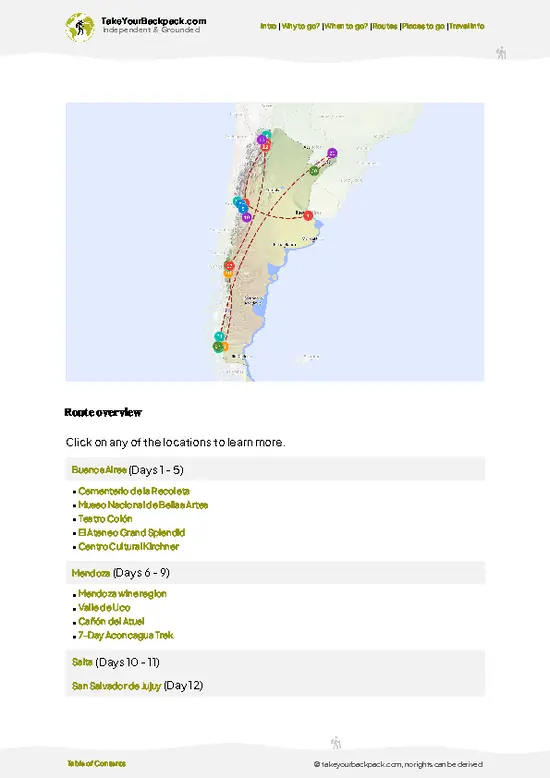
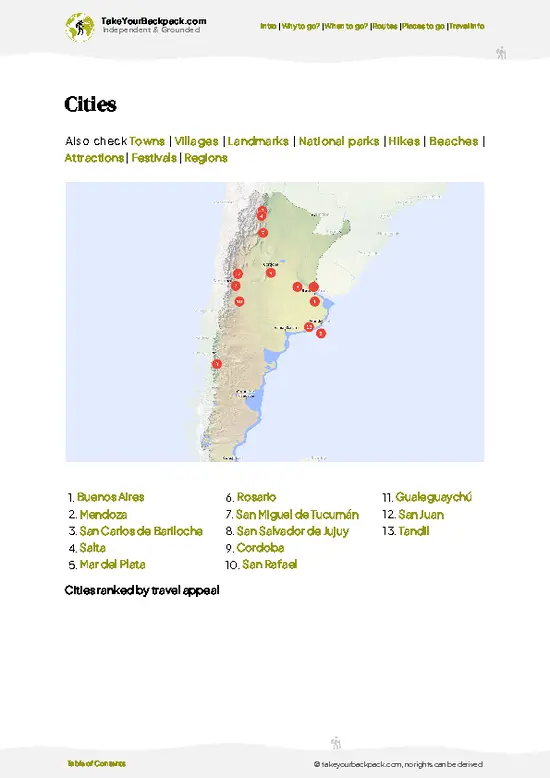
An offline-friendly backpacking guide with optimized travel routes, ranked highlights, transport advice, and the best areas to stay.
example page 0 from our offline Travel Guide for Argentina
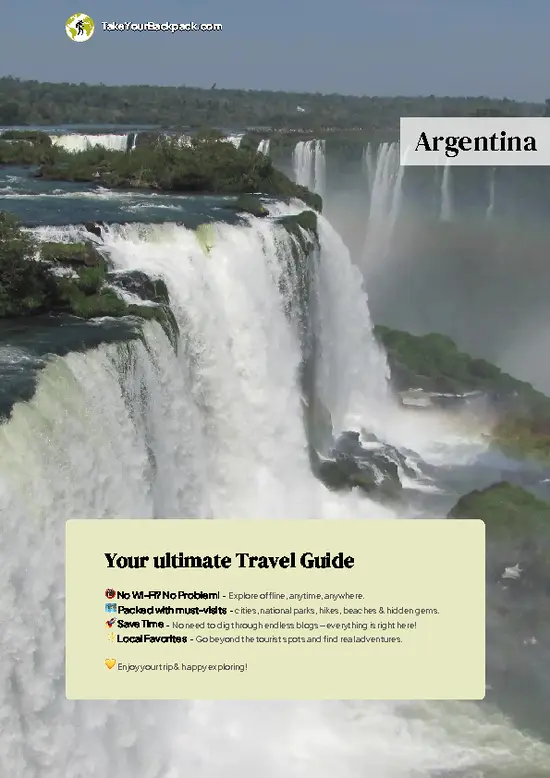
example page 1 from our offline Travel Guide for Argentina
example page 2 from our offline Travel Guide for Argentina
example page 3 from our offline Travel Guide for Argentina
example page 4 from our offline Travel Guide for Argentina
example page 5 from our offline Travel Guide for Argentina
example page 6 from our offline Travel Guide for Argentina
example page 7 from our offline Travel Guide for Argentina
The digital guide (505 pages) contains:
135 highlights, ranked by travel appeal
Optimized 14, 21 & 30-day travel routes
Cities, national parks, landmarks, beaches
How to get around
Offline-friendly for travel without Wi-Fi
👉 Click to see all 30+ guide features

📅 Plan smarter in minutes, not weeks
Month by month travel advice
Festivals & national holidays
Budget expectations

🗺️ Go to the right places, skip the overrated ones
Honest pros & cons of destinations
Top hikes, parks & viewpoints
Lesser-known places most travelers miss
Clear “worth it vs skip it” guidance

🛏️ Travel smoothly without rookie mistakes
Best areas to stay
Transport systems explained simply
Common scams & safety advice
SIM cards, money & practical tips

🌍 Understand the country, not just visit it
Culture & traditions
52 Essential phrases & customs
Festivals worth planning around
Traveler-friendly historical context
Insights that make places more meaningful

📱 Built for real travel conditions
Fully downloadable PDF
Works completely offline
Optimized for phone use
Useful in remote areas & buses
Everything in one place
Save weeks of stressful planning
Get instant access to your full guide. 30‑day money-back guarantee.
+ Add another guide for just US$7.80

By proceeding you agree to our terms.
Sent to your inbox immediately after payment • 100% Secure Checkout
Best Backpacking Travel Advisor 2025 tourism awardBest Backpacking
Travel Advisor
2025
What others say about Take Your Backpack Guides:
⭐⭐⭐⭐⭐
Fantastic, amazing amount of information!
⭐⭐⭐⭐⭐
My goodness this is amazing, it's what I've been looking for hats off too you!
⭐⭐⭐⭐⭐
I think this is absolutely BRILLIANT
⭐⭐⭐⭐
Very complete and informative. It's still missing places, but I gotta to commend you
⭐⭐⭐⭐⭐
This is truly amazing, thank you, can't wait to explore it with my kids!
⭐⭐⭐⭐⭐
Awesome resource, thank you!
⭐⭐⭐⭐⭐
This is amazing! Can't wait to explore the ones I haven't seen
⭐⭐⭐⭐
I love this! Well done, great idea.
⭐⭐⭐⭐⭐
Thanks for taking the time to make this gem!
⭐⭐⭐⭐⭐
This might be the best website I've ever seen.
⭐⭐⭐⭐⭐
Congratulations, and thank you so much for your work; it's incredibly valuable.
⭐⭐⭐⭐
In all seriousness I think you did a great job pointing out the important spots
⭐⭐⭐⭐⭐
10/10 very good
⭐⭐⭐⭐⭐
As someone who's only just starting to visit regularly this is awesome, thank you.
⭐⭐⭐⭐
Thank you very much! I'm going to visit my dad, it's going to be very useful!
⭐⭐⭐⭐⭐
This is really cool! We'll be travelling for the first time and this definitely come in handy.
⭐⭐⭐⭐⭐
You are now our minister of culture, congratulations 👨‍💼
⭐⭐⭐⭐⭐
Just wanted to tell you that this is a pearl! Going to follow your recommendations.
⭐⭐⭐⭐⭐
This is so cool. I'll definitely be using the resource for my travels soon.
⭐⭐⭐⭐⭐
This is very impressive! Good work.
⭐⭐⭐⭐⭐
This is an amazing and informative site. Very well done!

🛏️ Where to stay?Choosing the right base

Staying near Cueva de las Manos, Río Pinturas, is about finding that sweet spot where safety meets social vibes. The town of Perito Moreno is your best bet. It’s not a tourist circus, but it has enough character to keep you engaged. You’ll find a mix of budget accommodations that cater to backpackers, making it easy to connect with fellow travelers.

In Perito Moreno, you can expect a laid-back atmosphere. The locals are friendly, and the prices are reasonable. This isn’t a flashy destination, but that’s part of its charm. You’ll get a taste of authentic Argentine life, complete with local eateries … read more 👉
Staying near Cueva de las Manos, Río Pinturas, is about finding that sweet spot where safety meets social vibes. The town of Perito Moreno is your best bet. It’s not a tourist circus, but it has enough character to keep you engaged. You’ll find a mix of budget accommodations that cater to backpackers, making it easy to connect with fellow travelers.

In Perito Moreno, you can expect a laid-back atmosphere. The locals are friendly, and the prices are reasonable. This isn’t a flashy destination, but that’s part of its charm. You’ll get a taste of authentic Argentine life, complete with local eateries serving hearty meals that won’t break the bank.

Another option is to look for places near the Río Pinturas itself. Camping is a possibility, but be prepared for the elements. It’s a chance to immerse yourself in nature, with the stunning rock formations as your backdrop. Just remember, it’s remote, so plan ahead for supplies and safety.

Ultimately, whether you choose the town or the river, the key is to embrace the simplicity. The real magic lies in the experience, not the Instagram likes.

👛 Costs (as of 4 September 2026)Typical daily expenses

Visiting Cueva de las Manos, Río Pinturas, is a journey into the heart of Argentina’s prehistoric art, but it comes with its own set of costs. Here’s a breakdown to help you plan your visit without getting blindsided.
  • Entrance Fee: Expect to pay around $5 to $10 USD. This fee grants you access to the site and its stunning rock art, which dates back thousands of years. It’s a small price for a glimpse into ancient history.
  • Transportation: Getting there can be a bit of a trek. If you’re driving, fuel costs will vary, but budget around $30 to $50 USD for a round trip from nearby towns like Perito Moreno. If you opt for a guided tour, prices can range from $50 to $100 USD per person, which often includes transportation and a guide.
  • Accommodation: Options nearby are limited but can be found in Perito
read more 👉
Visiting Cueva de las Manos, Río Pinturas, is a journey into the heart of Argentina’s prehistoric art, but it comes with its own set of costs. Here’s a breakdown to help you plan your visit without getting blindsided.
  • Entrance Fee: Expect to pay around $5 to $10 USD. This fee grants you access to the site and its stunning rock art, which dates back thousands of years. It’s a small price for a glimpse into ancient history.
  • Transportation: Getting there can be a bit of a trek. If you’re driving, fuel costs will vary, but budget around $30 to $50 USD for a round trip from nearby towns like Perito Moreno. If you opt for a guided tour, prices can range from $50 to $100 USD per person, which often includes transportation and a guide.
  • Accommodation: Options nearby are limited but can be found in Perito Moreno. Expect to pay between $30 to $70 USD per night for a basic hotel or hostel. If you want something more comfortable, prices can go up to $100 USD or more for nicer lodgings.
  • Food: Dining options are modest. Budget around $10 to $20 USD per meal at local eateries. If you’re looking to save, consider packing snacks or a picnic to enjoy while soaking in the views.
  • Guided Tours: If you want a deeper understanding of the site, hiring a local guide can enhance your experience. Prices typically range from $20 to $50 USD for a half-day tour, depending on the guide’s expertise and the length of the tour.

Plan accordingly, and you’ll find that the real magic of Cueva de las Manos lies not just in the art, but in the journey itself.


source: argentina.gob.ar
⚠️ Prices can change and everyone travels differently, so take this as a rough guide. Hope it helps you plan your adventure!

FAQCommon questions from travelers

Cueva de las Manos, Río Pinturas is a UNESCO World Heritage site known for its ancient rock art featuring hand stencils and hunting scenes dating back 9,000 years. It is located in the Santa Cruz province of Argentina and represents one of the most important archaeological sites in South America.
You need about 2 to 3 hours to visit Cueva de las Manos, including time to explore the cave paintings and the surrounding area. Guided tours are recommended to fully understand the significance of the artwork and the history behind it.
To get to Cueva de las Manos, you typically travel from the town of Perito Moreno, which is about 170 kilometers away. The site is accessible by a dirt road, and most visitors use a 4x4 vehicle or join an organized tour, as public transport options are very limited.
⚠️ Things can change over time, so always validate details locally before you go.

Other Argentinian landmarks near Cueva de las Manos, Río Pinturas

Explore more nearby:

  • Punta Tombo—Magellanic penguin colony, coastal steppe, nesting burrows| 546 km away
  • Cerro Catedral—granite spires, alpine forest, Patagonian peaks| 667 km away
  • Cañón del Atuel—multi-colored cliffs, turquoise river, sculpted canyons| 1380 km away

💡 Not sure where to go next?
Create a personalized itinerary for Argentina including Cueva de las Manos, Río Pinturas and the places that fit your trip.

Generate my itinerary

👉 Discover all landmarks

Or checkout all Argentina has to offer (think cities, towns, villages, national parks, hikes, beaches, festivals)
Country photo of Argentina

We 💚 feedbackFinal thoughts on visiting Cueva de las Manos, Río Pinturas

Cueva de las Manos is a time capsule of human creativity, with those ancient handprints telling stories that echo through millennia. It’s a surreal experience, standing in a place where art and history collide. But let’s be real: the journey to get there can be a slog. Expect long drives and limited services. If you’re up for the trek, the connection to our past is worth every bump in the road.

✈️ When did I visit Argentina?
I have visited Argentina, together with Chile, in September 2012.

✍️ Help improve this page!
The information on this page is based on my own backpacking experience in Argentina, supplemented with up-to-date research and feedback from other travelers. Travel details can change, so if you notice anything outdated or incomplete, feel free to let me know.


🙋‍♂️ Give feedback

👋 Meet the founderWho’s Behind Take Your Backpack?

Johan, backpacker and founder of TakeYourBackpackHi, I’m Johan (Netherlands 🇳🇱), the creator of TakeYourBackpack. Over the past decade, I’ve backpacked through 80+ countries across six continents, gaining extensive experience with independent travel, long-term trips, and overland routes.

This site is built on a combination of firsthand travel experience and carefully curated insights from other backpackers. Many guides are based on places I’ve personally visited, while others bring together tips, observations, and practical advice shared by trusted travelers I’ve met along the way.

The goal is to provide realistic, experience-driven guidance — not generic itineraries — so you can explore destinations with better context, clearer expectations, and more confidence.

Get full Argentina guide •
Instant download • 135 highlights • Full Offline guide