×

Argentina🇦🇷 | landmarksCueva de las ManosHand stencils, guanaco hunts, Río Pinturas canyon, ochre pigments | things to do and best time to go

Explore Cono de AritaExplore Iguazú Falls

Backpacking in Cueva de las Manos
UNESCO World Heritage site
🏆 Top pickunique site ranked #2
By Johan Kruseman 🇳🇱 | Updated October 19, 2026

Cueva de las Manos sits in a canyon carved by the Río Pinturas in Santa Cruz Province, deep in Patagonia's dry steppe. The Instagram version sells you 9,000-year-old hand stencils in a photogenic cave. The real story: getting here is a genuine mission, the site is remote enough that crowds rarely happen, and entry costs are minimal compared to what you'll spend on transport. I stood at the canyon rim at dawn, wind cutting through three layers, and watched the light hit ochre-red hands stacked across the rock like a roll call spanning millennia. That moment alone justified the twelve-hour bus ride. No souvenir stand, no gloss. Just silence, wind, and proof that people were here long before anyone wrote anything down.

Discover everything you want to know in the 📖 Argentina Travel Guide.


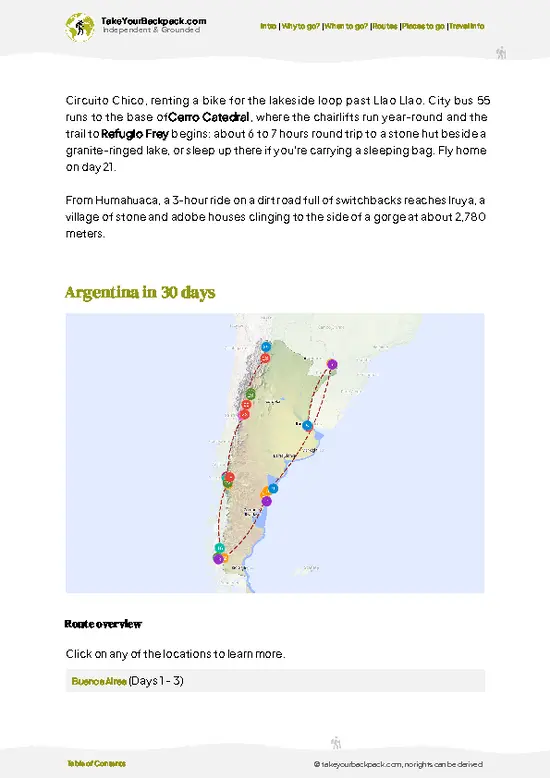
example page 0 from our offline Travel Guide for Argentina
example page 1 from our offline Travel Guide for Argentina
example page 2 from our offline Travel Guide for Argentina
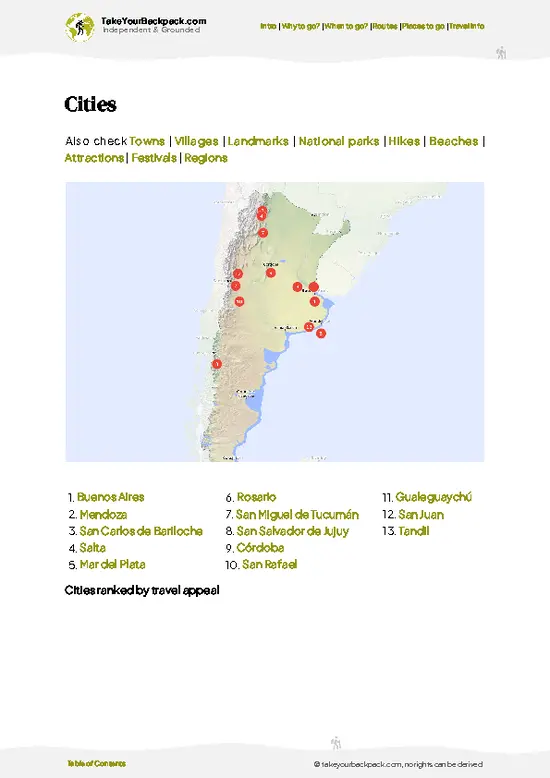
example page 3 from our offline Travel Guide for Argentina
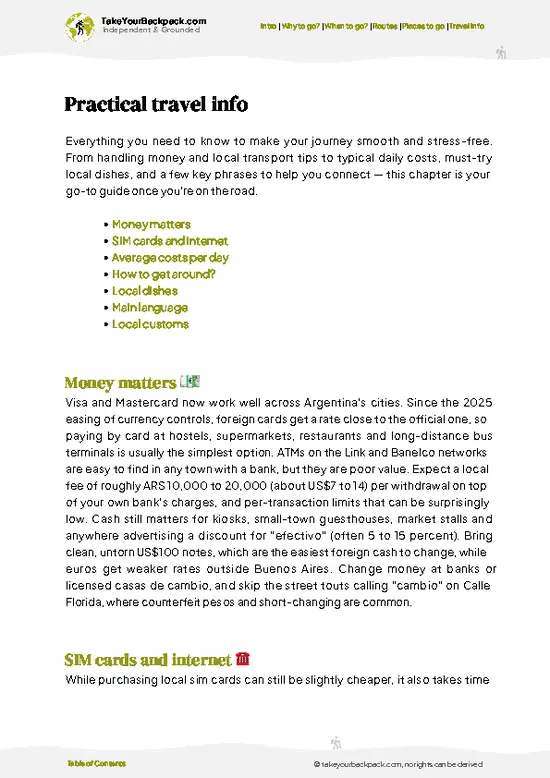
example page 4 from our offline Travel Guide for Argentina
example page 5 from our offline Travel Guide for Argentina
example page 6 from our offline Travel Guide for Argentina
example page 7 from our offline Travel Guide for Argentina
Loading the map 🌍
CLICK TO FILTER
cities
towns
villages
landmarks
national parks
hikes
beaches
attractions
festivals
regions
SHOW COUNTRY’S BESTSHOW ALL

✨ Why go?
Ranked #2 unique site in Argentina
Why visitors keep coming back

Backpackers detour hundreds of kilometers for this because nothing else in South America compares: over 800 hand stencils, some dated to roughly 9,300 years old, painted using bone pipes to blow pigment around real hands pressed to rock. That's direct, tactile contact with people from the last Ice Age, no replica, no reconstruction. The effort-to-reward ratio is steep on effort (rough roads, limited transport) but the payoff is a site that feels genuinely untouched by mass tourism. Entry runs cheap, a few thousand pesos, and guided walks are mandatory but included, so there's no upselling once you're there. It also slots naturally into the classic Ruta 40 route between El Chaltén and Perito Moreno town, meaning you're not making a special pilgrimage, you're adding a half-day stop to a journey … read more 👉
Backpackers detour hundreds of kilometers for this because nothing else in South America compares: over 800 hand stencils, some dated to roughly 9,300 years old, painted using bone pipes to blow pigment around real hands pressed to rock. That's direct, tactile contact with people from the last Ice Age, no replica, no reconstruction. The effort-to-reward ratio is steep on effort (rough roads, limited transport) but the payoff is a site that feels genuinely untouched by mass tourism. Entry runs cheap, a few thousand pesos, and guided walks are mandatory but included, so there's no upselling once you're there. It also slots naturally into the classic Ruta 40 route between El Chaltén and Perito Moreno town, meaning you're not making a special pilgrimage, you're adding a half-day stop to a journey you're already doing. For anyone chasing sites that reward curiosity over convenience, this delivers authenticity few paid attractions can match.

💡 HighlightsMust-see experiences and standout moments

  1. The Main Gallery of Hands: Hundreds of stencils, mostly left hands, layered across centuries of repeated visits. The density here is what makes photos genuinely striking, not staged, just centuries of overlapping human presence.
  2. The Hunting Scenes: Painted guanaco hunts show groups of hunters with bolas, some of the clearest narrative rock art in South America. You can trace the movement of the animals across the rock face.
  3. The Canyon Walk to the Site: The approach itself, a descent into the Río Pinturas canyon with red sandstone walls, is half the experience. This is my personal favorite part, honestly, because the anticipation builds with every switchback.
  4. Pigment Variation: Reds, ochres, blacks and whites made from mineral pigments, some layers painted thousands of years apart. Guides point
… read more 👉
  1. The Main Gallery of Hands: Hundreds of stencils, mostly left hands, layered across centuries of repeated visits. The density here is what makes photos genuinely striking, not staged, just centuries of overlapping human presence.
  2. The Hunting Scenes: Painted guanaco hunts show groups of hunters with bolas, some of the clearest narrative rock art in South America. You can trace the movement of the animals across the rock face.
  3. The Canyon Walk to the Site: The approach itself, a descent into the Río Pinturas canyon with red sandstone walls, is half the experience. This is my personal favorite part, honestly, because the anticipation builds with every switchback.
  4. Pigment Variation: Reds, ochres, blacks and whites made from mineral pigments, some layers painted thousands of years apart. Guides point out which layers are oldest based on superimposition.
  5. Geometric and Zoomorphic Figures: Beyond hands and hunts, there are abstract circular patterns and animal figures whose meaning is still debated by archaeologists. Nobody has a confirmed answer, which somehow makes it better.
  6. The Río Pinturas Itself: The river below cut this canyon over millennia and still flows through it, giving the whole site a sense of ongoing geological time rather than a frozen museum piece.
  7. The Visitor Center Exhibits: Small but well-curated displays explain the dating methods and cultural context of the Toldense and later hunter-gatherer groups who created the art. Worth ten minutes before the walk.
  8. The Isolation: No cafes, no gift shop sprawl, no crowds pressing behind you. Just canyon, wind, and rock art that's survived nine millennia without a roof over it.
Spotted a mistake or missing something? Contact us.

🌤️ When to go?When to go for the best experience

  • Summer (December to February): Warmest window, daytime highs around 25-28°C (77-82°F), long daylight (up to 15 hours), and the only period when regional buses run reliably. Also peak crowds and highest accommodation prices in nearby towns.
  • Shoulder Season (March, November): Cooler, 15-20°C (59-68°F), fewer visitors, transport still operating but less frequent. Good balance of comfort and quiet.
  • Winter (June to August): Cold, often below 5°C (41°F), strong winds, and many transport services and guided tours suspend entirely. Not recommended unless you have a private vehicle.
  • Wind: Patagonian wind is relentless year-round; afternoons are windier than mornings regardless of season.
Aim for late February. Peak summer crowds thin out, weather's still stable, and you'll actually hear the guide over the wind.

source: climatestotravel.comJANJanuary: excellent for travelingFEBFebruary: excellent for travelingMARMarch: highly recommended for travelingAPRApril: good for travelingMAYMay: fair for travelingJUNJune: below average for travelingJULJuly: below average for travelingAUGAugust: fair for travelingSEPSeptember: good for travelingOCTOctober: highly recommended for travelingNOVNovember: highly recommended for travelingDECDecember: excellent for traveling
argentina-unique-site-cueva-de-las-manos
© Google | Alberto Curia

✈️ The backpacker research shortcutArgentina Travel Guide

An offline-friendly backpacking guide with optimized travel routes, ranked highlights, transport advice, and the best areas to stay.
example page 0 from our offline Travel Guide for Argentina
example page 1 from our offline Travel Guide for Argentina
example page 2 from our offline Travel Guide for Argentina
example page 3 from our offline Travel Guide for Argentina
example page 4 from our offline Travel Guide for Argentina
example page 5 from our offline Travel Guide for Argentina
example page 6 from our offline Travel Guide for Argentina
example page 7 from our offline Travel Guide for Argentina
The digital guide (393 pages) contains:
✅ 131 highlights, ranked by travel appeal
✅ Optimized 14, 21 & 30-day travel routes
✅ Cities, national parks, landmarks, beaches
✅ How to get around
✅ Offline-friendly for travel without Wi-Fi
👉 Click to see all 30+ guide features

📅 Plan smarter in minutes, not weeks
✅ Month by month travel advice
✅ Festivals & national holidays
✅ Budget expectations

🗺️ Go to the right places, skip the overrated ones
✅ Honest pros & cons of destinations
✅ Top hikes, parks & viewpoints
✅ Lesser-known places most travelers miss
✅ Clear “worth it vs skip it” guidance

🛏️ Travel smoothly without rookie mistakes
✅ Best areas to stay
✅ Transport systems explained simply
✅ Common scams & safety advice
✅ SIM cards, money & practical tips

🌍 Understand the country, not just visit it
✅ Culture & traditions
✅ 52 Essential phrases & customs
✅ Festivals worth planning around
✅ Traveler-friendly historical context
✅ Insights that make places more meaningful

📱 Built for real travel conditions
✅ Fully downloadable PDF
✅ Works completely offline
✅ Optimized for phone use
✅ Useful in remote areas & buses
✅ Everything in one place
Stop searching, start planning
Get instant access to your full guide. 30‑day money-back guarantee.
+ Add another guide for just

By proceeding you agree to our terms.
Sent to your inbox immediately after payment • 100% Secure Checkout
Best Backpacking Travel Advisor 2025 tourism awardBest Backpacking
Travel Advisor
2025
What others say about Take Your Backpack Guides:
⭐⭐⭐⭐⭐
Fantastic, amazing amount of information!
⭐⭐⭐⭐⭐
My goodness this is amazing, it's what I've been looking for hats off too you!
⭐⭐⭐⭐⭐
I think this is absolutely BRILLIANT
⭐⭐⭐⭐
Very complete and informative. It's still missing places, but I gotta to commend you
⭐⭐⭐⭐⭐
This is truly amazing, thank you, can't wait to explore it with my kids!
⭐⭐⭐⭐⭐
Awesome resource, thank you!
⭐⭐⭐⭐⭐
This is amazing! Can't wait to explore the ones I haven't seen
⭐⭐⭐⭐
I love this! Well done, great idea.
⭐⭐⭐⭐⭐
Thanks for taking the time to make this gem!
⭐⭐⭐⭐⭐
This might be the best website I've ever seen.
⭐⭐⭐⭐⭐
Congratulations, and thank you so much for your work; it's incredibly valuable.
⭐⭐⭐⭐
In all seriousness I think you did a great job pointing out the important spots
⭐⭐⭐⭐⭐
10/10 very good
⭐⭐⭐⭐⭐
As someone who's only just starting to visit regularly this is awesome, thank you.
⭐⭐⭐⭐
Thank you very much! I'm going to visit my dad, it's going to be very useful!
⭐⭐⭐⭐⭐
This is really cool! We'll be travelling for the first time and this definitely come in handy.
⭐⭐⭐⭐⭐
You are now our minister of culture, congratulations 👨‍💼
⭐⭐⭐⭐⭐
Just wanted to tell you that this is a pearl! Going to follow your recommendations.
⭐⭐⭐⭐⭐
This is so cool. I'll definitely be using the resource for my travels soon.
⭐⭐⭐⭐⭐
This is very impressive! Good work.
⭐⭐⭐⭐⭐
This is an amazing and informative site. Very well done!

🛏️ Where to stay?Where staying makes the most sense

Most backpackers base themselves in the small town of Perito Moreno (not the glacier, a separate town in Santa Cruz Province), roughly 160 kilometers from the site. It's modest, with a handful of guesthouses and a genuinely local feel, no tourist strip, just a functional Patagonian town where you can arrange transport to the cave and stock up on supplies. It works because it sits along the Ruta 40 corridor, so you'll likely pass through anyway.

Alternatively, some travelers stay closer at small rural estancias (ranch lodges) nearer the canyon itself, which cuts down travel time significantly … read more 👉
Most backpackers base themselves in the small town of Perito Moreno (not the glacier, a separate town in Santa Cruz Province), roughly 160 kilometers from the site. It's modest, with a handful of guesthouses and a genuinely local feel, no tourist strip, just a functional Patagonian town where you can arrange transport to the cave and stock up on supplies. It works because it sits along the Ruta 40 corridor, so you'll likely pass through anyway.

Alternatively, some travelers stay closer at small rural estancias (ranch lodges) nearer the canyon itself, which cuts down travel time significantly and often includes home-cooked meals and a much quieter, more social atmosphere with other independent travelers doing the same route. These fill up fast in summer, so flexibility matters.

Avoid trying to day-trip from El Chaltén or El Calafate; the distances make it impractical without a private vehicle. Perito Moreno town remains the most practical, budget-friendly, and social base, with enough fellow backpackers passing through to swap route tips and split transport costs to the site.

👛 Costs (as of 19 October 2026)Travel costs and budget guide for Cueva de las Manos

Visiting Cueva de las Manos is inexpensive once you're there, but getting there is where the real cost sits, since it's remote and transport options are limited.
CategoryBudget RangeLocal Reality
Site entry feeUSD 5 to 10Includes mandatory guided walk, payable in pesos on arrival
Transport from Perito Moreno townUSD 20 to 40Shared minivan tours or private transfer, since public buses don't reach the site directly
Accommodation in Perito Moreno townUSD 10 to 25/nightBasic guesthouses and hostel dorms, limited options so book ahead in summer
MealsUSD 8 to 15/daySimple local eateries, empanadas and asado-style meals dominate menus
Long-distance bus to Perito Moreno townUSD 30 to 60From El Chaltén or El Calafate, journey takes several hours on Ruta 40
Guided tour package (if booked from a larger town)USD
… read more 👉
Visiting Cueva de las Manos is inexpensive once you're there, but getting there is where the real cost sits, since it's remote and transport options are limited.
CategoryBudget RangeLocal Reality
Site entry feeUSD 5 to 10Includes mandatory guided walk, payable in pesos on arrival
Transport from Perito Moreno townUSD 20 to 40Shared minivan tours or private transfer, since public buses don't reach the site directly
Accommodation in Perito Moreno townUSD 10 to 25/nightBasic guesthouses and hostel dorms, limited options so book ahead in summer
MealsUSD 8 to 15/daySimple local eateries, empanadas and asado-style meals dominate menus
Long-distance bus to Perito Moreno townUSD 30 to 60From El Chaltén or El Calafate, journey takes several hours on Ruta 40
Guided tour package (if booked from a larger town)USD 60 to 100Includes transport, entry, and guide, convenient but pricier than DIY
Overall daily cost while in the region, factoring accommodation, food, and local transport, typically lands in the range provided. The biggest variable is whether you arrange transport independently or book a packaged tour from El Chaltén or El Calafate, which costs more but saves logistical headaches in an area with sparse public transit.


source: argentina.travel
⚠️ Prices can change and everyone travels differently, so take this as a rough guide. Hope it helps you plan your adventure!

FAQTraveler FAQ

It's an archaeological site in Santa Cruz Province, Patagonia, featuring over 800 hand stencils and hunting scene paintings created by hunter-gatherer groups roughly 9,300 years ago. UNESCO listed it as a World Heritage Site in 1999 for its exceptional preservation and age.
Plan for about 2 to 3 hours at the site itself, including the mandatory guided walk through the canyon galleries. Factor in a full day of travel each way from Perito Moreno town or larger hubs like El Chaltén, since the location is remote.
Most travelers base themselves in Perito Moreno town, roughly 160 kilometers away, and join a shared minivan tour or arrange private transport, since no public bus runs directly to the site. Having your own vehicle gives the most flexibility, as roads are unpaved for the final stretch.
⚠️ Things can change over time, so always validate details locally before you go.

Other Argentine landmarks near Cueva de las Manos

Explore more nearby:

  • Perito Moreno Glacier—Steel walkways, calving ice, Safari Náutico, blue crevasses| 414 km away
  • Punta Tombo—Penguin burrows, roped trail, chick season, steppe wildlife| 546 km away
  • Cerro Catedral—Granite spires, Refugio Frey, Laguna Toncek, Nahuel Huapi views| 669 km away

💡 Not sure where to go next?
Create a personalized itinerary for Argentina including Cueva de las Manos and the places that fit your trip.

Generate my itinerary

👉 Discover all landmarks

Or checkout all Argentina has to offer (think cities, towns, villages, national parks, hikes, beaches, festivals)
Country photo of Argentina

We 💚 feedbackFinal thoughts on visiting Cueva de las Manos

Worth it for one reason: standing in front of hand stencils older than the pyramids, with zero crowds and zero glass barriers between you and 9,000 years of human history. The drawback? Getting there eats a full day of rough travel each way. If you rush it, you'll resent the trip. Give it time.

✈️ When did I visit Argentina?
I have visited Argentina, together with Chile, in September 2012.

✍️ Help improve this page!
The information on this page is based on my own backpacking experience in Argentina, supplemented with up-to-date research and feedback from other travelers. Travel details can change, so if you notice anything outdated or incomplete, feel free to let me know.


🙋‍♂️ Give feedback

👋 Meet the founderWho’s Behind Take Your Backpack?

Johan, backpacker and founder of TakeYourBackpackHi, I’m Johan (Netherlands 🇳🇱), the creator of TakeYourBackpack. Over the past 3 decades, I’ve backpacked through 90+ countries across six continents, gaining extensive experience with independent travel, long-term trips, and overland routes.

This site is built on a combination of firsthand travel experience and carefully curated insights from other backpackers. Many guides are based on places I’ve personally visited, while others bring together tips, observations, and practical advice shared by trusted travelers I’ve met along the way.

The goal is to provide realistic, experience-driven guidance — not generic itineraries — so you can explore destinations with better context, clearer expectations, and more confidence.