×

Argentina🇦🇷 | citiesSan RafaelAtuel canyon departures, Diamante riverside, small-town wineries, pear country | things to do and best time to go

Explore San Salvador de JujuyExplore Gualeguaychú

Backpacking in San Rafael
👌 Worth visitingcity ranked #10
By Johan Kruseman 🇳🇱 | Updated October 19, 2026

San Rafael isn't for anyone chasing a party-hostel circuit or ticking off famous ruins. It rewards the traveler willing to slow down, rent a bike, and let a wine valley do the talking. Tucked in southern Mendoza province, this city works as a quiet counterpoint to the bigger Argentine hubs. Here's the trade-off: you sacrifice big-city nightlife and museum density for cheap, excellent wine, uncrowded canyons, and a calmer pace. I remember sitting at a roadside stand outside town, a glass of Malbec sweating in the afternoon heat, watching a farmer load crates of pears onto a truck, and realizing this is what the region actually runs on, not tourism. Safety is high, costs are low, and meeting other travelers happens mostly through tour vans headed to Cañón del Atuel, not bars.

Discover everything you want to know in the 📖 Argentina Travel Guide.


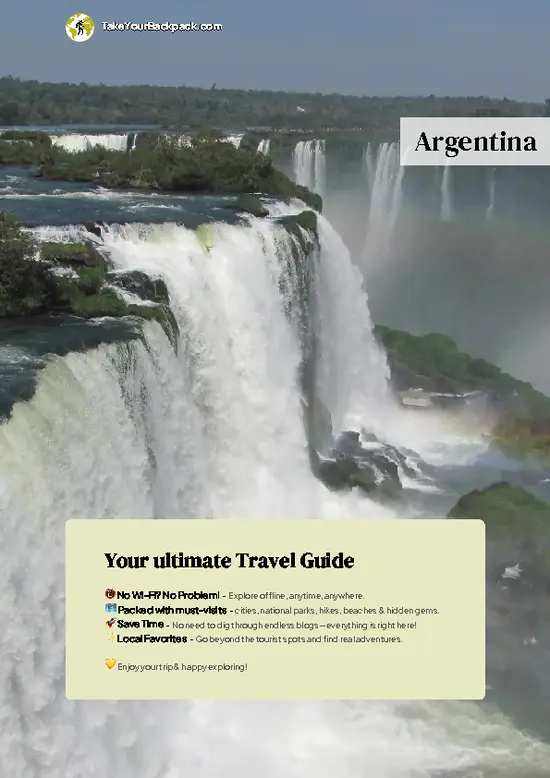
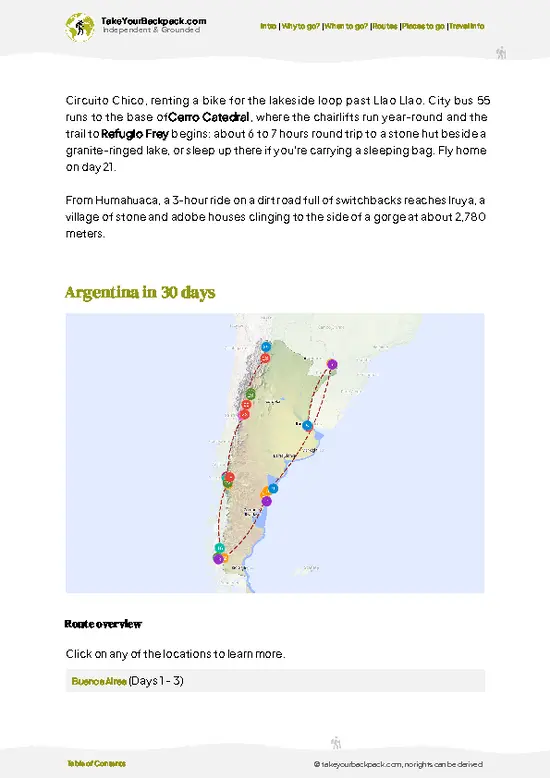
example page 0 from our offline Travel Guide for Argentina
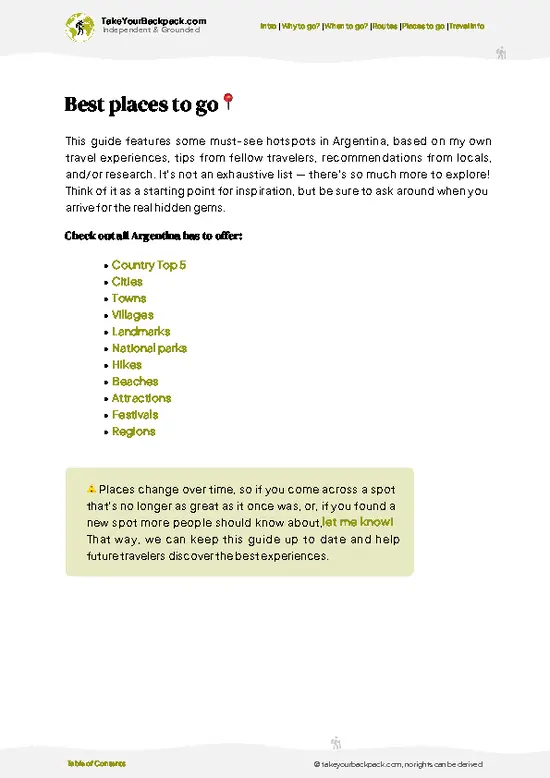
example page 1 from our offline Travel Guide for Argentina
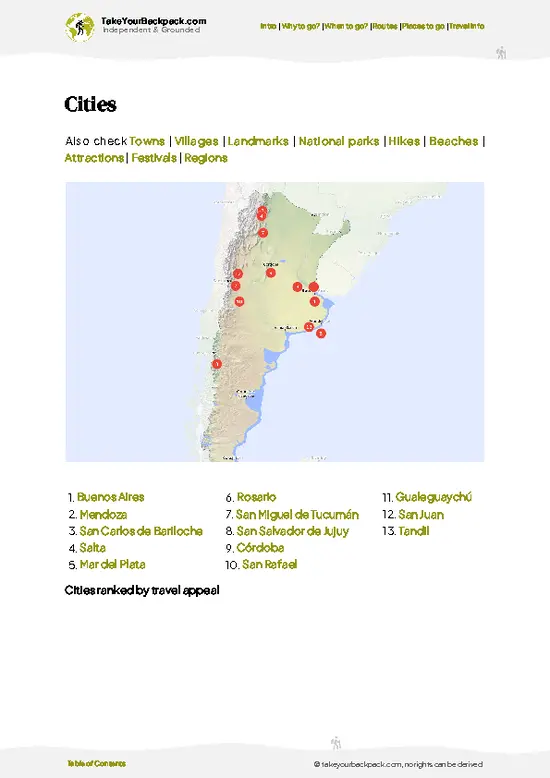
example page 2 from our offline Travel Guide for Argentina
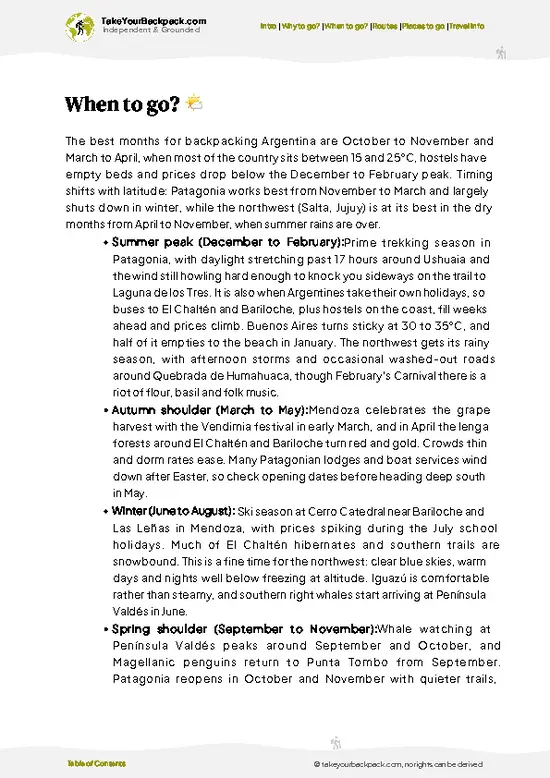
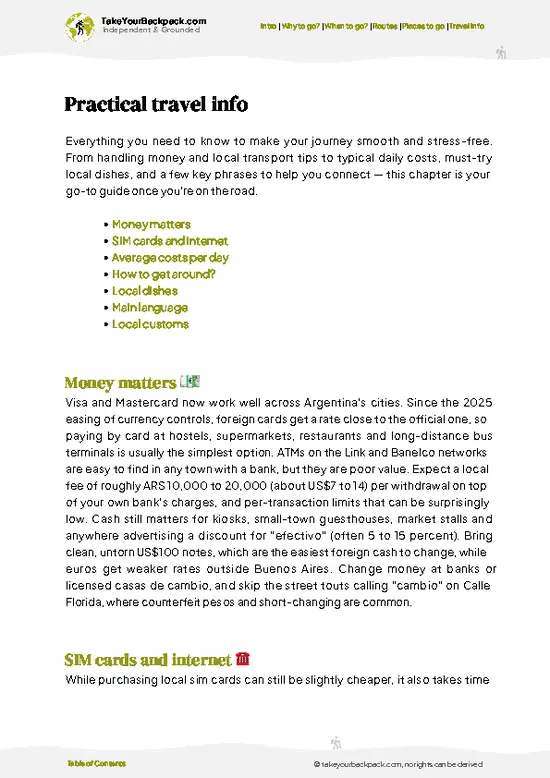
example page 3 from our offline Travel Guide for Argentina
example page 4 from our offline Travel Guide for Argentina
example page 5 from our offline Travel Guide for Argentina
example page 6 from our offline Travel Guide for Argentina
example page 7 from our offline Travel Guide for Argentina
Loading the map 🌍
CLICK TO FILTER
cities
towns
villages
landmarks
national parks
hikes
beaches
attractions
festivals
regions
SHOW COUNTRY’S BESTSHOW ALL

✨ Why go?
Ranked #10 city in Argentina
What sets this place apart

Backpackers land in San Rafael mainly for basecamp value, using it to launch into canyon and vineyard day trips without needing a car. The hostels here are relaxed and social, often family-run, and cheaper than Mendoza city equivalents. Food is straightforward and filling: parrilla, empanadas, and pasta joints that won't wreck your budget. The town itself is compact and walkable, so you're not burning time on buses just to reach a grocery store or bike rental shop. Nightlife is modest, a handful of bars rather than a scene, so don't come expecting Buenos Aires energy. Onward travel is easy, with regular buses to Mendoza, San Juan, and southern Patagonia routes. Most backpackers treat it as a 2 to 4 night stop rather than a long-term base, which suits its role well.

💡 HighlightsThe experiences that define the visit

  1. Cañón del Atuel access point: While the canyon itself sits outside the city, this is where most tours and rentals depart from. Best visited morning to midday. Half-day tours run roughly USD15 to 25.
  2. Plaza San Martín: The city's central square, shaded and calm, good for people-watching or a break between errands. Free, takes 20 to 30 minutes.
  3. Museo de Historia Natural: A small but informative natural history museum covering regional geology and paleontology. Entry is inexpensive, around USD1 to 2, visit takes about an hour.
  4. Bodega La Abeja: One of the older wineries near the city, offering tastings and a look at traditional production methods. Tours run about 45 minutes, tastings cost USD5 to 10.
  5. Parque Mariano Moreno: A green riverside space popular with locals for walking and picnicking, best
… read more 👉
  1. Cañón del Atuel access point: While the canyon itself sits outside the city, this is where most tours and rentals depart from. Best visited morning to midday. Half-day tours run roughly USD15 to 25.
  2. Plaza San Martín: The city's central square, shaded and calm, good for people-watching or a break between errands. Free, takes 20 to 30 minutes.
  3. Museo de Historia Natural: A small but informative natural history museum covering regional geology and paleontology. Entry is inexpensive, around USD1 to 2, visit takes about an hour.
  4. Bodega La Abeja: One of the older wineries near the city, offering tastings and a look at traditional production methods. Tours run about 45 minutes, tastings cost USD5 to 10.
  5. Parque Mariano Moreno: A green riverside space popular with locals for walking and picnicking, best visited in late afternoon. Free entry.
  6. Costanera del Río Diamante: A pleasant riverside walking path, good for an early evening stroll with river views. Free, 30 to 60 minutes.
  7. Central market area: Small local market stalls selling regional produce and snacks, useful for a cheap authentic lunch, cash only, most items under USD3.
Just outside the city, Cañón del Atuel, the Valle Grande reservoir, and nearby vineyards make excellent day trips. My personal favorite is the canyon road itself, the rock formations along the drive are worth the trip alone.
Spotted a mistake or missing something? Contact us.

🏘️ NeighborhoodsUnderstanding the local layout

Orienting yourself here is simple since San Rafael is small and grid-based, but where you land still shapes your trip.
  • Centro: This is the time-saver. Everything, bus terminal, restaurants, bike rental shops, sits within walking distance. You trade a bit of quiet for convenience, but it's the smartest pick for stays under three nights.
  • Around Plaza San Martín: Slightly quieter than Centro proper, still walkable to everything, and good for travelers wanting evening calm without sacrificing access. A solid middle-ground choice.
  • Near the bus terminal: Budget-friendly and practical if you're arriving or leaving late, but it's the least atmospheric zone. Good for one-night logistics stops, not for lingering.
  • Outskirts toward the river/canyon road: Cheaper and quieter, with a more local feel, but you'll
… read more 👉
Orienting yourself here is simple since San Rafael is small and grid-based, but where you land still shapes your trip.
  • Centro: This is the time-saver. Everything, bus terminal, restaurants, bike rental shops, sits within walking distance. You trade a bit of quiet for convenience, but it's the smartest pick for stays under three nights.
  • Around Plaza San Martín: Slightly quieter than Centro proper, still walkable to everything, and good for travelers wanting evening calm without sacrificing access. A solid middle-ground choice.
  • Near the bus terminal: Budget-friendly and practical if you're arriving or leaving late, but it's the least atmospheric zone. Good for one-night logistics stops, not for lingering.
  • Outskirts toward the river/canyon road: Cheaper and quieter, with a more local feel, but you'll spend more time and small transport costs getting into town for food or tours. Worth it only if you value peace over convenience and plan to stay several days.
The system here rewards short-stay travelers who cluster near Centro, and longer-stay travelers who trade a few minutes of walking for lower prices and quieter nights on the edges.

⌛️ 1 dayWhat you can realistically do in a day

The day runs on foot in the cool morning, with a long siesta through the afternoon heat and a short taxi hop for the evening.
8:30 AM: Plaza San Martín Start under the plane trees with a coffee and medialunas at one of the corner cafés. The square is the center of town, and everything else sits within a few blocks.
10:00 AM: Museo de Historia Natural Walk to the municipal natural history museum in Parque Mariano Moreno, a small collection of local fossils and fauna, then continue by foot to the nearby riverside paths.
11:30 AM: Isla Río Diamante Walk the riverbank paths where locals jog and share mate. It is quiet and green, and it shows daily life far from the souvenir shops.
1:00 PM: Lunch at a parrilla Order grilled beef or goat (chivito) with a local red. Shops close afterward, so linger.
2:00 … read more 👉
The day runs on foot in the cool morning, with a long siesta through the afternoon heat and a short taxi hop for the evening.
8:30 AM: Plaza San Martín Start under the plane trees with a coffee and medialunas at one of the corner cafés. The square is the center of town, and everything else sits within a few blocks.
10:00 AM: Museo de Historia Natural Walk to the municipal natural history museum in Parque Mariano Moreno, a small collection of local fossils and fauna, then continue by foot to the nearby riverside paths.
11:30 AM: Isla Río Diamante Walk the riverbank paths where locals jog and share mate. It is quiet and green, and it shows daily life far from the souvenir shops.
1:00 PM: Lunch at a parrilla Order grilled beef or goat (chivito) with a local red. Shops close afterward, so linger.
2:00 PM: Siesta Retreat to your hostel until the heat breaks.
5:00 PM: Bodega visit Take a taxi to a winery on the town's outskirts for a tasting among the vines. Malbec and Chardonnay dominate here, and the Andes sit on the horizon.
8:30 PM: Dinner on Avenida Hipólito Yrigoyen Taxi back and stroll the main avenue, where families fill sidewalk tables late. End with ice cream, a local obsession.

🌤️ When to go?Seasonal considerations and timing

  • Autumn (March to May): Harvest season, temperatures average 15-25°C (59-77°F), mild days and cool nights, ideal for canyon tours and vineyard visits without summer heat.
  • Winter (June to August): Cold, especially at night, dropping to near 0°C (32°F), fewer tourists, lower prices, but some outdoor activities scale back.
  • Spring (September to November): Comfortable temperatures around 18-24°C (64-75°F), blooming countryside, moderate crowds, good value before peak season.
  • Summer (December to February): Hot, often 30°C+ (86°F+), longest daylight hours, busiest with domestic tourists, higher accommodation prices.
Aim for late March or April, harvest activities peak, heat has broken, and hostel prices haven't yet climbed for summer crowds.

source: climatestotravel.comJANJanuary: fair for travelingFEBFebruary: fair for travelingMARMarch: highly recommended for travelingAPRApril: excellent for travelingMAYMay: highly recommended for travelingJUNJune: below average for travelingJULJuly: below average for travelingAUGAugust: below average for travelingSEPSeptember: excellent for travelingOCTOctober: excellent for travelingNOVNovember: highly recommended for travelingDECDecember: fair for traveling
when-to-go

✈️ The backpacker research shortcutArgentina Travel Guide

An offline-friendly backpacking guide with optimized travel routes, ranked highlights, transport advice, and the best areas to stay.
example page 0 from our offline Travel Guide for Argentina
example page 1 from our offline Travel Guide for Argentina
example page 2 from our offline Travel Guide for Argentina
example page 3 from our offline Travel Guide for Argentina
example page 4 from our offline Travel Guide for Argentina
example page 5 from our offline Travel Guide for Argentina
example page 6 from our offline Travel Guide for Argentina
example page 7 from our offline Travel Guide for Argentina
The digital guide (393 pages) contains:
✅ 131 highlights, ranked by travel appeal
✅ Optimized 14, 21 & 30-day travel routes
✅ Cities, national parks, landmarks, beaches
✅ How to get around
✅ Offline-friendly for travel without Wi-Fi
👉 Click to see all 30+ guide features

📅 Plan smarter in minutes, not weeks
✅ Month by month travel advice
✅ Festivals & national holidays
✅ Budget expectations

🗺️ Go to the right places, skip the overrated ones
✅ Honest pros & cons of destinations
✅ Top hikes, parks & viewpoints
✅ Lesser-known places most travelers miss
✅ Clear “worth it vs skip it” guidance

🛏️ Travel smoothly without rookie mistakes
✅ Best areas to stay
✅ Transport systems explained simply
✅ Common scams & safety advice
✅ SIM cards, money & practical tips

🌍 Understand the country, not just visit it
✅ Culture & traditions
✅ 52 Essential phrases & customs
✅ Festivals worth planning around
✅ Traveler-friendly historical context
✅ Insights that make places more meaningful

📱 Built for real travel conditions
✅ Fully downloadable PDF
✅ Works completely offline
✅ Optimized for phone use
✅ Useful in remote areas & buses
✅ Everything in one place
Stop searching, start planning
Get instant access to your full guide. 30‑day money-back guarantee.
+ Add another guide for just

By proceeding you agree to our terms.
Sent to your inbox immediately after payment • 100% Secure Checkout
Best Backpacking Travel Advisor 2025 tourism awardBest Backpacking
Travel Advisor
2025
What others say about Take Your Backpack Guides:
⭐⭐⭐⭐⭐
Fantastic, amazing amount of information!
⭐⭐⭐⭐⭐
My goodness this is amazing, it's what I've been looking for hats off too you!
⭐⭐⭐⭐⭐
I think this is absolutely BRILLIANT
⭐⭐⭐⭐
Very complete and informative. It's still missing places, but I gotta to commend you
⭐⭐⭐⭐⭐
This is truly amazing, thank you, can't wait to explore it with my kids!
⭐⭐⭐⭐⭐
Awesome resource, thank you!
⭐⭐⭐⭐⭐
This is amazing! Can't wait to explore the ones I haven't seen
⭐⭐⭐⭐
I love this! Well done, great idea.
⭐⭐⭐⭐⭐
Thanks for taking the time to make this gem!
⭐⭐⭐⭐⭐
This might be the best website I've ever seen.
⭐⭐⭐⭐⭐
Congratulations, and thank you so much for your work; it's incredibly valuable.
⭐⭐⭐⭐
In all seriousness I think you did a great job pointing out the important spots
⭐⭐⭐⭐⭐
10/10 very good
⭐⭐⭐⭐⭐
As someone who's only just starting to visit regularly this is awesome, thank you.
⭐⭐⭐⭐
Thank you very much! I'm going to visit my dad, it's going to be very useful!
⭐⭐⭐⭐⭐
This is really cool! We'll be travelling for the first time and this definitely come in handy.
⭐⭐⭐⭐⭐
You are now our minister of culture, congratulations 👨‍💼
⭐⭐⭐⭐⭐
Just wanted to tell you that this is a pearl! Going to follow your recommendations.
⭐⭐⭐⭐⭐
This is so cool. I'll definitely be using the resource for my travels soon.
⭐⭐⭐⭐⭐
This is very impressive! Good work.
⭐⭐⭐⭐⭐
This is an amazing and informative site. Very well done!

🛏️ Where to stay?Choosing the right base

Centro is the clear choice for most backpackers, offering walkable access to restaurants, the bus terminal, and bike rental shops without needing transport. It's social enough that you'll bump into other travelers at breakfast or while booking canyon tours, without feeling like a packed hostel circuit. The area around Plaza San Martín offers a quieter alternative just a short walk from the same amenities, good for those wanting slightly calmer evenings. Staying near the bus terminal makes sense only for one-night logistics stops, since it lacks atmosphere. Outer neighborhoods near the river are … read more 👉
Centro is the clear choice for most backpackers, offering walkable access to restaurants, the bus terminal, and bike rental shops without needing transport. It's social enough that you'll bump into other travelers at breakfast or while booking canyon tours, without feeling like a packed hostel circuit. The area around Plaza San Martín offers a quieter alternative just a short walk from the same amenities, good for those wanting slightly calmer evenings. Staying near the bus terminal makes sense only for one-night logistics stops, since it lacks atmosphere. Outer neighborhoods near the river are cheaper and quieter but require short transport hops for food and activities, making them better suited to longer, budget-focused stays than quick visits.

🚌 Getting aroundGetting around like a local

San Rafael runs on unhurried, semi-informal rhythm rather than rigid timetables. Buses exist but locals and travelers alike lean heavily on bikes and feet, and the city's flat, compact layout makes that an easy choice rather than a hardship.
  • Walking: Free, and realistic for most of Centro, this is your highest-value option if you're staying near downtown, costing you nothing but time.
  • Bicycle rental: Roughly USD5 to 10 per day, the fastest way to reach the river paths and outer neighborhoods, trading a small cost for major time savings and comfort.
  • Local buses: Cheap, around USD0.50 to 1 per ride, but schedules are loose and routes aren't always clearly marked, so budget extra time if you choose this over walking or biking.
  • Remis (local taxis): Affordable relative to international taxi prices,
… read more 👉
San Rafael runs on unhurried, semi-informal rhythm rather than rigid timetables. Buses exist but locals and travelers alike lean heavily on bikes and feet, and the city's flat, compact layout makes that an easy choice rather than a hardship.
  • Walking: Free, and realistic for most of Centro, this is your highest-value option if you're staying near downtown, costing you nothing but time.
  • Bicycle rental: Roughly USD5 to 10 per day, the fastest way to reach the river paths and outer neighborhoods, trading a small cost for major time savings and comfort.
  • Local buses: Cheap, around USD0.50 to 1 per ride, but schedules are loose and routes aren't always clearly marked, so budget extra time if you choose this over walking or biking.
  • Remis (local taxis): Affordable relative to international taxi prices, useful late at night or with luggage, sacrificing a bit of money for comfort and reliability.
  • Tour vans/shuttles: Essential for reaching Cañón del Atuel and vineyards outside walking range, costing USD15 to 25 for half-day trips, a worthwhile trade of money for access you simply can't get on foot.
The smart play here is walking or biking within the city, saving your money for the shuttle trips that actually require it.

👛 Costs (as of 19 October 2026)What things cost and how to budget

On average, backpackers in San Rafael can expect to spend between USD30 and 45 per day, covering accommodation, food, local transport, and basic activities.
CategoryBudget RangeLocal Reality
Dorm bed (high season)USD10 to 15Family-run hostels, basic but clean, breakfast often included
Dorm bed (off-season)USD7 to 10Easy to negotiate multi-night stays
MealsUSD5 to 12/dayMarket empanadas cheap, sit-down parrilla dinners cost more
Local transportUSD1 to 3/dayMostly walking or biking, buses cheap but infrequent
City transport passNot typically neededBike rental (USD5 to 10/day) more practical than passes
Basic activities/entry feesUSD5 to 15/dayMuseum entries cheap, canyon tours pricier but worthwhile
MiscellaneousUSD3 to 5/daySnacks, small souvenirs, SIM card top-ups
Total Daily BudgetUSD30 to 45Comfortable
… read more 👉
On average, backpackers in San Rafael can expect to spend between USD30 and 45 per day, covering accommodation, food, local transport, and basic activities.
CategoryBudget RangeLocal Reality
Dorm bed (high season)USD10 to 15Family-run hostels, basic but clean, breakfast often included
Dorm bed (off-season)USD7 to 10Easy to negotiate multi-night stays
MealsUSD5 to 12/dayMarket empanadas cheap, sit-down parrilla dinners cost more
Local transportUSD1 to 3/dayMostly walking or biking, buses cheap but infrequent
City transport passNot typically neededBike rental (USD5 to 10/day) more practical than passes
Basic activities/entry feesUSD5 to 15/dayMuseum entries cheap, canyon tours pricier but worthwhile
MiscellaneousUSD3 to 5/daySnacks, small souvenirs, SIM card top-ups
Total Daily BudgetUSD30 to 45Comfortable budget travel including one tour every few days


source: argentina.gob.ar
⚠️ Prices can change and everyone travels differently, so take this as a rough guide. Hope it helps you plan your adventure!

🚌 Day tripsShort trips worth adding

San Rafael's real strength as a backpacker base is how easily it opens up canyon and wine country without needing a rental car.Cañón del Atuel: This dramatic canyon drive, lined with red rock formations, is the region's signature outing. Half-day tours take about 4 to 5 hours round trip and cost around USD15 to 25 including transport. Go in the morning for better light and cooler temperatures. First-timers often skip the rafting add-on, which is genuinely worth the extra USD10 to 15 if water levels allow.
👉 Explore Cañón del Atuel
Valle Grande Reservoir: A scenic stop often combined with the canyon route, good for a short walk and photos beside turquoise water. It adds minimal extra time if bundled with an Atuel tour, and costs little beyond the base tour price.

Local wineries and orchards: … read more 👉
San Rafael's real strength as a backpacker base is how easily it opens up canyon and wine country without needing a rental car.Cañón del Atuel: This dramatic canyon drive, lined with red rock formations, is the region's signature outing. Half-day tours take about 4 to 5 hours round trip and cost around USD15 to 25 including transport. Go in the morning for better light and cooler temperatures. First-timers often skip the rafting add-on, which is genuinely worth the extra USD10 to 15 if water levels allow.
👉 Explore Cañón del Atuel
Valle Grande Reservoir: A scenic stop often combined with the canyon route, good for a short walk and photos beside turquoise water. It adds minimal extra time if bundled with an Atuel tour, and costs little beyond the base tour price.

Local wineries and orchards: Several small bodegas sit within a 20 to 30 minute bike or taxi ride from the center, offering tastings for USD5 to 10. Best visited March to May during harvest, when tours are more active and grapes are actually being pressed.

Los Reyunos Reservoir: A calmer, less touristy alternative to Valle Grande, good for swimming or a quiet afternoon. Reachable by taxi in about 30 minutes, costing roughly USD10 to 15 round trip. Best visited outside peak summer weekends to avoid local crowds.

🍲 FoodWhat to Eat & Drink

San Rafael's food scene centers on parrilla (grilled meats), simple pasta dishes reflecting the region's Italian immigrant roots, and fresh produce from the surrounding orchards. Empanadas from local markets make a cheap, reliable lunch, often still warm and cheaper than sit-down meals. Wine is the real draw, though, with Malbec and regional blends available at bodega tastings for a fraction of what you'd pay elsewhere. Casual restaurants around Centro serve generous set-lunch menus at low prices, a good way to eat well without planning ahead. Evening dining runs late by international standards, often not starting until 9 PM, so don't expect a full restaurant scene before then. Cafés double as social hubs during the day, slow-paced spots for people-watching over a coffee.

🛡️ SafetySafety Tips and Common Scams in San Rafael

San Rafael is broadly safe, and most backpackers pass through without incident. The main annoyance is loosely timed local buses rather than any real danger, so budget extra time rather than stress over it. Solo travelers, including women, generally report feeling comfortable walking Centro during the day and early evening, though it's sensible to avoid poorly lit outer streets late at night, as in any Argentine town. Petty theft risk is low compared to Mendoza or Buenos Aires, but keep bags zipped and visible at the bus terminal, where distraction theft is the most common (if still rare) issue. Basic street awareness and confident body language are enough here.

FAQCommon questions from travelers

Two to three days is enough to cover the city center, a winery visit, and a half-day canyon tour. Travelers wanting to add rafting or the Los Reyunos reservoir might stretch it to four days.
Yes, San Rafael is considered safe for solo backpackers, including women traveling alone, with low rates of violent crime and generally low-key street activity even at night in Centro.
San Rafael is known primarily for its wine production, particularly Malbec, and for being the gateway to Cañón del Atuel, a dramatic red-rock canyon popular for rafting, hiking, and scenic drives.
⚠️ Things can change over time, so always validate details locally before you go.

Other Argentine cities near San Rafael

Explore more nearby:

  • Mendoza—Wine bodegas, Andes sunsets, tiled plazas, hilltop park| 197 km away
  • San Juan—Quake-rebuilt center, Sarmiento’s birthplace, city-edge wineries, dried-fruit market| 343 km away
  • Córdoba—Jesuit block, student energy, evening plazas, weekend craft fair| 525 km away

💡 Not sure where to go next?
Create a personalized itinerary for Argentina including San Rafael and the places that fit your trip.

Generate my itinerary

👉 Discover all cities

Or checkout all Argentina has to offer (think cities, towns, villages, national parks, hikes, beaches, festivals)
Country photo of Argentina

We 💚 feedbackSumming up the experience

San Rafael is worth it for the canyon and wine country access alone, cheap tastings, dramatic rock drives, and a calm pace you won't find in Mendoza city. The drawback: nightlife is thin, and if you're craving a hostel party scene, you'll be bored by day two.

✈️ When did I visit Argentina?
I have visited Argentina, together with Chile, in September 2012.

✍️ Help improve this page!
The information on this page is based on my own backpacking experience in Argentina, supplemented with up-to-date research and feedback from other travelers. Travel details can change, so if you notice anything outdated or incomplete, feel free to let me know.


🙋‍♂️ Give feedback

👋 Meet the founderWho’s Behind Take Your Backpack?

Johan, backpacker and founder of TakeYourBackpackHi, I’m Johan (Netherlands 🇳🇱), the creator of TakeYourBackpack. Over the past 3 decades, I’ve backpacked through 90+ countries across six continents, gaining extensive experience with independent travel, long-term trips, and overland routes.

This site is built on a combination of firsthand travel experience and carefully curated insights from other backpackers. Many guides are based on places I’ve personally visited, while others bring together tips, observations, and practical advice shared by trusted travelers I’ve met along the way.

The goal is to provide realistic, experience-driven guidance — not generic itineraries — so you can explore destinations with better context, clearer expectations, and more confidence.