×

Argentina🇦🇷 | landmarksJaaukanigásParaná wetlands, flooded forest, heron colonies, canoe dawns | things to do and best time to go

Explore Serranía de HornocalExplore Mar de Ansenuza

Backpacking in Jaaukanigás
👀 For curious travelersunique site ranked #29
By Johan Kruseman 🇳🇱 | Updated October 19, 2026

Most people assume every protected area in Argentina has marked trails and a visitor center selling maps. Jaaukanigás doesn't. Tucked along the Paraná River in northern Santa Fe province, near Reconquista, it's a 492,000-hectare Ramsar wetland of flooded forests, marshes and lagoons, not a hiking destination. There's no real trail network, camping infrastructure, or entrance booth. Compared to Iguazú or El Palmar, it's far quieter and far less developed, which suits patient birdwatchers more than trekkers. I once sat in a borrowed canoe at dawn, fog lifting off the water, watching a caiman slide off a log without a splash. That silence is the whole point.

Discover everything you want to know in the 📖 Argentina Travel Guide.


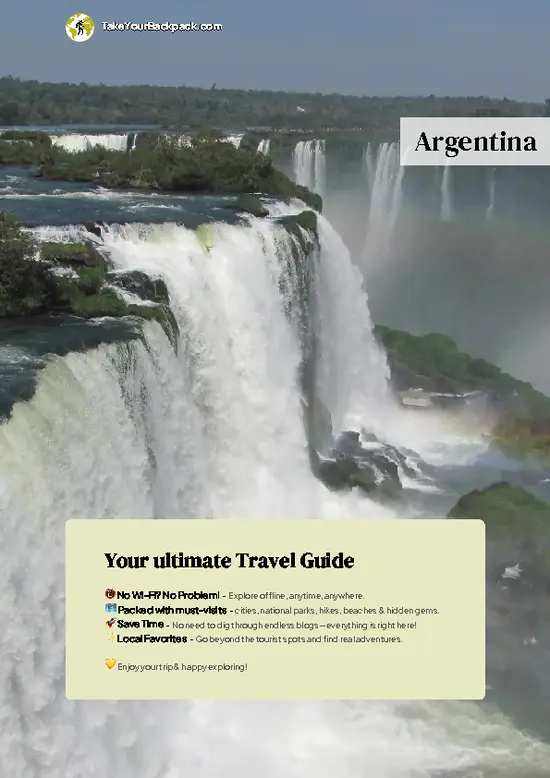
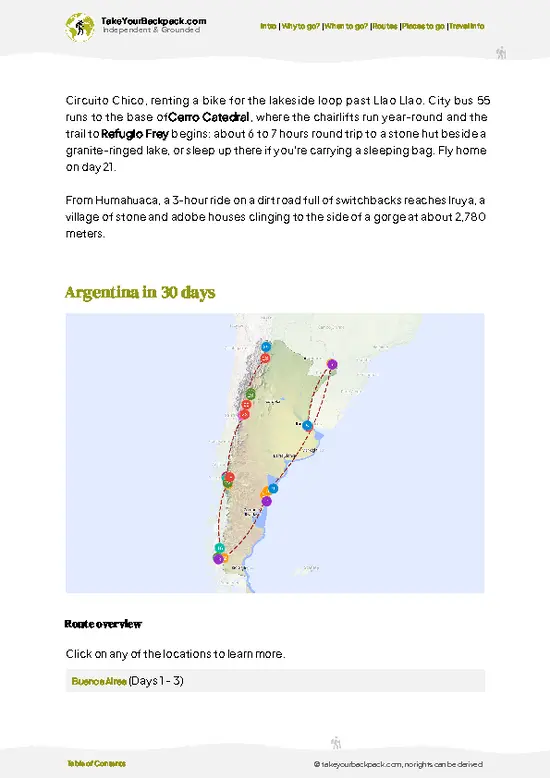
example page 0 from our offline Travel Guide for Argentina
example page 1 from our offline Travel Guide for Argentina
example page 2 from our offline Travel Guide for Argentina
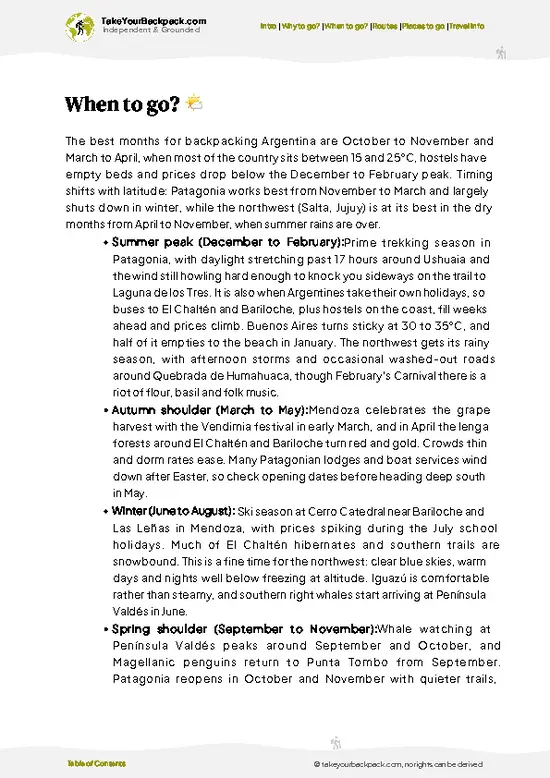
example page 3 from our offline Travel Guide for Argentina
example page 4 from our offline Travel Guide for Argentina
example page 5 from our offline Travel Guide for Argentina
example page 6 from our offline Travel Guide for Argentina
example page 7 from our offline Travel Guide for Argentina
Loading the map 🌍
CLICK TO FILTER
cities
towns
villages
landmarks
national parks
hikes
beaches
attractions
festivals
regions
SHOW COUNTRY’S BESTSHOW ALL

✨ Why go?
Ranked #29 unique site in Argentina
What makes it a must-see unique site

Backpackers who go for Jaaukanigás aren't chasing marked trails, they're chasing genuine wetland wilderness few tourists bother with. It rewards independent exploration by boat rather than tour buses, and nearby Reconquista offers budget hostels and campsites for a fraction of Iguazú prices. The trail variety is minimal, but the birdlife and river access make up for it. This is a park for self-guided travelers comfortable improvising, not those wanting curated infrastructure or guided group hikes.

💡 HighlightsPlaces and moments you shouldn't skip

  1. Paraná River Wetlands: The core of the reserve, a maze of flooded forest and lagoons best explored by small boat, showing off the seasonal flood-pulse ecosystem that defines the park.
  2. Bird Colonies: Herons, storks, and kingfishers gather in dense numbers along the riverbanks, especially visible at dawn when they're most active and least skittish.
  3. Yacaré Caimans: Frequently spotted sunning on logs or submerged with just eyes above water, a reliable sighting during the dry season when water levels drop.
  4. Riparian Forest Patches: Dense gallery forest along the water's edge hosts howler monkeys and a thick canopy that's genuinely quiet compared to more touristed parks.
  5. Seasonal Lagoons: These shift dramatically between wet and dry season, and watching that transformation is one of the more educational
… read more 👉
  1. Paraná River Wetlands: The core of the reserve, a maze of flooded forest and lagoons best explored by small boat, showing off the seasonal flood-pulse ecosystem that defines the park.
  2. Bird Colonies: Herons, storks, and kingfishers gather in dense numbers along the riverbanks, especially visible at dawn when they're most active and least skittish.
  3. Yacaré Caimans: Frequently spotted sunning on logs or submerged with just eyes above water, a reliable sighting during the dry season when water levels drop.
  4. Riparian Forest Patches: Dense gallery forest along the water's edge hosts howler monkeys and a thick canopy that's genuinely quiet compared to more touristed parks.
  5. Seasonal Lagoons: These shift dramatically between wet and dry season, and watching that transformation is one of the more educational aspects of a visit.
  6. Local Fishing Communities: Nearby riverside settlements offer a look at how people live alongside the flood cycle, often the best source of informal boat trips.
  7. Sunset Over the River: No infrastructure, no crowds, just orange light flattening across the water while the birds settle in for the night.
Spotted a mistake or missing something? Contact us.

🌤️ When to go?When to go for the best experience

  • Dry Season (April to September): Cooler temperatures, 12-24°C (54-75°F), lower water levels expose sandbanks and wildlife, easier navigation by boat.
  • Wet Season (October to March): Hot and humid, 22-35°C (72-95°F), heavy rains can flood access roads and raise river levels significantly.
  • Daylight: Roughly 10 hours in winter, up to 14 in summer, plan river trips around dawn and dusk for wildlife activity.
  • Crowds and Costs: Virtually no tourist crowds year-round, prices stay flat since there's no formal tourism infrastructure to inflate.
Go in the dry season, mornings only, when the water's calm and the birds are loud.

source: climatestotravel.comJANJanuary: fair for travelingFEBFebruary: fair for travelingMARMarch: good for travelingAPRApril: good for travelingMAYMay: good for travelingJUNJune: fair for travelingJULJuly: fair for travelingAUGAugust: fair for travelingSEPSeptember: good for travelingOCTOctober: excellent for travelingNOVNovember: excellent for travelingDECDecember: highly recommended for traveling
when-to-go

✈️ The backpacker research shortcutArgentina Travel Guide

An offline-friendly backpacking guide with optimized travel routes, ranked highlights, transport advice, and the best areas to stay.
example page 0 from our offline Travel Guide for Argentina
example page 1 from our offline Travel Guide for Argentina
example page 2 from our offline Travel Guide for Argentina
example page 3 from our offline Travel Guide for Argentina
example page 4 from our offline Travel Guide for Argentina
example page 5 from our offline Travel Guide for Argentina
example page 6 from our offline Travel Guide for Argentina
example page 7 from our offline Travel Guide for Argentina
The digital guide (393 pages) contains:
✅ 131 highlights, ranked by travel appeal
✅ Optimized 14, 21 & 30-day travel routes
✅ Cities, national parks, landmarks, beaches
✅ How to get around
✅ Offline-friendly for travel without Wi-Fi
👉 Click to see all 30+ guide features

📅 Plan smarter in minutes, not weeks
✅ Month by month travel advice
✅ Festivals & national holidays
✅ Budget expectations

🗺️ Go to the right places, skip the overrated ones
✅ Honest pros & cons of destinations
✅ Top hikes, parks & viewpoints
✅ Lesser-known places most travelers miss
✅ Clear “worth it vs skip it” guidance

🛏️ Travel smoothly without rookie mistakes
✅ Best areas to stay
✅ Transport systems explained simply
✅ Common scams & safety advice
✅ SIM cards, money & practical tips

🌍 Understand the country, not just visit it
✅ Culture & traditions
✅ 52 Essential phrases & customs
✅ Festivals worth planning around
✅ Traveler-friendly historical context
✅ Insights that make places more meaningful

📱 Built for real travel conditions
✅ Fully downloadable PDF
✅ Works completely offline
✅ Optimized for phone use
✅ Useful in remote areas & buses
✅ Everything in one place
Stop searching, start planning
Get instant access to your full guide. 30‑day money-back guarantee.
+ Add another guide for just

By proceeding you agree to our terms.
Sent to your inbox immediately after payment • 100% Secure Checkout
Best Backpacking Travel Advisor 2025 tourism awardBest Backpacking
Travel Advisor
2025
What others say about Take Your Backpack Guides:
⭐⭐⭐⭐⭐
Fantastic, amazing amount of information!
⭐⭐⭐⭐⭐
My goodness this is amazing, it's what I've been looking for hats off too you!
⭐⭐⭐⭐⭐
I think this is absolutely BRILLIANT
⭐⭐⭐⭐
Very complete and informative. It's still missing places, but I gotta to commend you
⭐⭐⭐⭐⭐
This is truly amazing, thank you, can't wait to explore it with my kids!
⭐⭐⭐⭐⭐
Awesome resource, thank you!
⭐⭐⭐⭐⭐
This is amazing! Can't wait to explore the ones I haven't seen
⭐⭐⭐⭐
I love this! Well done, great idea.
⭐⭐⭐⭐⭐
Thanks for taking the time to make this gem!
⭐⭐⭐⭐⭐
This might be the best website I've ever seen.
⭐⭐⭐⭐⭐
Congratulations, and thank you so much for your work; it's incredibly valuable.
⭐⭐⭐⭐
In all seriousness I think you did a great job pointing out the important spots
⭐⭐⭐⭐⭐
10/10 very good
⭐⭐⭐⭐⭐
As someone who's only just starting to visit regularly this is awesome, thank you.
⭐⭐⭐⭐
Thank you very much! I'm going to visit my dad, it's going to be very useful!
⭐⭐⭐⭐⭐
This is really cool! We'll be travelling for the first time and this definitely come in handy.
⭐⭐⭐⭐⭐
You are now our minister of culture, congratulations 👨‍💼
⭐⭐⭐⭐⭐
Just wanted to tell you that this is a pearl! Going to follow your recommendations.
⭐⭐⭐⭐⭐
This is so cool. I'll definitely be using the resource for my travels soon.
⭐⭐⭐⭐⭐
This is very impressive! Good work.
⭐⭐⭐⭐⭐
This is an amazing and informative site. Very well done!

🛏️ Where to stay?How to pick the right area

There's no lodging inside Jaaukanigás itself, no ranger stations or campgrounds. Reconquista, about 20 to 30 minutes away, is the practical base, with budget hostels, guesthouses, and simple hotels priced well below Iguazú or Bariloche standards. Some backpackers camp informally near riverside access points with permission from local landowners, but this requires local contacts rather than a booking system. Villa Ocampo, Las Toscas and other smaller towns along the Paraná occasionally have basic accommodation too, useful if you're arranging boat access from a specific launch point.

👛 Costs (as of 19 October 2026)How expensive it really is

Jaaukanigás has no entrance fee and minimal formal tourism infrastructure, so most costs come from getting there and arranging boat access rather than park fees.
CategoryBudget RangeLocal Reality
Entrance FeeUSD 0No gate or ticketing system exists
Accommodation (Reconquista)USD 10 to 25/nightBasic hostels and guesthouses, simple rooms
Boat AccessUSD 20 to 50/tripInformal arrangements with local fishermen, price varies by negotiation
Food/SuppliesUSD 8 to 15/dayBasic market goods and simple local meals
Local TransportUSD 3 to 10Buses to Reconquista, then private transfer to river access


source: argentina.gob.ar
⚠️ Prices can change and everyone travels differently, so take this as a rough guide. Hope it helps you plan your adventure!

🛡️ SafetyTraveler Safety Guide

This isn't a park with steep terrain or altitude concerns, the main realities are water-based. River currents and sudden level changes after rain can catch inexperienced paddlers off guard, so go with someone who knows the water. Caimans and snakes are present but avoid people; keep hands out of the water at rest stops. Bring sun protection and insect repellent, since exposure and mosquitoes are the actual daily annoyance, not danger.

FAQFrequently asked questions about Jaaukanigás

A single day trip covers the essentials, since most activity happens on the water in a few hours around dawn or dusk. Two days gives room for a morning and evening boat outing plus time to arrange transport from Reconquista.
Yes, but it requires effort. Buses reach Reconquista from larger cities, and from there you'll need a taxi, remis, or local contact to reach river access points, since there's no public transport directly into the reserve.
There's no entrance fee and no permit system in place. Access depends entirely on arranging boat transport with local operators or fishermen, not on any official park gate.
⚠️ Things can change over time, so always validate details locally before you go.

Other Argentine landmarks near Jaaukanigás

Explore more nearby:

  • Mar de Ansenuza—Hypersaline float, flamingos, Miramar ruins, salt mirrors| 379 km away
  • Iguazú Falls—Devil's Throat, catwalks, coatis, jungle trails| 588 km away
  • Quebrada de los Cóndores—Condor roosts, Las Higueras viewpoint, Sierra de los Quinteros, guided treks, horseback routes| 715 km away

💡 Not sure where to go next?
Create a personalized itinerary for Argentina including Jaaukanigás and the places that fit your trip.

Generate my itinerary

👉 Discover all landmarks

Or checkout all Argentina has to offer (think cities, towns, villages, national parks, hikes, beaches, festivals)
Country photo of Argentina

We 💚 feedbackIs it worth it?

Jaaukanigás rewards patience with real wetland wilderness, no crowds, no ticket booth, just water and birds. The drawback: without a boat contact and local know-how, you'll struggle to actually see much of it.

✈️ When did I visit Argentina?
I have visited Argentina, together with Chile, in September 2012.

✍️ Help improve this page!
The information on this page is based on my own backpacking experience in Argentina, supplemented with up-to-date research and feedback from other travelers. Travel details can change, so if you notice anything outdated or incomplete, feel free to let me know.


🙋‍♂️ Give feedback

👋 Meet the founderWho’s Behind Take Your Backpack?

Johan, backpacker and founder of TakeYourBackpackHi, I’m Johan (Netherlands 🇳🇱), the creator of TakeYourBackpack. Over the past 3 decades, I’ve backpacked through 90+ countries across six continents, gaining extensive experience with independent travel, long-term trips, and overland routes.

This site is built on a combination of firsthand travel experience and carefully curated insights from other backpackers. Many guides are based on places I’ve personally visited, while others bring together tips, observations, and practical advice shared by trusted travelers I’ve met along the way.

The goal is to provide realistic, experience-driven guidance — not generic itineraries — so you can explore destinations with better context, clearer expectations, and more confidence.