v2.webp)
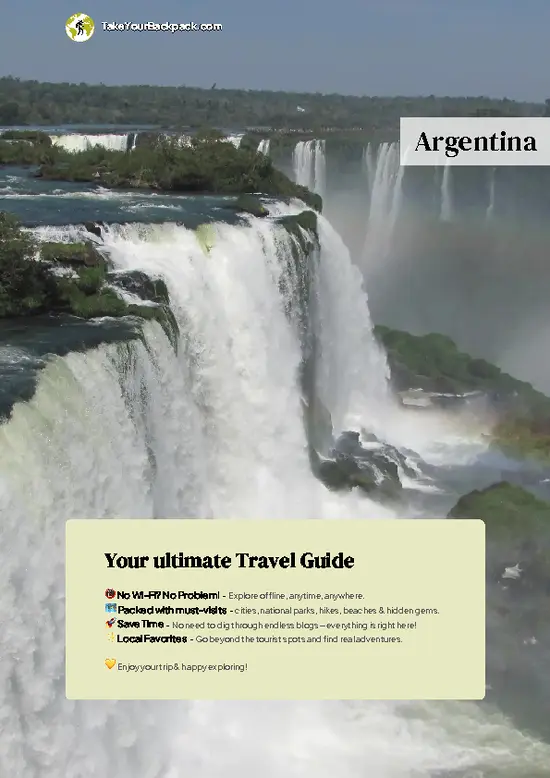
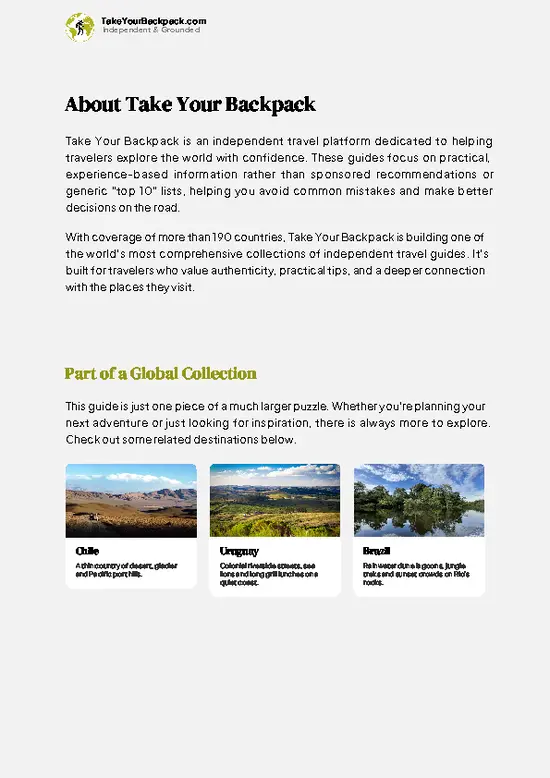
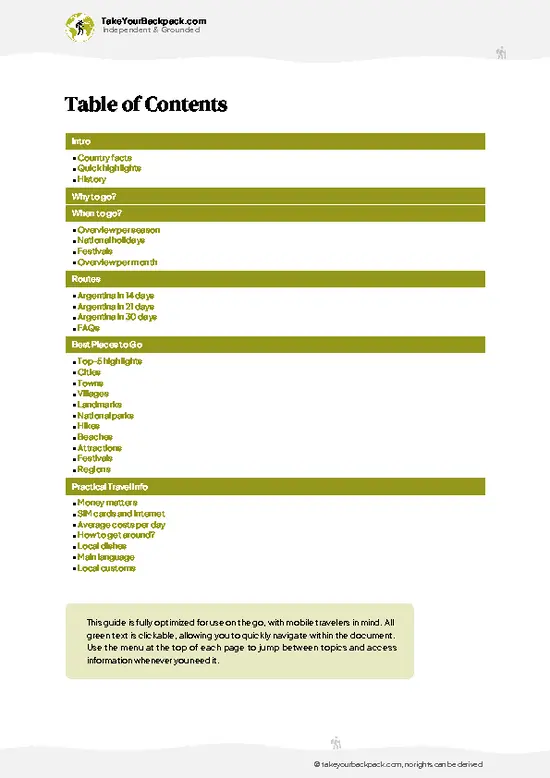
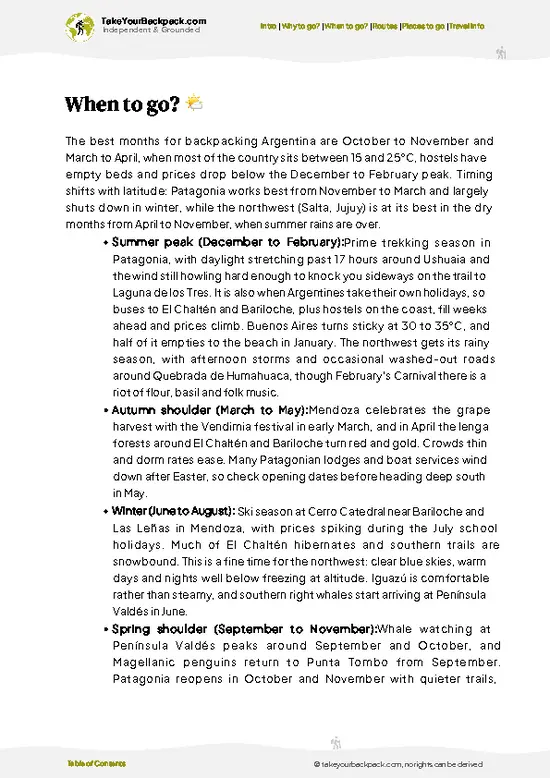
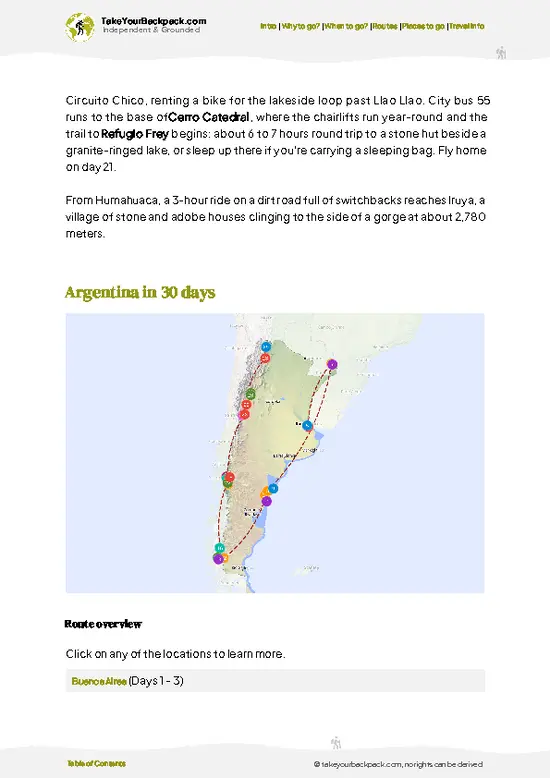
- The Stromatolite Mounds Themselves: Layered, dome-shaped structures built by cyanobacteria, some of the only living examples of a life-form that dominated Earth for billions of years before complex organisms existed.
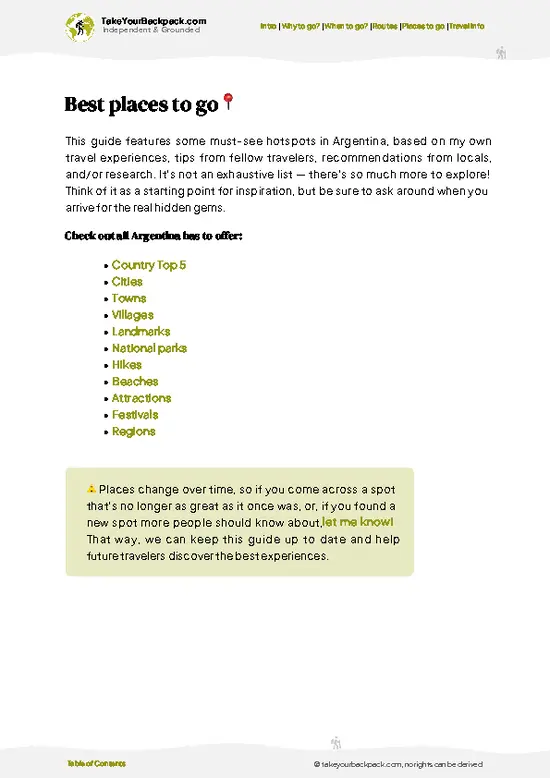
- Laguna Tebenquiche's Mirror Effect: On calm mornings the shallow, hypersaline water reflects the surrounding peaks with almost no distortion, better and quieter than the more famous mirror shots at Salinas Grandes.
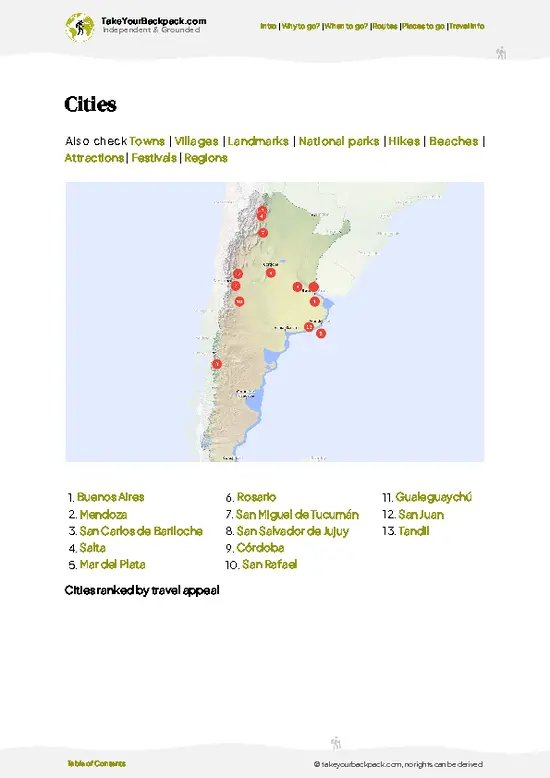
- Salt Crust Walking: The ground around the lagoon is crusted salt that crunches underfoot, a strange sensory detail you don't get from photos.
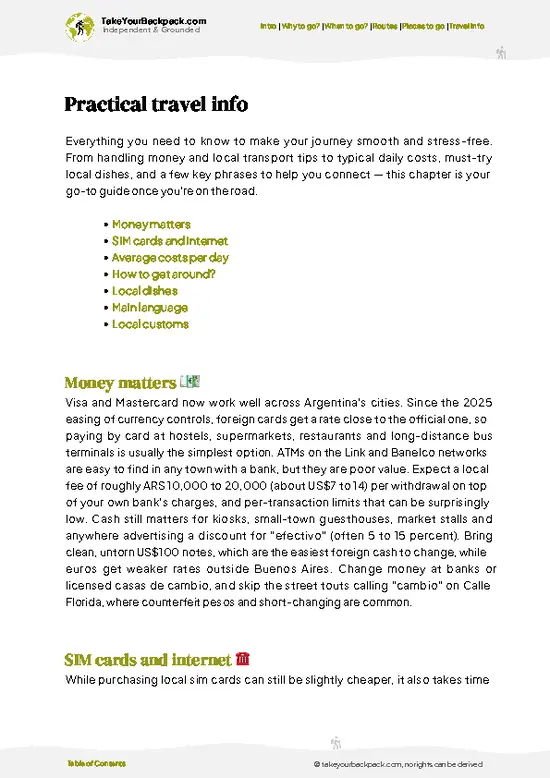
- Flamingo Sightings: The lagoon's brine shrimp attract Andean and James's flamingos seasonally, adding unexpected color to an otherwise stark landscape.
- The Drive Itself: The access route crosses open Puna desert at over 3,400 meters,
- The Stromatolite Mounds Themselves: Layered, dome-shaped structures built by cyanobacteria, some of the only living examples of a life-form that dominated Earth for billions of years before complex organisms existed.
- Laguna Tebenquiche's Mirror Effect: On calm mornings the shallow, hypersaline water reflects the surrounding peaks with almost no distortion, better and quieter than the more famous mirror shots at Salinas Grandes.
- Salt Crust Walking: The ground around the lagoon is crusted salt that crunches underfoot, a strange sensory detail you don't get from photos.
- Flamingo Sightings: The lagoon's brine shrimp attract Andean and James's flamingos seasonally, adding unexpected color to an otherwise stark landscape.
- The Drive Itself: The access route crosses open Puna desert at over 3,400 meters, with views toward volcanic peaks that most tour buses never reach.
- Total Silence: No vendors, no crowds, no generators. Just wind and water. This is my personal favorite part, the kind of quiet that resets your head.
- Microbial Mats at the Water's Edge: Soft, colorful bacterial films visible where water meets shore, a smaller-scale preview of what built the stromatolites over millennia.
- Star-Gazing at Dusk: If you linger past sunset, the lack of light pollution at this altitude makes for genuinely dark skies.
Spotted a mistake or missing something? Contact us.

 Best Backpacking
.jpg) Hi, I’m Johan (Netherlands 🇳🇱), the creator of TakeYourBackpack. Over the past 3 decades, I’ve backpacked through 90+ countries across six continents, gaining extensive experience with independent travel, long-term trips, and overland routes.
Hi, I’m Johan (Netherlands 🇳🇱), the creator of TakeYourBackpack. Over the past 3 decades, I’ve backpacked through 90+ countries across six continents, gaining extensive experience with independent travel, long-term trips, and overland routes.