v2.webp)
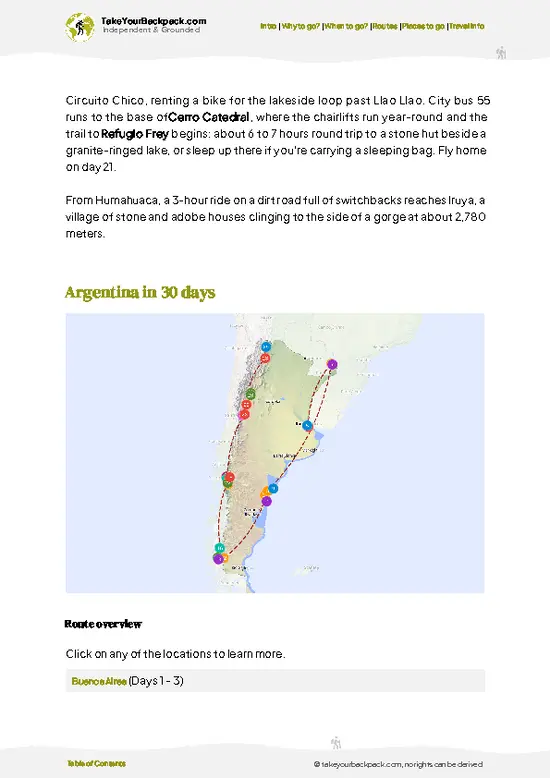
- La Rambla and Casino Central: The Art Deco boardwalk and casino building define the city's skyline. Walking it at sunset costs nothing and takes about 30 to 45 minutes; the casino interior is worth a peek even if you don't gamble.
- Puerto de Mar del Plata: The working fishing port, lined with seafood stalls and lobos marinos (sea lions) lounging on the docks. Go around midday for fresh fried fish, budget USD5 to 10 for a meal, allow at least an hour to wander.
- Torreón del Monje: A castle-like stone building perched on rocks above the sea, built in the 1900s. Free to view from outside, best visited late afternoon for the light on the water, 15 to 20 minutes.
- Museo del Mar: A quirky shell and marine-life museum with a rooftop café overlooking the coast. Entry runs around USD4 to 6, plan for an hour.
- La Rambla and Casino Central: The Art Deco boardwalk and casino building define the city's skyline. Walking it at sunset costs nothing and takes about 30 to 45 minutes; the casino interior is worth a peek even if you don't gamble.
- Puerto de Mar del Plata: The working fishing port, lined with seafood stalls and lobos marinos (sea lions) lounging on the docks. Go around midday for fresh fried fish, budget USD5 to 10 for a meal, allow at least an hour to wander.
- Torreón del Monje: A castle-like stone building perched on rocks above the sea, built in the 1900s. Free to view from outside, best visited late afternoon for the light on the water, 15 to 20 minutes.
- Museo del Mar: A quirky shell and marine-life museum with a rooftop café overlooking the coast. Entry runs around USD4 to 6, plan for an hour.
- Playa Grande: The city's most scenic beach, backed by cliffs and golf course greenery, quieter than the central beaches. Free to visit, best in the morning before crowds build in summer.
- Plaza San Martín and the Cathedral: The civic heart of downtown, with the neo-Gothic Catedral de los Santos Pedro y Cecilia facing the square. Free, 20 to 30 minutes, good midday stop between other sights.
- Villa Victoria Ocampo: The wooden summer house of writer Victoria Ocampo, now a cultural center hosting exhibitions. Entry around USD2 to 4, worth 45 minutes for anyone curious about Argentine literary history.
- Escollera Sur sea lion colony: A cluster of wild sea lions near the port breakwater, visible for free from the pier. Best viewed morning or late afternoon, 15 to 20 minutes.
Spotted a mistake or missing something? Contact us.

 Best Backpacking
.jpg) Hi, I’m Johan (Netherlands 🇳🇱), the creator of TakeYourBackpack. Over the past 3 decades, I’ve backpacked through 90+ countries across six continents, gaining extensive experience with independent travel, long-term trips, and overland routes.
Hi, I’m Johan (Netherlands 🇳🇱), the creator of TakeYourBackpack. Over the past 3 decades, I’ve backpacked through 90+ countries across six continents, gaining extensive experience with independent travel, long-term trips, and overland routes.