×

Benin🇧🇯 | attractionsMaison du BrésilAfro-Brazilian heritage, cultural displays, historic residence | things to do and best time to go

Explore Centre Culturel OuadadaExplore Place Chacha

Backpacking in Maison du Brésil
By Johan Kruseman 🇳🇱 | Updated October 13, 2026

Is anyone actually flying to Benin just to snap a selfie in front of Maison du Brésil’s pastel façade? Let’s get real: the Instagram crowd loves the building’s quirky, modernist lines, but that’s not the reason you’ll remember this place. What matters is the pulse of Porto-Novo itself—Maison du Brésil sits right in the city’s heart, where colonial leftovers and Afro-Brazilian heritage collide in ways you can’t stage for social media. For backpackers, the draw isn’t just the architecture (though it’s a wild, Le Corbusier-inspired relic); it’s the living, breathing community center vibe. You’ll find art exhibits, music, and the kind of spontaneous debates that make you forget you’re technically at a tourist site. Downsides? It’s not cheap by Benin standards, and you’ll dodge a few tour groups, but the crowds thin out fast once you step inside. Compared to the voodoo temples or Ganvié’s stilt villages, Maison du Brésil is less spectacle, more substance—if you’re chasing the soul of Benin, not just the highlight reel.

Discover everything you want to know in the 📖 Benin Travel Guide.


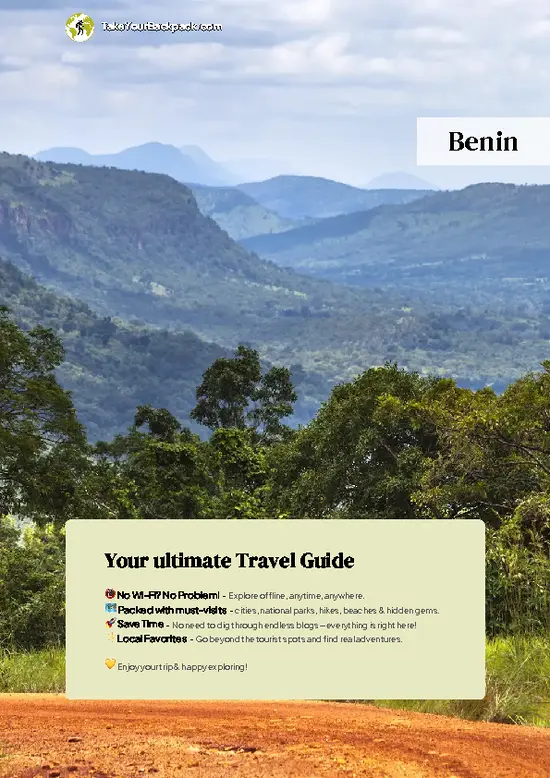
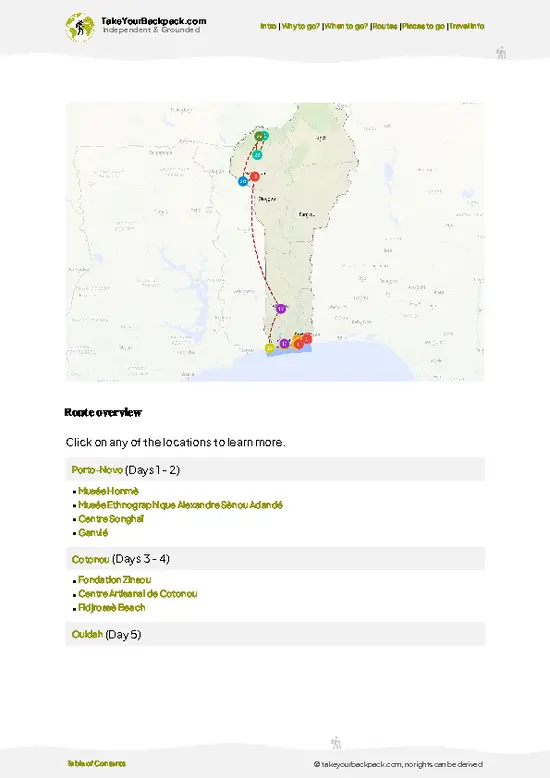
example page 0 from our offline Travel Guide for Benin
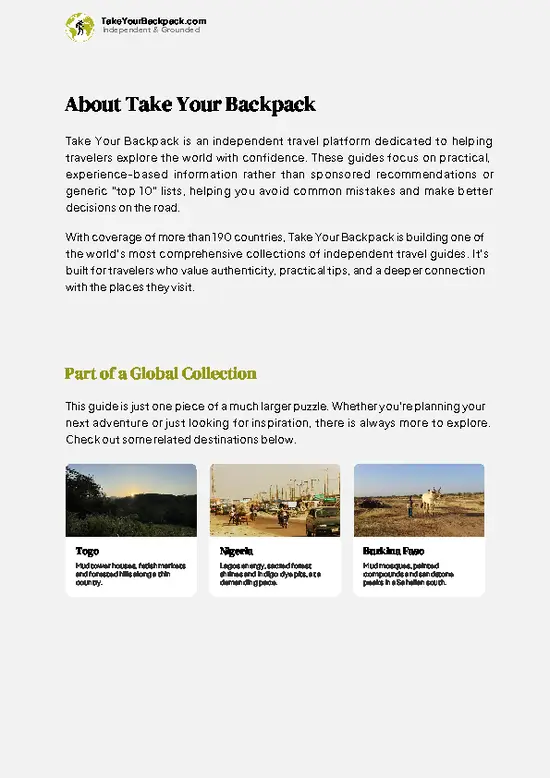
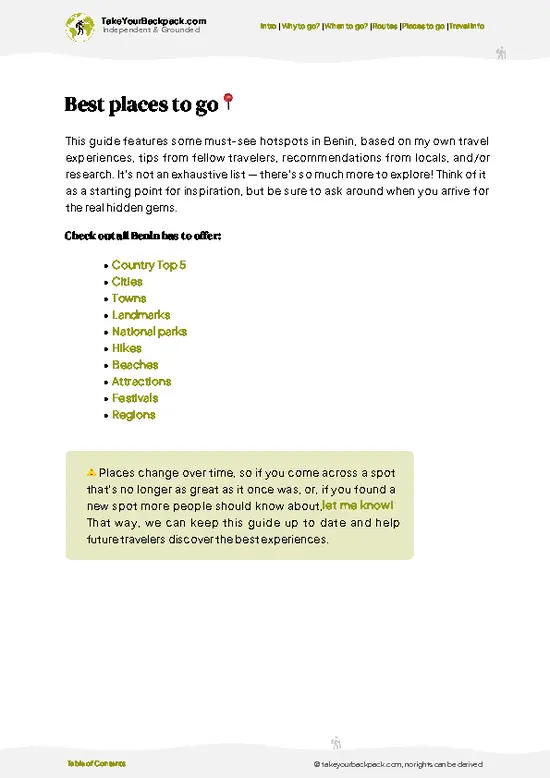
example page 1 from our offline Travel Guide for Benin
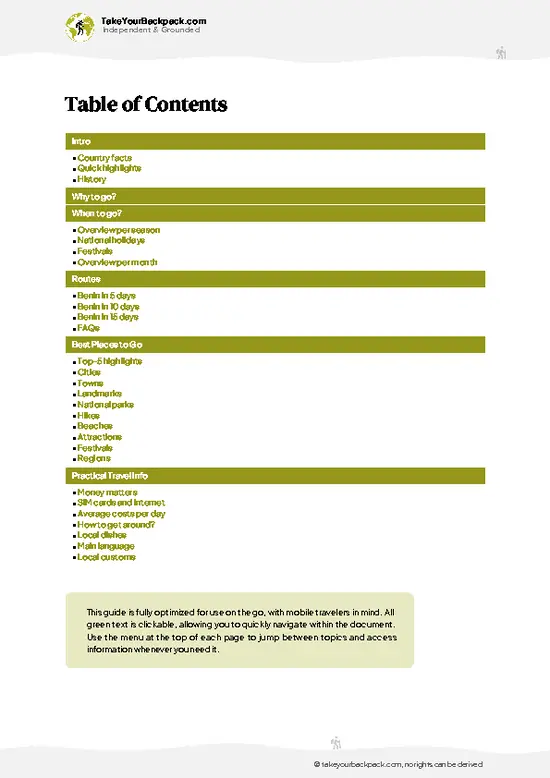
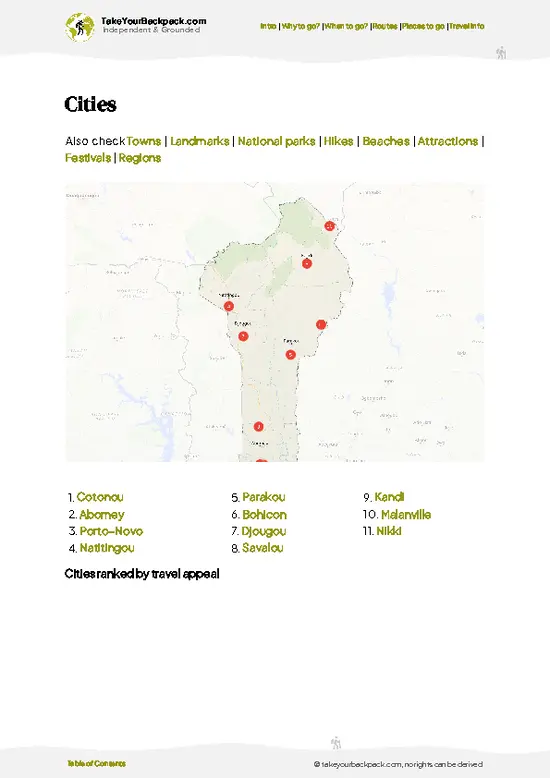
example page 2 from our offline Travel Guide for Benin
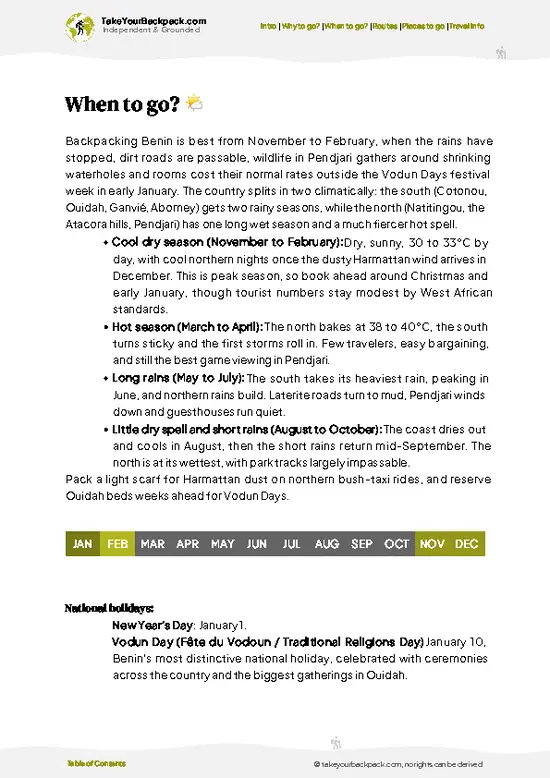
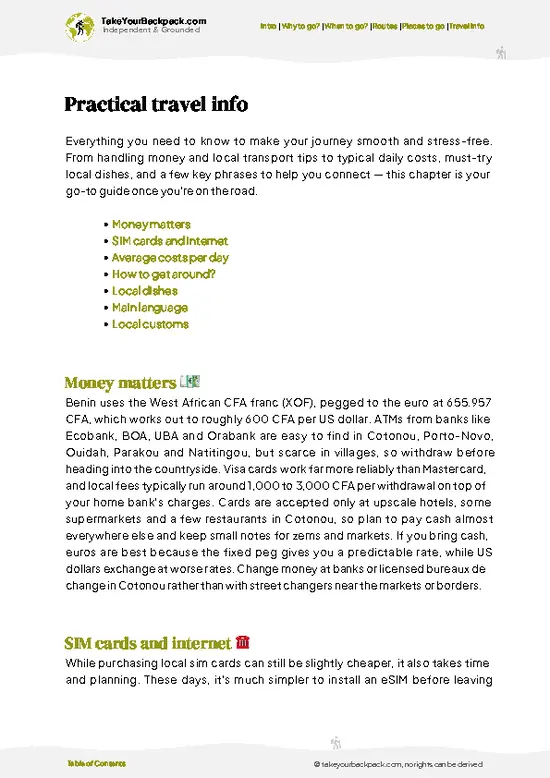
example page 3 from our offline Travel Guide for Benin
example page 4 from our offline Travel Guide for Benin
example page 5 from our offline Travel Guide for Benin
example page 6 from our offline Travel Guide for Benin
example page 7 from our offline Travel Guide for Benin
Loading the map 🌍
CLICK TO FILTER
cities
towns
landmarks
national parks
hikes
beaches
attractions
festivals
regions
SHOW COUNTRY’S BESTSHOW ALL

✨ Why go?
Ranked #99 attraction in Benin
What makes it a must-see attraction

Maison du Brésil in Benin isn’t your typical postcard spot. Sure, it’s not a quiet hideaway—expect crowds, especially during peak times. But that’s part of its pulse. This place is an iconic cultural landmark, a living testament to Benin’s complex history and its ties to Brazil through the transatlantic slave trade. Backpackers don’t just come here for the photos; they come for the raw, unfiltered connection to history that hits harder than any museum exhibit.

The building itself is a bold architectural statement, blending Afro-Brazilian styles that tell stories of resilience and cultural fusion. It’s a milestone on the country’s cultural route, a checkpoint where you can feel the weight of centuries in the air. The effort to get here—often involving dusty roads and local transport—is rewarded … read more 👉
Maison du Brésil in Benin isn’t your typical postcard spot. Sure, it’s not a quiet hideaway—expect crowds, especially during peak times. But that’s part of its pulse. This place is an iconic cultural landmark, a living testament to Benin’s complex history and its ties to Brazil through the transatlantic slave trade. Backpackers don’t just come here for the photos; they come for the raw, unfiltered connection to history that hits harder than any museum exhibit.

The building itself is a bold architectural statement, blending Afro-Brazilian styles that tell stories of resilience and cultural fusion. It’s a milestone on the country’s cultural route, a checkpoint where you can feel the weight of centuries in the air. The effort to get here—often involving dusty roads and local transport—is rewarded with a deep dive into Benin’s layered identity, far from the sanitized tourist trails.

If you’re chasing adrenaline, this isn’t a thrill-ride. But if you want a moment that shakes your perspective and roots you in a place’s soul, Maison du Brésil delivers. It’s a gritty, honest experience that demands your attention and leaves you with a richer understanding of Benin’s story.

💡 HighlightsMust-see experiences and standout moments

The Afro-Brazilian Façade
Let’s get real: you’re not coming to Maison du Brésil for a sterile museum experience. The first thing that hits you is the building itself—a riot of color and colonial-era detail that feels like a fever dream of Salvador transplanted to West Africa. This isn’t some Instagram backdrop; it’s a living, breathing artifact of the returnee Brazilian community that reshaped Porto-Novo. The tiles, the arches, the ironwork—every inch tells a story of migration, resilience, and cultural remixing. Stand outside at sunset and watch the light bounce off the façade. It’s not just pretty; it’s a visual history lesson you can touch.


The Courtyard Pulse
Skip the urge to rush inside. The courtyard is where the Maison’s heart beats loudest. Locals gather here for everything from impromptu … read more 👉
The Afro-Brazilian Façade
Let’s get real: you’re not coming to Maison du Brésil for a sterile museum experience. The first thing that hits you is the building itself—a riot of color and colonial-era detail that feels like a fever dream of Salvador transplanted to West Africa. This isn’t some Instagram backdrop; it’s a living, breathing artifact of the returnee Brazilian community that reshaped Porto-Novo. The tiles, the arches, the ironwork—every inch tells a story of migration, resilience, and cultural remixing. Stand outside at sunset and watch the light bounce off the façade. It’s not just pretty; it’s a visual history lesson you can touch.


The Courtyard Pulse
Skip the urge to rush inside. The courtyard is where the Maison’s heart beats loudest. Locals gather here for everything from impromptu music sessions to heated debates over dominoes. If you’re lucky, you’ll catch a capoeira demonstration—raw, unpolished, and a thousand miles from the tourist-friendly versions you see in Brazil. This is where the Afro-Brazilian identity isn’t just preserved; it’s performed, argued over, and lived. Pull up a plastic chair, order a cold drink, and let the scene unfold. It’s messy, unpredictable, and absolutely worth your time.


The Living Museum Rooms
Inside, forget about velvet ropes and hushed tones. The rooms are a mash-up of artifacts, family photos, and everyday objects donated by descendants of the original Brazilian settlers. You’ll see battered suitcases, faded wedding portraits, and religious icons that blend Catholic and Vodun imagery. It’s not curated to perfection, and that’s the point. The clutter is the story. You’re walking through a patchwork of lives, not a sanitized exhibit. If you want to understand how cultures collide and coexist, this is your crash course.


The Storytellers
Here’s the real secret: the guides aren’t just reciting facts. Many are direct descendants of the returnee families. They’ll tell you about ancestors who crossed the Atlantic twice, about feasts that last until dawn, about the politics of identity in a city that’s always been a crossroads. Ask questions. Listen hard. You’ll get stories you won’t find in any guidebook—sometimes funny, sometimes raw, always real.


The Community Events
Maison du Brésil isn’t frozen in time. Check the chalkboard by the entrance for upcoming events—film screenings, poetry nights, or food festivals that turn the whole building into a block party. These aren’t staged for tourists; they’re for the neighborhood, and you’re invited if you show up with respect. This is where the building stops being a relic and becomes a living part of Porto-Novo’s social fabric. If you want to see what heritage looks like when it’s not behind glass, this is your ticket.
Spotted a mistake or missing something? Contact us.

Things to do near Maison du Brésil

Ratings based on Tripadvisor reviews. When you book through this link, you support our work at no extra cost to you.

🌤️ When to go?Best time to visit Maison du Brésil

  • Weather: The best time to visit Maison du Brésil is during the dry season, from November to March. Expect less humidity and minimal rain, making your exploration comfortable. The wet season, from April to October, brings heavy rains that can dampen your plans and muddy trails.
  • Temperature: Temperatures hover between 25°C and 30°C (77°F to 86°F) year-round, but the dry season feels more pleasant with lower humidity. The wet season’s heat combined with moisture can feel oppressive, so plan accordingly.
  • Daylight Hours: Daylight remains fairly consistent, around 11 to 12 hours daily. Sunrise is roughly 6:30 AM, and sunset around 6:30 PM, giving you ample time to soak in the site without rushing.
  • Crowds: Tourist traffic peaks in December and January, coinciding with holidays and the dry season.
… read more 👉
  • Weather: The best time to visit Maison du Brésil is during the dry season, from November to March. Expect less humidity and minimal rain, making your exploration comfortable. The wet season, from April to October, brings heavy rains that can dampen your plans and muddy trails.
  • Temperature: Temperatures hover between 25°C and 30°C (77°F to 86°F) year-round, but the dry season feels more pleasant with lower humidity. The wet season’s heat combined with moisture can feel oppressive, so plan accordingly.
  • Daylight Hours: Daylight remains fairly consistent, around 11 to 12 hours daily. Sunrise is roughly 6:30 AM, and sunset around 6:30 PM, giving you ample time to soak in the site without rushing.
  • Crowds: Tourist traffic peaks in December and January, coinciding with holidays and the dry season. If you want to avoid the crush, aim for November or February when the vibe is quieter but the weather still cooperates.
  • Seasonal Activities: Cultural events and local markets are livelier during the dry months, offering a richer experience beyond the architecture. The wet season sees fewer activities, so your visit might feel more isolated.
  • Price Fluctuations: Accommodation and transport costs spike during the dry season’s peak months, especially December. Booking early can save you a chunk. The wet season offers better deals but at the cost of comfort and accessibility.
Pro-tip: Visit just before or after peak season—November or February—to balance good weather, manageable crowds, and better prices.


source: climatestotravel.comJANJanuary: highly recommended for travelingFEBFebruary: excellent for travelingMARMarch: highly recommended for travelingAPRApril: fair for travelingMAYMay: fair for travelingJUNJune: fair for travelingJULJuly: fair for travelingAUGAugust: fair for travelingSEPSeptember: fair for travelingOCTOctober: fair for travelingNOVNovember: excellent for travelingDECDecember: good for traveling
when-to-go

✈️ The backpacker research shortcutBenin Travel Guide

An offline-friendly backpacking guide with optimized travel routes, ranked highlights, transport advice, and the best areas to stay.
example page 0 from our offline Travel Guide for Benin
example page 1 from our offline Travel Guide for Benin
example page 2 from our offline Travel Guide for Benin
example page 3 from our offline Travel Guide for Benin
example page 4 from our offline Travel Guide for Benin
example page 5 from our offline Travel Guide for Benin
example page 6 from our offline Travel Guide for Benin
example page 7 from our offline Travel Guide for Benin
The digital guide (213 pages) contains:
✅ 48 highlights, ranked by travel appeal
✅ Optimized 5, 10 & 15-day travel routes
✅ Cities, national parks, landmarks, beaches
✅ How to get around
✅ Offline-friendly for travel without Wi-Fi
👉 Click to see all 30+ guide features

📅 Plan smarter in minutes, not weeks
✅ Month by month travel advice
✅ Festivals & national holidays
✅ Budget expectations

🗺️ Go to the right places, skip the overrated ones
✅ Honest pros & cons of destinations
✅ Top hikes, parks & viewpoints
✅ Lesser-known places most travelers miss
✅ Clear “worth it vs skip it” guidance

🛏️ Travel smoothly without rookie mistakes
✅ Best areas to stay
✅ Transport systems explained simply
✅ Common scams & safety advice
✅ SIM cards, money & practical tips

🌍 Understand the country, not just visit it
✅ Culture & traditions
✅ 52 Essential phrases & customs
✅ Festivals worth planning around
✅ Traveler-friendly historical context
✅ Insights that make places more meaningful

📱 Built for real travel conditions
✅ Fully downloadable PDF
✅ Works completely offline
✅ Optimized for phone use
✅ Useful in remote areas & buses
✅ Everything in one place
Stop searching, start planning
Get instant access to your full guide. 30‑day money-back guarantee.
+ Add another guide for just

By proceeding you agree to our terms.
Sent to your inbox immediately after payment • 100% Secure Checkout
Best Backpacking Travel Advisor 2025 tourism awardBest Backpacking
Travel Advisor
2025
What others say about Take Your Backpack Guides:
⭐⭐⭐⭐⭐
Fantastic, amazing amount of information!
⭐⭐⭐⭐⭐
My goodness this is amazing, it's what I've been looking for hats off too you!
⭐⭐⭐⭐⭐
I think this is absolutely BRILLIANT
⭐⭐⭐⭐
Very complete and informative. It's still missing places, but I gotta to commend you
⭐⭐⭐⭐⭐
This is truly amazing, thank you, can't wait to explore it with my kids!
⭐⭐⭐⭐⭐
Awesome resource, thank you!
⭐⭐⭐⭐⭐
This is amazing! Can't wait to explore the ones I haven't seen
⭐⭐⭐⭐
I love this! Well done, great idea.
⭐⭐⭐⭐⭐
Thanks for taking the time to make this gem!
⭐⭐⭐⭐⭐
This might be the best website I've ever seen.
⭐⭐⭐⭐⭐
Congratulations, and thank you so much for your work; it's incredibly valuable.
⭐⭐⭐⭐
In all seriousness I think you did a great job pointing out the important spots
⭐⭐⭐⭐⭐
10/10 very good
⭐⭐⭐⭐⭐
As someone who's only just starting to visit regularly this is awesome, thank you.
⭐⭐⭐⭐
Thank you very much! I'm going to visit my dad, it's going to be very useful!
⭐⭐⭐⭐⭐
This is really cool! We'll be travelling for the first time and this definitely come in handy.
⭐⭐⭐⭐⭐
You are now our minister of culture, congratulations 👨‍💼
⭐⭐⭐⭐⭐
Just wanted to tell you that this is a pearl! Going to follow your recommendations.
⭐⭐⭐⭐⭐
This is so cool. I'll definitely be using the resource for my travels soon.
⭐⭐⭐⭐⭐
This is very impressive! Good work.
⭐⭐⭐⭐⭐
This is an amazing and informative site. Very well done!

🛏️ Where to stay?Choosing the right base

Maison du Brésil in Benin isn’t some postcard-perfect, crowd-free sanctuary. It’s a spot that draws a steady stream of visitors, especially during cultural events or exhibitions. So, if you’re chasing solitude, brace yourself for a bit of hustle. But here’s the kicker: the real magic isn’t in avoiding the crowds; it’s in plugging into the pulse of the place.

For backpackers, the best move is to base yourself in neighborhoods that balance safety with social energy—places where you can meet fellow travelers without feeling like you’re in a tourist bubble. Look for areas with a mix of local markets, … read more 👉
Maison du Brésil in Benin isn’t some postcard-perfect, crowd-free sanctuary. It’s a spot that draws a steady stream of visitors, especially during cultural events or exhibitions. So, if you’re chasing solitude, brace yourself for a bit of hustle. But here’s the kicker: the real magic isn’t in avoiding the crowds; it’s in plugging into the pulse of the place.

For backpackers, the best move is to base yourself in neighborhoods that balance safety with social energy—places where you can meet fellow travelers without feeling like you’re in a tourist bubble. Look for areas with a mix of local markets, street food stalls, and casual hangouts. These spots tend to be lively but not overwhelming, offering a genuine slice of daily life. You want to be close enough to Maison du Brésil to make quick visits but far enough to escape the tourist throng when you need a breather.

Safety is non-negotiable, so stick to well-trodden streets with a visible presence of locals and vendors. These neighborhoods often have guesthouses or budget lodgings that attract solo travelers and small groups, creating a natural social vibe without the forced hostel party scene. The charm here is in the unpolished, real interactions—sharing a meal with a local family, swapping stories with other backpackers over a cold drink, or catching an impromptu street performance.

Skip the glossy tourist zones. Instead, settle where the city breathes, where you can feel the rhythm of Benin beyond the attraction’s walls. That’s where your trip stops being a checklist and starts being an experience.

👛 Costs (as of 13 October 2026)What things cost and how to budget

As of 2025-2026, the Maison du Brésil in Ouidah, Benin, offers accommodation with rates ranging from €44 to €100 per night, depending on the type of room and duration of stay. Specific entrance fees for visitors are not detailed in the available sources. For the most accurate and current information, it's recommended to contact the Maison du Brésil directly.

source: maisondubresil.org
⚠️ Prices can change and everyone travels differently, so take this as a rough guide. Hope it helps you plan your adventure!

FAQTraveler FAQ

1 to 2 hours is sufficient to visit Maison du Brésil. This allows time to explore the architecture and any exhibitions inside without rushing.
Yes, Maison du Brésil is worth the entrance fee, which is typically around 1000 CFA francs. The cultural insight and unique design make it a valuable stop for travelers interested in Benin's heritage.
To get to Maison du Brésil, take a taxi or local bus to Cotonou city center, then head towards the district where the house is located, usually within 5 kilometers from the center. Confirm the exact address locally as transport options may vary.
⚠️ Things can change over time, so always validate details locally before you go.

Other Beninese attractions near Maison du Brésil

Explore more nearby:


💡 Not sure where to go next?
Create a personalized itinerary for Benin including Maison du Brésil and the places that fit your trip.

Generate my itinerary

👉 Discover all attractions

Or checkout all Benin has to offer (think cities, towns, villages, national parks, hikes, beaches, festivals)
Country photo of Benin

We 💚 feedbackKey takeaways before you go

Maison du Brésil isn’t your postcard-perfect spot—expect some noise, a few crowds, and the occasional chaos that comes with a place alive with local energy. But that’s exactly where its charm lies. The real magic hits when you catch a sunset from the rooftop terrace, watching the city’s pulse slow down while the sky burns orange. It’s not polished or pristine, but it’s raw, real, and full of stories you won’t find in any guidebook. Just don’t come expecting silence or solitude—come for the soul.

✍️ Help improve this page!
The information on this page is based on in-depth research, insights shared by experienced travelers, and feedback from the local travel community in Benin. While every effort is made to keep the information accurate and current, conditions can change — so if you spot anything incorrect or outdated, please get in touch.


🙋‍♂️ Give feedback

👋 Meet the founderWho’s Behind Take Your Backpack?

Johan, backpacker and founder of TakeYourBackpackHi, I’m Johan (Netherlands 🇳🇱), the creator of TakeYourBackpack. Over the past 3 decades, I’ve backpacked through 90+ countries across six continents, gaining extensive experience with independent travel, long-term trips, and overland routes.

This site is built on a combination of firsthand travel experience and carefully curated insights from other backpackers. Many guides are based on places I’ve personally visited, while others bring together tips, observations, and practical advice shared by trusted travelers I’ve met along the way.

The goal is to provide realistic, experience-driven guidance — not generic itineraries — so you can explore destinations with better context, clearer expectations, and more confidence.