The Chacha House (Maison Chacha)
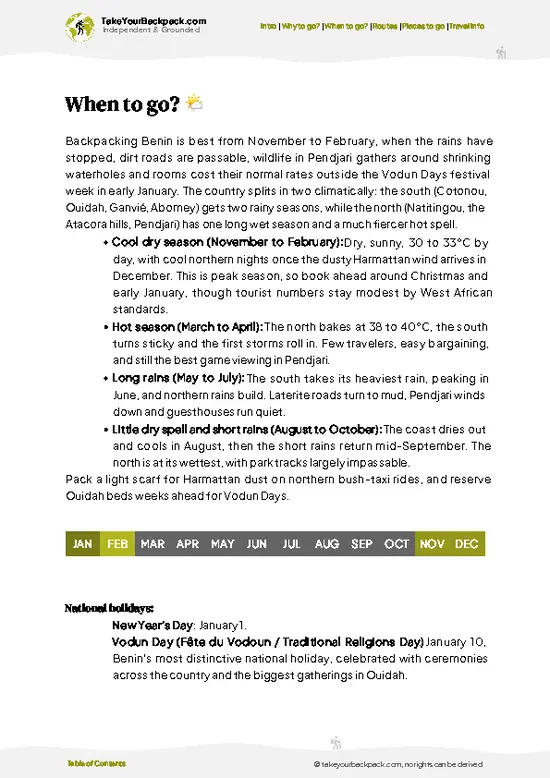
Forget the Instagram filters—this is the real deal. The Chacha House is not just a photogenic colonial relic; it’s the epicenter of Ouidah’s brutal, unvarnished history. This was once the headquarters of Francisco Félix de Souza, the so-called “Chacha” and a notorious slave trader who became a local kingpin. You’re not here for pretty facades. You’re here to stand in a place where the Atlantic slave trade was orchestrated, to feel the weight of decisions made in these rooms. The faded grandeur, the creaking floorboards, and the lingering sense of power and guilt—this is a place that forces you to confront the past, not just pose in front of it.
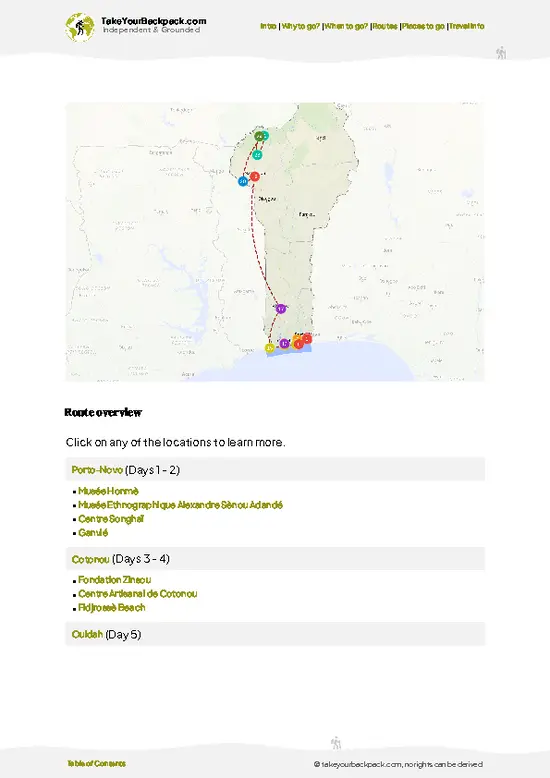
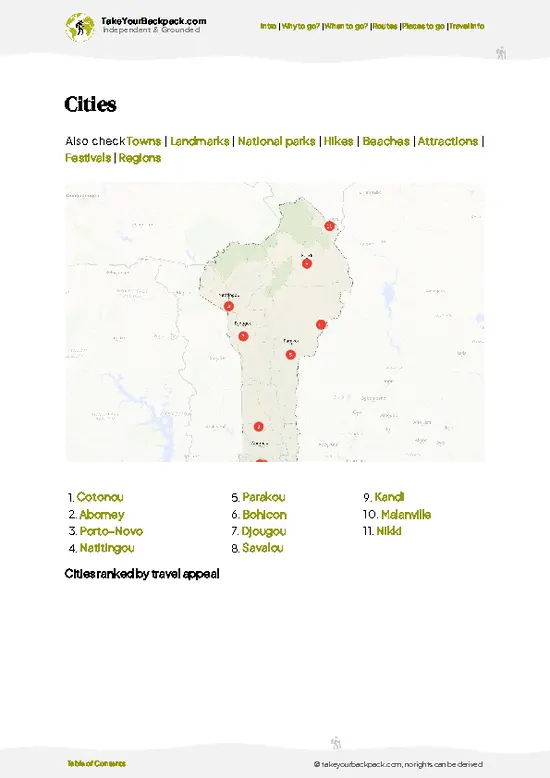
The Auction Courtyard
Don’t expect a sanitized museum display. The courtyard outside the Chacha House is where enslaved … read more 👉
Forget the Instagram filters—this is the real deal. The Chacha House is not just a photogenic colonial relic; it’s the epicenter of Ouidah’s brutal, unvarnished history. This was once the headquarters of Francisco Félix de Souza, the so-called “Chacha” and a notorious slave trader who became a local kingpin. You’re not here for pretty facades. You’re here to stand in a place where the Atlantic slave trade was orchestrated, to feel the weight of decisions made in these rooms. The faded grandeur, the creaking floorboards, and the lingering sense of power and guilt—this is a place that forces you to confront the past, not just pose in front of it.
The Auction Courtyard
Don’t expect a sanitized museum display. The courtyard outside the Chacha House is where enslaved … read more 👉
The Chacha House (Maison Chacha)
Forget the Instagram filters—this is the real deal. The Chacha House is not just a photogenic colonial relic; it’s the epicenter of Ouidah’s brutal, unvarnished history. This was once the headquarters of Francisco Félix de Souza, the so-called “Chacha” and a notorious slave trader who became a local kingpin. You’re not here for pretty facades. You’re here to stand in a place where the Atlantic slave trade was orchestrated, to feel the weight of decisions made in these rooms. The faded grandeur, the creaking floorboards, and the lingering sense of power and guilt—this is a place that forces you to confront the past, not just pose in front of it.
The Auction Courtyard
Don’t expect a sanitized museum display. The courtyard outside the Chacha House is where enslaved people were paraded and sold. There’s no velvet rope, no glossy interpretive panels—just the raw, open space. It’s unsettling, and that’s the point. You’ll see locals going about their day, kids playing soccer, and the ghosts of history lingering in the air. The entertainment here is the jolt of reality, the collision of everyday life with the memory of unimaginable suffering. It’s not comfortable, but it’s unforgettable for all the right reasons.
Living History: The Chacha Descendants
Here’s the curveball: the de Souza family is still a presence in Ouidah. You might meet a descendant, or at least hear stories from locals who know them. The family’s complicated legacy—part villain, part local royalty—gives the place a living, breathing tension. This isn’t a dead monument; it’s a site where history still walks the streets. If you’re lucky (or bold enough to ask), you might even get a firsthand account of how the past shapes the present in Benin.
Street Life and Spontaneous Markets
Instagram will never capture the real pulse of Place Chacha: the chaos of motorbikes, the shouts of vendors, the smell of frying street food. This is where Ouidah’s daily life collides with its haunted past. One minute you’re dodging a wheelbarrow full of pineapples, the next you’re staring at a centuries-old plaque. The entertainment is unscripted—watch the chess games, haggle for a snack, or just soak up the sensory overload. This is the kind of place where you can feel the city’s contradictions in real time.
The Gateway to the Slave Route
Place Chacha is the psychological starting line for the Slave Route, the infamous path to the Door of No Return. Standing here, you’re at the crossroads of memory and movement. The stories start in this square, and if you’re walking the route, this is where you steel yourself for what’s ahead. The drama isn’t staged—it’s in the knowledge that millions passed through this very spot, and that you’re about to follow their footsteps, if only for a few kilometers.
Forget the Instagram filters—this is the real deal. The Chacha House is not just a photogenic colonial relic; it’s the epicenter of Ouidah’s brutal, unvarnished history. This was once the headquarters of Francisco Félix de Souza, the so-called “Chacha” and a notorious slave trader who became a local kingpin. You’re not here for pretty facades. You’re here to stand in a place where the Atlantic slave trade was orchestrated, to feel the weight of decisions made in these rooms. The faded grandeur, the creaking floorboards, and the lingering sense of power and guilt—this is a place that forces you to confront the past, not just pose in front of it.
The Auction Courtyard
Don’t expect a sanitized museum display. The courtyard outside the Chacha House is where enslaved people were paraded and sold. There’s no velvet rope, no glossy interpretive panels—just the raw, open space. It’s unsettling, and that’s the point. You’ll see locals going about their day, kids playing soccer, and the ghosts of history lingering in the air. The entertainment here is the jolt of reality, the collision of everyday life with the memory of unimaginable suffering. It’s not comfortable, but it’s unforgettable for all the right reasons.
Living History: The Chacha Descendants
Here’s the curveball: the de Souza family is still a presence in Ouidah. You might meet a descendant, or at least hear stories from locals who know them. The family’s complicated legacy—part villain, part local royalty—gives the place a living, breathing tension. This isn’t a dead monument; it’s a site where history still walks the streets. If you’re lucky (or bold enough to ask), you might even get a firsthand account of how the past shapes the present in Benin.
Street Life and Spontaneous Markets
Instagram will never capture the real pulse of Place Chacha: the chaos of motorbikes, the shouts of vendors, the smell of frying street food. This is where Ouidah’s daily life collides with its haunted past. One minute you’re dodging a wheelbarrow full of pineapples, the next you’re staring at a centuries-old plaque. The entertainment is unscripted—watch the chess games, haggle for a snack, or just soak up the sensory overload. This is the kind of place where you can feel the city’s contradictions in real time.
The Gateway to the Slave Route
Place Chacha is the psychological starting line for the Slave Route, the infamous path to the Door of No Return. Standing here, you’re at the crossroads of memory and movement. The stories start in this square, and if you’re walking the route, this is where you steel yourself for what’s ahead. The drama isn’t staged—it’s in the knowledge that millions passed through this very spot, and that you’re about to follow their footsteps, if only for a few kilometers.
Spotted a mistake or missing something? Contact us.
v2.webp)


Best Backpacking
Hi, I’m Johan (Netherlands 🇳🇱), the creator of TakeYourBackpack. Over the past decade, I’ve backpacked through 80+ countries across six continents, gaining extensive experience with independent travel, long-term trips, and overland routes.