v2.webp)
The Python Sanctuary: Living, Breathing History
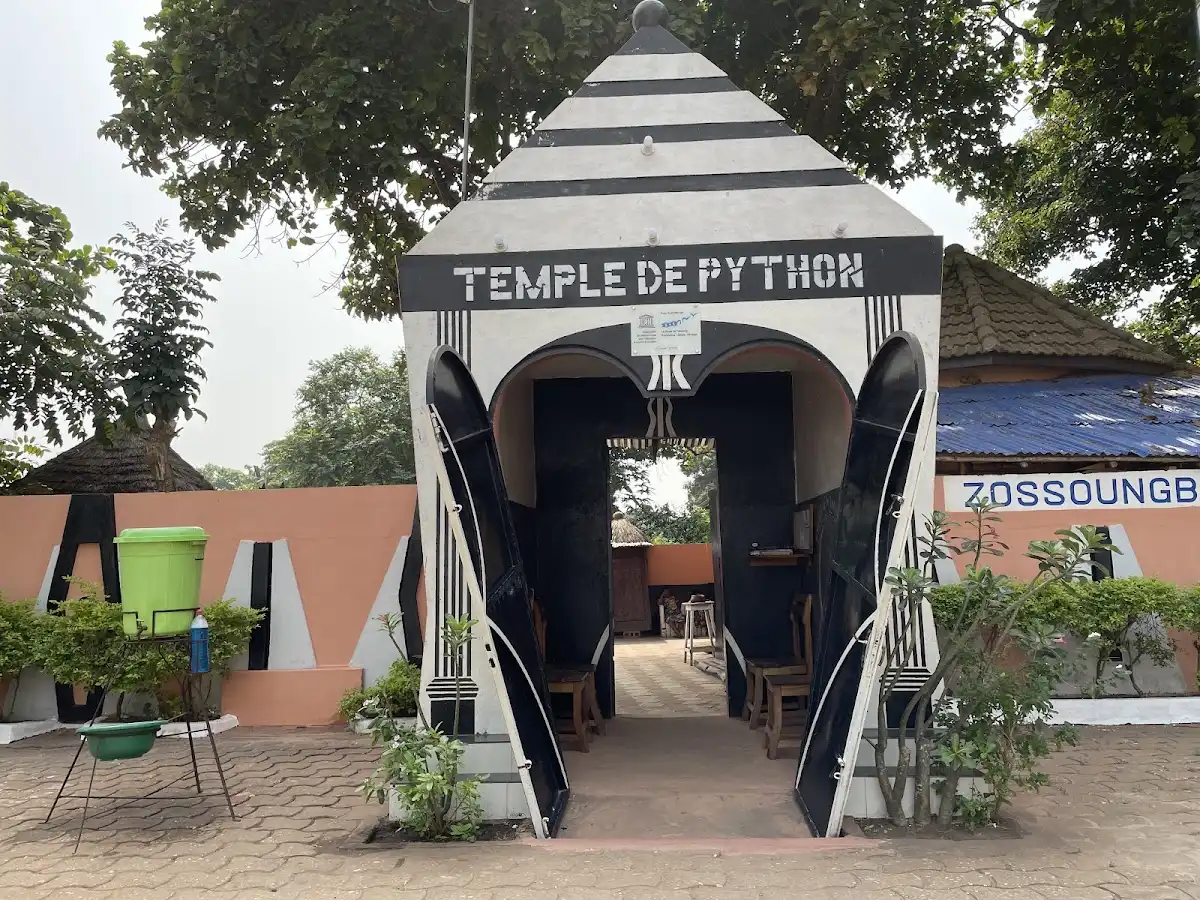
Let’s cut through the Instagram filters: you’re not coming here for a polished, airbrushed temple tour. The Temple des Pythons is a living sanctuary, home to dozens of royal pythons that slither freely inside a dim, slightly musty shrine. You’ll see them coiled in corners, stacked in a communal pit, or sometimes draped around the necks of local priests. This isn’t a petting zoo—it’s a sacred space where the line between reverence and raw animal presence is razor-thin. The thrill isn’t just in seeing the snakes; it’s in feeling the pulse of a belief system that’s survived centuries of colonial pressure and modern skepticism.
Guided Rituals and Vodun Storytelling
Forget the sanitized museum plaques. Here, the priests—often barefoot, sometimes … read more 👉
Let’s cut through the Instagram filters: you’re not coming here for a polished, airbrushed temple tour. The Temple des Pythons is a living sanctuary, home to dozens of royal pythons that slither freely inside a dim, slightly musty shrine. You’ll see them coiled in corners, stacked in a communal pit, or sometimes draped around the necks of local priests. This isn’t a petting zoo—it’s a sacred space where the line between reverence and raw animal presence is razor-thin. The thrill isn’t just in seeing the snakes; it’s in feeling the pulse of a belief system that’s survived centuries of colonial pressure and modern skepticism.
Guided Rituals and Vodun Storytelling
Forget the sanitized museum plaques. Here, the priests—often barefoot, sometimes … read more 👉
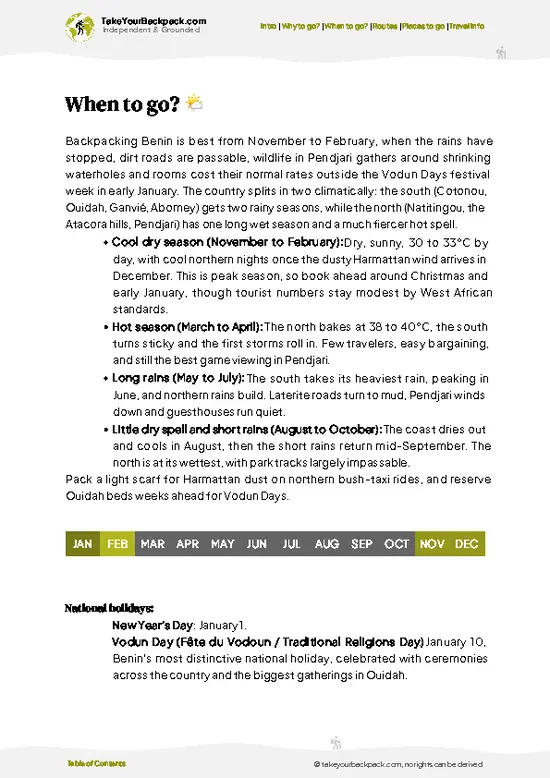
The Python Sanctuary: Living, Breathing History
Let’s cut through the Instagram filters: you’re not coming here for a polished, airbrushed temple tour. The Temple des Pythons is a living sanctuary, home to dozens of royal pythons that slither freely inside a dim, slightly musty shrine. You’ll see them coiled in corners, stacked in a communal pit, or sometimes draped around the necks of local priests. This isn’t a petting zoo—it’s a sacred space where the line between reverence and raw animal presence is razor-thin. The thrill isn’t just in seeing the snakes; it’s in feeling the pulse of a belief system that’s survived centuries of colonial pressure and modern skepticism.
Guided Rituals and Vodun Storytelling
Forget the sanitized museum plaques. Here, the priests—often barefoot, sometimes in ceremonial robes—don’t just recite facts. They perform. You’ll hear the origin stories of the python cult, the role of the snake in Vodun cosmology, and why these creatures are more than just symbols—they’re living intermediaries between worlds. If you’re lucky (and respectful), you might witness a small ritual: offerings, chants, and the kind of spiritual theater that’s impossible to fake for tourists. This is the real deal, not a staged sideshow.
Face-to-Face with the Pythons
You want a photo? You’ll get one, but not the way you expect. The priests may offer to drape a python around your shoulders. It’s not mandatory, but it’s a rite of passage for the bold. The snakes are docile, but the adrenaline is real—there’s nothing like the cool, muscular weight of a python to remind you that you’re far from the curated safety of a Western zoo. This is hands-on, heart-thumping, and absolutely not for the squeamish.
The Sacred Courtyard: Where Past and Present Collide
Step outside the temple and you’re in a courtyard that’s seen centuries of ritual. The trees here aren’t just shade—they’re living witnesses to colonial invasions, Vodun festivals, and the annual pilgrimage that draws believers from across West Africa. You’ll see shrines, fetishes, and offerings tucked into roots and branches. Every inch is layered with meaning, and the air hums with the weight of history. This isn’t a backdrop for selfies; it’s a crossroads of faith and resistance.
Contextualizing the Slave Route
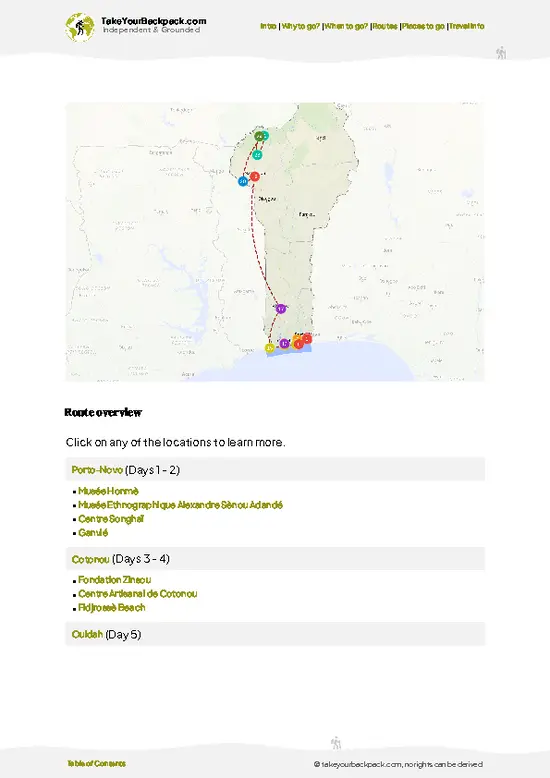
Ouidah is ground zero for the Atlantic slave trade’s brutal legacy, and the Temple des Pythons sits just steps from the infamous Route des Esclaves. The proximity isn’t accidental. The temple’s survival is a testament to cultural resilience—a living rebuke to centuries of erasure. When you stand here, you’re not just ticking off a tourist box; you’re confronting the collision of African spirituality and colonial violence. It’s sobering, but it’s also a reminder that culture endures in the most unlikely places.
Local Markets and the Pulse of Ouidah
Step outside the temple gates and you’re in the thick of Ouidah’s daily life. The market nearby isn’t curated for tourists—expect everything from dried fish to ritual talismans, with the occasional python-shaped trinket thrown in. The energy is chaotic, the smells are intense, and the commerce is relentless. This is where you see the temple’s influence spill into the streets, shaping the rhythm of the city in ways no Instagram post can capture.
Let’s cut through the Instagram filters: you’re not coming here for a polished, airbrushed temple tour. The Temple des Pythons is a living sanctuary, home to dozens of royal pythons that slither freely inside a dim, slightly musty shrine. You’ll see them coiled in corners, stacked in a communal pit, or sometimes draped around the necks of local priests. This isn’t a petting zoo—it’s a sacred space where the line between reverence and raw animal presence is razor-thin. The thrill isn’t just in seeing the snakes; it’s in feeling the pulse of a belief system that’s survived centuries of colonial pressure and modern skepticism.
Guided Rituals and Vodun Storytelling
Forget the sanitized museum plaques. Here, the priests—often barefoot, sometimes in ceremonial robes—don’t just recite facts. They perform. You’ll hear the origin stories of the python cult, the role of the snake in Vodun cosmology, and why these creatures are more than just symbols—they’re living intermediaries between worlds. If you’re lucky (and respectful), you might witness a small ritual: offerings, chants, and the kind of spiritual theater that’s impossible to fake for tourists. This is the real deal, not a staged sideshow.
Face-to-Face with the Pythons
You want a photo? You’ll get one, but not the way you expect. The priests may offer to drape a python around your shoulders. It’s not mandatory, but it’s a rite of passage for the bold. The snakes are docile, but the adrenaline is real—there’s nothing like the cool, muscular weight of a python to remind you that you’re far from the curated safety of a Western zoo. This is hands-on, heart-thumping, and absolutely not for the squeamish.
The Sacred Courtyard: Where Past and Present Collide
Step outside the temple and you’re in a courtyard that’s seen centuries of ritual. The trees here aren’t just shade—they’re living witnesses to colonial invasions, Vodun festivals, and the annual pilgrimage that draws believers from across West Africa. You’ll see shrines, fetishes, and offerings tucked into roots and branches. Every inch is layered with meaning, and the air hums with the weight of history. This isn’t a backdrop for selfies; it’s a crossroads of faith and resistance.
Contextualizing the Slave Route
Ouidah is ground zero for the Atlantic slave trade’s brutal legacy, and the Temple des Pythons sits just steps from the infamous Route des Esclaves. The proximity isn’t accidental. The temple’s survival is a testament to cultural resilience—a living rebuke to centuries of erasure. When you stand here, you’re not just ticking off a tourist box; you’re confronting the collision of African spirituality and colonial violence. It’s sobering, but it’s also a reminder that culture endures in the most unlikely places.
Local Markets and the Pulse of Ouidah
Step outside the temple gates and you’re in the thick of Ouidah’s daily life. The market nearby isn’t curated for tourists—expect everything from dried fish to ritual talismans, with the occasional python-shaped trinket thrown in. The energy is chaotic, the smells are intense, and the commerce is relentless. This is where you see the temple’s influence spill into the streets, shaping the rhythm of the city in ways no Instagram post can capture.
Spotted a mistake or missing something? Contact us.

Private Full-Day Cultural Tour in Cotonou Ganvie and Ouidah

Electric Bike Tour EN Cotonou

Zangbeto Dance and Cultural Tour in Ouidah

Private tour of Benin 3 days (Cotonou, Lake Ganvie, Ouidah)

Cotonou Private Tour

Half Day Cultural Tour of Ganvié The Venice of Africa

Painting Experience in Cotonou

Benin, Togo and Ghana Private 14 Day Tour

10-Day Tour: At the Heart of the Vodou Festival in Benin & Togo

 Best Backpacking
.jpg) Hi, I’m Johan (Netherlands 🇳🇱), the creator of TakeYourBackpack. Over the past 3 decades, I’ve backpacked through 90+ countries across six continents, gaining extensive experience with independent travel, long-term trips, and overland routes.
Hi, I’m Johan (Netherlands 🇳🇱), the creator of TakeYourBackpack. Over the past 3 decades, I’ve backpacked through 90+ countries across six continents, gaining extensive experience with independent travel, long-term trips, and overland routes.