

×

Bolivia🇧🇴 | townsCopacabanalakefront, pilgrimage site, Isla del Sol access | things to do and best time to go

Explore Tupiza red rock formationsExplore Coroico

Backpacking in Copacabana
🏆 Top picktown ranked #3
By Johan Kruseman 🇳🇱 | Updated June 7, 2026

Most people hear “Copacabana” and picture Brazil’s beach, not a chilly little town high above a dark, glassy lake. This Copacabana sits on the southern shore of Lake Titicaca in western Bolivia, near the Peruvian border, and it feels more like a lakeside pilgrimage stop than a beach resort. For backpackers, it’s less about nightlife and more about slow walks along the waterfront, boat rides to Isla del Sol, and watching the light fade over the water from a dusty hilltop mirador. The town is compact and walkable, with buses rolling in from La Paz and Puno, so it works perfectly as a 1–3 night pause on the overland route rather than a long-term base. It’s cheaper and calmer than Puno, more scenic but less practical than La Paz, and social in a gentle way: a few hostels, traveler cafés, sunset beers, early nights, and generally low-key, safe streets.

Discover everything you want to know in the 📖 Bolivia Travel Guide.


Get your Bolivia guide
82 ranked highlights, routes & tips, works offline (350 pages)
Loading the map 🌍
CLICK TO FILTER
cities
towns
landmarks
national parks
hikes
beaches
attractions
festivals
regions
SHOW COUNTRY’S BESTSHOW ALL

✨ Why go?
Ranked #3 town in Bolivia
The unique appeal for travelers

Copacabana, Bolivia, is a backpacker’s haven that serves as a strategic base for exploring the stunning Lake Titicaca region. The town’s walkable streets are lined with small-scale hostels and guesthouses, offering a cozy atmosphere where you can easily connect with fellow travelers. Here, the local food scene shines, with street vendors serving up fresh fish and hearty soups that warm you after a day of hiking.

Many backpackers find themselves lingering for a few days, soaking in the laid-back vibe and the friendly social atmosphere. It’s a place where slow travelers and solo adventurers can feel at home, sharing stories over a cup of local coffee or a cold beer. The nearby hikes to Isla del Sol and Isla de la Luna are easily accessible, making day trips a breeze.

While it’s not a nightlife … read more 👉
Copacabana, Bolivia, is a backpacker’s haven that serves as a strategic base for exploring the stunning Lake Titicaca region. The town’s walkable streets are lined with small-scale hostels and guesthouses, offering a cozy atmosphere where you can easily connect with fellow travelers. Here, the local food scene shines, with street vendors serving up fresh fish and hearty soups that warm you after a day of hiking.

Many backpackers find themselves lingering for a few days, soaking in the laid-back vibe and the friendly social atmosphere. It’s a place where slow travelers and solo adventurers can feel at home, sharing stories over a cup of local coffee or a cold beer. The nearby hikes to Isla del Sol and Isla de la Luna are easily accessible, making day trips a breeze.

While it’s not a nightlife hotspot, the evenings can be lively with travelers swapping tales under the stars. If you’re looking for a spot to recharge and immerse yourself in local culture, Copacabana is more than just a stop; it’s a gateway to unforgettable experiences.
Want to include Copacabana in your Bolivia route?
Create a personalized Bolivia itinerary that includes Copacabana and the places that fit your trip — based on your travel style, budget, and available time. Get your route in seconds.

Generate my trip

💡 HighlightsEssential experiences to have while visiting Copacabana

  1. Basilica of Our Lady of Copacabana (Basílica de Nuestra Señora de Copacabana) — The town’s heart: an 18th-century sanctuary with the famous dark-skinned Virgin, masses, and walls full of silver and votive offerings. Even if you’re not religious, the mix of colonial architecture and local pilgrimage energy is worth lingering over.
  2. Plaza 2 de Febrero (Main Plaza) — Where locals gather, vendors set up, and festivals explode into color. Sit at the bandstand, watch the daily life, and use it as your meeting point for exploring the town on foot.
  3. Cerro Calvario (Hill of Calvary) — A short, steep climb from town with Stations of the Cross, painted chapels and one of the best panoramic views over Copacabana and Lake Titicaca. Go at sunrise or sunset — the light is ridiculous.
  4. Copacabana Malecon
read more 👉
  1. Basilica of Our Lady of Copacabana (Basílica de Nuestra Señora de Copacabana) — The town’s heart: an 18th-century sanctuary with the famous dark-skinned Virgin, masses, and walls full of silver and votive offerings. Even if you’re not religious, the mix of colonial architecture and local pilgrimage energy is worth lingering over.
  2. Plaza 2 de Febrero (Main Plaza) — Where locals gather, vendors set up, and festivals explode into color. Sit at the bandstand, watch the daily life, and use it as your meeting point for exploring the town on foot.
  3. Cerro Calvario (Hill of Calvary) — A short, steep climb from town with Stations of the Cross, painted chapels and one of the best panoramic views over Copacabana and Lake Titicaca. Go at sunrise or sunset — the light is ridiculous.
  4. Copacabana Malecon & Puerto (Embarcadero) — The lakeside promenade and boat pier: sunset strolls, fishermen hauling in trout, the comings-and-goings of launches to nearby islands. It’s social, photogenic, and practical (this is where most boats depart).
  5. Mercado Municipal / Artisan Market — A compact, authentic market selling alpaca textiles, carved wooden boats, and everyday foodstuffs. Great for picking up locally made gifts and watching artisans at work without the inflated prices of tourist-only stalls.
  6. Museo del Santuario (Shrine Museum) — The small museum attached to the basilica that traces the history of the Virgin’s cult and displays votive silver and traditional offerings. It gives context to what you see inside the church.
  7. Waterfront trout grills and fish stalls — Along the pier you’ll find simple family-run eateries grilling local trucha (trout) and serving quinoa soups. Fresh, cheap, and a direct taste of Copacabana’s lakeside food culture.
  8. Local weaving and artisan workshops — Small shops and co-ops where Aymara weavers sell and sometimes demonstrate techniques. You’ll learn about natural dyes, patterns with meaning, and get better value buying straight from makers.
  9. Lakeshore beaches and swimming spots — Pebbled stretches and little sandy bays right by town where people swim, sunbathe, and launch boats. The water is chilly, but it’s a real way to experience Titicaca without leaving Copacabana.
  10. Cobbled streets and painted houses (historic town center) — Wander the compact, photogenic lanes behind the plaza: colonial facades, small chapels tucked away, and neighborhood life that shows how Copacabana functions beyond the tourist strip.
A few excellent day trips just outside town: Isla del Sol, Isla de la Luna, and the Yampupata peninsula — my personal favorite is Isla del Sol for its ruins, walking trails and unbeatable views.
Spotted a mistake or missing something? Contact us.

Things to do around Copacabana

Ratings based on Tripadvisor reviews. When you book through this link, you support our work at no extra cost to you.

🏘️ NeighborhoodsNeighborhood guide to Copacabana

Copacabana, Bolivia, is a vibrant lakeside town that serves as a gateway to the stunning Lake Titicaca. Each neighborhood has its own character, making it essential to choose wisely for your backpacking adventure.

Centro: This is the heart of Copacabana, where the action happens. You’ll find budget hostels, local eateries, and shops selling everything from snacks to souvenirs. The vibe is lively, especially around the main plaza, where you can soak in the local culture. Walkability is excellent; everything is within a few blocks. Perfect for short stays, but if you’re looking for a quieter experience, you might want to retreat to another area at night.

La Isla del Sol: A short boat ride away, this island offers a more tranquil atmosphere. It’s ideal for those wanting to escape the hustle. … read more 👉
Copacabana, Bolivia, is a vibrant lakeside town that serves as a gateway to the stunning Lake Titicaca. Each neighborhood has its own character, making it essential to choose wisely for your backpacking adventure.

Centro: This is the heart of Copacabana, where the action happens. You’ll find budget hostels, local eateries, and shops selling everything from snacks to souvenirs. The vibe is lively, especially around the main plaza, where you can soak in the local culture. Walkability is excellent; everything is within a few blocks. Perfect for short stays, but if you’re looking for a quieter experience, you might want to retreat to another area at night.

La Isla del Sol: A short boat ride away, this island offers a more tranquil atmosphere. It’s ideal for those wanting to escape the hustle. The trails here are perfect for hiking, and the views of the lake are breathtaking. Accommodations range from basic to slightly upscale, but expect to pay a bit more for the peace. This area suits longer stays, especially if you want to immerse yourself in nature.

Punta de Piedra: Located a bit further from the center, this area is quieter and less touristy. It’s a great spot for those who prefer a more local experience. The walk to the main attractions is longer, but the trade-off is a serene environment. Perfect for longer stays if you want to blend in with the locals and enjoy the slower pace.

El Alto: This neighborhood is a bit of a trek uphill but rewards you with stunning panoramic views of the lake. It’s less frequented by tourists, making it a unique spot to experience local life. Accommodations are cheaper here, but be prepared for a bit of a hike back down to the main attractions. Ideal for budget travelers looking for an authentic experience.

⌛️ 1 daySeeing the highlights in 24 hours

Copacabana, Bolivia, is a vibrant lakeside town that pulses with the energy of both locals and travelers. Nestled on the shores of Lake Titicaca, it’s a place where the air is crisp, the sun shines bright, and the scent of grilled fish wafts through the streets. The town is a gateway to the lake’s islands and rich indigenous culture, making it a perfect spot for a day of exploration.

Start your morning with a stroll along the waterfront. The soft lapping of the waves against the shore sets a peaceful tone. Grab a breakfast of fresh bread and local cheese from one of the small bakeries. The bread is warm, and the cheese has a tangy bite that pairs perfectly with a cup of strong Bolivian coffee. After fueling up, head to the Basilica of Our Lady of Copacabana. This iconic church, with its intricate … read more 👉
Copacabana, Bolivia, is a vibrant lakeside town that pulses with the energy of both locals and travelers. Nestled on the shores of Lake Titicaca, it’s a place where the air is crisp, the sun shines bright, and the scent of grilled fish wafts through the streets. The town is a gateway to the lake’s islands and rich indigenous culture, making it a perfect spot for a day of exploration.

Start your morning with a stroll along the waterfront. The soft lapping of the waves against the shore sets a peaceful tone. Grab a breakfast of fresh bread and local cheese from one of the small bakeries. The bread is warm, and the cheese has a tangy bite that pairs perfectly with a cup of strong Bolivian coffee. After fueling up, head to the Basilica of Our Lady of Copacabana. This iconic church, with its intricate façade and vibrant murals, is a must-see. Take a moment to soak in the atmosphere; the light filtering through the stained glass creates a kaleidoscope of colors inside.

In the afternoon, venture to the less-trodden path of the Calvario Hill. It’s a bit of a climb, but the panoramic views of the lake and surrounding mountains are worth every step. The scent of wildflowers fills the air, and you’ll likely encounter locals offering offerings to the Pachamama (Mother Earth). This experience connects you to the land in a way that’s both humbling and enriching.

As the sun begins to set, make your way back to the main square. The evening light casts a golden hue over the town, perfect for people-watching. Grab dinner at a local eatery, where you can savor a plate of trout caught fresh from the lake. The flavors are simple yet profound, a reflection of the region’s culinary roots.

End your day with a leisurely walk along the shore, the stars beginning to twinkle above. The cool breeze carries the laughter of children playing nearby, and you can’t help but feel a sense of belonging in this charming town. Copacabana isn’t just a stop on your journey; it’s a place that invites you to linger a little longer.
Turn your Copacabana visit into an Bolivia adventure
Build a complete Bolivia route with Copacabana, hidden gems, must-see destinations, and realistic travel times included.

Generate my trip

🌤️ When to go?Seasonal considerations and timing


  • Topic: Weather – The dry season from May to October is your best bet. Expect crisp, clear skies and daytime highs around 18-20°C (64-68°F). Nights can dip to near freezing, so pack layers. The wet season (November to March) brings heavy rains that turn trails to mud and limit outdoor plans.

  • Topic: Temperature – Daylight warmth feels pleasant but deceptive; the sun is strong at 3,800 meters elevation. Mornings and evenings are chilly, often below 5°C (41°F). This contrast means you’ll want sun protection and a warm jacket for the same day.

  • Topic: Daylight Hours – Around 11 to 12 hours of daylight year-round, but the dry season offers clearer mornings and longer stretches of bright light, perfect for early hikes and late afternoon lakeside views.

  • Topic: Crowds – Peak months June to
read more 👉

  • Topic: Weather – The dry season from May to October is your best bet. Expect crisp, clear skies and daytime highs around 18-20°C (64-68°F). Nights can dip to near freezing, so pack layers. The wet season (November to March) brings heavy rains that turn trails to mud and limit outdoor plans.

  • Topic: Temperature – Daylight warmth feels pleasant but deceptive; the sun is strong at 3,800 meters elevation. Mornings and evenings are chilly, often below 5°C (41°F). This contrast means you’ll want sun protection and a warm jacket for the same day.

  • Topic: Daylight Hours – Around 11 to 12 hours of daylight year-round, but the dry season offers clearer mornings and longer stretches of bright light, perfect for early hikes and late afternoon lakeside views.

  • Topic: Crowds – Peak months June to August bring more tourists, especially around the full moon festivals. If you want fewer people, aim for shoulder months like May or September when the vibe is calmer but conditions remain solid.

  • Topic: Seasonal Activities – The dry season unlocks trekking, biking, and boat tours on Lake Titicaca. The wet season’s heavy rains often cancel these, so timing your visit here is about access as much as comfort.

  • Topic: Price Fluctuations – Expect higher prices during the dry season and festival times. Off-season (wet months) sees discounts but at the cost of limited activities and rougher conditions.


Pro-tip: Arrive just before the dry season peaks—May or September—when the air is fresh, the crowds thin, and the lake’s surface mirrors the sky with fewer ripples.


source: climatestotravel.comJANJanuary: fair for travelingFEBFebruary: fair for travelingMARMarch: fair for travelingAPRApril: good for travelingMAYMay: highly recommended for travelingJUNJune: excellent for travelingJULJuly: excellent for travelingAUGAugust: excellent for travelingSEPSeptember: highly recommended for travelingOCTOctober: highly recommended for travelingNOVNovember: fair for travelingDECDecember: fair for traveling
bolivia-city-copacabana
© Google | Jesús C

✈️ The backpacker research shortcutBolivia Travel Guide

An offline-friendly backpacking guide with optimized travel routes, ranked highlights, transport advice, and the best areas to stay.
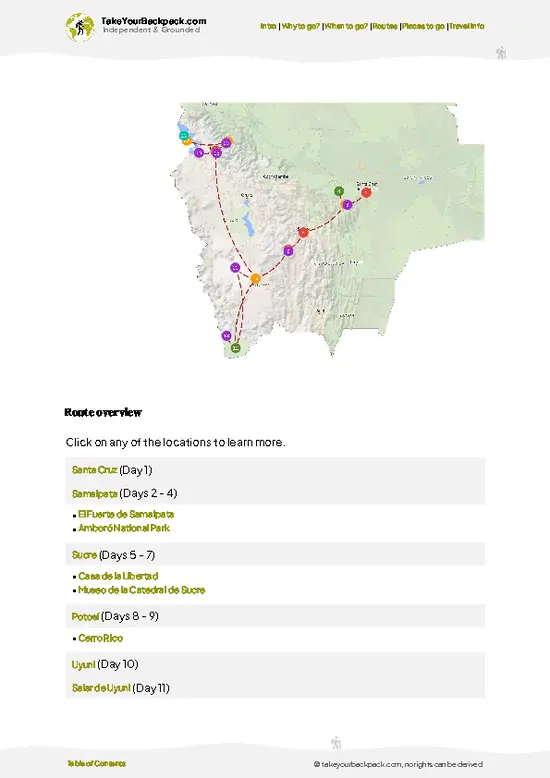
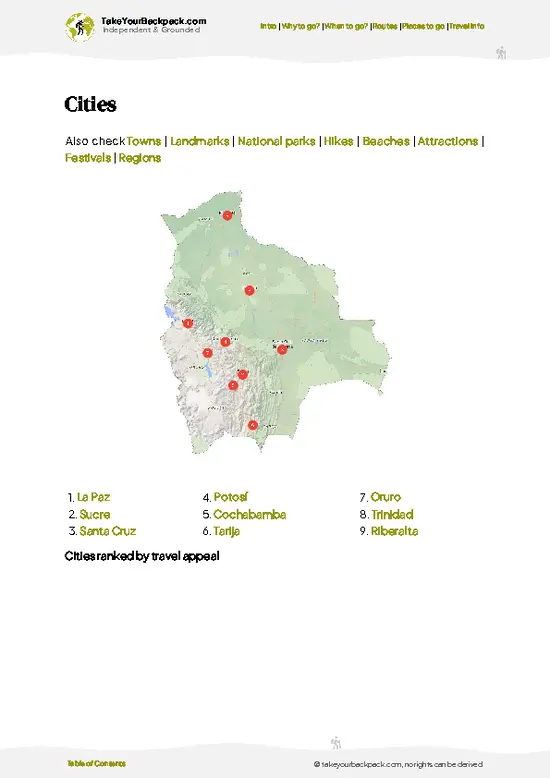
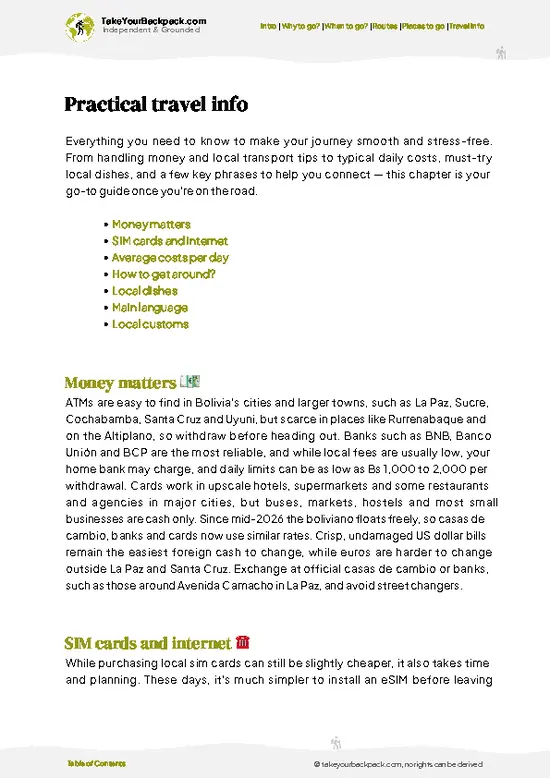
example page 0 from our offline Travel Guide for Bolivia
example page 1 from our offline Travel Guide for Bolivia
example page 2 from our offline Travel Guide for Bolivia
example page 3 from our offline Travel Guide for Bolivia
example page 4 from our offline Travel Guide for Bolivia
example page 5 from our offline Travel Guide for Bolivia
example page 6 from our offline Travel Guide for Bolivia
example page 7 from our offline Travel Guide for Bolivia
The digital guide (350 pages) contains:
82 highlights, ranked by travel appeal
Optimized 7, 14 & 21-day travel routes
Cities, national parks, landmarks, beaches
How to get around
Offline-friendly for travel without Wi-Fi
👉 Click to see all 30+ guide features

📅 Plan smarter in minutes, not weeks
Month by month travel advice
Festivals & national holidays
Budget expectations

🗺️ Go to the right places, skip the overrated ones
Honest pros & cons of destinations
Top hikes, parks & viewpoints
Lesser-known places most travelers miss
Clear “worth it vs skip it” guidance

🛏️ Travel smoothly without rookie mistakes
Best areas to stay
Transport systems explained simply
Common scams & safety advice
SIM cards, money & practical tips

🌍 Understand the country, not just visit it
Culture & traditions
52 Essential phrases & customs
Festivals worth planning around
Traveler-friendly historical context
Insights that make places more meaningful

📱 Built for real travel conditions
Fully downloadable PDF
Works completely offline
Optimized for phone use
Useful in remote areas & buses
Everything in one place
Save weeks of stressful planning
Get instant access to your full guide. 30‑day money-back guarantee.


By proceeding you agree to our terms.
Sent to your inbox immediately after payment • 100% Secure Checkout
Best Backpacking Travel Advisor 2025 tourism awardBest Backpacking
Travel Advisor
2025
What others say about Take Your Backpack Guides:
⭐⭐⭐⭐⭐
Fantastic, amazing amount of information!
⭐⭐⭐⭐⭐
My goodness this is amazing, it's what I've been looking for hats off too you!
⭐⭐⭐⭐⭐
I think this is absolutely BRILLIANT
⭐⭐⭐⭐
Very complete and informative. It's still missing places, but I gotta to commend you
⭐⭐⭐⭐⭐
This is truly amazing, thank you, can't wait to explore it with my kids!
⭐⭐⭐⭐⭐
Awesome resource, thank you!
⭐⭐⭐⭐⭐
This is amazing! Can't wait to explore the ones I haven't seen
⭐⭐⭐⭐
I love this! Well done, great idea.
⭐⭐⭐⭐⭐
Thanks for taking the time to make this gem!
⭐⭐⭐⭐⭐
This might be the best website I've ever seen.
⭐⭐⭐⭐⭐
Congratulations, and thank you so much for your work; it's incredibly valuable.
⭐⭐⭐⭐
In all seriousness I think you did a great job pointing out the important spots
⭐⭐⭐⭐⭐
10/10 very good
⭐⭐⭐⭐⭐
As someone who's only just starting to visit regularly this is awesome, thank you.
⭐⭐⭐⭐
Thank you very much! I'm going to visit my dad, it's going to be very useful!
⭐⭐⭐⭐⭐
This is really cool! We'll be travelling for the first time and this definitely come in handy.
⭐⭐⭐⭐⭐
You are now our minister of culture, congratulations 👨‍💼
⭐⭐⭐⭐⭐
Just wanted to tell you that this is a pearl! Going to follow your recommendations.
⭐⭐⭐⭐⭐
This is so cool. I'll definitely be using the resource for my travels soon.
⭐⭐⭐⭐⭐
This is very impressive! Good work.
⭐⭐⭐⭐⭐
This is an amazing and informative site. Very well done!

🛏️ Where to stay?How to pick the right area

In Copacabana, Bolivia, the real pulse for backpackers beats strongest around the town center, especially near the main plaza and the waterfront. This area isn’t just a cluster of streets; it’s where the town’s heartbeat syncs with Lake Titicaca’s cool breeze and the scent of fresh fish grilling nearby. Staying here means you’re steps away from lively markets, local eateries, and the ferry docks that connect you to Isla del Sol. It’s safe, well-lit at night, and packed with hostels that cater to budget travelers and solo adventurers, making it easy to strike up conversations over shared meals … read more 👉
In Copacabana, Bolivia, the real pulse for backpackers beats strongest around the town center, especially near the main plaza and the waterfront. This area isn’t just a cluster of streets; it’s where the town’s heartbeat syncs with Lake Titicaca’s cool breeze and the scent of fresh fish grilling nearby. Staying here means you’re steps away from lively markets, local eateries, and the ferry docks that connect you to Isla del Sol. It’s safe, well-lit at night, and packed with hostels that cater to budget travelers and solo adventurers, making it easy to strike up conversations over shared meals or evening drinks.

Venture a little uphill toward the Calle 6 de Agosto neighborhood, and you’ll find a quieter, more laid-back vibe. It’s still close enough to the action but offers a break from the crowds. Hostels here tend to be smaller, often family-run, giving you a chance to connect with locals and experience a more authentic side of Copacabana. The streets are calmer, the air fresher, and the views of the lake start to stretch wider.

Compared to the outskirts or newer developments, these central and hillside areas keep you plugged into the town’s social fabric and natural beauty. You avoid long taxi rides and the isolation that can dull the magic of this lakeside town. Staying here means your days start with the sun hitting the water and end with the hum of friendly chatter under starlit skies.

🚌 Getting aroundHow to get from A to B

Copacabana moves at its own rhythm—part laid-back beach town, part bustling tourist hub. The sun slants low in the late afternoon, casting long shadows over the mosaic sidewalks, while the salty breeze carries the faint hum of street vendors and distant music. Time here isn’t a strict appointment; it’s more like a loose conversation. You’ll find that schedules blur, and the best way to get around is to lean into the flow rather than fight it. The town’s pulse is a mix of spontaneous moments and practical routes, where a quick stroll might be your fastest transit or a shared minibus your cheapest ride. Understanding this balance unlocks a smoother, more authentic experience.

Walking: Copacabana’s compact center is made for your feet. The main drag, Avenida 6 de Agosto, and the lakeside promenade … read more 👉
Copacabana moves at its own rhythm—part laid-back beach town, part bustling tourist hub. The sun slants low in the late afternoon, casting long shadows over the mosaic sidewalks, while the salty breeze carries the faint hum of street vendors and distant music. Time here isn’t a strict appointment; it’s more like a loose conversation. You’ll find that schedules blur, and the best way to get around is to lean into the flow rather than fight it. The town’s pulse is a mix of spontaneous moments and practical routes, where a quick stroll might be your fastest transit or a shared minibus your cheapest ride. Understanding this balance unlocks a smoother, more authentic experience.

Walking: Copacabana’s compact center is made for your feet. The main drag, Avenida 6 de Agosto, and the lakeside promenade are flat and easy to navigate, with plenty of shade from palm trees and street vendors selling fresh fruit. Walking costs nothing, lets you soak in the scent of grilled corn and hear the chatter of locals, and is often faster than waiting for a bus during peak hours.

Minibuses (Micros): These are the lifeblood of local transit—small, colorful vans that dart through the streets with a mix of urgency and chaos. They run roughly from 6 a.m. to 10 p.m., cost about 2-3 bolivianos, and cover most routes around town and to nearby spots like the ferry dock. They’re cramped but frequent, and the drivers expect you to hop on and off quickly, so keep your change ready and your wits about you.

Shared Taxis (Trufis): If you want a faster, slightly more comfortable ride without breaking the bank, shared taxis are your best bet. They follow set routes but leave only when full, which means some waiting but a direct path. Prices hover around 5-7 bolivianos. They run from early morning until around 9 p.m., and the drivers often know the best shortcuts to avoid the midday traffic jams near the market.

Ferries to Isla del Sol: For the iconic trip across Lake Titicaca, ferries depart from the port near the town center starting around 8 a.m. until late afternoon. Tickets cost about 20-30 bolivianos one way. The ride is smooth, with the lake’s cool mist and the Andes looming in the background—a must-do that’s both transit and experience rolled into one.

Bicycle Rentals: For the adventurous, renting a bike is a fantastic way to explore beyond the town’s core. Rentals cost around 30-50 bolivianos per day. The roads are mostly flat but can get dusty, and the lake breeze keeps things cool. This option gives you freedom to chase the light along the shore or find quiet spots where the scent of eucalyptus trees drifts through the air.

Mastering Copacabana’s transit means embracing its mix of laid-back pace and bursts of local hustle. Walk when you can, jump on a micro or trufi when you need speed, and don’t miss the ferry—it’s not just transport, it’s a gateway to the lake’s magic.

👛 Costs (as of 25 February 2026)Money, prices, and spending tips

Backpacking in Copacabana, Bolivia, offers a raw, earthy experience where every dollar counts and the local pace sets your rhythm. Here’s what you’re realistically looking at for daily expenses as an independent traveler.
  • Dorm Accommodation: Expect to pay around $5 to $10 per night for a bed in a basic hostel dorm. These places are simple but clean, often with shared bathrooms and a communal kitchen. The vibe is laid-back, and you’ll likely hear the hum of early morning market sellers or the distant toll of church bells.
  • Meals: Street food and small local eateries dominate here. A hearty breakfast or lunch of salteñas (Bolivian pastries) or a plate of rice, beans, and grilled meat will set you back about $2 to $4. Dinner at a modest restaurant might cost $3 to $6. Fresh fruit juices and
read more 👉
Backpacking in Copacabana, Bolivia, offers a raw, earthy experience where every dollar counts and the local pace sets your rhythm. Here’s what you’re realistically looking at for daily expenses as an independent traveler.
  • Dorm Accommodation: Expect to pay around $5 to $10 per night for a bed in a basic hostel dorm. These places are simple but clean, often with shared bathrooms and a communal kitchen. The vibe is laid-back, and you’ll likely hear the hum of early morning market sellers or the distant toll of church bells.
  • Meals: Street food and small local eateries dominate here. A hearty breakfast or lunch of salteñas (Bolivian pastries) or a plate of rice, beans, and grilled meat will set you back about $2 to $4. Dinner at a modest restaurant might cost $3 to $6. Fresh fruit juices and local snacks are cheap and refreshing, perfect for the dry air.
  • Local Transport: Getting around town or to nearby spots like Isla del Sol is mostly by shared minibuses or boats. Minibus rides within town are around $0.30 to $0.50, while a boat trip to Isla del Sol can run $5 to $10 one way. Walking is also a great way to soak in the crisp lake air and colorful streets.
  • Basic Activities/Entry Fees: Entrance to the Basilica of Our Lady of Copacabana is free, but guided tours or boat trips to Isla del Sol cost between $10 and $20. Hiking around the island or visiting archaeological sites is often free or requires a small fee under $5. These activities connect you directly with the landscape and local history.
  • Miscellaneous Expenses: Budget around $1 to $3 for bottled water, snacks, or occasional internet access at a café. Souvenirs and small crafts are affordable but keep in mind that bargaining is part of the local shopping dance.

All told, you’re looking at roughly $15 to $35 per day to cover the essentials without cutting corners. This range lets you live comfortably enough to enjoy the slow, tactile charm of Copacabana without feeling pinched. The dry air and high altitude can sneak up on you, so staying hydrated and pacing your activities will make the experience smoother and more rewarding.
⚠️ Prices can change and everyone travels differently, so take this as a rough guide. Hope it helps you plan your adventure!

🚌 Day tripsEasy escapes and nearby places

Copacabana is your launchpad for exploring the breathtaking landscapes of Lake Titicaca and beyond. With its vibrant markets and laid-back vibe, it’s the perfect base for unforgettable day trips.

Isla del Sol
A boat ride to Isla del Sol is like stepping into a postcard. The island is steeped in Inca mythology, and as you hike its rugged trails, you’ll be rewarded with sweeping views of the lake. Expect about 1.5 hours on the boat, costing around 30 BOB round trip. The best time to go is early morning when the light dances on the water, and the crowds are still at bay. A common mistake? Many first-timers rush through the island; take your time to soak in the ancient ruins and local culture.
👉 Explore Isla del Sol

Copacabana to La Isla de la Luna
This lesser-known sister island to Isla … read more 👉
Copacabana is your launchpad for exploring the breathtaking landscapes of Lake Titicaca and beyond. With its vibrant markets and laid-back vibe, it’s the perfect base for unforgettable day trips.

Isla del Sol
A boat ride to Isla del Sol is like stepping into a postcard. The island is steeped in Inca mythology, and as you hike its rugged trails, you’ll be rewarded with sweeping views of the lake. Expect about 1.5 hours on the boat, costing around 30 BOB round trip. The best time to go is early morning when the light dances on the water, and the crowds are still at bay. A common mistake? Many first-timers rush through the island; take your time to soak in the ancient ruins and local culture.
👉 Explore Isla del Sol

Copacabana to La Isla de la Luna
This lesser-known sister island to Isla del Sol offers a more tranquil experience. The boat ride is about 2 hours, costing around 40 BOB. The island is home to the ruins of the Temple of the Virgin, and the serenity here is palpable. Go in the late afternoon for a magical sunset that paints the sky in hues of orange and pink. A rookie error is underestimating the chill; bring a jacket, as it can get brisk once the sun dips.


Chacaltaya
For a taste of altitude, head to Chacaltaya, the former highest ski resort in the world. It’s about a 2-hour drive from Copacabana, costing around 100 BOB for transportation. The hike to the summit is short but steep, rewarding you with panoramic views of the Andes. Aim for the dry season, from May to September, when the skies are clear. Many travelers forget to acclimatize; take it slow and drink plenty of water to avoid altitude sickness.


Tiwanaku
Step back in time at the ancient ruins of Tiwanaku, just a 1.5-hour bus ride from Copacabana for about 30 BOB. This UNESCO World Heritage site is rich in history, with impressive stone structures that will leave you in awe. Visit in the morning to beat the heat and crowds. A common pitfall is not hiring a local guide; their insights will deepen your appreciation of this fascinating culture.
👉 Explore Tiwanaku

Each of these trips offers a unique slice of Bolivian life, making your Copacabana base not just a stopover, but a gateway to adventure.
Want to know what more Bolivia offers?
The Bolivia Travel Guide describes 82 highlights, from cities to national parks, from beaches to hikes

Get the Travel Guide -

🛡️ SafetyStaying Safe: What Travelers Should Know

Copacabana is generally safe, but a few practical tips can enhance your experience. The waterfront area, especially near the main plaza, is lively but can attract pickpockets. Keep your belongings close, especially when snapping photos of the stunning Lake Titicaca at sunset.

If you’re traveling solo, be mindful after dark. The streets can feel quiet, so stick to well-lit areas and avoid wandering too far from the main thoroughfares. A confident stride and a friendly demeanor can deter unwanted attention.

Common scams include overly friendly locals offering unsolicited help or guiding you to shops where they receive a commission. Politely decline and trust your instincts. Everyday annoyances might include aggressive street vendors; a simple “no, gracias” usually suffices.

Overall, embrace … read more 👉
Copacabana is generally safe, but a few practical tips can enhance your experience. The waterfront area, especially near the main plaza, is lively but can attract pickpockets. Keep your belongings close, especially when snapping photos of the stunning Lake Titicaca at sunset.

If you’re traveling solo, be mindful after dark. The streets can feel quiet, so stick to well-lit areas and avoid wandering too far from the main thoroughfares. A confident stride and a friendly demeanor can deter unwanted attention.

Common scams include overly friendly locals offering unsolicited help or guiding you to shops where they receive a commission. Politely decline and trust your instincts. Everyday annoyances might include aggressive street vendors; a simple “no, gracias” usually suffices.

Overall, embrace the vibrant atmosphere, but stay aware. Your journey through Copacabana will be richer when you navigate it with a blend of openness and caution.

Other Bolivian towns near Copacabana

Explore more nearby:

  • Achacachi—Aymara heartland, Lake Titicaca access, rural market| 45 km away
  • Viacha—altiplano town, industrial plants, Aymara culture| 100 km away
  • Coroico—Yungas retreat, subtropical hills, panoramic roads| 145 km away

💡 Not sure where to go next?
Create a personalized itinerary for Bolivia including Copacabana and the places that fit your trip.

Generate my itinerary

👉 Discover all towns

Or checkout all Bolivia has to offer (think cities, towns, villages, national parks, hikes, beaches, festivals)
Country photo of Bolivia

We 💚 feedbackFinal thoughts on visiting Copacabana

Copacabana’s lakeside sunsets are a painter’s dream, with hues that dance across Lake Titicaca, igniting the sky. You’ll feel the warmth of the locals as they share stories over fresh trout. But be ready for altitude sickness; the thin air can hit hard. Take it slow, sip some coca tea, and let the beauty unfold. The struggle makes the reward sweeter, trust me. Embrace the journey, and you’ll find magic in every moment.

✈️ When did I visit Bolivia?
Bolivia I visited during my half year trip through South and Central America back in 2003

✍️ Help improve this page!
The information on this page is based on my own backpacking experience in Bolivia, supplemented with up-to-date research and feedback from other travelers. Travel details can change, so if you notice anything outdated or incomplete, feel free to let me know.


🙋‍♂️ Give feedback

👋 Meet the founderWho’s Behind Take Your Backpack?

Johan, backpacker and founder of TakeYourBackpackHi, I’m Johan (Netherlands 🇳🇱), the creator of TakeYourBackpack. Over the past decade, I’ve backpacked through 80+ countries across six continents, gaining extensive experience with independent travel, long-term trips, and overland routes.

This site is built on a combination of firsthand travel experience and carefully curated insights from other backpackers. Many guides are based on places I’ve personally visited, while others bring together tips, observations, and practical advice shared by trusted travelers I’ve met along the way.

The goal is to provide realistic, experience-driven guidance — not generic itineraries — so you can explore destinations with better context, clearer expectations, and more confidence.

Get full Bolivia guide •
Instant download • 82 highlights • Full Offline guide