×

Bolivia🇧🇴 | townsCoroicoYungas retreat, subtropical hills, panoramic roads | things to do and best time to go

Explore CopacabanaExplore Rurrenabaque

Backpacking in Coroico
🌟 Highlighttown ranked #6
By Johan Kruseman 🇳🇱 | Updated June 6, 2026

Years ago, Coroico felt like a sleepy reward for anyone rattled out of La Paz on the old Death Road: a few hospedajes, mist on the hills, roosters louder than traffic. Today it’s still laid‑back, but there are more hostels, better coffee, and a quiet confidence that it’s on the backpacker map without being overrun. Coroico sits in the Yungas, northeast of La Paz, where the high plateau suddenly drops into humid green valleys. It works best as a soft-landing base after La Paz: waterfalls, cloud‑forest hikes, coca fields, and lazy pool days rather than big “sights.” The center is compact and walkable, with minibuses for outlying villages. Nights are slow, social rather than wild, and you’ll usually meet other travelers, just fewer than in La Paz or Rurrenabaque. It’s cheaper than the capital, generally safe, and feels more scenic retreat than essential hub.

Discover everything you want to know in the 📖 Bolivia Travel Guide.


Get your Bolivia guide
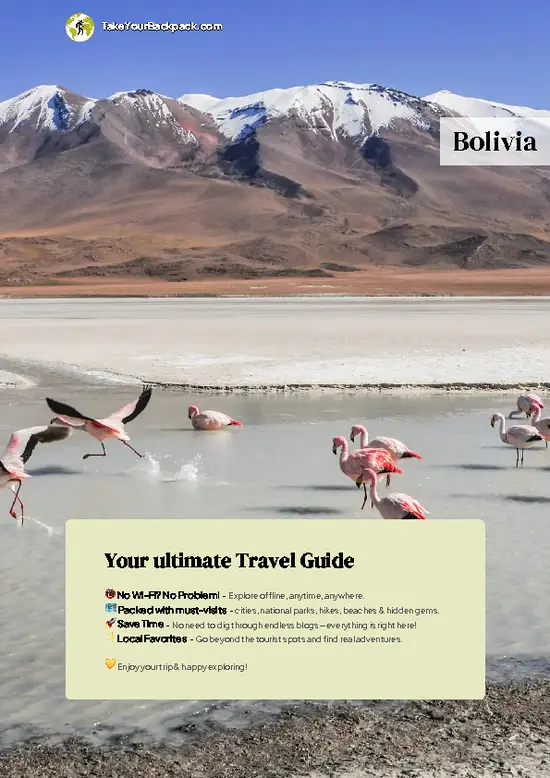
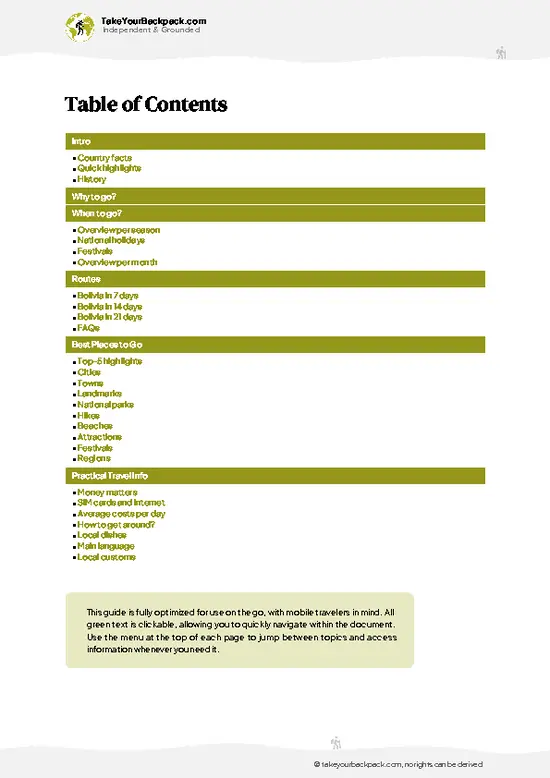
82 ranked highlights, routes & tips, works offline (350 pages)
Loading the map 🌍
CLICK TO FILTER
cities
towns
landmarks
national parks
hikes
beaches
attractions
festivals
regions
SHOW COUNTRY’S BESTSHOW ALL

✨ Why go?
Ranked #6 town in Bolivia
What sets this place apart

Coroico is a backpacker’s haven nestled in the lush Yungas region, serving as a crucial waypoint for those exploring Bolivia. The convenience of its location makes it a prime base for nearby hikes, like the stunning Choro Trail, where the air is thick with the scent of eucalyptus and the sound of rustling leaves. You’ll find small-scale hostels and guesthouses that offer a cozy, communal vibe, perfect for solo travelers or small groups looking to swap stories over a hearty meal. The walkable streets invite you to explore local markets, where the aroma of fresh empanadas fills the air, and the friendly locals greet you with warm smiles.

Backpackers often linger here for a few days, soaking in the laid-back atmosphere that encourages relaxation and connection. It’s not a party town, but rather … read more 👉
Coroico is a backpacker’s haven nestled in the lush Yungas region, serving as a crucial waypoint for those exploring Bolivia. The convenience of its location makes it a prime base for nearby hikes, like the stunning Choro Trail, where the air is thick with the scent of eucalyptus and the sound of rustling leaves. You’ll find small-scale hostels and guesthouses that offer a cozy, communal vibe, perfect for solo travelers or small groups looking to swap stories over a hearty meal. The walkable streets invite you to explore local markets, where the aroma of fresh empanadas fills the air, and the friendly locals greet you with warm smiles.

Backpackers often linger here for a few days, soaking in the laid-back atmosphere that encourages relaxation and connection. It’s not a party town, but rather a place where slow travelers can recharge before heading to the next adventure. Whether you’re hiking, enjoying the local cuisine, or simply soaking in the views, Coroico offers a meaningful pause in your journey, making it a worthwhile stop on your Bolivian trek.
Want to include Coroico in your Bolivia route?
Create a personalized Bolivia itinerary that includes Coroico and the places that fit your trip — based on your travel style, budget, and available time. Get your route in seconds.

Generate my trip

💡 HighlightsWhat this place is best known for

  • Plaza Principal (Main Square) — The town’s heartbeat: shady benches, vendors, kids playing, and a good spot to watch everyday Coroico life and people-watch over a cheap coffee.
  • Parish Church beside the plaza — Modest but atmospheric; the church architecture and the ritual rhythms you’ll see during mass give a real feel for local religious life.
  • Mercado Municipal (Local Market) — Colorful stalls of fruit, yuca and coca leaves, plus cheap snacks; the most authentic place to try local Yungueño food and chat with vendors.
  • Death Road (North Yungas) finish / mountain-bike hub — The downhill bike trips end here, and the vibe is all adventure travel: bike shops, guides, and a sense of accomplishment when riders arrive.
  • Río Coroico and the balnearios — The river runs through town and locals use
read more 👉
  • Plaza Principal (Main Square) — The town’s heartbeat: shady benches, vendors, kids playing, and a good spot to watch everyday Coroico life and people-watch over a cheap coffee.
  • Parish Church beside the plaza — Modest but atmospheric; the church architecture and the ritual rhythms you’ll see during mass give a real feel for local religious life.
  • Mercado Municipal (Local Market) — Colorful stalls of fruit, yuca and coca leaves, plus cheap snacks; the most authentic place to try local Yungueño food and chat with vendors.
  • Death Road (North Yungas) finish / mountain-bike hub — The downhill bike trips end here, and the vibe is all adventure travel: bike shops, guides, and a sense of accomplishment when riders arrive.
  • Río Coroico and the balnearios — The river runs through town and locals use the natural pools and riverbanks to cool off; it’s simple, scenic, and a social spot on hot afternoons.
  • Town mirador / lookout — A short walk up from the center takes you to a viewpoint with sweeping views of the Yungas valleys and coffee orchards; sunrise or late afternoon light is especially nice.
  • Nearby town cascades and little waterfalls — Short, accessible trails from the edge of town lead to small but pretty falls and plunge pools—great for a quick nature break without leaving Coroico’s limits.
  • Coca and coffee farm visits that start in town — Small, locally run tours (often leaving from the plaza) explain coca’s cultural role and show coffee processing—hands-on and culturally revealing.
  • Casa de la Cultura / municipal cultural events — Check for rotating exhibits, community performances or festivals; it’s where local history and contemporary culture surface in town.
  • Artisan stalls and family-run eateries — Little workshops and home kitchens scattered around the center offer handmade goods and genuine Yungueño dishes—skip the tourist restaurants and sit where the locals eat.
A few great day-trip options just outside Coroico are the cloud-forest hikes in Cotapata National Park, the nearby Yungas town of Chulumani, and larger cascade circuits up the valley — my personal favorite for a day trip is Cotapata for its trails and biodiversity.
Spotted a mistake or missing something? Contact us.

Things to do near Coroico

Ratings based on Tripadvisor reviews. When you book through this link, you support our work at no extra cost to you.

🏘️ NeighborhoodsWhere things are and how it's laid out

Coroico is a vibrant hub for backpackers, nestled in the Yungas region of Bolivia. Its lush landscapes and laid-back vibe make it a perfect base for exploring the surrounding mountains and valleys. Here’s how to navigate its neighborhoods:

Centro: This is the heart of Coroico. You’ll find a mix of budget hostels and local eateries. The streets are alive with the chatter of locals and the aroma of street food. It’s walkable, making it easy to explore shops and cafes. Nightlife is low-key, with a few bars offering live music. Perfect for short stays, as you can soak in the local culture quickly.

La Senda: A bit quieter, La Senda is ideal for those seeking peace. It’s a short walk from Centro but feels worlds apart. Here, you’ll find charming guesthouses with stunning views. The vibe is relaxed, … read more 👉
Coroico is a vibrant hub for backpackers, nestled in the Yungas region of Bolivia. Its lush landscapes and laid-back vibe make it a perfect base for exploring the surrounding mountains and valleys. Here’s how to navigate its neighborhoods:

Centro: This is the heart of Coroico. You’ll find a mix of budget hostels and local eateries. The streets are alive with the chatter of locals and the aroma of street food. It’s walkable, making it easy to explore shops and cafes. Nightlife is low-key, with a few bars offering live music. Perfect for short stays, as you can soak in the local culture quickly.

La Senda: A bit quieter, La Senda is ideal for those seeking peace. It’s a short walk from Centro but feels worlds apart. Here, you’ll find charming guesthouses with stunning views. The vibe is relaxed, perfect for longer stays where you can unwind and enjoy nature. Transport options are limited, so plan to walk or rent a bike.

El Alto: This area offers a more local experience, with fewer tourists. It’s less walkable, but the views are breathtaking. The cost of accommodation is lower, making it a budget-friendly option. Nightlife is almost non-existent, but you’ll get a taste of authentic Bolivian life. Great for those wanting to immerse themselves in the culture for a while.

⌛️ 1 daySeeing the highlights in 24 hours

Coroico, a charming town perched in the Yungas region of Bolivia, offers a refreshing escape from the hustle of La Paz. With its lush green hills and vibrant local culture, it’s a place where the air feels lighter and the pace slows down. The scent of fresh coffee wafts through the streets, inviting you to explore.

Start your morning with a stroll through the town’s main square, Plaza 10 de Noviembre. The sun filters through the trees, casting playful shadows on the cobblestones. Grab a breakfast of *salteñas* from a local vendor—these savory pastries are a must-try. As you savor each bite, take in the lively atmosphere; locals gather here, sharing stories and laughter.

After breakfast, head to the nearby *Mirador de la Cruz*. The hike is steep but rewarding. As you ascend, the views of … read more 👉
Coroico, a charming town perched in the Yungas region of Bolivia, offers a refreshing escape from the hustle of La Paz. With its lush green hills and vibrant local culture, it’s a place where the air feels lighter and the pace slows down. The scent of fresh coffee wafts through the streets, inviting you to explore.

Start your morning with a stroll through the town’s main square, Plaza 10 de Noviembre. The sun filters through the trees, casting playful shadows on the cobblestones. Grab a breakfast of *salteñas* from a local vendor—these savory pastries are a must-try. As you savor each bite, take in the lively atmosphere; locals gather here, sharing stories and laughter.

After breakfast, head to the nearby *Mirador de la Cruz*. The hike is steep but rewarding. As you ascend, the views of the lush valleys below unfold like a vibrant painting. The air is crisp, and the sounds of nature surround you. Once at the top, the panoramic view is a perfect moment to catch your breath and snap a few photos.

In the afternoon, wander through the *San Juan* neighborhood, where you’ll find colorful murals and friendly locals. Visit the *Café del Mundo*, a cozy spot not on the usual tourist radar. Here, you can sip on locally sourced coffee while chatting with the owner about the region’s coffee culture. It’s a genuine experience that connects you to the heart of Coroico.

As evening approaches, make your way to the *Cerro de la Cruz* for sunset. The sky transforms into a canvas of oranges and purples, and the town below glows softly. For dinner, try *El Jardín*, where the ambiance is as delightful as the food. The grilled trout is a local favorite, and the fresh ingredients make it a standout.

Coroico isn’t just a stopover; it’s a place to breathe, connect, and savor the simple joys of life.
Turn your Coroico visit into an Bolivia adventure
Build a complete Bolivia route with Coroico, hidden gems, must-see destinations, and realistic travel times included.

Generate my trip

🌤️ When to go?Choosing the right time of year


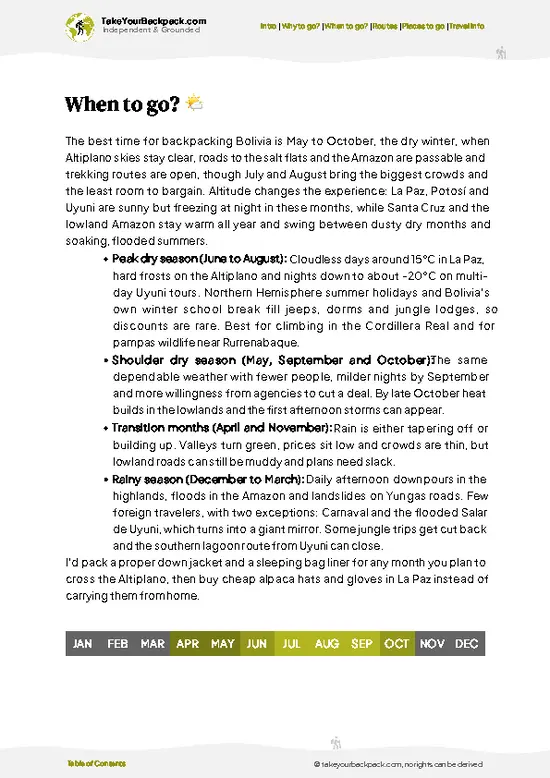
  • Weather: Coroico sits in the Yungas, where the wet season runs from November to March. Expect heavy, humid rains that turn trails into slippery mudslides. The dry season, May to October, offers clearer skies and manageable humidity, making trekking and exploring far more enjoyable.

  • Temperature: Temperatures hover between 18-25°C (64-77°F) year-round, but the dry season brings cooler nights and less oppressive daytime heat. This balance means you can hike without overheating or freezing, a rare sweet spot in tropical zones.

  • Daylight Hours: Near the equator, daylight is steady—about 12 hours year-round. This consistency lets you plan early starts and late returns without worrying about sudden darkness.

  • Crowds: The dry season draws more backpackers, especially July and August, when South
read more 👉

  • Weather: Coroico sits in the Yungas, where the wet season runs from November to March. Expect heavy, humid rains that turn trails into slippery mudslides. The dry season, May to October, offers clearer skies and manageable humidity, making trekking and exploring far more enjoyable.

  • Temperature: Temperatures hover between 18-25°C (64-77°F) year-round, but the dry season brings cooler nights and less oppressive daytime heat. This balance means you can hike without overheating or freezing, a rare sweet spot in tropical zones.

  • Daylight Hours: Near the equator, daylight is steady—about 12 hours year-round. This consistency lets you plan early starts and late returns without worrying about sudden darkness.

  • Crowds: The dry season draws more backpackers, especially July and August, when South American travelers flock here. If you want solitude, aim for shoulder months like April or October, when the vibe is quieter but the weather still cooperates.

  • Seasonal Activities: Dry months are prime for hiking the Death Road or visiting waterfalls. Wet months limit these options but bring lush greenery and fewer tourists, perfect for photographers chasing vibrant jungle scenes.

  • Price Fluctuations: Expect higher prices for lodging and tours during peak dry season. Booking ahead can save you a premium. Off-season offers better deals but fewer services open, so weigh cost against convenience.


Pro-tip: Visit in late April or early October to catch the best mix of manageable weather, fewer crowds, and wallet-friendly prices—plus, the jungle’s colors pop after the rains without the mud battles.


source: climatestotravel.comJANJanuary: fair for travelingFEBFebruary: fair for travelingMARMarch: fair for travelingAPRApril: highly recommended for travelingMAYMay: excellent for travelingJUNJune: excellent for travelingJULJuly: excellent for travelingAUGAugust: excellent for travelingSEPSeptember: excellent for travelingOCTOctober: highly recommended for travelingNOVNovember: fair for travelingDECDecember: fair for traveling
bolivia-city-coroico
© Google | Matias Villagra

✈️ The backpacker research shortcutBolivia Travel Guide

An offline-friendly backpacking guide with optimized travel routes, ranked highlights, transport advice, and the best areas to stay.
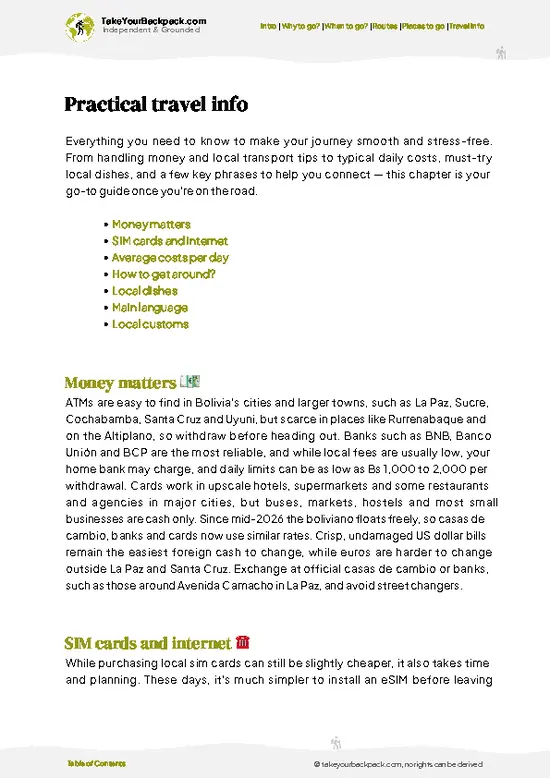
example page 0 from our offline Travel Guide for Boliviaexample page 1 from our offline Travel Guide for Boliviaexample page 2 from our offline Travel Guide for Boliviaexample page 3 from our offline Travel Guide for Boliviaexample page 4 from our offline Travel Guide for Boliviaexample page 5 from our offline Travel Guide for Boliviaexample page 6 from our offline Travel Guide for Boliviaexample page 7 from our offline Travel Guide for Bolivia
The digital guide (350 pages) contains:
82 highlights, ranked by travel appeal
Optimized 7, 14 & 21-day travel routes
Cities, national parks, landmarks, beaches
How to get around
Offline-friendly for travel without Wi-Fi
👉 Click to see all 30+ guide features

📅 Plan smarter in minutes, not weeks
Month by month travel advice
Festivals & national holidays
Budget expectations

🗺️ Go to the right places, skip the overrated ones
Honest pros & cons of destinations
Top hikes, parks & viewpoints
Lesser-known places most travelers miss
Clear “worth it vs skip it” guidance

🛏️ Travel smoothly without rookie mistakes
Best areas to stay
Transport systems explained simply
Common scams & safety advice
SIM cards, money & practical tips

🌍 Understand the country, not just visit it
Culture & traditions
52 Essential phrases & customs
Festivals worth planning around
Traveler-friendly historical context
Insights that make places more meaningful

📱 Built for real travel conditions
Fully downloadable PDF
Works completely offline
Optimized for phone use
Useful in remote areas & buses
Everything in one place
Save weeks of stressful planning
Get instant access to your full guide. 30‑day money-back guarantee.


By proceeding you agree to our terms.
Sent to your inbox immediately after payment • 100% Secure Checkout
Best Backpacking Travel Advisor 2025 tourism awardBest Backpacking
Travel Advisor
2025
What others say about Take Your Backpack Guides:
⭐⭐⭐⭐⭐
Fantastic, amazing amount of information!
⭐⭐⭐⭐⭐
My goodness this is amazing, it's what I've been looking for hats off too you!
⭐⭐⭐⭐⭐
I think this is absolutely BRILLIANT
⭐⭐⭐⭐
Very complete and informative. It's still missing places, but I gotta to commend you
⭐⭐⭐⭐⭐
This is truly amazing, thank you, can't wait to explore it with my kids!
⭐⭐⭐⭐⭐
Awesome resource, thank you!
⭐⭐⭐⭐⭐
This is amazing! Can't wait to explore the ones I haven't seen
⭐⭐⭐⭐
I love this! Well done, great idea.
⭐⭐⭐⭐⭐
Thanks for taking the time to make this gem!
⭐⭐⭐⭐⭐
This might be the best website I've ever seen.
⭐⭐⭐⭐⭐
Congratulations, and thank you so much for your work; it's incredibly valuable.
⭐⭐⭐⭐
In all seriousness I think you did a great job pointing out the important spots
⭐⭐⭐⭐⭐
10/10 very good
⭐⭐⭐⭐⭐
As someone who's only just starting to visit regularly this is awesome, thank you.
⭐⭐⭐⭐
Thank you very much! I'm going to visit my dad, it's going to be very useful!
⭐⭐⭐⭐⭐
This is really cool! We'll be travelling for the first time and this definitely come in handy.
⭐⭐⭐⭐⭐
You are now our minister of culture, congratulations 👨‍💼
⭐⭐⭐⭐⭐
Just wanted to tell you that this is a pearl! Going to follow your recommendations.
⭐⭐⭐⭐⭐
This is so cool. I'll definitely be using the resource for my travels soon.
⭐⭐⭐⭐⭐
This is very impressive! Good work.
⭐⭐⭐⭐⭐
This is an amazing and informative site. Very well done!

🛏️ Where to stay?How to pick the right area

Coroico’s heart for backpackers beats strongest around the central plaza and the nearby Calle Sucre. This area is your launchpad—safe, lively, and packed with hostels that cater to budget travelers and solo adventurers. The streets here hum with chatter and laughter well into the evening, making it easy to find a travel buddy or swap stories over a shared meal. The light filters through the canopy of trees shading the plaza, casting dappled patterns on the cobblestones, inviting you to linger.

Why settle here? Because it’s where the social pulse is. Hostels cluster close enough to walk between, … read more 👉
Coroico’s heart for backpackers beats strongest around the central plaza and the nearby Calle Sucre. This area is your launchpad—safe, lively, and packed with hostels that cater to budget travelers and solo adventurers. The streets here hum with chatter and laughter well into the evening, making it easy to find a travel buddy or swap stories over a shared meal. The light filters through the canopy of trees shading the plaza, casting dappled patterns on the cobblestones, inviting you to linger.

Why settle here? Because it’s where the social pulse is. Hostels cluster close enough to walk between, each offering a slightly different vibe but all welcoming and secure. You’ll find communal kitchens and common rooms buzzing with energy, perfect for planning your next hike or just soaking in the local rhythm. Compared to the quieter, more residential edges of town, this zone keeps you plugged into the action without the noise bleeding into your sleep.

Venturing beyond this hub means fewer hostel options and a more isolated feel. For a solo backpacker, that’s a trade-off you don’t want. Stick close to the plaza and Calle Sucre to unlock Coroico’s best blend of safety, social life, and budget-friendly comfort.

🚌 Getting aroundMoving around without the hassle

Coroico moves at the pace of the mountains that cradle it—unpredictable, alive, and a little wild. The air carries the scent of damp earth and pine, thick with the promise of rain or sun, depending on the hour. Time here isn’t measured by clocks but by the slow climb of the sun and the chatter of locals who know the rhythm of the steep streets and winding paths. You won’t find rigid schedules or polished timetables; instead, you’ll navigate a blend of intuition, local cues, and a bit of patience. This is a place where the journey is as much about soaking in the atmosphere as it is about getting from point A to B.

Walking: The heart of Coroico is best explored on foot. The steep, cobbled streets demand sturdy shoes, but walking lets you catch the scent of fresh coffee roasting, the chatter … read more 👉
Coroico moves at the pace of the mountains that cradle it—unpredictable, alive, and a little wild. The air carries the scent of damp earth and pine, thick with the promise of rain or sun, depending on the hour. Time here isn’t measured by clocks but by the slow climb of the sun and the chatter of locals who know the rhythm of the steep streets and winding paths. You won’t find rigid schedules or polished timetables; instead, you’ll navigate a blend of intuition, local cues, and a bit of patience. This is a place where the journey is as much about soaking in the atmosphere as it is about getting from point A to B.

Walking: The heart of Coroico is best explored on foot. The steep, cobbled streets demand sturdy shoes, but walking lets you catch the scent of fresh coffee roasting, the chatter of market vendors, and the sudden bursts of sunlight through the canopy. It’s free, flexible, and the only way to truly feel the town’s pulse.

Minibuses (Micros): These are the lifeblood of local transit, running roughly from 6:30 AM to 6 PM. They’re cheap—around 3-5 Bolivianos—and packed, often with locals balancing goods and chatter. Expect a bumpy, slow ride on narrow mountain roads, but it’s the authentic way to reach nearby villages or the main road to La Paz.

Shared Taxis: Faster and more comfortable than micros, shared taxis run on a loose schedule, leaving when full. They cost about 15-20 Bolivianos to La Paz and are your best bet if you want to save time without splurging on a private ride. The drivers know every twist and turn, but hold on tight—the roads demand respect.

Motorbike Taxis: For short hops within Coroico or to nearby viewpoints, motorbike taxis are quick and nimble. They’re affordable (5-10 Bolivianos) and perfect for squeezing through narrow alleys or steep paths where cars can’t go. The trade-off is exposure to the elements and a bit of adrenaline.

Private 4x4 Rentals: If you’re chasing flexibility and off-the-beaten-path adventures, renting a 4x4 is the way to go. It’s pricier—starting around 300 Bolivianos per day—but it lets you explore rugged trails and hidden waterfalls on your own schedule, turning the rough roads into part of the thrill rather than a hurdle.

Mastering Coroico’s transit means embracing its unpredictability and using it to your advantage. Walk to soak in the town’s soul, hop on a micro for local color, or grab a shared taxi when time presses. Each mode offers a different slice of life here, turning travel into a layered, sensory experience rather than just a point-to-point chore.

👛 Costs (as of 28 February 2026)Travel costs and budget guide for Coroico

Backpacking in Coroico, Bolivia, offers a raw, earthy vibe with costs that reflect its off-the-beaten-path charm. Here’s what you’ll realistically spend day-to-day as an independent traveler.
  • Dorm Accommodation: Expect to pay around $5 to $10 USD per night for a bed in a basic hostel dorm. These places are simple but clean, often with hammocks or shared bathrooms, and a chance to meet other travelers swapping stories over the hum of jungle sounds.
  • Meals: Local eateries serve up hearty plates for $2 to $5 USD. Think fresh fruit juices, fried plantains, and rice with chicken or fish. If you’re craving something a bit more substantial or international, small cafes might push closer to $7, but street food is where you’ll get the best flavor-to-cost ratio.
  • Local Transport: Getting around Coroico
read more 👉
Backpacking in Coroico, Bolivia, offers a raw, earthy vibe with costs that reflect its off-the-beaten-path charm. Here’s what you’ll realistically spend day-to-day as an independent traveler.
  • Dorm Accommodation: Expect to pay around $5 to $10 USD per night for a bed in a basic hostel dorm. These places are simple but clean, often with hammocks or shared bathrooms, and a chance to meet other travelers swapping stories over the hum of jungle sounds.
  • Meals: Local eateries serve up hearty plates for $2 to $5 USD. Think fresh fruit juices, fried plantains, and rice with chicken or fish. If you’re craving something a bit more substantial or international, small cafes might push closer to $7, but street food is where you’ll get the best flavor-to-cost ratio.
  • Local Transport: Getting around Coroico is cheap but a bit rough. Shared minibuses or moto-taxis cost about $0.50 to $1.50 per trip. The roads are often dusty and bumpy, so budget for a bit of extra time and patience when hopping between spots.
  • Basic Activities/Entry Fees: Most natural attractions like waterfalls or hiking trails have minimal or no entry fees, usually under $2. Guided tours or adventure activities like canopy tours or river rafting can run $15 to $30, but you can often negotiate or join group tours to lower the price.
  • Miscellaneous Expenses: This covers water, snacks, occasional coffee, or small souvenirs. Set aside about $2 to $5 daily. Bottled water is a must in the heat, and local markets offer fresh snacks that keep you fueled without breaking the bank.

All told, you’re looking at roughly $10 to $25 USD per day to live comfortably in Coroico without cutting corners. The trade-off is a slower pace and a chance to soak in the humid air, the scent of wet earth, and the vibrant chatter of a town that feels like a gateway to wild Bolivia. It’s not polished, but that’s exactly the point.
⚠️ Prices can change and everyone travels differently, so take this as a rough guide. Hope it helps you plan your adventure!

🚌 Day tripsExploring the surroundings

Coroico is a backpacker’s dream base, offering a gateway to stunning landscapes and rich culture. The town itself is a charming mix of vibrant markets and lush hills, but the real magic lies in the day trips waiting just outside its borders.

Death Road Adventure
This isn’t just a ride; it’s a pulse-quickening journey down one of the world’s most notorious roads. You’ll start with a van ride from Coroico, which takes about an hour to reach the top. The thrill of biking down the narrow, winding path surrounded by breathtaking cliffs is unmatched. Expect to pay around $30 for a guided tour, which includes gear and lunch. The best time to go is during the dry season, from May to October, when the views are clear and the roads are less slippery. A common mistake? Skipping the safety briefing—trust … read more 👉
Coroico is a backpacker’s dream base, offering a gateway to stunning landscapes and rich culture. The town itself is a charming mix of vibrant markets and lush hills, but the real magic lies in the day trips waiting just outside its borders.

Death Road Adventure
This isn’t just a ride; it’s a pulse-quickening journey down one of the world’s most notorious roads. You’ll start with a van ride from Coroico, which takes about an hour to reach the top. The thrill of biking down the narrow, winding path surrounded by breathtaking cliffs is unmatched. Expect to pay around $30 for a guided tour, which includes gear and lunch. The best time to go is during the dry season, from May to October, when the views are clear and the roads are less slippery. A common mistake? Skipping the safety briefing—trust me, you’ll want to hear those tips.


La Senda Verde
For a more laid-back day, head to La Senda Verde, an animal sanctuary just a short 30-minute drive from Coroico. Here, you can spend the day hiking through lush greenery while learning about the rescued animals. Entry is about $10, and you can grab a meal at their café for a few extra bucks. The best time to visit is in the morning when the animals are most active. Many first-timers overlook the importance of bringing a refillable water bottle—stay hydrated while you explore!


Chacaltaya Glacier
If you’re up for a bit of altitude, Chacaltaya Glacier is a must. It’s about a two-hour drive from Coroico, but the views from the top are worth every minute. You can hike or take a short walk to the summit, where you’ll be rewarded with panoramic vistas of the Andes. Budget around $20 for transport and snacks. The best time to go is early in the day to avoid afternoon clouds. A rookie mistake? Underestimating the cold—bring layers, even if it’s warm in Coroico.


Yungas Road Hike
For those who prefer to stretch their legs, the Yungas Road hike is a fantastic option. This trek offers stunning views of the lush Yungas region and is typically a half-day adventure. It’s about an hour’s drive to the trailhead, and you can do it for around $15, including transport. The dry season is ideal for this hike, as the trails can get muddy during the rainy months. Many newcomers forget to pack snacks—trust me, you’ll want that energy boost halfway through!
Want to know what more Bolivia offers?
The Bolivia Travel Guide describes 82 highlights, from cities to national parks, from beaches to hikes

Get the Travel Guide -

🛡️ SafetySafety Tips and Common Scams in Coroico

Coroico is generally safe, but a few practical tips can enhance your experience. The main square is lively, but keep an eye on your belongings, especially during busy festivals. When wandering the narrow streets, stay aware of your surroundings; it’s easy to get lost in the charm, but a distracted traveler can attract unwanted attention.

Solo travelers should avoid walking alone after dark. The atmosphere shifts; the vibrant energy of the day gives way to quieter, shadowy corners. If you’re out late, stick to well-lit areas and consider sharing a taxi back to your accommodation.

Scams are rare, but be cautious with street vendors. If a deal seems too good to be true, it probably is. Always negotiate prices upfront, especially for transport. Carry yourself confidently; a relaxed demeanor … read more 👉
Coroico is generally safe, but a few practical tips can enhance your experience. The main square is lively, but keep an eye on your belongings, especially during busy festivals. When wandering the narrow streets, stay aware of your surroundings; it’s easy to get lost in the charm, but a distracted traveler can attract unwanted attention.

Solo travelers should avoid walking alone after dark. The atmosphere shifts; the vibrant energy of the day gives way to quieter, shadowy corners. If you’re out late, stick to well-lit areas and consider sharing a taxi back to your accommodation.

Scams are rare, but be cautious with street vendors. If a deal seems too good to be true, it probably is. Always negotiate prices upfront, especially for transport. Carry yourself confidently; a relaxed demeanor can deter potential annoyances. Embrace the local vibe, and you’ll find Coroico welcoming, with its beauty earned through mindful exploration.

Other Bolivian towns near Coroico

Explore more nearby:

  • Caranavi—coffee region, Yungas foothills, cloud forest| 44 km away
  • Viacha—altiplano town, industrial plants, Aymara culture| 78 km away
  • Quime—cloud forest edge, mining past, mountain views| 103 km away

💡 Not sure where to go next?
Create a personalized itinerary for Bolivia including Coroico and the places that fit your trip.

Generate my itinerary

👉 Discover all towns

Or checkout all Bolivia has to offer (think cities, towns, villages, national parks, hikes, beaches, festivals)
Country photo of Bolivia

We 💚 feedbackSumming up the experience

Coroico is a slice of paradise, where the air is thick with the scent of eucalyptus and the views stretch endlessly over lush valleys. You’ll feel like you’ve stepped into a postcard. But be ready for the altitude; it can hit hard. Take it slow, sip some coca tea, and let your body adjust. The payoff? Those breathtaking hikes and vibrant local markets make every breath worth it.

✈️ When did I visit Bolivia?
Bolivia I visited during my half year trip through South and Central America back in 2003

✍️ Help improve this page!
The information on this page is based on my own backpacking experience in Bolivia, supplemented with up-to-date research and feedback from other travelers. Travel details can change, so if you notice anything outdated or incomplete, feel free to let me know.


🙋‍♂️ Give feedback

👋 Meet the founderWho’s Behind Take Your Backpack?

Johan, backpacker and founder of TakeYourBackpackHi, I’m Johan (Netherlands 🇳🇱), the creator of TakeYourBackpack. Over the past decade, I’ve backpacked through 80+ countries across six continents, gaining extensive experience with independent travel, long-term trips, and overland routes.

This site is built on a combination of firsthand travel experience and carefully curated insights from other backpackers. Many guides are based on places I’ve personally visited, while others bring together tips, observations, and practical advice shared by trusted travelers I’ve met along the way.

The goal is to provide realistic, experience-driven guidance — not generic itineraries — so you can explore destinations with better context, clearer expectations, and more confidence.

Get full Bolivia guide •
Instant download • 82 highlights • Full Offline guide