×

Bolivia🇧🇴 | landmarksEl Fuerte de Samaipatapre-Columbian ruins, carved rock, jungle edge | things to do and best time to go

Explore Cerro RicoExplore Lago Poopó

Backpacking in El Fuerte de Samaipata
👍 Recommendedunique site ranked #5
By Johan Kruseman 🇳🇱 | Updated May 25, 2026

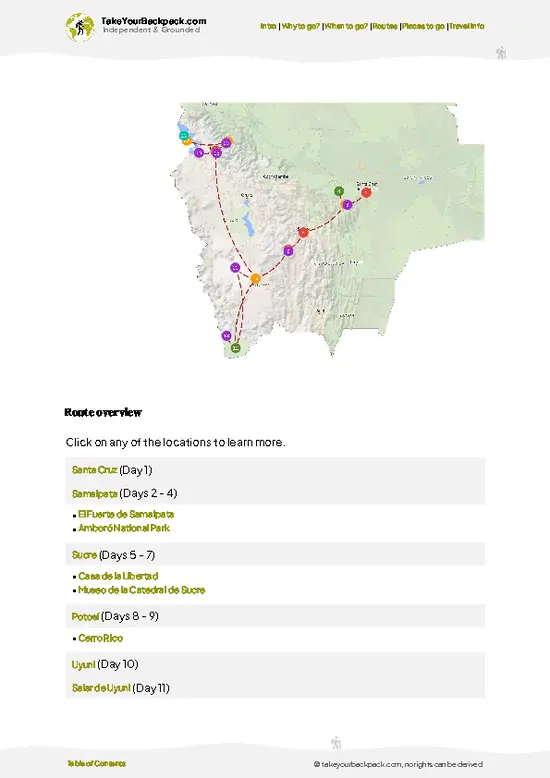
Your boots scrape over warm, rust-red stone, and your fingers trace shallow grooves carved by hands that worked here before Europe even knew this continent existed. Wind pushes up from the valley carrying dry grass, eucalyptus, and the faint rumble of a moto-taxi far below. This is El Fuerte de Samaipata, high above the small town of Samaipata in the eastern foothills of Bolivia’s Andes, a few hours from Santa Cruz.

It’s not Machu Picchu, and that’s the point. The “wow” here is quieter: one enormous carved rock, pre-Inca and Inca layers, jaguar and serpent motifs, and a sense that you’re walking on an altar, not through a theme park. It’s cheap by global standards, but transport can be a hassle and there’s almost no shade. Crowds are light, facilities basic, and photos are more about mood than postcard drama. I’ve had whole sections to myself, just me, the wind, and a very long timeline.

Discover everything you want to know in the 📖 Bolivia Travel Guide.


Get your Bolivia guide
82 ranked highlights, routes & tips, works offline (350 pages)
Loading the map 🌍
CLICK TO FILTER
cities
towns
landmarks
national parks
hikes
beaches
attractions
festivals
regions
SHOW COUNTRY’S BESTSHOW ALL

✨ Why go?
Ranked #5 unique site in Bolivia
What makes this unique site worth visiting

El Fuerte de Samaipata is not just another stop on your Bolivian adventure; it’s a must-see that packs a punch. Sure, it’s popular, and yes, you’ll share the space with other travelers, but the history and mystique here are worth the hustle. This ancient site, once a ceremonial center, is a blend of Incan and pre-Incan cultures, making it a fascinating tapestry of human history.

Getting there is a breeze. A quick bus ride from Santa Cruz, and you’re in the lush hills of Samaipata, where the cost is a mere fraction of what you’d pay at other tourist traps. The entrance fee is low, and the views from the site are nothing short of breathtaking.

What makes it special? The carved stone structures and the surrounding landscape create a sense of connection to the past that’s hard to find elsewhere. … read more 👉
El Fuerte de Samaipata is not just another stop on your Bolivian adventure; it’s a must-see that packs a punch. Sure, it’s popular, and yes, you’ll share the space with other travelers, but the history and mystique here are worth the hustle. This ancient site, once a ceremonial center, is a blend of Incan and pre-Incan cultures, making it a fascinating tapestry of human history.

Getting there is a breeze. A quick bus ride from Santa Cruz, and you’re in the lush hills of Samaipata, where the cost is a mere fraction of what you’d pay at other tourist traps. The entrance fee is low, and the views from the site are nothing short of breathtaking.

What makes it special? The carved stone structures and the surrounding landscape create a sense of connection to the past that’s hard to find elsewhere. Plus, it fits perfectly into a broader route through Bolivia, allowing you to explore nearby waterfalls and charming villages. Don’t just check it off your list; soak in the authenticity of this incredible landmark.
Want to include El Fuerte de Samaipata in your Bolivia route?
Create a personalized Bolivia itinerary that includes El Fuerte de Samaipata and the places that fit your trip — based on your travel style, budget, and available time. Get your route in seconds.

Generate my trip

💡 HighlightsDon't-miss highlights and experiences

  • The Great Sculptured Rock (El Fuerte) — The massive sandstone slab covered in shallow reliefs is the showstopper: animal figures, geometric motifs and niches carved into one continuous surface. It’s the centerpiece that gives the whole complex its mystery and makes the site UNESCO-listed. (Personal favorite — it’s strangely hypnotic to sit on and trace the carvings.)
  • Carved Channels, Basins and Waterworks — A network of grooves, channels and cup-like basins cut into the rock that once directed water for rituals or offerings. Seeing rainwater pool in them helps you imagine ceremonial use; the micro-engineering is surprisingly sophisticated for an open-air shrine.
  • The Inca Plaza and Terraces — Remains of a formal plaza and terracing added during the Inca occupation. The straight edges and
read more 👉
  • The Great Sculptured Rock (El Fuerte) — The massive sandstone slab covered in shallow reliefs is the showstopper: animal figures, geometric motifs and niches carved into one continuous surface. It’s the centerpiece that gives the whole complex its mystery and makes the site UNESCO-listed. (Personal favorite — it’s strangely hypnotic to sit on and trace the carvings.)
  • Carved Channels, Basins and Waterworks — A network of grooves, channels and cup-like basins cut into the rock that once directed water for rituals or offerings. Seeing rainwater pool in them helps you imagine ceremonial use; the micro-engineering is surprisingly sophisticated for an open-air shrine.
  • The Inca Plaza and Terraces — Remains of a formal plaza and terracing added during the Inca occupation. The straight edges and layout contrast with the organic carving on the main rock and show how different cultures reused the same sacred spot.
  • Petroglyph Panels and Smaller Carvings — Around the main slab are dozens of smaller panels and motifs, some much older (Chané or pre-Inca). They’re less dramatic individually but add scale and time-depth — it’s a timeline etched in stone.
  • Possible Astronomical Alignments — Some channels and motifs line up with sunrise/sunset points and seasonal light patterns. It’s not a fully deciphered observatory, but watching how light plays across the carvings at different times is a neat low-tech show.
  • Viewpoints over the Valley and Amboró Foothills — Walk out to the edge for wide-open views of the surrounding valleys and forested hills. The contrast — intricate stonework under a huge sky — is what makes Samaipata feel both intimate and epic.
  • Contextual Layers: Chané, Inca and Spanish Traces — The site is unique because it’s not a single culture’s monument but a palimpsest: pre-Columbian ritual use, Inca reworking and later European contact. Understanding that overlap turns a nice rock into a history lesson you can actually walk around.
Spotted a mistake or missing something? Contact us.

Things to do near El Fuerte de Samaipata

Ratings based on Tripadvisor reviews. When you book through this link, you support our work at no extra cost to you.

🌤️ When to go?Choosing the right time of year


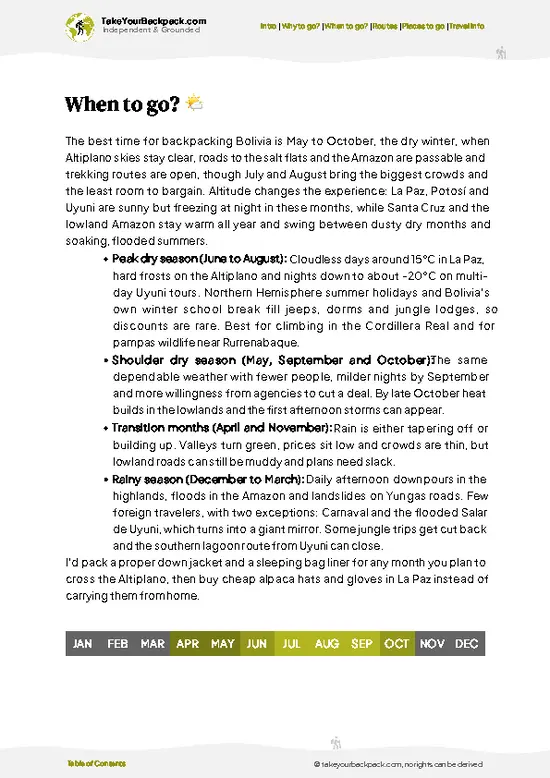
  • Weather: The dry season from May to October is your best bet. Expect clear skies and minimal rain, which means the rock carvings and ruins stay accessible and safe. The wet season (November to March) can turn trails into mud traps and obscure views with fog.

  • Temperature: Days hover around 20-25°C (68-77°F) during dry months—perfect for hiking without overheating. Nights drop to 5-10°C (41-50°F), so pack layers. Wet season temps are slightly warmer but come with humidity and rain.

  • Daylight Hours: Roughly 11-12 hours year-round, but the dry season offers more consistent sunny mornings. That means more reliable daylight for exploring without rushing.

  • Crowds: Peak tourist influx hits July and August, especially around local holidays. If you want elbow room and a quieter vibe, aim for
read more 👉

  • Weather: The dry season from May to October is your best bet. Expect clear skies and minimal rain, which means the rock carvings and ruins stay accessible and safe. The wet season (November to March) can turn trails into mud traps and obscure views with fog.

  • Temperature: Days hover around 20-25°C (68-77°F) during dry months—perfect for hiking without overheating. Nights drop to 5-10°C (41-50°F), so pack layers. Wet season temps are slightly warmer but come with humidity and rain.

  • Daylight Hours: Roughly 11-12 hours year-round, but the dry season offers more consistent sunny mornings. That means more reliable daylight for exploring without rushing.

  • Crowds: Peak tourist influx hits July and August, especially around local holidays. If you want elbow room and a quieter vibe, aim for shoulder months like May or September.

  • Seasonal Activities: Dry season lets you fully appreciate the archaeological site and nearby hiking trails. Wet season brings lush greenery but limits access to some paths and can dampen the experience.

  • Price Fluctuations: Expect higher prices for lodging and tours during peak months (July-August). Booking in shoulder seasons can save you a decent chunk without sacrificing much in experience.


Pro-tip: Visit in late May or early September—weather’s solid, crowds thin, and prices dip. You get the magic without the hassle.


source: climatestotravel.comJANJanuary: fair for travelingFEBFebruary: fair for travelingMARMarch: fair for travelingAPRApril: good for travelingMAYMay: highly recommended for travelingJUNJune: excellent for travelingJULJuly: highly recommended for travelingAUGAugust: highly recommended for travelingSEPSeptember: highly recommended for travelingOCTOctober: excellent for travelingNOVNovember: fair for travelingDECDecember: fair for traveling

✈️ The backpacker research shortcutBolivia Travel Guide

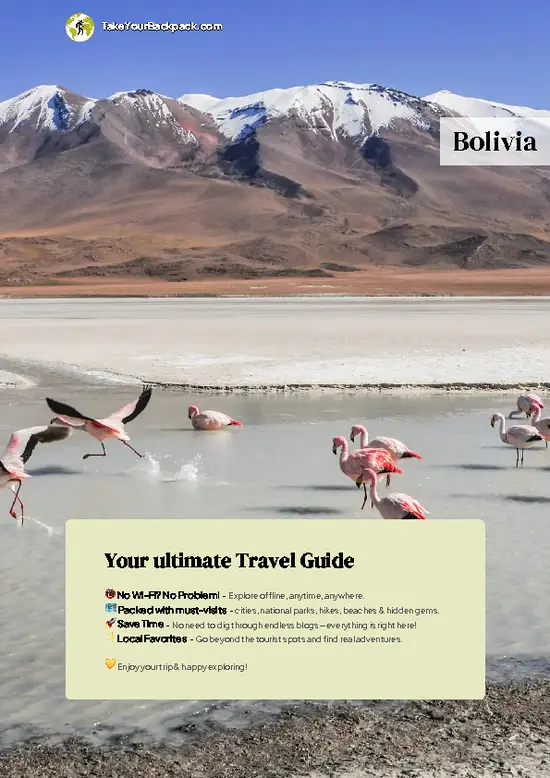
An offline-friendly backpacking guide with optimized travel routes, ranked highlights, transport advice, and the best areas to stay.
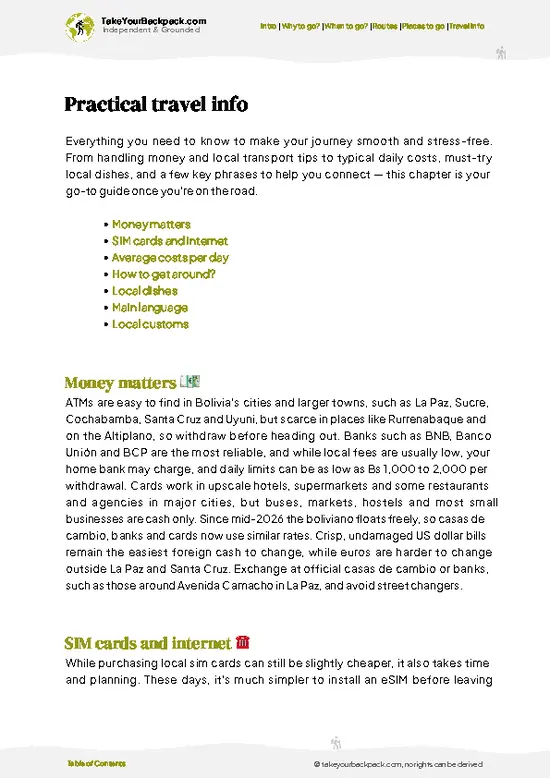
example page 0 from our offline Travel Guide for Bolivia
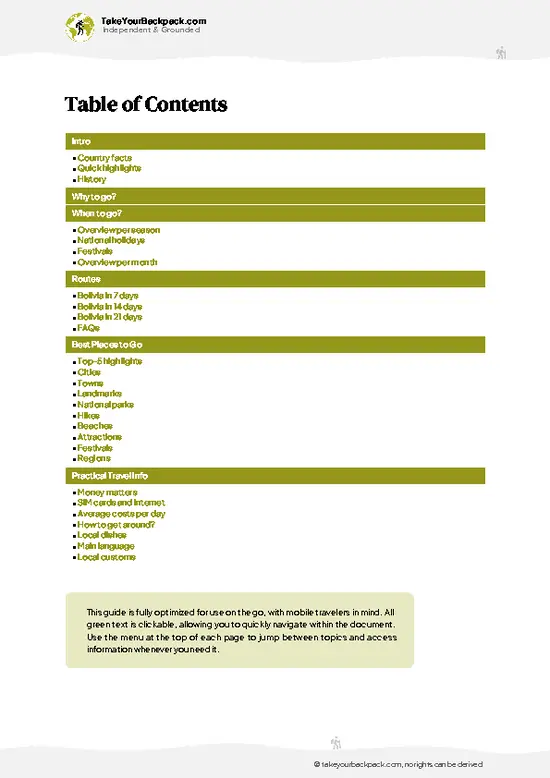
example page 1 from our offline Travel Guide for Bolivia
example page 2 from our offline Travel Guide for Bolivia
example page 3 from our offline Travel Guide for Bolivia
example page 4 from our offline Travel Guide for Bolivia
example page 5 from our offline Travel Guide for Bolivia
example page 6 from our offline Travel Guide for Bolivia
example page 7 from our offline Travel Guide for Bolivia
The digital guide (350 pages) contains:
82 highlights, ranked by travel appeal
Optimized 7, 14 & 21-day travel routes
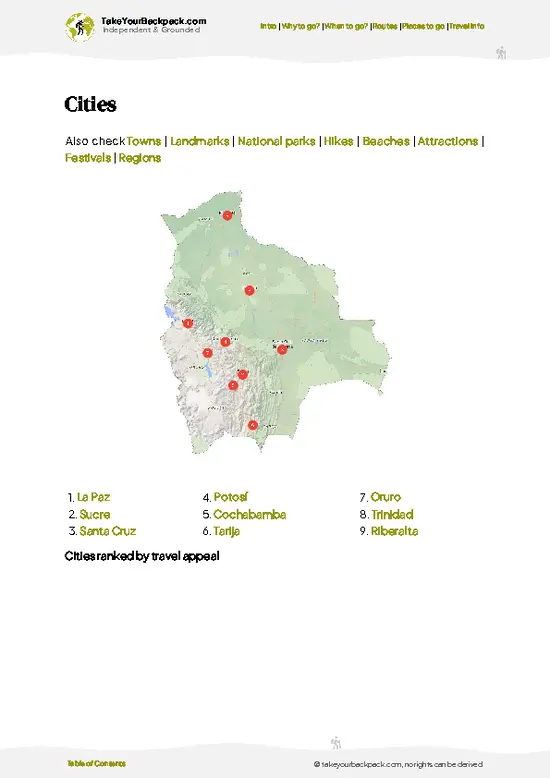
Cities, national parks, landmarks, beaches
How to get around
Offline-friendly for travel without Wi-Fi
👉 Click to see all 30+ guide features

📅 Plan smarter in minutes, not weeks
Month by month travel advice
Festivals & national holidays
Budget expectations

🗺️ Go to the right places, skip the overrated ones
Honest pros & cons of destinations
Top hikes, parks & viewpoints
Lesser-known places most travelers miss
Clear “worth it vs skip it” guidance

🛏️ Travel smoothly without rookie mistakes
Best areas to stay
Transport systems explained simply
Common scams & safety advice
SIM cards, money & practical tips

🌍 Understand the country, not just visit it
Culture & traditions
52 Essential phrases & customs
Festivals worth planning around
Traveler-friendly historical context
Insights that make places more meaningful

📱 Built for real travel conditions
Fully downloadable PDF
Works completely offline
Optimized for phone use
Useful in remote areas & buses
Everything in one place
Save weeks of stressful planning
Get instant access to your full guide. 30‑day money-back guarantee.


By proceeding you agree to our terms.
Sent to your inbox immediately after payment • 100% Secure Checkout
Best Backpacking Travel Advisor 2025 tourism awardBest Backpacking
Travel Advisor
2025
What others say about Take Your Backpack Guides:
⭐⭐⭐⭐⭐
Fantastic, amazing amount of information!
⭐⭐⭐⭐⭐
My goodness this is amazing, it's what I've been looking for hats off too you!
⭐⭐⭐⭐⭐
I think this is absolutely BRILLIANT
⭐⭐⭐⭐
Very complete and informative. It's still missing places, but I gotta to commend you
⭐⭐⭐⭐⭐
This is truly amazing, thank you, can't wait to explore it with my kids!
⭐⭐⭐⭐⭐
Awesome resource, thank you!
⭐⭐⭐⭐⭐
This is amazing! Can't wait to explore the ones I haven't seen
⭐⭐⭐⭐
I love this! Well done, great idea.
⭐⭐⭐⭐⭐
Thanks for taking the time to make this gem!
⭐⭐⭐⭐⭐
This might be the best website I've ever seen.
⭐⭐⭐⭐⭐
Congratulations, and thank you so much for your work; it's incredibly valuable.
⭐⭐⭐⭐
In all seriousness I think you did a great job pointing out the important spots
⭐⭐⭐⭐⭐
10/10 very good
⭐⭐⭐⭐⭐
As someone who's only just starting to visit regularly this is awesome, thank you.
⭐⭐⭐⭐
Thank you very much! I'm going to visit my dad, it's going to be very useful!
⭐⭐⭐⭐⭐
This is really cool! We'll be travelling for the first time and this definitely come in handy.
⭐⭐⭐⭐⭐
You are now our minister of culture, congratulations 👨‍💼
⭐⭐⭐⭐⭐
Just wanted to tell you that this is a pearl! Going to follow your recommendations.
⭐⭐⭐⭐⭐
This is so cool. I'll definitely be using the resource for my travels soon.
⭐⭐⭐⭐⭐
This is very impressive! Good work.
⭐⭐⭐⭐⭐
This is an amazing and informative site. Very well done!

🛏️ Where to stay?How to pick the right area

Staying near El Fuerte de Samaipata? You’ve got options, but let’s cut through the fluff. The area around the site is a mix of charm and chaos, and that’s where the real magic happens.

First up, the town of Samaipata itself. It’s small but vibrant, with a laid-back vibe that attracts backpackers. You’ll find hostels and guesthouses that cater to budget travelers. The social scene is alive here. Grab a local beer and swap stories with fellow adventurers. Just be ready for the occasional crowd, especially during peak seasons.

Then there’s the surrounding countryside. Look for eco-lodges or campsites … read more 👉
Staying near El Fuerte de Samaipata? You’ve got options, but let’s cut through the fluff. The area around the site is a mix of charm and chaos, and that’s where the real magic happens.

First up, the town of Samaipata itself. It’s small but vibrant, with a laid-back vibe that attracts backpackers. You’ll find hostels and guesthouses that cater to budget travelers. The social scene is alive here. Grab a local beer and swap stories with fellow adventurers. Just be ready for the occasional crowd, especially during peak seasons.

Then there’s the surrounding countryside. Look for eco-lodges or campsites a bit off the beaten path. These spots offer stunning views and a chance to connect with nature. You might even stumble upon a local family cooking up traditional meals. That’s the kind of experience you won’t find on Instagram.

Safety is generally good, but keep your wits about you. Stick to well-lit areas at night and trust your instincts. The journey to El Fuerte is worth it, but the real treasures lie in the connections you make along the way.

👛 Costs (as of 13 February 2026)Travel costs and budget guide for El Fuerte de Samaipata

Visiting El Fuerte de Samaipata is a journey into Bolivia’s rich history, but it’s essential to know what you’re getting into financially.
  • Entrance Fee: Expect to pay around $3 to $5 USD. This fee grants you access to the archaeological site and its stunning views. It’s a small price for a slice of history.
  • Transportation: Getting there can vary. A bus from Santa Cruz to Samaipata costs about $5 to $10 USD. If you opt for a taxi or a private transfer, it could run you $50 to $70 USD. Factor in the time; buses take around 3 to 4 hours.
  • Accommodation: Options range from budget hostels at $10 to $20 USD per night to mid-range hotels costing $30 to $70 USD. For a unique experience, consider a local guesthouse, which can be around $25 to $50 USD.
  • Food: Meals can be very affordable. Street food or local
read more 👉
Visiting El Fuerte de Samaipata is a journey into Bolivia’s rich history, but it’s essential to know what you’re getting into financially.
  • Entrance Fee: Expect to pay around $3 to $5 USD. This fee grants you access to the archaeological site and its stunning views. It’s a small price for a slice of history.
  • Transportation: Getting there can vary. A bus from Santa Cruz to Samaipata costs about $5 to $10 USD. If you opt for a taxi or a private transfer, it could run you $50 to $70 USD. Factor in the time; buses take around 3 to 4 hours.
  • Accommodation: Options range from budget hostels at $10 to $20 USD per night to mid-range hotels costing $30 to $70 USD. For a unique experience, consider a local guesthouse, which can be around $25 to $50 USD.
  • Food: Meals can be very affordable. Street food or local eateries might charge you $2 to $5 USD for a filling plate. A sit-down restaurant could set you back $10 to $20 USD for a nice meal.
  • Guided Tours: If you want a deeper understanding of the site, guided tours range from $10 to $30 USD. This can enhance your experience significantly, as local guides share insights you won’t find in a guidebook.

Be prepared for crowds, especially on weekends. The site is popular, but the real magic lies in the stories and the landscape.
⚠️ Prices can change and everyone travels differently, so take this as a rough guide. Hope it helps you plan your adventure!

Other Bolivian landmarks near El Fuerte de Samaipata

Explore more nearby:

  • Cerro Rico—silver mines, colonial tunnels, mining history| 259 km away
  • Lago Poopó—shallow lake, migratory birds, salt flats| 347 km away
  • Salar de Chiquinquirá—salt crust, isolated expanse, high plateau| 382 km away

💡 Not sure where to go next?
Create a personalized itinerary for Bolivia including El Fuerte de Samaipata and the places that fit your trip.

Generate my itinerary

👉 Discover all landmarks

Or checkout all Bolivia has to offer (think cities, towns, villages, national parks, hikes, beaches, festivals)
Country photo of Bolivia

We 💚 feedbackWhat to keep in mind

El Fuerte de Samaipata is a wild mix of ancient history and stunning landscapes. You’ll feel the energy of the site as you wander through its ruins, but brace yourself for the crowds. It can get packed, especially on weekends. Still, the chance to connect with Bolivia’s rich past and the breathtaking views make it worth the hustle. Just go early to snag some peace before the tour buses roll in.

✈️ When did I visit Bolivia?
Bolivia I visited during my half year trip through South and Central America back in 2003

✍️ Help improve this page!
The information on this page is based on my own backpacking experience in Bolivia, supplemented with up-to-date research and feedback from other travelers. Travel details can change, so if you notice anything outdated or incomplete, feel free to let me know.


🙋‍♂️ Give feedback

👋 Meet the founderWho’s Behind Take Your Backpack?

Johan, backpacker and founder of TakeYourBackpackHi, I’m Johan (Netherlands 🇳🇱), the creator of TakeYourBackpack. Over the past decade, I’ve backpacked through 80+ countries across six continents, gaining extensive experience with independent travel, long-term trips, and overland routes.

This site is built on a combination of firsthand travel experience and carefully curated insights from other backpackers. Many guides are based on places I’ve personally visited, while others bring together tips, observations, and practical advice shared by trusted travelers I’ve met along the way.

The goal is to provide realistic, experience-driven guidance — not generic itineraries — so you can explore destinations with better context, clearer expectations, and more confidence.

Get full Bolivia guide •
Instant download • 82 highlights • Full Offline guide