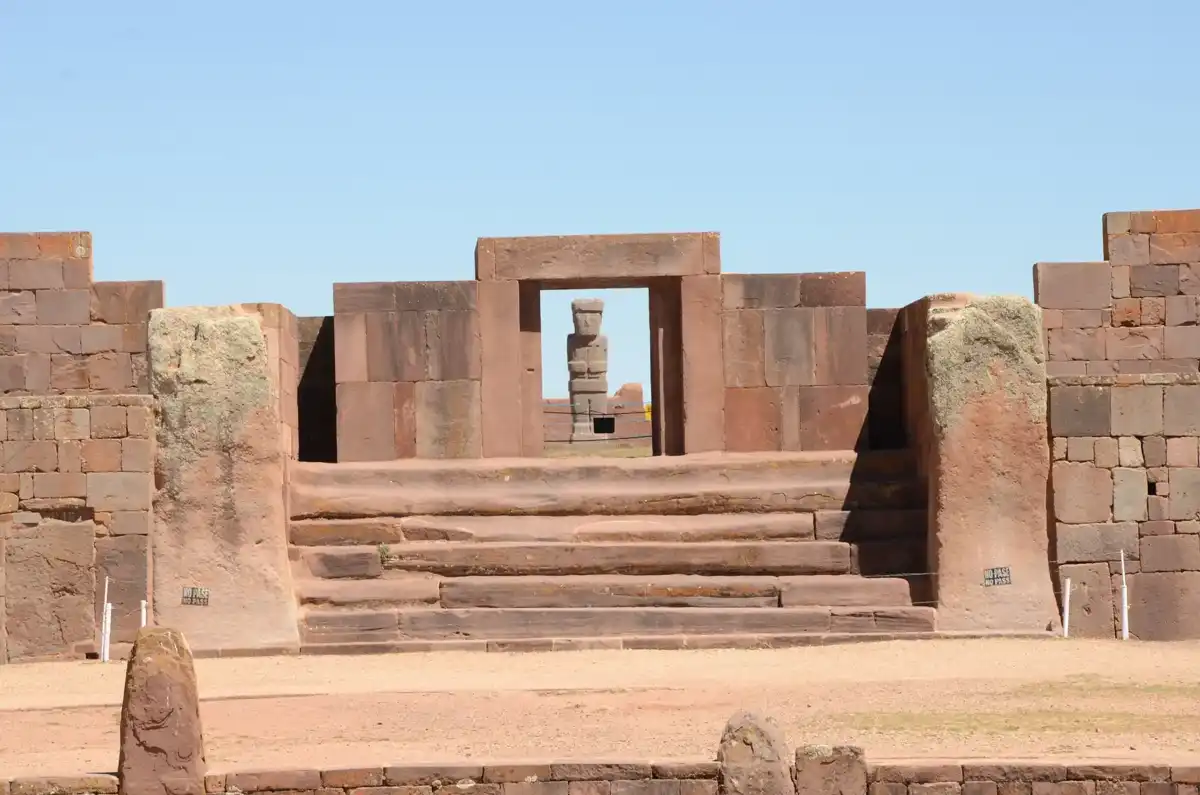
Unique Sites OverviewBolivia is a patchwork of landscapes and cultures, each site offering a distinct flavor of the country’s rich tapestry. Aim for a mix of about five to seven unique sites to get a well-rounded experience. This allows you to dive deep without feeling rushed. Each site demands time and energy, so be prepared for some grit.
Access ConstraintsGetting to these sites can be a challenge. Roads can be rough, and public transport is often slow. Expect long bus rides or bumpy jeep trips. Some areas, like the Salar de Uyuni, are more accessible, while others, like the remote Amazon basin, require planning and possibly guided tours. Factor in travel time when mapping your itinerary.
Crowd PatternsTiming is everything. The dry season, from May to October, draws the most visitors, …
read more 👉 Unique Sites OverviewBolivia is a patchwork of landscapes and cultures, each site offering a distinct flavor of the country’s rich tapestry. Aim for a mix of about five to seven unique sites to get a well-rounded experience. This allows you to dive deep without feeling rushed. Each site demands time and energy, so be prepared for some grit.
Access ConstraintsGetting to these sites can be a challenge. Roads can be rough, and public transport is often slow. Expect long bus rides or bumpy jeep trips. Some areas, like the Salar de Uyuni, are more accessible, while others, like the remote Amazon basin, require planning and possibly guided tours. Factor in travel time when mapping your itinerary.
Crowd PatternsTiming is everything. The dry season, from May to October, draws the most visitors, especially to places like Lake Titicaca and the salt flats. If you can, visit during the shoulder months—April or November—to dodge the crowds while still enjoying decent weather. Early mornings or late afternoons are prime for fewer people and better light for photos.
Combining SitesStrategically combine sites to maximize your experience. For instance, if you’re heading to the salt flats, consider pairing it with a visit to the Eduardo Avaroa National Park. The landscapes shift dramatically, from stark white salt to colorful lagoons. Just be aware that travel between these sites can take longer than expected.
Time and BudgetPlan for a flexible schedule. A week is a good starting point, but two weeks lets you breathe and explore more thoroughly. Budget-wise, Bolivia is generally affordable, but costs can add up with guided tours and transport. Prioritize what matters most to you—whether it’s a guided trek or a local homestay experience.
Regional VariationEach region tells a different story. The Altiplano is stark and beautiful, while the Amazon is lush and teeming with life. The cultural differences are palpable, too. In the highlands, you’ll encounter Aymara and Quechua traditions, while the lowland areas reflect a mix of indigenous and mestizo influences. Be open to learning and adapting your approach based on where you are.
Safety ConsiderationsSafety is generally manageable, but stay aware of your surroundings. In urban areas, petty crime can occur, so keep valuables secure. In rural areas, altitude sickness is a real concern. Acclimatize properly, especially if you’re heading to high-altitude sites. Hydration is key.
Cultural SensitivityEngage with locals respectfully. Many communities are proud of their heritage and may be wary of outsiders. Learning a few phrases in Spanish or indigenous languages can go a long way. Participate in local customs when invited, but always ask first.
Anecdotal InsightsI once found myself in a small village during a local festival. The energy was electric, with music and dance spilling into the streets. I was welcomed with open arms, and the experience was far richer than any tourist attraction. These moments often happen off the beaten path, so leave room in your itinerary for spontaneity.
Final ThoughtsBolivia’s unique sites are a blend of natural beauty and cultural depth. The journey is as rewarding as the destination. Embrace the challenges of travel here; they often lead to the most memorable experiences. Prioritize your sites, stay flexible, and immerse yourself in the local culture. You’ll walk away with stories that resonate long after you’ve left.
v2.webp)




 Best Backpacking
.jpg) Hi, I’m Johan (Netherlands 🇳🇱), the creator of TakeYourBackpack. Over the past decade, I’ve backpacked through 80+ countries across six continents, gaining extensive experience with independent travel, long-term trips, and overland routes.
Hi, I’m Johan (Netherlands 🇳🇱), the creator of TakeYourBackpack. Over the past decade, I’ve backpacked through 80+ countries across six continents, gaining extensive experience with independent travel, long-term trips, and overland routes.