×

Bolivia🇧🇴 | landmarksSalar de Chiquinquirásalt crust, isolated expanse, high plateau | things to do and best time to go

Explore Laguna ColoradaExplore Salar de Uyuni

Backpacking in Salar de Chiquinquirá
By Johan Kruseman 🇳🇱 | Updated September 23, 2026

Everyone assumes Salar de Chiquinquirá is “the next Uyuni” they saw on Instagram. It’s not. It’s smaller, rougher, and far less choreographed. Tucked in western Bolivia near the Andean highlands, it hits you with big-sky emptiness, cracked salt under your boots, and almost no infrastructure. Cheap once you’re there, but getting there takes time and patience. Fewer crowds mean quieter sunsets and raw photos, but also fewer comforts. It feels less like a postcard, more like you’ve wandered off the map.

Discover everything you want to know in the 📖 Bolivia Travel Guide.


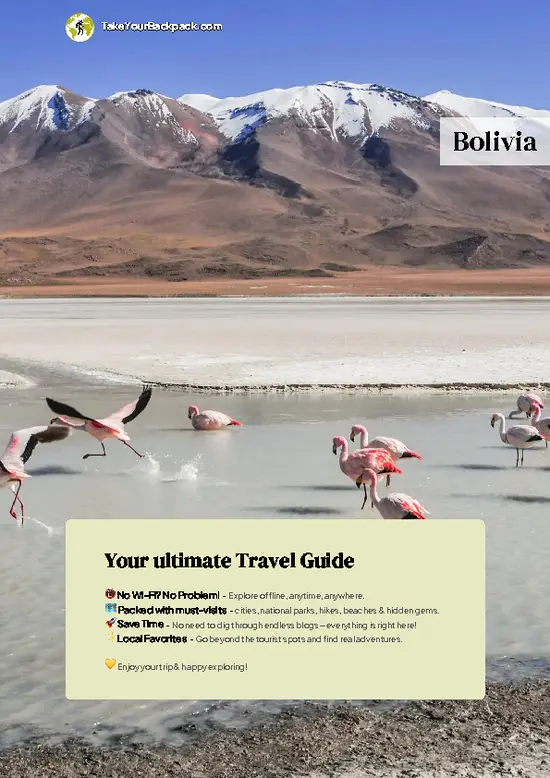
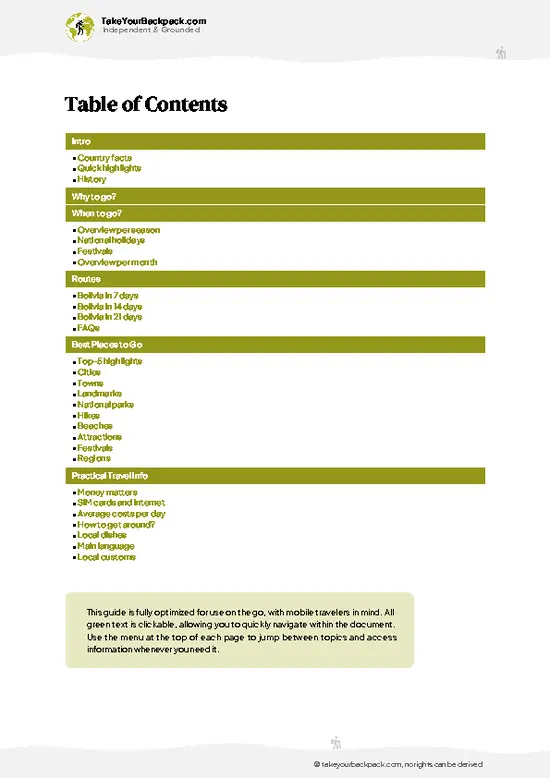
example page 0 from our offline Travel Guide for Bolivia
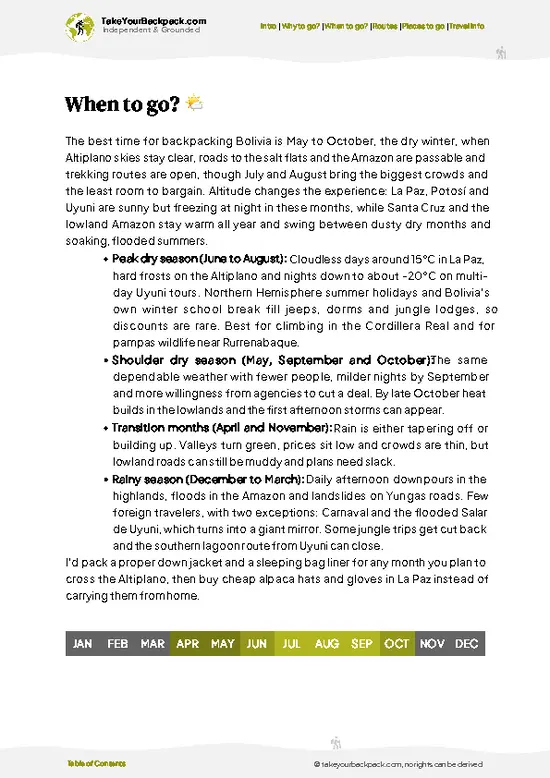
example page 1 from our offline Travel Guide for Bolivia
example page 2 from our offline Travel Guide for Bolivia
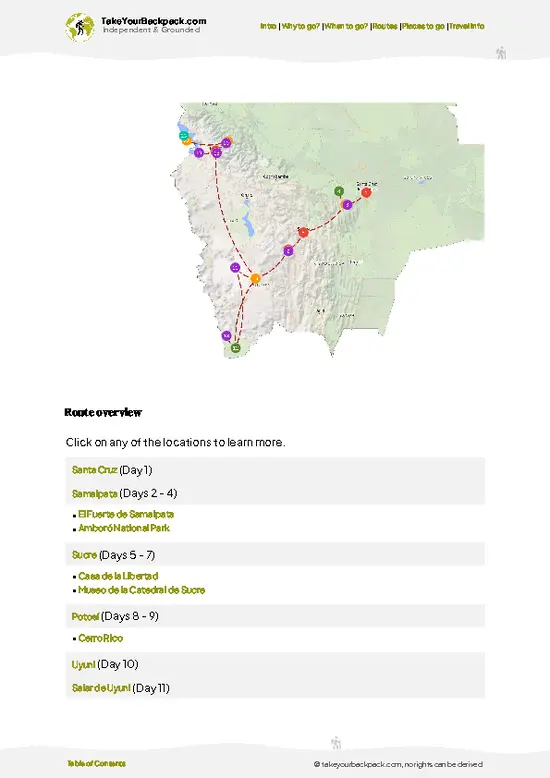
example page 3 from our offline Travel Guide for Bolivia
example page 4 from our offline Travel Guide for Bolivia
example page 5 from our offline Travel Guide for Bolivia
example page 6 from our offline Travel Guide for Bolivia
example page 7 from our offline Travel Guide for Bolivia
Loading the map 🌍
CLICK TO FILTER
cities
towns
landmarks
national parks
hikes
beaches
attractions
festivals
regions
SHOW COUNTRY’S BESTSHOW ALL

✨ Why go?
Ranked #99 unique site in Bolivia
What sets this place apart

Salar de Chiquinquirá isn’t just another salt flat; it’s a mind-bending experience that flips the script on what you think you know about Bolivia. Yes, it can get crowded, especially during peak season, but the vastness of the landscape swallows the masses. You’ll find yourself wandering through a surreal white expanse that feels like stepping onto another planet.

The cost? Minimal. Entry is often free or just a few bolivianos, making it a no-brainer for budget travelers. It fits perfectly into a broader route through the Altiplano, linking you to other stunning sites like Uyuni and the Eduardo Avaroa National Park.

What makes it truly special is the local culture. Engage with the communities nearby, savor traditional dishes, and soak in the authenticity that’s often overshadowed by the … read more 👉
Salar de Chiquinquirá isn’t just another salt flat; it’s a mind-bending experience that flips the script on what you think you know about Bolivia. Yes, it can get crowded, especially during peak season, but the vastness of the landscape swallows the masses. You’ll find yourself wandering through a surreal white expanse that feels like stepping onto another planet.

The cost? Minimal. Entry is often free or just a few bolivianos, making it a no-brainer for budget travelers. It fits perfectly into a broader route through the Altiplano, linking you to other stunning sites like Uyuni and the Eduardo Avaroa National Park.

What makes it truly special is the local culture. Engage with the communities nearby, savor traditional dishes, and soak in the authenticity that’s often overshadowed by the Instagram hype. This isn’t just a stop; it’s a transformative part of your journey.

💡 HighlightsThe experiences that define the visit

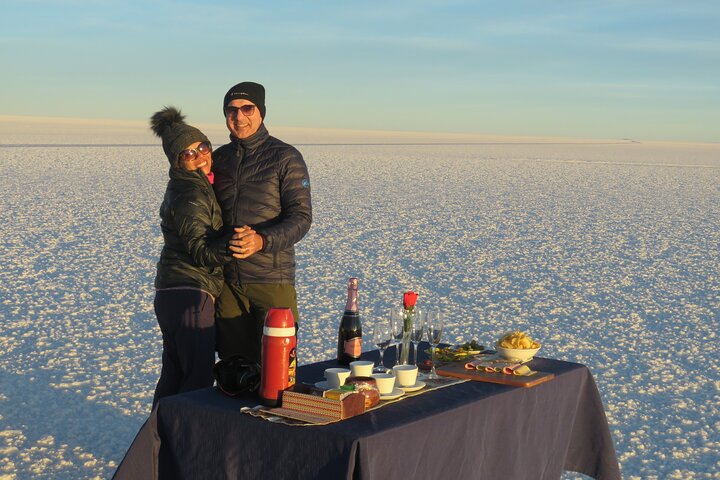
  • Seasonal mirror surface at sunrise (personal favorite) — When a thin sheet of water sits on the salt crust it turns the whole flat into a giant mirror. Sunrise here can throw insane pastel colors and perfect reflections — great for minimalist photos and for feeling like you’re standing on the sky.
  • Vast white salt crust and horizon-line geometry — The salt plain’s repeating hexagonal patterns and unbroken horizon create a surreal, otherworldly landscape. Walk a short distance and you quickly grasp why photographers and filmmakers love these wide, empty canvases.
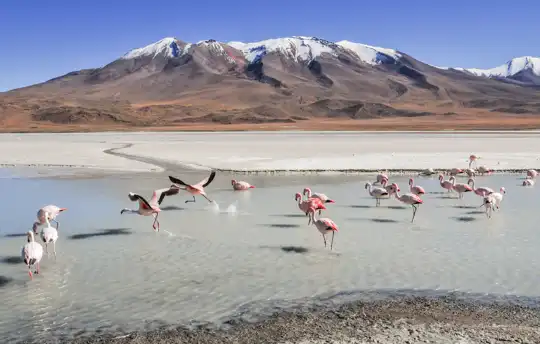
  • Flamingos and high-altitude wildlife watching — Depending on season and shallow lagoons nearby, you can spot Andean flamingos and other specialized birdlife. Their pink against the white salt and blue sky is a surprisingly cinematic
… read more 👉
  • Seasonal mirror surface at sunrise (personal favorite) — When a thin sheet of water sits on the salt crust it turns the whole flat into a giant mirror. Sunrise here can throw insane pastel colors and perfect reflections — great for minimalist photos and for feeling like you’re standing on the sky.
  • Vast white salt crust and horizon-line geometry — The salt plain’s repeating hexagonal patterns and unbroken horizon create a surreal, otherworldly landscape. Walk a short distance and you quickly grasp why photographers and filmmakers love these wide, empty canvases.
  • Flamingos and high-altitude wildlife watching — Depending on season and shallow lagoons nearby, you can spot Andean flamingos and other specialized birdlife. Their pink against the white salt and blue sky is a surprisingly cinematic combo.
  • Local salt-harvesting camps and community life — Small-scale extraction and sun-dried salt piles are not just photogenic — they’re a living local economy. Chatting with workers or buying salt directly supports communities and gives real context to the landscape.
  • Rugged rock outcrops and cactus islands (where they occur) — Many salars host rocky “islands” that break the flat monotony, often with giant cacti or fossil fragments. These spots make good short hikes and give scale to the plain when you want something to anchor a photo.
  • Stargazing and the Milky Way — High altitude, low light pollution, and clear nights = spectacular stars. Bring a thermos and a warm jacket; lying back under a dense Milky Way is one of those quiet, unforgettable travel moments.
  • Nearby villages, markets and Andean cultural experiences — Don’t skip the towns around the salar: Sunday markets, traditional foods, and local handicrafts bring cultural depth to the visit. It’s the best way to turn a scenic stop into a real place with people and stories.
Spotted a mistake or missing something? Contact us.

Things to do near Salar de Chiquinquirá

Ratings based on Tripadvisor reviews. When you book through this link, you support our work at no extra cost to you.

🌤️ When to go?Seasonal considerations and timing

  • Weather: Dry season (May to October) is your best bet—clear skies and minimal rain keep the salt flats walkable and reflective. Wet season (November to March) floods the flats, turning them into a giant mirror but also making access tricky.
  • Temperature: Expect chilly nights dropping to around -5°C (23°F) and daytime highs near 15°C (59°F) in dry months. Wet season warms up slightly but brings humidity and mud.
  • Daylight Hours: Roughly 11 to 13 hours year-round, with longer days in the southern hemisphere summer (December to February), giving you more daylight for exploration.
  • Crowds: Peak tourist influx hits during dry season, especially July and August. If you want solitude, aim for shoulder months like May or September.
  • Seasonal Activities: Dry season favors trekking and photography;
… read more 👉
  • Weather: Dry season (May to October) is your best bet—clear skies and minimal rain keep the salt flats walkable and reflective. Wet season (November to March) floods the flats, turning them into a giant mirror but also making access tricky.
  • Temperature: Expect chilly nights dropping to around -5°C (23°F) and daytime highs near 15°C (59°F) in dry months. Wet season warms up slightly but brings humidity and mud.
  • Daylight Hours: Roughly 11 to 13 hours year-round, with longer days in the southern hemisphere summer (December to February), giving you more daylight for exploration.
  • Crowds: Peak tourist influx hits during dry season, especially July and August. If you want solitude, aim for shoulder months like May or September.
  • Seasonal Activities: Dry season favors trekking and photography; wet season offers surreal mirror reflections but fewer hiking options.
  • Price Fluctuations: Accommodation and tours spike in dry season due to demand. Off-season sees lower prices but fewer services.
Pro-tip: Visit early dry season to dodge crowds, enjoy stable weather, and catch the flats before the tourist rush inflates prices.


source: climatestotravel.comJANJanuary: fair for travelingFEBFebruary: fair for travelingMARMarch: fair for travelingAPRApril: good for travelingMAYMay: highly recommended for travelingJUNJune: highly recommended for travelingJULJuly: highly recommended for travelingAUGAugust: highly recommended for travelingSEPSeptember: highly recommended for travelingOCTOctober: highly recommended for travelingNOVNovember: fair for travelingDECDecember: fair for traveling
when-to-go

✈️ The backpacker research shortcutBolivia Travel Guide

An offline-friendly backpacking guide with optimized travel routes, ranked highlights, transport advice, and the best areas to stay.
example page 0 from our offline Travel Guide for Bolivia
example page 1 from our offline Travel Guide for Bolivia
example page 2 from our offline Travel Guide for Bolivia
example page 3 from our offline Travel Guide for Bolivia
example page 4 from our offline Travel Guide for Bolivia
example page 5 from our offline Travel Guide for Bolivia
example page 6 from our offline Travel Guide for Bolivia
example page 7 from our offline Travel Guide for Bolivia
The digital guide (262 pages) contains:
✅ 76 highlights, ranked by travel appeal
✅ Optimized 7, 14 & 21-day travel routes
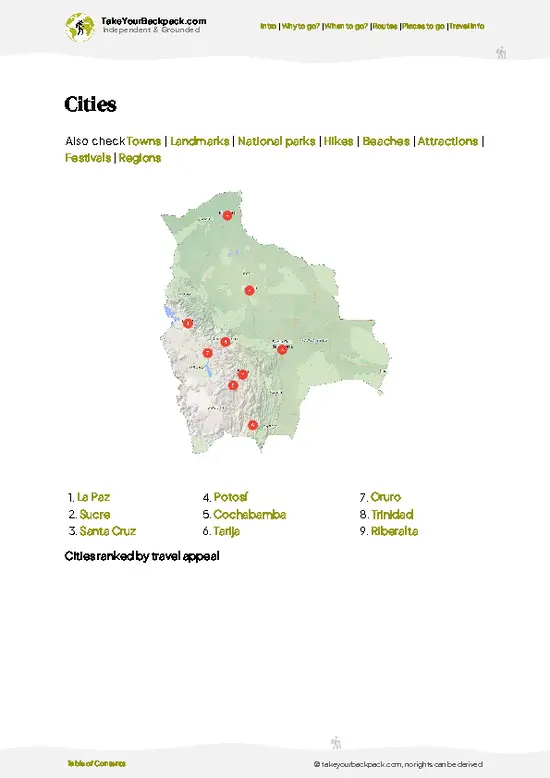
✅ Cities, national parks, landmarks, beaches
✅ How to get around
✅ Offline-friendly for travel without Wi-Fi
👉 Click to see all 30+ guide features

📅 Plan smarter in minutes, not weeks
✅ Month by month travel advice
✅ Festivals & national holidays
✅ Budget expectations

🗺️ Go to the right places, skip the overrated ones
✅ Honest pros & cons of destinations
✅ Top hikes, parks & viewpoints
✅ Lesser-known places most travelers miss
✅ Clear “worth it vs skip it” guidance

🛏️ Travel smoothly without rookie mistakes
✅ Best areas to stay
✅ Transport systems explained simply
✅ Common scams & safety advice
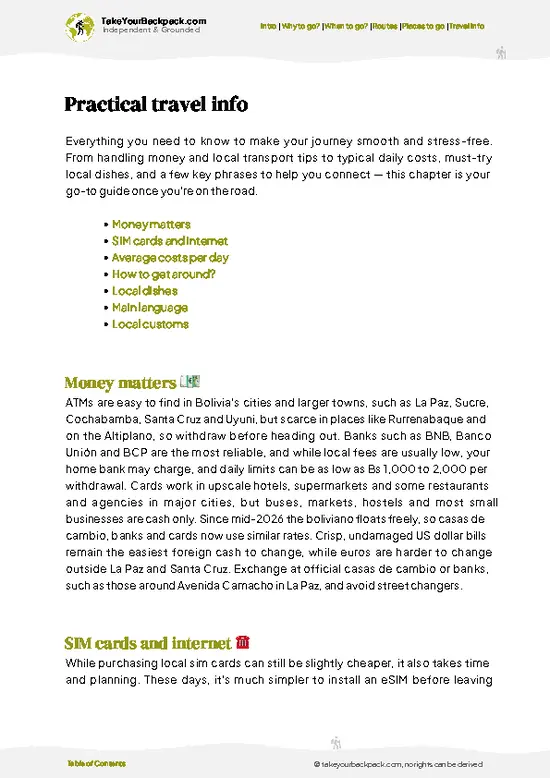
✅ SIM cards, money & practical tips

🌍 Understand the country, not just visit it
✅ Culture & traditions
✅ 52 Essential phrases & customs
✅ Festivals worth planning around
✅ Traveler-friendly historical context
✅ Insights that make places more meaningful

📱 Built for real travel conditions
✅ Fully downloadable PDF
✅ Works completely offline
✅ Optimized for phone use
✅ Useful in remote areas & buses
✅ Everything in one place
Stop searching, start planning
Get instant access to your full guide. 30‑day money-back guarantee.
+ Add another guide for just

By proceeding you agree to our terms.
Sent to your inbox immediately after payment • 100% Secure Checkout
Best Backpacking Travel Advisor 2025 tourism awardBest Backpacking
Travel Advisor
2025
What others say about Take Your Backpack Guides:
⭐⭐⭐⭐⭐
Fantastic, amazing amount of information!
⭐⭐⭐⭐⭐
My goodness this is amazing, it's what I've been looking for hats off too you!
⭐⭐⭐⭐⭐
I think this is absolutely BRILLIANT
⭐⭐⭐⭐
Very complete and informative. It's still missing places, but I gotta to commend you
⭐⭐⭐⭐⭐
This is truly amazing, thank you, can't wait to explore it with my kids!
⭐⭐⭐⭐⭐
Awesome resource, thank you!
⭐⭐⭐⭐⭐
This is amazing! Can't wait to explore the ones I haven't seen
⭐⭐⭐⭐
I love this! Well done, great idea.
⭐⭐⭐⭐⭐
Thanks for taking the time to make this gem!
⭐⭐⭐⭐⭐
This might be the best website I've ever seen.
⭐⭐⭐⭐⭐
Congratulations, and thank you so much for your work; it's incredibly valuable.
⭐⭐⭐⭐
In all seriousness I think you did a great job pointing out the important spots
⭐⭐⭐⭐⭐
10/10 very good
⭐⭐⭐⭐⭐
As someone who's only just starting to visit regularly this is awesome, thank you.
⭐⭐⭐⭐
Thank you very much! I'm going to visit my dad, it's going to be very useful!
⭐⭐⭐⭐⭐
This is really cool! We'll be travelling for the first time and this definitely come in handy.
⭐⭐⭐⭐⭐
You are now our minister of culture, congratulations 👨‍💼
⭐⭐⭐⭐⭐
Just wanted to tell you that this is a pearl! Going to follow your recommendations.
⭐⭐⭐⭐⭐
This is so cool. I'll definitely be using the resource for my travels soon.
⭐⭐⭐⭐⭐
This is very impressive! Good work.
⭐⭐⭐⭐⭐
This is an amazing and informative site. Very well done!

🛏️ Where to stay?How to pick the right area

Staying near Salar de Chiquinquirá? You’ll want to be smart about your choices. The area around the town of Uyuni is your best bet. It’s the main hub for backpackers heading to the salt flats, and it’s buzzing with energy.

Look for accommodations close to Avenida Ferroviaria. This street is lined with budget-friendly spots where you can meet fellow travelers. The vibe is social, and you’ll find plenty of opportunities to swap stories or team up for tours.

Another option is the outskirts of town, where you can find quieter places. These spots offer a more laid-back atmosphere, perfect for unwinding … read more 👉
Staying near Salar de Chiquinquirá? You’ll want to be smart about your choices. The area around the town of Uyuni is your best bet. It’s the main hub for backpackers heading to the salt flats, and it’s buzzing with energy.

Look for accommodations close to Avenida Ferroviaria. This street is lined with budget-friendly spots where you can meet fellow travelers. The vibe is social, and you’ll find plenty of opportunities to swap stories or team up for tours.

Another option is the outskirts of town, where you can find quieter places. These spots offer a more laid-back atmosphere, perfect for unwinding after a day of exploring. Just make sure you’re within walking distance of the main square; you don’t want to be too isolated.

Safety is generally good, but stick to well-lit areas at night. The real magic of Salar de Chiquinquirá isn’t just the stunning views; it’s the connections you make along the way. Choose wisely, and you’ll have an experience that’s truly enriching.

👛 Costs (as of 23 September 2026)What things cost and how to budget

Visiting Salar de Chiquinquirá in Bolivia is a unique experience, but it comes with its own set of costs that you need to be aware of.
  • Transportation: Getting to Salar de Chiquinquirá usually involves a combination of flights and local transport. Expect to pay around $100 to $300 for a round-trip flight to La Paz. From there, a bus to Uyuni can cost about $15 to $30. Once in Uyuni, a 4x4 tour to the salt flats can range from $50 to $150, depending on the length and inclusions.
  • Accommodation: Options vary widely. Budget hostels start at around $10 per night, while mid-range hotels can cost between $30 and $80. For a more comfortable stay, expect to pay $100 or more for higher-end lodgings.
  • Food: Dining in Uyuni is affordable. Street food can be as low as $2 to $5 per meal. If you prefer sit-down
… read more 👉
Visiting Salar de Chiquinquirá in Bolivia is a unique experience, but it comes with its own set of costs that you need to be aware of.
  • Transportation: Getting to Salar de Chiquinquirá usually involves a combination of flights and local transport. Expect to pay around $100 to $300 for a round-trip flight to La Paz. From there, a bus to Uyuni can cost about $15 to $30. Once in Uyuni, a 4x4 tour to the salt flats can range from $50 to $150, depending on the length and inclusions.
  • Accommodation: Options vary widely. Budget hostels start at around $10 per night, while mid-range hotels can cost between $30 and $80. For a more comfortable stay, expect to pay $100 or more for higher-end lodgings.
  • Food: Dining in Uyuni is affordable. Street food can be as low as $2 to $5 per meal. If you prefer sit-down restaurants, budget around $10 to $20 for a decent meal. For a splurge, upscale dining can reach $30 or more.
  • Activities: The salt flats themselves are free to explore, but guided tours often enhance the experience. Prices for tours range from $50 to $150, depending on the duration and what’s included, like meals or accommodations.
  • Miscellaneous: Don’t forget to budget for things like souvenirs, which can vary widely. Set aside $10 to $50 for small items. Also, consider travel insurance, which can cost around $5 to $15 per day, depending on coverage.

Be prepared for the reality of crowds and costs, but know that the raw beauty of Salar de Chiquinquirá is worth every penny.
⚠️ Prices can change and everyone travels differently, so take this as a rough guide. Hope it helps you plan your adventure!

FAQCommon questions from travelers

Salar de Chiquinquirá is a salt flat located in the Potosí Department of Bolivia, known for its vast white salt crust and unique landscape. It is less famous than Salar de Uyuni but offers a more remote and less touristy experience. The area is also notable for its salt mining activities and local indigenous communities.
Visiting Salar de Chiquinquirá typically requires 1 to 2 days to explore the salt flat and surrounding areas adequately. This allows time for travel, photography, and experiencing local culture without rushing. Overnight stays in nearby villages or campsites are common to maximize the visit.
To get to Salar de Chiquinquirá, travelers usually start from the city of Potosí, which is about 100 kilometers away. From Potosí, you can hire a 4x4 vehicle or join a guided tour, as public transport options are limited and the terrain can be challenging. The journey takes approximately 3 to 4 hours depending on road conditions.
⚠️ Things can change over time, so always validate details locally before you go.

Other Bolivian landmarks near Salar de Chiquinquirá

Explore more nearby:

  • Salar de Uyuni—Mirror flats, Incahuasi cacti, salt hexagons, Train Cemetery| 111 km away
  • Cerro Rico—Cooperative mine tour, El Tío shrines, miners’ market, red cone| 125 km away
  • Lago Poopó—Dry lakebed, stranded boats, Uru fishing hamlets, altiplano flamingos| 198 km away

💡 Not sure where to go next?
Create a personalized itinerary for Bolivia including Salar de Chiquinquirá and the places that fit your trip.

Generate my itinerary

👉 Discover all landmarks

Or checkout all Bolivia has to offer (think cities, towns, villages, national parks, hikes, beaches, festivals)
Country photo of Bolivia

We 💚 feedbackIs it worth it?

Salar de Chiquinquirá is a surreal playground of salt flats that feels like stepping onto another planet. The way the light dances on the surface is mesmerizing. But let’s be real: the crowds can be overwhelming, especially during peak season. If you can handle the hustle, the experience is worth it. Just be ready to share the magic with a few too many fellow travelers.

✈️ When did I visit Bolivia?
Bolivia I visited during my half year trip through South and Central America back in 2003

✍️ Help improve this page!
The information on this page is based on my own backpacking experience in Bolivia, supplemented with up-to-date research and feedback from other travelers. Travel details can change, so if you notice anything outdated or incomplete, feel free to let me know.


🙋‍♂️ Give feedback

👋 Meet the founderWho’s Behind Take Your Backpack?

Johan, backpacker and founder of TakeYourBackpackHi, I’m Johan (Netherlands 🇳🇱), the creator of TakeYourBackpack. Over the past 3 decades, I’ve backpacked through 90+ countries across six continents, gaining extensive experience with independent travel, long-term trips, and overland routes.

This site is built on a combination of firsthand travel experience and carefully curated insights from other backpackers. Many guides are based on places I’ve personally visited, while others bring together tips, observations, and practical advice shared by trusted travelers I’ve met along the way.

The goal is to provide realistic, experience-driven guidance — not generic itineraries — so you can explore destinations with better context, clearer expectations, and more confidence.