v2.webp)
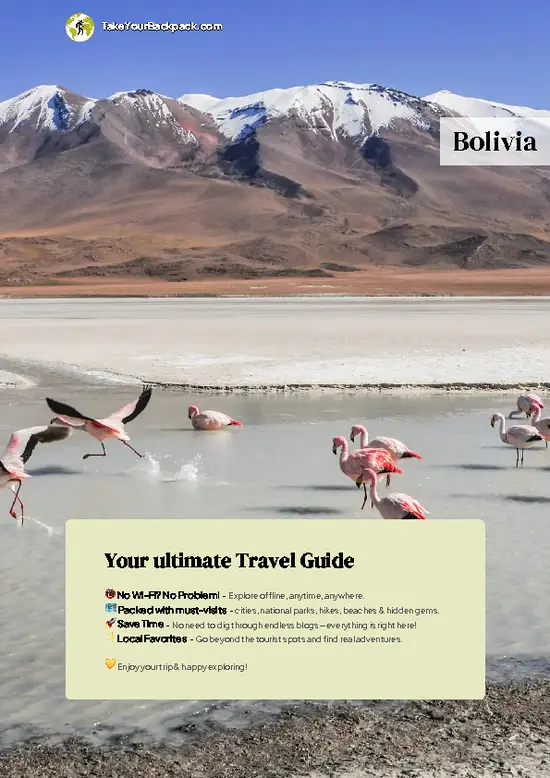
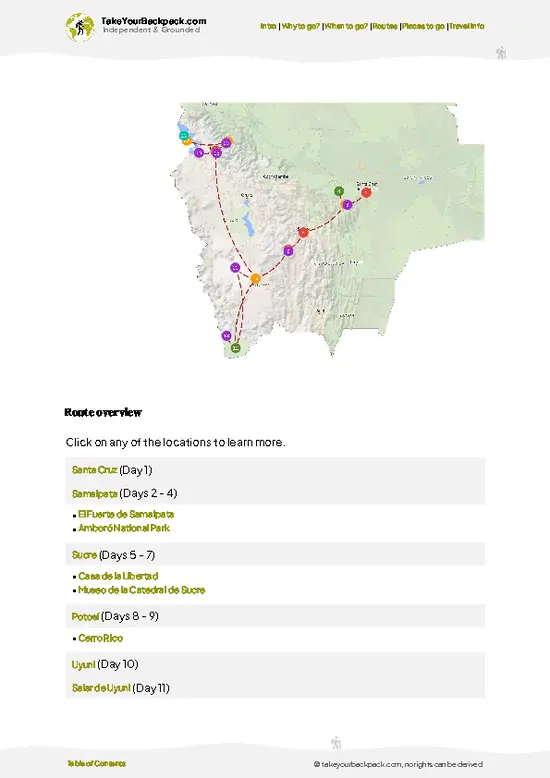
- Flamingo shallows: In wet seasons, three flamingo species feed along the shoreline, painting the gray water pink at distances you can approach quietly.
- Salt flats and dry lakebed: When the water recedes, white crusts and cracked mud stretch to the horizon, a stark and photogenic landscape.
- Uru-Murato villages: Small communities such as Puñaca have fished here for generations, and a visit shows how people adapt to a changing shoreline.
- Abandoned fishing boats: Hulls stranded on dry ground are the lake’s most striking image, and they tell the story of its decline better than any sign could.
- Lakeshore birdlife: Beyond flamingos, watch for coots, ducks and Andean avocets in the marshy margins around the lake.
- Altiplano horizons: Distant volcanic peaks, grazing llamas and adobe homesteads frame the
- Flamingo shallows: In wet seasons, three flamingo species feed along the shoreline, painting the gray water pink at distances you can approach quietly.
- Salt flats and dry lakebed: When the water recedes, white crusts and cracked mud stretch to the horizon, a stark and photogenic landscape.
- Uru-Murato villages: Small communities such as Puñaca have fished here for generations, and a visit shows how people adapt to a changing shoreline.
- Abandoned fishing boats: Hulls stranded on dry ground are the lake’s most striking image, and they tell the story of its decline better than any sign could.
- Lakeshore birdlife: Beyond flamingos, watch for coots, ducks and Andean avocets in the marshy margins around the lake.
- Altiplano horizons: Distant volcanic peaks, grazing llamas and adobe homesteads frame the lake and make the drive itself part of the experience.
- Poopó town: A small mining-era settlement near the lake with a simple plaza, handy for supplies and a local lunch.
Spotted a mistake or missing something? Contact us.

 Best Backpacking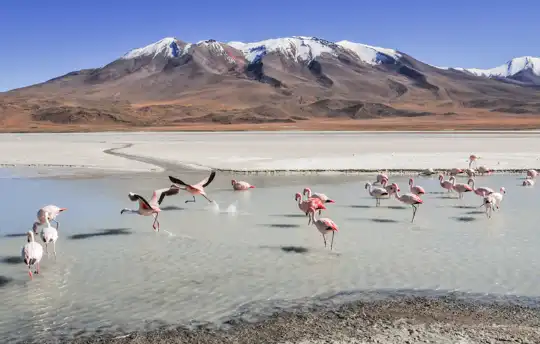
.jpg) Hi, I’m Johan (Netherlands 🇳🇱), the creator of TakeYourBackpack. Over the past 3 decades, I’ve backpacked through 90+ countries across six continents, gaining extensive experience with independent travel, long-term trips, and overland routes.
Hi, I’m Johan (Netherlands 🇳🇱), the creator of TakeYourBackpack. Over the past 3 decades, I’ve backpacked through 90+ countries across six continents, gaining extensive experience with independent travel, long-term trips, and overland routes.