×

Bolivia🇧🇴 | townsRurrenabaquejungle tours, river port, Amazon gateway | things to do and best time to go

Explore CoroicoExplore Samaipata

Backpacking in Rurrenabaque
🏆 Top picktown ranked #2
By Johan Kruseman 🇳🇱 | Updated June 4, 2026

Rurrenabaque is not for anyone who wants polished cities, big museums, or nightlife that runs till sunrise. It’s humid, a bit scruffy, and the streets smell like wet earth, exhaust, and frying empanadas after rain. But that’s exactly why backpackers win here: this is the soft-edged jungle gateway where you trade comfort for access to some of Bolivia’s wildest lowland nature.

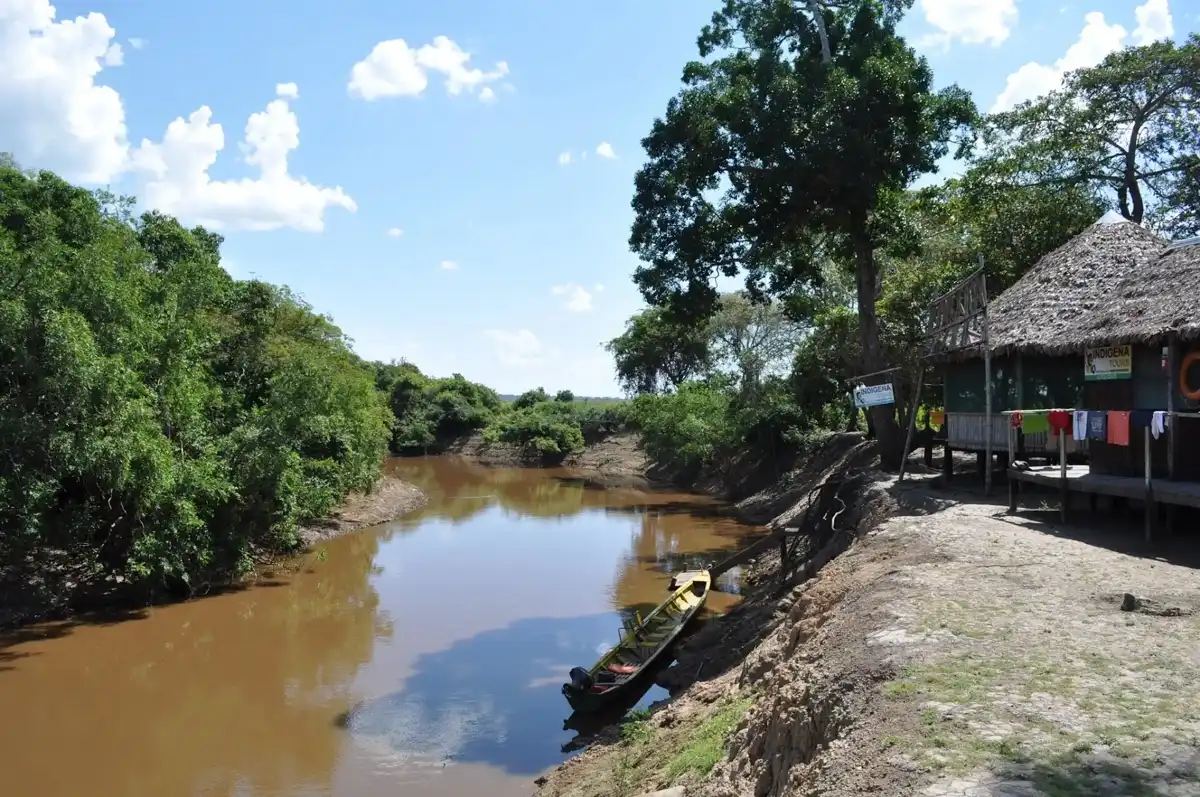
Rurre sits on the Beni River in northern Bolivia, across from San Buenaventura, and works best as a basecamp, not a destination in itself. You come for pampas and jungle tours, river trips, pink river dolphins, and the slow, orange sunsets over the water. The town is compact and walkable; mototaxis fill any gaps. Buses and flights link it to La Paz, though roads can be rough and muddy. It’s cheaper and more relaxed than La Paz or Santa Cruz, with enough hostels, tour agencies, and simple bars that you’ll meet other backpackers without feeling like you’re in a theme park. Safety is mostly about common sense and watching your stuff, not paranoia.

Discover everything you want to know in the 📖 Bolivia Travel Guide.


Get your Bolivia guide
82 ranked highlights, routes & tips, works offline (350 pages)
Loading the map 🌍
CLICK TO FILTER
cities
towns
landmarks
national parks
hikes
beaches
attractions
festivals
regions
SHOW COUNTRY’S BESTSHOW ALL

✨ Why go?
Ranked #2 town in Bolivia
What makes it a must-see town

Rurrenabaque is a backpacker’s hub in Bolivia, perfectly positioned for those craving both adventure and culture. It’s a gateway to the Amazon and the Yungas, making it a prime spot for hikes and wildlife tours. The small-scale hostels and guesthouses create a cozy atmosphere where you can easily swap stories with fellow travelers. The walkable streets are lined with local eateries serving up hearty meals, often infused with the aroma of spices and fresh ingredients.

Most backpackers tend to linger here for a few days, soaking in the laid-back vibe. It’s not a party town, but the social scene is warm and inviting, perfect for solo travelers or those in small groups looking to connect. You’ll find a mix of slow travelers who appreciate the chance to unwind before heading into the jungle. … read more 👉
Rurrenabaque is a backpacker’s hub in Bolivia, perfectly positioned for those craving both adventure and culture. It’s a gateway to the Amazon and the Yungas, making it a prime spot for hikes and wildlife tours. The small-scale hostels and guesthouses create a cozy atmosphere where you can easily swap stories with fellow travelers. The walkable streets are lined with local eateries serving up hearty meals, often infused with the aroma of spices and fresh ingredients.

Most backpackers tend to linger here for a few days, soaking in the laid-back vibe. It’s not a party town, but the social scene is warm and inviting, perfect for solo travelers or those in small groups looking to connect. You’ll find a mix of slow travelers who appreciate the chance to unwind before heading into the jungle. The friendly locals add to the charm, making it easy to feel at home. Rurrenabaque isn’t just a stopover; it’s a place to recharge before diving into the wild, where the beauty feels earned through the journey.
Want to include Rurrenabaque in your Bolivia route?
Create a personalized Bolivia itinerary that includes Rurrenabaque and the places that fit your trip — based on your travel style, budget, and available time. Get your route in seconds.

Generate my trip

💡 HighlightsEssential experiences to have while visiting Rurrenabaque

  • Malecón del Beni (riverside promenade) — The spine of town: a wide riverfront walkway where locals gather, boats slide by, and sunsets explode. Great for slow people-watching, cheap street snacks and catching the vibe of riverside life.
  • Plaza Principal (Main Square) — The town’s social center: shaded benches, market spillover, and the usual mix of taxis, kids and fútbol practice. Good place to feel how community life really runs in Rurrenabaque.
  • The parish church by the plaza — A modest, lived-in church where you can see local religious traditions and small-town architecture up close; services and festivals are worth timing your visit for authentic color.
  • Mercado Central (Central Market) — Raw, noisy and absolutely essential: fresh fish from the Beni, tropical fruit, spices and street-food
read more 👉
  • Malecón del Beni (riverside promenade) — The spine of town: a wide riverfront walkway where locals gather, boats slide by, and sunsets explode. Great for slow people-watching, cheap street snacks and catching the vibe of riverside life.
  • Plaza Principal (Main Square) — The town’s social center: shaded benches, market spillover, and the usual mix of taxis, kids and fútbol practice. Good place to feel how community life really runs in Rurrenabaque.
  • The parish church by the plaza — A modest, lived-in church where you can see local religious traditions and small-town architecture up close; services and festivals are worth timing your visit for authentic color.
  • Mercado Central (Central Market) — Raw, noisy and absolutely essential: fresh fish from the Beni, tropical fruit, spices and street-food stalls. Visiting in the morning gives a real taste of daily life (literally).
  • Puerto and boat docks — The working heart of the river economy: longboats, ferries and cargo barges come and go here. Watching loading and departures is its own local theater, and it’s where most jungle trips actually begin.
  • Artisan stalls and craft alleys — Scattered near the main streets and plaza: handmade baskets, carved wood, and Amazonian beadwork sold by local artisans. Smaller and more personal than tourist bazaars in bigger towns.
  • Travel-agency row — Not glamorous, but indispensable: the strip of outfitters and agencies where you compare Madidi and pampas trips, buy last-minute gear, and overhear tips from guides who actually work in the jungle.
  • Riverside sunset viewpoints — Few official monuments, but several informal lookout spots along the malecón and docks where locals sit to watch the sky and the river light up; perfect for compact photography or a chilled evening.
  • Local cafés and backpacker hangouts on the main street — Small cafés, pizza joints and bars run by locals and travelers; great places to swap trip notes, charge gadgets, and meet guides without the formality of a tour office.
  • Madidi/National Park information offices (town offices) — The real-world gateway to the surrounding protected areas: you can get permits, maps, and official briefings here, plus practical advice that actually saves time and money on jungle outings.
A few worthwhile day trips just outside town are Madidi National Park, the Beni pampas (wildlife boat trips on the Yacuma/Beni), and the nearby community-run nature reserves — my personal favorite is a late-afternoon pampas boat trip to watch caimans and capybaras at sunset.
Spotted a mistake or missing something? Contact us.

Things to do around Rurrenabaque

Ratings based on Tripadvisor reviews. When you book through this link, you support our work at no extra cost to you.

🏘️ NeighborhoodsKey areas and districts to know

Rurrenabaque is a gateway to the Amazon, where the air is thick with humidity and the scent of tropical flora fills your lungs. Each neighborhood offers a unique flavor, making it essential to choose wisely.

Centro
This is the heartbeat of Rurrenabaque. You’ll find a mix of budget hostels and local eateries. The vibe is lively, especially in the evenings when the streets buzz with chatter and laughter. Everything is walkable, so you can easily hop from a café to a tour agency. Perfect for short stays; you’ll be close to transport options for jungle excursions.

El Alto
A quieter area, El Alto offers a more laid-back atmosphere. It’s slightly uphill, providing a nice view of the town. Hostels here are often a bit cheaper, and you can enjoy peaceful nights. It’s a good choice for longer … read more 👉
Rurrenabaque is a gateway to the Amazon, where the air is thick with humidity and the scent of tropical flora fills your lungs. Each neighborhood offers a unique flavor, making it essential to choose wisely.

Centro
This is the heartbeat of Rurrenabaque. You’ll find a mix of budget hostels and local eateries. The vibe is lively, especially in the evenings when the streets buzz with chatter and laughter. Everything is walkable, so you can easily hop from a café to a tour agency. Perfect for short stays; you’ll be close to transport options for jungle excursions.

El Alto
A quieter area, El Alto offers a more laid-back atmosphere. It’s slightly uphill, providing a nice view of the town. Hostels here are often a bit cheaper, and you can enjoy peaceful nights. It’s a good choice for longer stays if you prefer a slower pace. However, it’s a bit farther from the nightlife, so expect to walk or take a short taxi ride to join the fun.

La Isla
This neighborhood feels like a hidden retreat. It’s a bit off the main path, which means fewer tourists and a more authentic experience. The accommodations range from rustic lodges to cozy guesthouses. The atmosphere is serene, ideal for those looking to unwind after jungle treks. While it’s not as accessible, the tranquility makes it worth the trek.

Pueblo Viejo
A blend of local life and backpacker charm, Pueblo Viejo is where you’ll find colorful markets and street food stalls. It’s vibrant and bustling, perfect for those who want to immerse themselves in local culture. The walkability is decent, but be prepared for some uneven paths. Great for short stays, especially if you want to dive into the local scene.

⌛️ 1 day1-day itinerary for Rurrenabaque

Rurrenabaque, Bolivia, is a vibrant town that serves as a gateway to the Amazon and the Andes. The air is thick with the scent of tropical flora, and the sounds of the Beni River create a soothing backdrop. It’s a place where the pulse of nature meets the warmth of local culture, making it a perfect spot for a day of exploration.

Start your morning with a stroll along the riverfront. The early light dances on the water, and you can grab a fresh juice from one of the local vendors. The sweet tang of papaya or the zesty kick of orange will wake you up better than any coffee. After soaking in the riverside atmosphere, head to the bustling Mercado Municipal. Here, the vibrant colors of fruits and vegetables pop against the earthy tones of the stalls. Engage with the locals; they’re often eager … read more 👉
Rurrenabaque, Bolivia, is a vibrant town that serves as a gateway to the Amazon and the Andes. The air is thick with the scent of tropical flora, and the sounds of the Beni River create a soothing backdrop. It’s a place where the pulse of nature meets the warmth of local culture, making it a perfect spot for a day of exploration.

Start your morning with a stroll along the riverfront. The early light dances on the water, and you can grab a fresh juice from one of the local vendors. The sweet tang of papaya or the zesty kick of orange will wake you up better than any coffee. After soaking in the riverside atmosphere, head to the bustling Mercado Municipal. Here, the vibrant colors of fruits and vegetables pop against the earthy tones of the stalls. Engage with the locals; they’re often eager to share stories or tips about the area.

In the afternoon, venture to the less-trodden path of the San Buenaventura neighborhood. This area is often overlooked by tourists, but it offers a glimpse into everyday life in Rurrenabaque. The streets are lined with charming houses painted in bright colors, and you might catch a whiff of homemade empanadas wafting from a nearby kitchen. Stop by a local café for a refreshing chicha morada, a traditional drink made from purple corn, and take a moment to relax.

As evening approaches, make your way back to the river for a sunset boat tour. The sky transforms into a canvas of oranges and purples, and the tranquility of the water is a perfect end to your day. Listen to the sounds of the jungle as dusk settles in, and perhaps spot some wildlife along the banks.

Rurrenabaque isn’t just a stopover; it’s a place that invites you to slow down and savor the moment. Each experience, from the market to the river, is a thread in the rich tapestry of this Bolivian town.
Turn your Rurrenabaque visit into an Bolivia adventure
Build a complete Bolivia route with Rurrenabaque, hidden gems, must-see destinations, and realistic travel times included.

Generate my trip

🌤️ When to go?Best time to visit Rurrenabaque


  • Topic: Weather — Rurrenabaque’s dry season from May to October is your best bet. The skies clear, the humidity drops, and the dirt roads firm up, making jungle trails and river crossings far less of a slog. The wet season (November to April) floods the area, turning paths into mud baths and rivers into wild rides.

  • Topic: Temperature — Expect daytime highs around 25-30°C (77-86°F) during the dry season, perfect for trekking without overheating. Nights can dip to 10-15°C (50-59°F), so pack a light jacket. The wet season feels warmer and stickier, with highs often nudging 32°C (90°F) and oppressive humidity.

  • Topic: Daylight Hours — Near the equator, daylight stays steady year-round, roughly 12 hours. This means you can plan your jungle excursions without worrying about early sunsets cutting
read more 👉

  • Topic: Weather — Rurrenabaque’s dry season from May to October is your best bet. The skies clear, the humidity drops, and the dirt roads firm up, making jungle trails and river crossings far less of a slog. The wet season (November to April) floods the area, turning paths into mud baths and rivers into wild rides.

  • Topic: Temperature — Expect daytime highs around 25-30°C (77-86°F) during the dry season, perfect for trekking without overheating. Nights can dip to 10-15°C (50-59°F), so pack a light jacket. The wet season feels warmer and stickier, with highs often nudging 32°C (90°F) and oppressive humidity.

  • Topic: Daylight Hours — Near the equator, daylight stays steady year-round, roughly 12 hours. This means you can plan your jungle excursions without worrying about early sunsets cutting your adventure short.

  • Topic: Crowds — Dry season draws the bulk of backpackers and tour groups, especially July and August. If you want fewer people, aim for shoulder months like May or September, when the weather is still solid but the vibe is quieter.

  • Topic: Seasonal Activities — Wildlife spotting peaks in the dry season when animals gather around shrinking water sources. The wet season offers lush, vibrant jungle growth but expect more insects and slippery trails.

  • Topic: Price Fluctuations — Expect higher prices for lodging and tours during the dry season’s peak months. Booking ahead can save you headaches. The wet season sees discounts but comes with trade-offs in comfort and access.


Pro-tip: Visit in late May or early September to catch the sweet spot—dry trails, fewer crowds, and better prices—so you get the jungle’s pulse without the usual hassle.


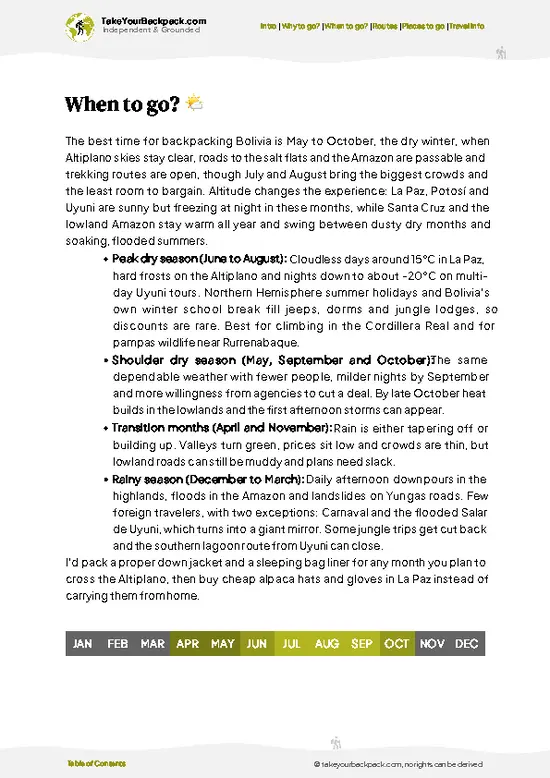
source: climatestotravel.comJANJanuary: fair for travelingFEBFebruary: fair for travelingMARMarch: fair for travelingAPRApril: fair for travelingMAYMay: highly recommended for travelingJUNJune: excellent for travelingJULJuly: excellent for travelingAUGAugust: excellent for travelingSEPSeptember: highly recommended for travelingOCTOctober: excellent for travelingNOVNovember: fair for travelingDECDecember: fair for traveling
bolivia-city-rurrenabaque
© Google | Hc S

✈️ The backpacker research shortcutBolivia Travel Guide

An offline-friendly backpacking guide with optimized travel routes, ranked highlights, transport advice, and the best areas to stay.
example page 0 from our offline Travel Guide for Bolivia
example page 1 from our offline Travel Guide for Bolivia
example page 2 from our offline Travel Guide for Bolivia
example page 3 from our offline Travel Guide for Bolivia
example page 4 from our offline Travel Guide for Bolivia
example page 5 from our offline Travel Guide for Bolivia
example page 6 from our offline Travel Guide for Bolivia
example page 7 from our offline Travel Guide for Bolivia
The digital guide (350 pages) contains:
82 highlights, ranked by travel appeal
Optimized 7, 14 & 21-day travel routes
Cities, national parks, landmarks, beaches
How to get around
Offline-friendly for travel without Wi-Fi
👉 Click to see all 30+ guide features

📅 Plan smarter in minutes, not weeks
Month by month travel advice
Festivals & national holidays
Budget expectations

🗺️ Go to the right places, skip the overrated ones
Honest pros & cons of destinations
Top hikes, parks & viewpoints
Lesser-known places most travelers miss
Clear “worth it vs skip it” guidance

🛏️ Travel smoothly without rookie mistakes
Best areas to stay
Transport systems explained simply
Common scams & safety advice
SIM cards, money & practical tips

🌍 Understand the country, not just visit it
Culture & traditions
52 Essential phrases & customs
Festivals worth planning around
Traveler-friendly historical context
Insights that make places more meaningful

📱 Built for real travel conditions
Fully downloadable PDF
Works completely offline
Optimized for phone use
Useful in remote areas & buses
Everything in one place
Save weeks of stressful planning
Get instant access to your full guide. 30‑day money-back guarantee.


By proceeding you agree to our terms.
Sent to your inbox immediately after payment • 100% Secure Checkout
Best Backpacking Travel Advisor 2025 tourism awardBest Backpacking
Travel Advisor
2025
What others say about Take Your Backpack Guides:
⭐⭐⭐⭐⭐
Fantastic, amazing amount of information!
⭐⭐⭐⭐⭐
My goodness this is amazing, it's what I've been looking for hats off too you!
⭐⭐⭐⭐⭐
I think this is absolutely BRILLIANT
⭐⭐⭐⭐
Very complete and informative. It's still missing places, but I gotta to commend you
⭐⭐⭐⭐⭐
This is truly amazing, thank you, can't wait to explore it with my kids!
⭐⭐⭐⭐⭐
Awesome resource, thank you!
⭐⭐⭐⭐⭐
This is amazing! Can't wait to explore the ones I haven't seen
⭐⭐⭐⭐
I love this! Well done, great idea.
⭐⭐⭐⭐⭐
Thanks for taking the time to make this gem!
⭐⭐⭐⭐⭐
This might be the best website I've ever seen.
⭐⭐⭐⭐⭐
Congratulations, and thank you so much for your work; it's incredibly valuable.
⭐⭐⭐⭐
In all seriousness I think you did a great job pointing out the important spots
⭐⭐⭐⭐⭐
10/10 very good
⭐⭐⭐⭐⭐
As someone who's only just starting to visit regularly this is awesome, thank you.
⭐⭐⭐⭐
Thank you very much! I'm going to visit my dad, it's going to be very useful!
⭐⭐⭐⭐⭐
This is really cool! We'll be travelling for the first time and this definitely come in handy.
⭐⭐⭐⭐⭐
You are now our minister of culture, congratulations 👨‍💼
⭐⭐⭐⭐⭐
Just wanted to tell you that this is a pearl! Going to follow your recommendations.
⭐⭐⭐⭐⭐
This is so cool. I'll definitely be using the resource for my travels soon.
⭐⭐⭐⭐⭐
This is very impressive! Good work.
⭐⭐⭐⭐⭐
This is an amazing and informative site. Very well done!

🛏️ Where to stay?Best areas and accommodation options

Rurrenabaque’s backpacker heartbeat pulses strongest around the town center, especially near Calle Bolivar and the adjacent streets. This area is where the air carries a mix of fresh jungle humidity and the faint aroma of frying plantains from street vendors. It’s compact enough to walk everywhere, which is a blessing when you’re juggling a daypack and a sense of adventure. Staying here means you’re steps from the main plaza, where locals gather as the sun softens, and where the social vibe naturally sparks among travelers swapping stories over cheap beer.

Why this spot? It’s safe, with a steady … read more 👉
Rurrenabaque’s backpacker heartbeat pulses strongest around the town center, especially near Calle Bolivar and the adjacent streets. This area is where the air carries a mix of fresh jungle humidity and the faint aroma of frying plantains from street vendors. It’s compact enough to walk everywhere, which is a blessing when you’re juggling a daypack and a sense of adventure. Staying here means you’re steps from the main plaza, where locals gather as the sun softens, and where the social vibe naturally sparks among travelers swapping stories over cheap beer.

Why this spot? It’s safe, with a steady police presence and a community used to welcoming outsiders. The streets hum with life but don’t overwhelm—perfect for solo backpackers who want to feel connected without losing their footing. Hostels cluster here, offering everything from dorm beds to budget private rooms, so you can pick your comfort level without sacrificing the social scene.

Compared to the quieter, more residential neighborhoods on the outskirts, this central zone keeps you plugged into the pulse of Rurre’s daily rhythm. You’ll find it easier to book tours, grab last-minute supplies, or just soak in the town’s laid-back energy without the hassle of long taxi rides or feeling isolated. It’s the sweet spot where convenience meets character, and that’s exactly what you want when you’re gearing up for jungle treks or pampas safaris.

🚌 Getting aroundHow to get from A to B

Rurrenabaque moves at its own rhythm—part jungle pulse, part riverside calm. The town’s heartbeat is neither frantic nor perfectly timed; it’s a blend of laid-back locals and travelers chasing the wild. The light here shifts quickly from the harsh midday sun to the soft, humid glow of late afternoon, casting long shadows on dusty streets where schedules blur into the hum of engines and the chatter of market vendors. You won’t find rigid timetables or polished stations. Instead, you’ll navigate a system that rewards patience and a keen eye for opportunity, where catching a ride is as much about timing your arrival as it is about knowing where to look.


  • Walking: The most reliable and immersive way to get around Rurrenabaque’s compact center. Streets are dusty and uneven but manageable, with
read more 👉
Rurrenabaque moves at its own rhythm—part jungle pulse, part riverside calm. The town’s heartbeat is neither frantic nor perfectly timed; it’s a blend of laid-back locals and travelers chasing the wild. The light here shifts quickly from the harsh midday sun to the soft, humid glow of late afternoon, casting long shadows on dusty streets where schedules blur into the hum of engines and the chatter of market vendors. You won’t find rigid timetables or polished stations. Instead, you’ll navigate a system that rewards patience and a keen eye for opportunity, where catching a ride is as much about timing your arrival as it is about knowing where to look.


  • Walking: The most reliable and immersive way to get around Rurrenabaque’s compact center. Streets are dusty and uneven but manageable, with the scent of tropical foliage and grilled meat wafting from open-air stalls. Walking lets you soak in the town’s raw atmosphere and discover tucked-away cafés and artisan shops. It’s free, flexible, and the best way to adjust your pace to the town’s lazy flow.


  • Motorbike Taxis (Motos): These are the town’s unofficial lifeline for quick hops beyond the center. Expect to negotiate fares upfront—usually around 5-10 Bolivianos for short trips. They dart through narrow alleys and dirt roads with surprising agility, perfect for when the sun is high and the heat demands a faster escape. They run from early morning until dusk but rarely after dark, so plan accordingly.


  • Shared Minivans (Colectivos): The budget traveler’s go-to for reaching nearby villages or the airport. These vans leave when full, so timing is unpredictable—sometimes a quick departure, other times a wait under the baking sun. Prices hover around 15-30 Bolivianos depending on distance. The ride is bumpy, windows open to jungle breezes and dust, offering a raw, unfiltered glimpse of the region’s rugged terrain.


  • Boat Transfers: Essential for accessing the Amazon basin’s deeper reaches, these boats leave from the river docks, often early morning to catch the calm water and avoid afternoon storms. Prices vary widely based on destination and boat size but expect to pay more than land transport. The ride is slow but hypnotic, with the scent of wet wood and river mud mixing with the calls of distant wildlife—an immersive prelude to the jungle’s wild heart.


  • Taxi Cars: Less common and pricier than motos, taxis offer a more comfortable, shaded ride for those carrying heavier gear or traveling in groups. They operate on a flexible schedule but expect to negotiate fares, typically starting around 50 Bolivianos within town limits. Ideal for early departures or late arrivals when other options dwindle.

👛 Costs (as of 23 February 2026)How expensive it really is

Backpacking in Rurrenabaque, Bolivia, offers a raw slice of Amazonian adventure, but knowing the daily costs helps you plan without surprises.
  • Dorm Accommodation: Dorm beds in Rurrenabaque typically run between $5 and $10 per night. These are basic but clean hostels, often with mosquito nets and shared bathrooms. The vibe is laid-back, and you’ll find fellow travelers swapping jungle stories over hammocks.
  • Meals: Eating local is both a wallet-saver and a way to dive into Bolivian flavors. Street food and small eateries charge around $2 to $5 per meal. Expect hearty plates of rice, beans, plantains, and fresh fish or chicken. Western-style cafes or tourist spots push prices closer to $7 or $8.
  • Local Transport: Getting around town is cheap and straightforward. Shared minibuses or moto-taxis
read more 👉
Backpacking in Rurrenabaque, Bolivia, offers a raw slice of Amazonian adventure, but knowing the daily costs helps you plan without surprises.
  • Dorm Accommodation: Dorm beds in Rurrenabaque typically run between $5 and $10 per night. These are basic but clean hostels, often with mosquito nets and shared bathrooms. The vibe is laid-back, and you’ll find fellow travelers swapping jungle stories over hammocks.
  • Meals: Eating local is both a wallet-saver and a way to dive into Bolivian flavors. Street food and small eateries charge around $2 to $5 per meal. Expect hearty plates of rice, beans, plantains, and fresh fish or chicken. Western-style cafes or tourist spots push prices closer to $7 or $8.
  • Local Transport: Getting around town is cheap and straightforward. Shared minibuses or moto-taxis cost about $0.50 to $1 per ride. If you’re heading to nearby natural spots, budget $3 to $5 for a round trip on local transport or a shared boat ride.
  • Basic Activities/Entry Fees: Entry to local reserves or community-run parks usually costs between $5 and $10. Guided tours, like jungle treks or pampas wildlife spotting, start around $20 but can go higher depending on duration and inclusions. Independent travelers can sometimes negotiate better rates by booking directly.
  • Miscellaneous Expenses: This covers bottled water, snacks, tips, or occasional gear rentals. Expect to spend $2 to $5 daily here. Water is crucial in the humid heat, so factor that in.

Altogether, a realistic daily budget for backpackers in Rurrenabaque falls between $15 and $35. This range balances basic comfort with the freedom to explore the wild surroundings without pinching pennies too hard. The town’s atmosphere—thick with humid air and the scent of wet earth—makes every dollar spent feel like an investment in a genuine Amazon experience.
⚠️ Prices can change and everyone travels differently, so take this as a rough guide. Hope it helps you plan your adventure!

🚌 Day tripsBest day trips from Rurrenabaque

Rurrenabaque is your launchpad for some of Bolivia’s most exhilarating day trips, blending adventure with the raw beauty of the Amazon and the Andes. Here’s how to make the most of your time.

Madidi National Park
This is the crown jewel of biodiversity. A day trip into Madidi offers a chance to spot capybaras, monkeys, and a kaleidoscope of birds. The journey takes about an hour by boat, winding through lush waterways that smell of damp earth and blooming flora. Expect to pay around $50 for a guided tour, which is worth every penny for the insights and safety. The best time to go is during the dry season (May to October) when trails are more accessible. A common rookie mistake? Underestimating the need for insect repellent; those mosquitoes are relentless!


Yacuma River
Float down … read more 👉
Rurrenabaque is your launchpad for some of Bolivia’s most exhilarating day trips, blending adventure with the raw beauty of the Amazon and the Andes. Here’s how to make the most of your time.

Madidi National Park
This is the crown jewel of biodiversity. A day trip into Madidi offers a chance to spot capybaras, monkeys, and a kaleidoscope of birds. The journey takes about an hour by boat, winding through lush waterways that smell of damp earth and blooming flora. Expect to pay around $50 for a guided tour, which is worth every penny for the insights and safety. The best time to go is during the dry season (May to October) when trails are more accessible. A common rookie mistake? Underestimating the need for insect repellent; those mosquitoes are relentless!


Yacuma River
Float down the Yacuma River, where the gentle current carries you past stunning scenery and wildlife. This trip typically lasts about six hours, including transport, and costs around $30. The river is teeming with pink river dolphins and caimans, and the experience is as much about the tranquility as the thrill. Aim for the early morning to catch the best light and wildlife activity. Many first-timers forget to bring a waterproof bag for their gear, which can lead to soggy essentials.


Chalalán Eco-Lodge
A visit to Chalalán is a unique blend of culture and nature. The lodge is a community-run project that showcases the local indigenous culture. It’s about a two-hour boat ride, costing around $40 for the day. You’ll engage in activities like fishing and learning about traditional medicine, all while surrounded by the sounds of the jungle. The best time to visit is during the dry season, but be prepared for some rain. A common misstep is not budgeting enough time to soak in the experience; it’s not just a visit, it’s a journey into a different way of life.


La Paz via the Death Road
For the adrenaline junkies, consider a day trip to La Paz via the infamous Death Road. This thrilling bike ride takes about 4-5 hours and costs around $70, including gear and transport. The views are jaw-dropping, with steep cliffs and lush valleys. The best time to go is during the dry season for optimal riding conditions. First-timers often underestimate the physical demand; make sure you’re ready for a workout!


Each of these trips offers a unique slice of Bolivia, making Rurrenabaque not just a stop, but a gateway to unforgettable experiences.
Want to know what more Bolivia offers?
The Bolivia Travel Guide describes 82 highlights, from cities to national parks, from beaches to hikes

Get the Travel Guide -

🛡️ SafetyStaying Safe: What Travelers Should Know

Rurrenabaque is generally safe, but a few practical tips can enhance your experience. The town has a laid-back vibe, but like any place, awareness is key. Stick to well-lit areas at night, especially if you’re solo. The main square is lively, but side streets can feel a bit isolated after dark.

Watch for common scams, like overly friendly locals offering to guide you to “exclusive” spots. Often, these lead to overpriced tours or shops. If someone approaches you with a deal that sounds too good to be true, trust your instincts.

When it comes to everyday annoyances, be prepared for the occasional street vendor who might not take no for an answer. A polite but firm “no, gracias” usually does the trick.

Keep your belongings close, especially in crowded areas. A crossbody bag or a money belt … read more 👉
Rurrenabaque is generally safe, but a few practical tips can enhance your experience. The town has a laid-back vibe, but like any place, awareness is key. Stick to well-lit areas at night, especially if you’re solo. The main square is lively, but side streets can feel a bit isolated after dark.

Watch for common scams, like overly friendly locals offering to guide you to “exclusive” spots. Often, these lead to overpriced tours or shops. If someone approaches you with a deal that sounds too good to be true, trust your instincts.

When it comes to everyday annoyances, be prepared for the occasional street vendor who might not take no for an answer. A polite but firm “no, gracias” usually does the trick.

Keep your belongings close, especially in crowded areas. A crossbody bag or a money belt can be a game-changer. With these simple strategies, you can navigate Rurrenabaque with confidence and focus on the adventure ahead.

Other Bolivian towns near Rurrenabaque

Explore more nearby:

  • Caranavi—coffee region, Yungas foothills, cloud forest| 156 km away
  • Coroico—Yungas retreat, subtropical hills, panoramic roads| 197 km away
  • Achacachi—Aymara heartland, Lake Titicaca access, rural market| 218 km away

💡 Not sure where to go next?
Create a personalized itinerary for Bolivia including Rurrenabaque and the places that fit your trip.

Generate my itinerary

👉 Discover all towns

Or checkout all Bolivia has to offer (think cities, towns, villages, national parks, hikes, beaches, festivals)
Country photo of Bolivia

We 💚 feedbackParting advice and final tips

Rurrenabaque is a gateway to the Amazon, where the air is thick with the scent of damp earth and the sounds of wildlife echo through the trees. The chance to explore the lush jungle and meet local communities is a real highlight. But be ready for the humidity and the occasional downpour; it can feel relentless. Embrace the sweat and the mud, and you’ll find that the adventure is worth every drop.

✈️ When did I visit Bolivia?
Bolivia I visited during my half year trip through South and Central America back in 2003

✍️ Help improve this page!
The information on this page is based on my own backpacking experience in Bolivia, supplemented with up-to-date research and feedback from other travelers. Travel details can change, so if you notice anything outdated or incomplete, feel free to let me know.


🙋‍♂️ Give feedback

👋 Meet the founderWho’s Behind Take Your Backpack?

Johan, backpacker and founder of TakeYourBackpackHi, I’m Johan (Netherlands 🇳🇱), the creator of TakeYourBackpack. Over the past decade, I’ve backpacked through 80+ countries across six continents, gaining extensive experience with independent travel, long-term trips, and overland routes.

This site is built on a combination of firsthand travel experience and carefully curated insights from other backpackers. Many guides are based on places I’ve personally visited, while others bring together tips, observations, and practical advice shared by trusted travelers I’ve met along the way.

The goal is to provide realistic, experience-driven guidance — not generic itineraries — so you can explore destinations with better context, clearer expectations, and more confidence.

Get full Bolivia guide •
Instant download • 82 highlights • Full Offline guide