
The Rooftop Panzer: Bolivia’s “Tank on a Pedestal”
Let’s get real: you don’t come to a museum in La Paz expecting to find a tank perched on the roof, but here it is—a battered, real-deal armored vehicle from the Chaco War, looming over the city like a stubborn ghost. It’s not just a photo op (though, yes, everyone takes one); it’s a blunt reminder of Bolivia’s turbulent past, and the audacity of putting war trophies on display for all to see. If you want a museum piece that feels like it’s staring right back at you, this is it.
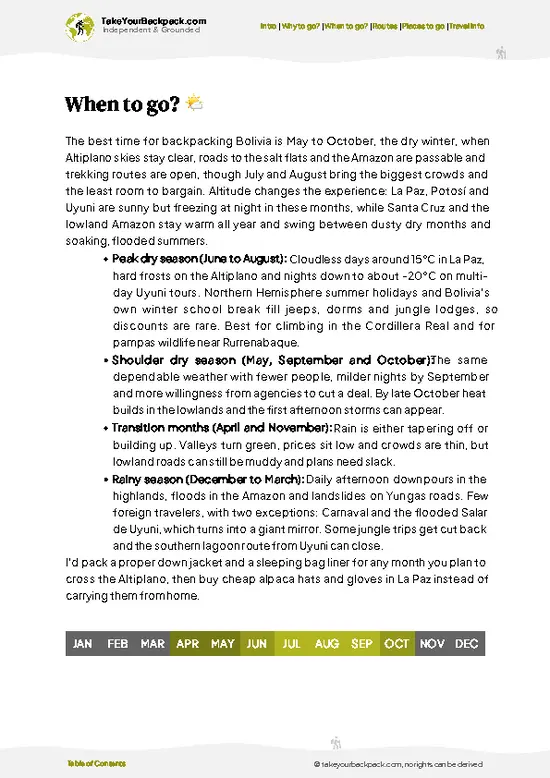
The Chaco War Room
This isn’t your sanitized, glass-case military exhibit. The Chaco War Room is dense with artifacts—mud-caked boots, faded uniforms, and the kind of hand-drawn maps that look like they were sketched in a trench. The room is cramped, almost claustrophobic, … read more 👉
Let’s get real: you don’t come to a museum in La Paz expecting to find a tank perched on the roof, but here it is—a battered, real-deal armored vehicle from the Chaco War, looming over the city like a stubborn ghost. It’s not just a photo op (though, yes, everyone takes one); it’s a blunt reminder of Bolivia’s turbulent past, and the audacity of putting war trophies on display for all to see. If you want a museum piece that feels like it’s staring right back at you, this is it.
The Chaco War Room
This isn’t your sanitized, glass-case military exhibit. The Chaco War Room is dense with artifacts—mud-caked boots, faded uniforms, and the kind of hand-drawn maps that look like they were sketched in a trench. The room is cramped, almost claustrophobic, … read more 👉
The Rooftop Panzer: Bolivia’s “Tank on a Pedestal”
Let’s get real: you don’t come to a museum in La Paz expecting to find a tank perched on the roof, but here it is—a battered, real-deal armored vehicle from the Chaco War, looming over the city like a stubborn ghost. It’s not just a photo op (though, yes, everyone takes one); it’s a blunt reminder of Bolivia’s turbulent past, and the audacity of putting war trophies on display for all to see. If you want a museum piece that feels like it’s staring right back at you, this is it.
The Chaco War Room
This isn’t your sanitized, glass-case military exhibit. The Chaco War Room is dense with artifacts—mud-caked boots, faded uniforms, and the kind of hand-drawn maps that look like they were sketched in a trench. The room is cramped, almost claustrophobic, and that’s the point: you feel the desperation, the resourcefulness, and the heartbreak of a war that most outsiders have never even heard of. If you want to understand Bolivia’s national psyche, start here.
Revolutionary Propaganda Posters
Forget the Instagrammable murals—these are the real deal. Original posters from the 1952 Revolution, splashed with bold colors and slogans that still feel electric. They’re not just relics; they’re proof that art can be a weapon. You’ll see the faces of miners and peasants, fists raised, demanding change. It’s raw, it’s loud, and it’s impossible to ignore. If you want to feel the pulse of a country in upheaval, stand in front of these for a while.
The Presidential Balcony
Most people miss this: a modest, slightly battered balcony that once belonged to the Palacio Quemado, Bolivia’s presidential palace. It’s tucked away, but if you find it, you’re standing where history happened—where leaders addressed crowds, and sometimes, where coups were announced. It’s not glamorous, but it’s loaded with the kind of quiet gravity that makes you stop and imagine the roar of a thousand voices below.
The Miners’ Artifacts (Personal Favorite)
This is where the museum stops being about generals and presidents and starts being about the people who actually made the revolution happen. Helmets dented from real use, dynamite sticks (deactivated, don’t worry), and the battered tools of Bolivia’s legendary miners. These aren’t props—they’re the backbone of the revolution, and seeing them up close is a gut-punch reminder of what sacrifice looks like. If you want to understand Bolivia, you have to understand its miners. This is the soul of the museum, and it’s why I keep coming back.
The Mural of the Revolution
Not some sanitized, government-commissioned mural, but a sprawling, chaotic painting that feels like it was painted in the heat of the moment. It’s messy, it’s passionate, and it’s honest. You’ll see faces twisted in anger and hope, rifles and shovels side by side. It’s the revolution in all its complexity—no filters, no apologies. Stand in front of it and let it hit you.
Let’s get real: you don’t come to a museum in La Paz expecting to find a tank perched on the roof, but here it is—a battered, real-deal armored vehicle from the Chaco War, looming over the city like a stubborn ghost. It’s not just a photo op (though, yes, everyone takes one); it’s a blunt reminder of Bolivia’s turbulent past, and the audacity of putting war trophies on display for all to see. If you want a museum piece that feels like it’s staring right back at you, this is it.
The Chaco War Room
This isn’t your sanitized, glass-case military exhibit. The Chaco War Room is dense with artifacts—mud-caked boots, faded uniforms, and the kind of hand-drawn maps that look like they were sketched in a trench. The room is cramped, almost claustrophobic, and that’s the point: you feel the desperation, the resourcefulness, and the heartbreak of a war that most outsiders have never even heard of. If you want to understand Bolivia’s national psyche, start here.
Revolutionary Propaganda Posters
Forget the Instagrammable murals—these are the real deal. Original posters from the 1952 Revolution, splashed with bold colors and slogans that still feel electric. They’re not just relics; they’re proof that art can be a weapon. You’ll see the faces of miners and peasants, fists raised, demanding change. It’s raw, it’s loud, and it’s impossible to ignore. If you want to feel the pulse of a country in upheaval, stand in front of these for a while.
The Presidential Balcony
Most people miss this: a modest, slightly battered balcony that once belonged to the Palacio Quemado, Bolivia’s presidential palace. It’s tucked away, but if you find it, you’re standing where history happened—where leaders addressed crowds, and sometimes, where coups were announced. It’s not glamorous, but it’s loaded with the kind of quiet gravity that makes you stop and imagine the roar of a thousand voices below.
The Miners’ Artifacts (Personal Favorite)
This is where the museum stops being about generals and presidents and starts being about the people who actually made the revolution happen. Helmets dented from real use, dynamite sticks (deactivated, don’t worry), and the battered tools of Bolivia’s legendary miners. These aren’t props—they’re the backbone of the revolution, and seeing them up close is a gut-punch reminder of what sacrifice looks like. If you want to understand Bolivia, you have to understand its miners. This is the soul of the museum, and it’s why I keep coming back.
The Mural of the Revolution
Not some sanitized, government-commissioned mural, but a sprawling, chaotic painting that feels like it was painted in the heat of the moment. It’s messy, it’s passionate, and it’s honest. You’ll see faces twisted in anger and hope, rifles and shovels side by side. It’s the revolution in all its complexity—no filters, no apologies. Stand in front of it and let it hit you.
Spotted a mistake or missing something? Contact us.
v2.webp)


Best Backpacking
Hi, I’m Johan (Netherlands 🇳🇱), the creator of TakeYourBackpack. Over the past decade, I’ve backpacked through 80+ countries across six continents, gaining extensive experience with independent travel, long-term trips, and overland routes.