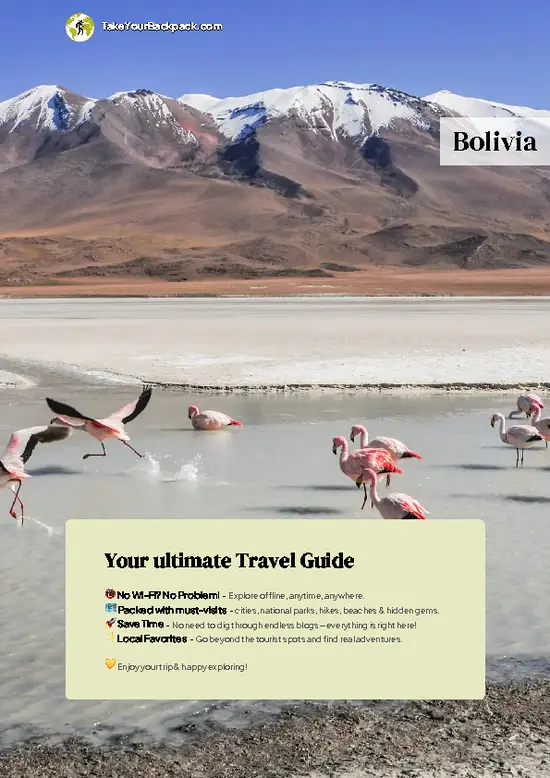
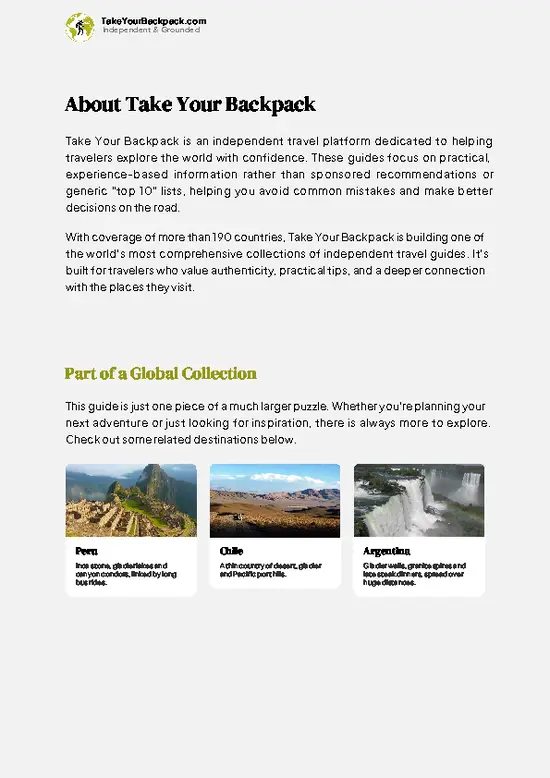
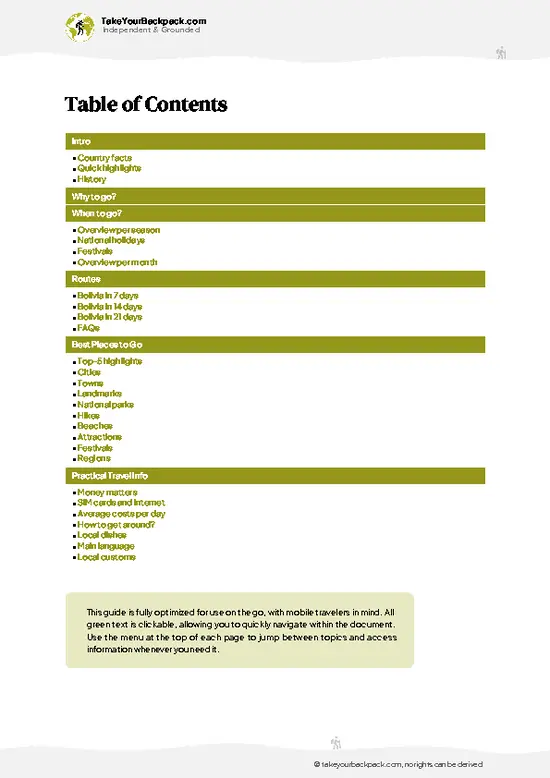
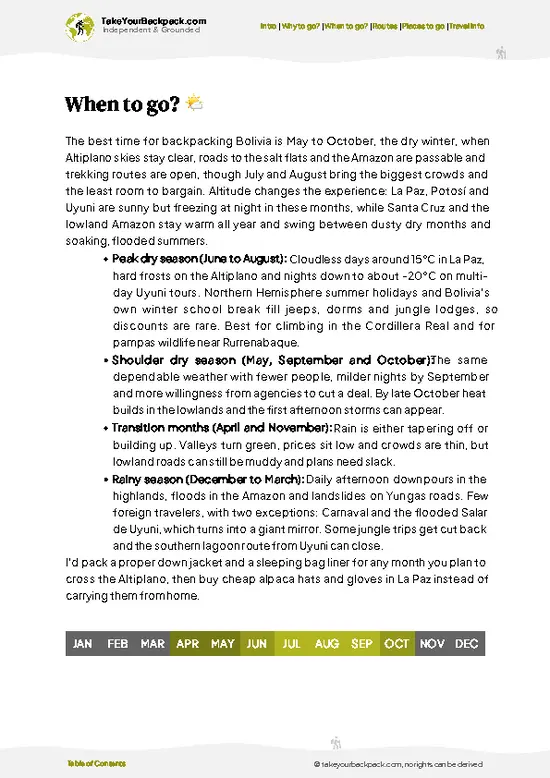
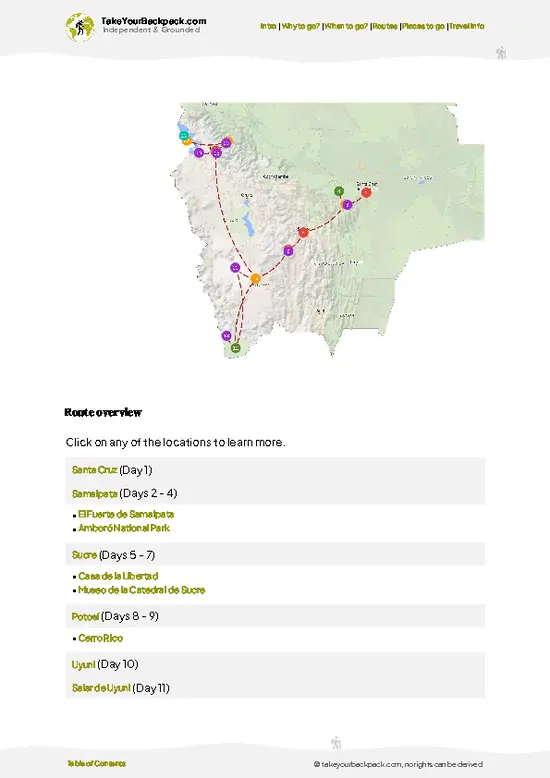
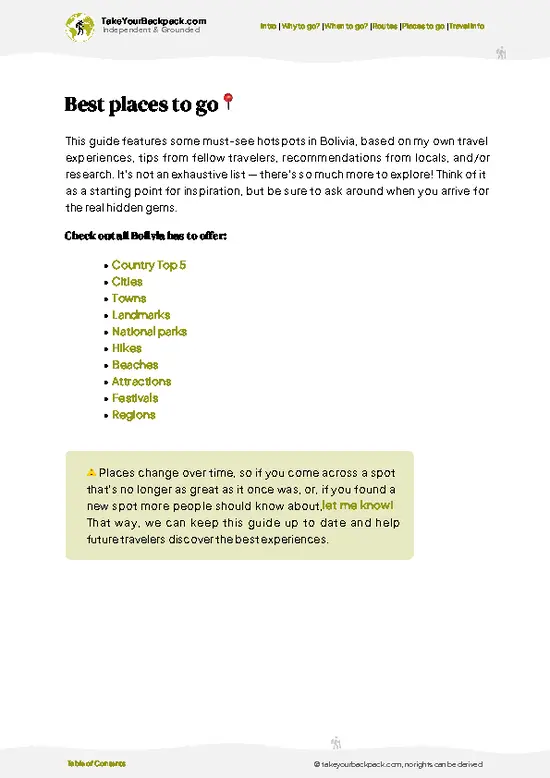
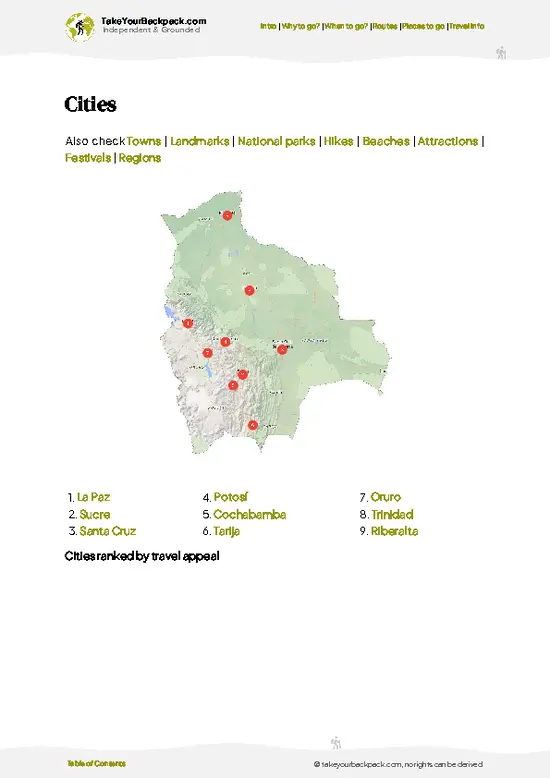
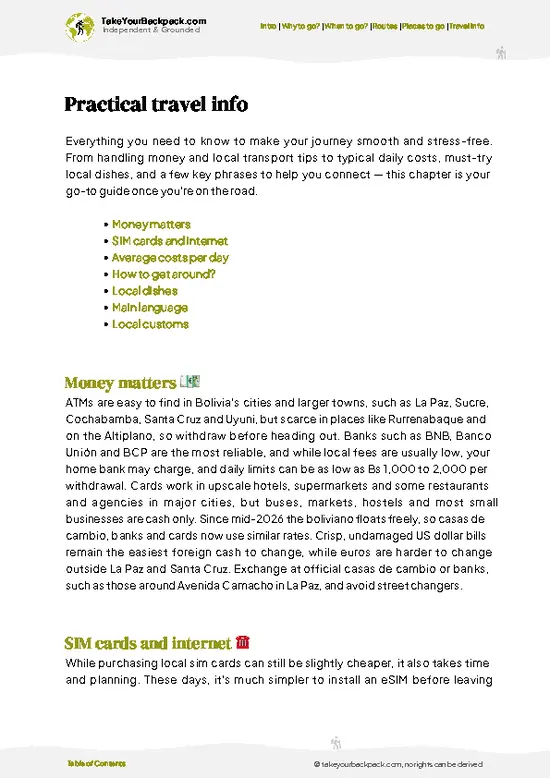
The Gold RoomIf you’re expecting a dusty display case and a few coins, you’re in for a shock. The Gold Room is the museum’s flex—an entire chamber dedicated to pre-Columbian goldwork that’s as intricate as anything you’ll see in Lima or Bogotá, but with a Bolivian twist. These aren’t just trinkets; they’re ceremonial objects, nose rings, and breastplates that once belonged to the region’s most powerful. The artistry is raw and direct, with jaguar faces and geometric patterns that feel more punk than precious. You’ll see how gold was less about bling and more about power, spirituality, and survival.
The Silver and Copper ArtifactsBolivia’s mining history is brutal, and this collection doesn’t sugarcoat it. The silver and copper pieces here are tough, utilitarian, and sometimes downright weird—think … read more 👉
The Gold RoomIf you’re expecting a dusty display case and a few coins, you’re in for a shock. The Gold Room is the museum’s flex—an entire chamber dedicated to pre-Columbian goldwork that’s as intricate as anything you’ll see in Lima or Bogotá, but with a Bolivian twist. These aren’t just trinkets; they’re ceremonial objects, nose rings, and breastplates that once belonged to the region’s most powerful. The artistry is raw and direct, with jaguar faces and geometric patterns that feel more punk than precious. You’ll see how gold was less about bling and more about power, spirituality, and survival.
The Silver and Copper ArtifactsBolivia’s mining history is brutal, and this collection doesn’t sugarcoat it. The silver and copper pieces here are tough, utilitarian, and sometimes downright weird—think ritual axes, ceremonial knives, and jewelry that looks like it could double as a weapon. There’s a direct line from these objects to the colonial silver boom that built (and broke) Potosí. If you want to understand why Bolivia’s mountains are both a blessing and a curse, start here.
The Tiahuanaco CollectionForget the textbook version of Andean civilization. The Tiahuanaco artifacts in this museum are the real deal: carved stone figures, ceremonial vessels, and metalwork from a culture that predates the Inca by centuries. The designs are bold, almost alien, with faces that stare you down and patterns that seem to pulse with meaning. This is the kind of collection that makes you realize how much history gets flattened in the tourist brochures. It’s dense, mysterious, and absolutely worth your time.
The Courtyard and Colonial MansionHere’s the curveball: the museum itself is housed in a 17th-century colonial mansion, complete with a sun-drenched courtyard and creaking wooden floors. This isn’t just a backdrop. The building is a living artifact, and wandering its halls gives you a sense of how the old and new collide in La Paz. Take a moment to sit in the courtyard—this is where the city’s noise fades and the weight of centuries settles in. This is my personal favorite; it’s the kind of place where you can feel the layers of history pressing in from all sides.
The Gold Mask of the Señor de SipánThis isn’t just a pretty face. The gold mask, attributed to the Señor de Sipán, is a showstopper—delicate, haunting, and loaded with symbolism. It’s the kind of artifact that makes you stop in your tracks, not because it’s flashy, but because it radiates a kind of quiet authority. You won’t find crowds jostling for selfies here; you’ll find people standing in silence, trying to decode the past. That’s the real magic.
The Silver and Copper ArtifactsBolivia’s mining history is brutal, and this collection doesn’t sugarcoat it. The silver and copper pieces here are tough, utilitarian, and sometimes downright weird—think ritual axes, ceremonial knives, and jewelry that looks like it could double as a weapon. There’s a direct line from these objects to the colonial silver boom that built (and broke) Potosí. If you want to understand why Bolivia’s mountains are both a blessing and a curse, start here.
The Tiahuanaco CollectionForget the textbook version of Andean civilization. The Tiahuanaco artifacts in this museum are the real deal: carved stone figures, ceremonial vessels, and metalwork from a culture that predates the Inca by centuries. The designs are bold, almost alien, with faces that stare you down and patterns that seem to pulse with meaning. This is the kind of collection that makes you realize how much history gets flattened in the tourist brochures. It’s dense, mysterious, and absolutely worth your time.
The Courtyard and Colonial MansionHere’s the curveball: the museum itself is housed in a 17th-century colonial mansion, complete with a sun-drenched courtyard and creaking wooden floors. This isn’t just a backdrop. The building is a living artifact, and wandering its halls gives you a sense of how the old and new collide in La Paz. Take a moment to sit in the courtyard—this is where the city’s noise fades and the weight of centuries settles in. This is my personal favorite; it’s the kind of place where you can feel the layers of history pressing in from all sides.
The Gold Mask of the Señor de SipánThis isn’t just a pretty face. The gold mask, attributed to the Señor de Sipán, is a showstopper—delicate, haunting, and loaded with symbolism. It’s the kind of artifact that makes you stop in your tracks, not because it’s flashy, but because it radiates a kind of quiet authority. You won’t find crowds jostling for selfies here; you’ll find people standing in silence, trying to decode the past. That’s the real magic.
Spotted a mistake or missing something? Contact us.
v2.webp)


Best Backpacking
Hi, I’m Johan (Netherlands 🇳🇱), the creator of TakeYourBackpack. Over the past decade, I’ve backpacked through 80+ countries across six continents, gaining extensive experience with independent travel, long-term trips, and overland routes.