×

Bolivia🇧🇴 | townsPuerto Quijarrorail terminus, Pantanal edge, border transit | things to do and best time to go

Explore San Ignacio de VelascoExplore San José de Chiquitos

Backpacking in Puerto Quijarro
👌 Worth visitingtown ranked #18
By Johan Kruseman 🇳🇱 | Updated June 2, 2026

Puerto Quijarro is not for anyone chasing colonial charm, nightlife, or big-ticket sights; it’s a border workhorse, not a postcard. But that’s exactly why backpackers benefit from passing through. Sitting on Bolivia’s eastern edge by Brazil, near Corumbá, it’s a practical hinge in your route: trains and buses roll through, streets are walkable, and cheap rooms cluster near the station. Evenings are quiet, food is basic but filling, and you’ll meet more overlanders than party kids. Compared with Santa Cruz or Corumbá, it’s rougher, more functional, but easier on the wallet and useful as a staging point for crossing borders or pushing deeper into Bolivia.

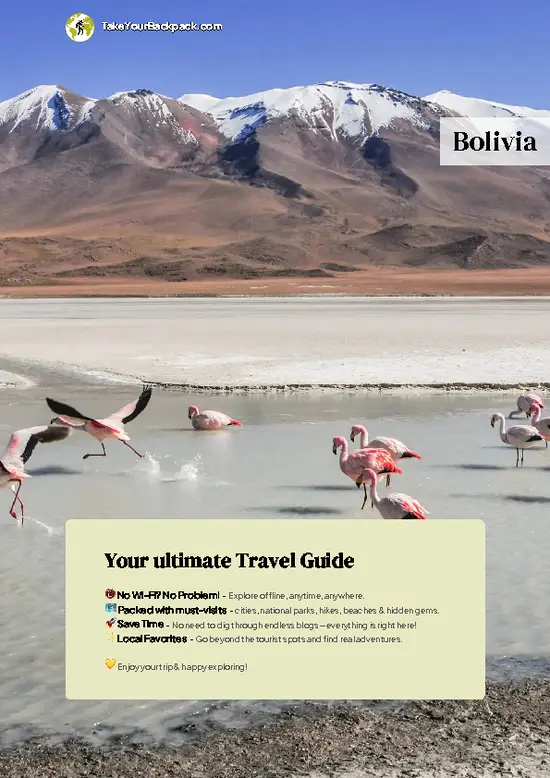
Discover everything you want to know in the 📖 Bolivia Travel Guide.


Get your Bolivia guide
82 ranked highlights, routes & tips, works offline (350 pages)
Loading the map 🌍
CLICK TO FILTER
cities
towns
landmarks
national parks
hikes
beaches
attractions
festivals
regions
SHOW COUNTRY’S BESTSHOW ALL

✨ Why go?
Ranked #18 town in Bolivia
What makes this town worth visiting

Puerto Quijarro serves as a gateway for backpackers heading to the Pantanal or Brazil. Its walkable streets make it easy to navigate, and the small-scale hostels offer a cozy, communal vibe. You’ll find friendly locals and fellow travelers sharing stories over hearty meals at local eateries, where the aroma of grilled meats fills the air.

Most backpackers stay briefly, often just a night or two, but those who linger soak in the laid-back atmosphere. It’s a place for slow travelers and solo adventurers who appreciate the simplicity of life here. The town isn’t about nightlife; it’s about connection and preparation for the adventures ahead. If you’re looking for a quick stop to recharge before diving into the wild, Puerto Quijarro is just the right blend of convenience and charm.
Want to include Puerto Quijarro in your Bolivia route?
Create a personalized Bolivia itinerary that includes Puerto Quijarro and the places that fit your trip — based on your travel style, budget, and available time. Get your route in seconds.

Generate my trip

💡 HighlightsTop highlights of Puerto Quijarro

  • Puerto Quijarro port (riverside docks) — The working heart of the town: crowded docks, barges and launch ramps on the Paraguay River. Great for watching real river commerce, catching a boat, and seeing how cargo moves between Bolivia and Brazil.
  • International border crossing to Corumbá — The pedestrian/vehicle crossing into Corumbá, Brazil. It’s raw, noisy and genuinely cross-border: customs, currency exchange stalls, and a chance to step into another country for lunch without flying.
  • Río Paraguay malecón / riverfront promenade — A short walk along the river where locals gather at sunset, fishermen pull in their catch, and informal food stalls sell grilled fish and coffee. Simple, social and very local.
  • Mercado Municipal — The town market where you’ll find seasonal produce, spices, river
read more 👉
  • Puerto Quijarro port (riverside docks) — The working heart of the town: crowded docks, barges and launch ramps on the Paraguay River. Great for watching real river commerce, catching a boat, and seeing how cargo moves between Bolivia and Brazil.
  • International border crossing to Corumbá — The pedestrian/vehicle crossing into Corumbá, Brazil. It’s raw, noisy and genuinely cross-border: customs, currency exchange stalls, and a chance to step into another country for lunch without flying.
  • Río Paraguay malecón / riverfront promenade — A short walk along the river where locals gather at sunset, fishermen pull in their catch, and informal food stalls sell grilled fish and coffee. Simple, social and very local.
  • Mercado Municipal — The town market where you’ll find seasonal produce, spices, river fish, and basic household goods. It’s the best place to sample home-style Bolivian snacks and watch daily life up close.
  • Railway terminus and freight yards — The end point for regional freight trains linking into Brazil. The yard has a gritty, industrial charm: rusting rolling stock, big diesel engines, and dockside activity that tells the story of regional trade.
  • Aduana and cargo warehouses — Not glamorous, but incredibly telling: stacked containers, documentation offices and truck convoys. Visiting gives you a real sense of how this border town earns its keep.
  • Riverside fish landing and fish market stalls — Early mornings are the best time to see the catch come in. Try local preparations of mandioca and freshly grilled dorado or pacu at tiny riverside stands.
  • Plaza central and the municipal hall — The town’s social hub: benches, a few street vendors and municipal buildings where townspeople meet. Good for people-watching and catching small local events or gatherings.
  • Bus terminal and transport hub — Small but busy: this is where long-distance buses, minibuses and boat charters connect. Useful for practical travel logistics and for observing the steady flow of people and goods through Puerto Quijarro.
  • Local eateries and churrasquerias — A cluster of modest restaurants and grills where Bolivian and Brazilian flavors mix—simple beef cuts, river fish and regional sides. Food here is honest, cheap and a real taste of border culture.
A few good day trips nearby: cross into Corumbá (Brazil) for markets and riverside life, take a boat trip into the Bolivian Pantanal wetlands, or visit nearby frontier towns like Puerto Suárez — my personal favorite is a slow boat out into the Pantanal at dawn for wildlife and quiet rivers.
Spotted a mistake or missing something? Contact us.
🏘️ NeighborhoodsKey areas and districts to know

Puerto Quijarro is a bustling gateway to Bolivia, rich in culture and energy. Here’s how to navigate its neighborhoods for a smooth backpacking experience.

Centro: This is the heart of Puerto Quijarro. You’ll find vibrant markets, local eateries, and a lively atmosphere. It’s walkable, with everything you need within a few blocks. Prices are reasonable, making it ideal for budget travelers. The nightlife is modest but lively, with a few bars where you can mingle with locals. Perfect for short stays.

Zona Franca: Known for its commercial vibe, this area is a bit more chaotic. It’s less touristy, which means you’ll get a more authentic Bolivian experience. While it’s not as walkable, public transport is readily available. Prices can vary, but you can find some good deals. This area suits longer … read more 👉
Puerto Quijarro is a bustling gateway to Bolivia, rich in culture and energy. Here’s how to navigate its neighborhoods for a smooth backpacking experience.

Centro: This is the heart of Puerto Quijarro. You’ll find vibrant markets, local eateries, and a lively atmosphere. It’s walkable, with everything you need within a few blocks. Prices are reasonable, making it ideal for budget travelers. The nightlife is modest but lively, with a few bars where you can mingle with locals. Perfect for short stays.

Zona Franca: Known for its commercial vibe, this area is a bit more chaotic. It’s less touristy, which means you’ll get a more authentic Bolivian experience. While it’s not as walkable, public transport is readily available. Prices can vary, but you can find some good deals. This area suits longer stays if you want to immerse yourself in local life.

Las Lomas: A quieter neighborhood, Las Lomas offers a more relaxed atmosphere. It’s a bit farther from the action, but the tranquility is worth it. Ideal for those seeking a break from the hustle. Accommodations here are slightly pricier, but you’ll enjoy peace and comfort. Great for longer stays or if you need to recharge.

⌛️ 1 dayWhat you can realistically do in a day

Puerto Quijarro, a bustling border town, offers a unique blend of Bolivian culture and the vibrant pulse of life near the Brazilian frontier. The air is thick with the scent of grilled meats and the chatter of locals, creating an atmosphere that feels alive and welcoming.

Start your morning at the Mercado Central. The sun filters through the colorful awnings, illuminating stalls brimming with fresh produce and local delicacies. Grab a hearty breakfast of salteñas—savory pastries filled with meat and spices. The warmth of the flaky crust and the burst of flavor will fuel your day.

After breakfast, wander through the nearby Parque de la Independencia. This green space is a local favorite, where families gather and children play. Take a moment to soak in the sounds of laughter and the rustling … read more 👉
Puerto Quijarro, a bustling border town, offers a unique blend of Bolivian culture and the vibrant pulse of life near the Brazilian frontier. The air is thick with the scent of grilled meats and the chatter of locals, creating an atmosphere that feels alive and welcoming.

Start your morning at the Mercado Central. The sun filters through the colorful awnings, illuminating stalls brimming with fresh produce and local delicacies. Grab a hearty breakfast of salteñas—savory pastries filled with meat and spices. The warmth of the flaky crust and the burst of flavor will fuel your day.

After breakfast, wander through the nearby Parque de la Independencia. This green space is a local favorite, where families gather and children play. Take a moment to soak in the sounds of laughter and the rustling leaves. It’s a slice of everyday life that often gets overlooked by tourists.

In the afternoon, head to the lesser-known neighborhood of Villa El Carmen. Here, you’ll find charming streets lined with colorful houses and murals that tell stories of the town’s history. Stop by a local café for a refreshing api, a traditional drink made from corn, and chat with the friendly baristas who are eager to share their stories.

As evening falls, make your way to the train station. The old colonial architecture is a sight to behold, especially as the sun sets, casting a golden hue over the buildings. Grab dinner at a nearby restaurant, where the grilled fish is a must-try. The flavors are simple yet profound, reflecting the heart of Bolivian cuisine.

End your day by strolling along the riverbank, where the sounds of the water create a soothing backdrop. The day may have been packed with activities, but the warmth of the community and the richness of the experiences will linger long after you leave.
Turn your Puerto Quijarro visit into an Bolivia adventure
Build a complete Bolivia route with Puerto Quijarro, hidden gems, must-see destinations, and realistic travel times included.

Generate my trip

🌤️ When to go?Seasonal considerations and timing


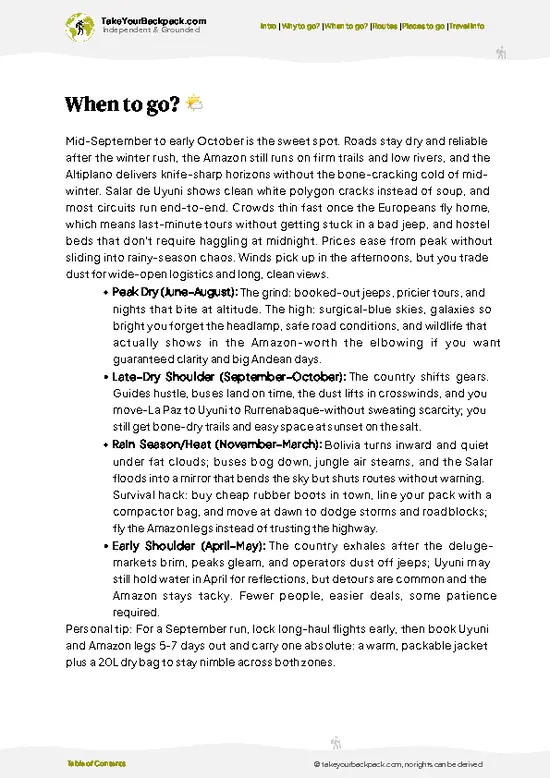
  • Weather: The dry season from May to October offers clearer skies and less humidity, making trekking and exploring far easier than the muggy, rain-soaked months of November to April.

  • Temperature: Expect highs around 28°C (82°F) in the dry season, with cooler nights dipping to 15°C (59°F). The wet season pushes temps higher and sticks you in sticky heat.

  • Daylight Hours: Daylight stays steady year-round, roughly 11 to 12 hours, so early starts are always your friend to beat the heat and maximize adventure time.

  • Crowds: Tourist traffic is low year-round, but the dry season draws more local visitors, especially on weekends, adding a lively buzz without overwhelming the town.

  • Seasonal Activities: Dry months are prime for river excursions and wildlife spotting; the wet season floods some
read more 👉

  • Weather: The dry season from May to October offers clearer skies and less humidity, making trekking and exploring far easier than the muggy, rain-soaked months of November to April.

  • Temperature: Expect highs around 28°C (82°F) in the dry season, with cooler nights dipping to 15°C (59°F). The wet season pushes temps higher and sticks you in sticky heat.

  • Daylight Hours: Daylight stays steady year-round, roughly 11 to 12 hours, so early starts are always your friend to beat the heat and maximize adventure time.

  • Crowds: Tourist traffic is low year-round, but the dry season draws more local visitors, especially on weekends, adding a lively buzz without overwhelming the town.

  • Seasonal Activities: Dry months are prime for river excursions and wildlife spotting; the wet season floods some trails but brings lush greenery and bird migrations.

  • Prices: Accommodation and tours dip in the wet season due to fewer visitors, but expect to pay a premium for comfort and reliability during the dry months.


Pro-tip: Visit just as the dry season kicks in—May or June—when the air is crisp, the crowds are manageable, and the landscape is waking up from the rains.


source: climatestotravel.comJANJanuary: fair for travelingFEBFebruary: fair for travelingMARMarch: fair for travelingAPRApril: good for travelingMAYMay: excellent for travelingJUNJune: excellent for travelingJULJuly: highly recommended for travelingAUGAugust: highly recommended for travelingSEPSeptember: highly recommended for travelingOCTOctober: highly recommended for travelingNOVNovember: fair for travelingDECDecember: fair for traveling
when-to-go

✈️ The backpacker research shortcutBolivia Travel Guide

An offline-friendly backpacking guide with optimized travel routes, ranked highlights, transport advice, and the best areas to stay.
example page 0 from our offline Travel Guide for Bolivia
example page 1 from our offline Travel Guide for Bolivia
example page 2 from our offline Travel Guide for Bolivia
example page 3 from our offline Travel Guide for Bolivia
example page 4 from our offline Travel Guide for Bolivia
example page 5 from our offline Travel Guide for Bolivia
example page 6 from our offline Travel Guide for Bolivia
example page 7 from our offline Travel Guide for Bolivia
The digital guide (350 pages) contains:
82 highlights, ranked by travel appeal
Optimized 7, 14 & 21-day travel routes
Cities, national parks, landmarks, beaches
How to get around
Offline-friendly for travel without Wi-Fi
👉 Click to see all 30+ guide features

📅 Plan smarter in minutes, not weeks
Month by month travel advice
Festivals & national holidays
Budget expectations

🗺️ Go to the right places, skip the overrated ones
Honest pros & cons of destinations
Top hikes, parks & viewpoints
Lesser-known places most travelers miss
Clear “worth it vs skip it” guidance

🛏️ Travel smoothly without rookie mistakes
Best areas to stay
Transport systems explained simply
Common scams & safety advice
SIM cards, money & practical tips

🌍 Understand the country, not just visit it
Culture & traditions
52 Essential phrases & customs
Festivals worth planning around
Traveler-friendly historical context
Insights that make places more meaningful

📱 Built for real travel conditions
Fully downloadable PDF
Works completely offline
Optimized for phone use
Useful in remote areas & buses
Everything in one place
Save weeks of stressful planning
Get instant access to your full guide. 30‑day money-back guarantee.


By proceeding you agree to our terms.
Sent to your inbox immediately after payment • 100% Secure Checkout
Best Backpacking Travel Advisor 2025 tourism awardBest Backpacking
Travel Advisor
2025
What others say about Take Your Backpack Guides:
⭐⭐⭐⭐⭐
Fantastic, amazing amount of information!
⭐⭐⭐⭐⭐
My goodness this is amazing, it's what I've been looking for hats off too you!
⭐⭐⭐⭐⭐
I think this is absolutely BRILLIANT
⭐⭐⭐⭐
Very complete and informative. It's still missing places, but I gotta to commend you
⭐⭐⭐⭐⭐
This is truly amazing, thank you, can't wait to explore it with my kids!
⭐⭐⭐⭐⭐
Awesome resource, thank you!
⭐⭐⭐⭐⭐
This is amazing! Can't wait to explore the ones I haven't seen
⭐⭐⭐⭐
I love this! Well done, great idea.
⭐⭐⭐⭐⭐
Thanks for taking the time to make this gem!
⭐⭐⭐⭐⭐
This might be the best website I've ever seen.
⭐⭐⭐⭐⭐
Congratulations, and thank you so much for your work; it's incredibly valuable.
⭐⭐⭐⭐
In all seriousness I think you did a great job pointing out the important spots
⭐⭐⭐⭐⭐
10/10 very good
⭐⭐⭐⭐⭐
As someone who's only just starting to visit regularly this is awesome, thank you.
⭐⭐⭐⭐
Thank you very much! I'm going to visit my dad, it's going to be very useful!
⭐⭐⭐⭐⭐
This is really cool! We'll be travelling for the first time and this definitely come in handy.
⭐⭐⭐⭐⭐
You are now our minister of culture, congratulations 👨‍💼
⭐⭐⭐⭐⭐
Just wanted to tell you that this is a pearl! Going to follow your recommendations.
⭐⭐⭐⭐⭐
This is so cool. I'll definitely be using the resource for my travels soon.
⭐⭐⭐⭐⭐
This is very impressive! Good work.
⭐⭐⭐⭐⭐
This is an amazing and informative site. Very well done!

🛏️ Where to stay?How to pick the right area

In Puerto Quijarro, the best spot for backpackers is the area around the town center near the main market and riverfront. This neighborhood hums with local life—vendors shouting, the scent of fresh grilled fish mingling with river air—and it’s where budget travelers naturally cluster. Staying here means easy access to basic amenities, cheap eats, and a handful of hostels that cater to solo adventurers looking to swap stories over a cold drink. The streets are lively but not chaotic, offering a sense of safety through constant foot traffic and familiar faces. Compared to the quieter, more residential … read more 👉
In Puerto Quijarro, the best spot for backpackers is the area around the town center near the main market and riverfront. This neighborhood hums with local life—vendors shouting, the scent of fresh grilled fish mingling with river air—and it’s where budget travelers naturally cluster. Staying here means easy access to basic amenities, cheap eats, and a handful of hostels that cater to solo adventurers looking to swap stories over a cold drink. The streets are lively but not chaotic, offering a sense of safety through constant foot traffic and familiar faces. Compared to the quieter, more residential outskirts, this central zone keeps you plugged into the town’s pulse, making it easier to connect and navigate without the hassle of taxis or long walks.

🚌 Getting aroundTransportation options and practical tips

Puerto Quijarro moves at the pace of the river that skirts it—steady, unhurried, and a little unpredictable. This isn’t a place where timetables rule your day; instead, you’ll find yourself syncing with the ebb and flow of local rhythms. The air carries a mix of diesel and fresh earth, a reminder that this border town is a gateway and a working hub. Expect a blend of informal hustle and patient waiting, where the best travel moments come from reading the room, not the clock. The streets hum with the chatter of traders and travelers, and your best bet is to lean into that organic pulse rather than fight it.


  • Walking: The heart of Puerto Quijarro is compact enough to explore on foot, letting you soak in the humid air and street sounds. Walking is free, flexible, and the best way to catch
read more 👉
Puerto Quijarro moves at the pace of the river that skirts it—steady, unhurried, and a little unpredictable. This isn’t a place where timetables rule your day; instead, you’ll find yourself syncing with the ebb and flow of local rhythms. The air carries a mix of diesel and fresh earth, a reminder that this border town is a gateway and a working hub. Expect a blend of informal hustle and patient waiting, where the best travel moments come from reading the room, not the clock. The streets hum with the chatter of traders and travelers, and your best bet is to lean into that organic pulse rather than fight it.


  • Walking: The heart of Puerto Quijarro is compact enough to explore on foot, letting you soak in the humid air and street sounds. Walking is free, flexible, and the best way to catch the town’s raw character up close.

  • Local Buses: These run sporadically from early morning until late afternoon, costing just a few bolivianos. They’re slow and often crowded but perfect for budget travelers aiming to reach nearby neighborhoods or the border crossing without fuss.

  • Shared Taxis: Operating on a semi-fixed route, shared taxis leave once full, usually between 6 AM and 6 PM. They’re faster than buses and offer a bit more comfort, though you’ll need to be ready to hop in when the moment feels right.

  • Motorcycle Taxis: For short hops around town, these dart through traffic with agility. They’re cheap and quick but hold on tight—the ride is bumpy, and helmets aren’t always guaranteed.

  • Boat Services: If you’re crossing into Brazil or exploring the river, small boats depart irregularly, often negotiated on the spot. It’s a slow, scenic option that doubles as a cultural immersion, but plan for flexible timing and variable comfort.

👛 Costs (as of 20 February 2026)How expensive it really is

Backpacking in Puerto Quijarro, Bolivia, means stepping into a border town where the pace is slow, the air carries a mix of river humidity and diesel from passing trucks, and your budget can stretch surprisingly far if you know where to look.
  • Dorm Accommodation: Expect to pay around $5 to $10 USD per night for a basic dorm bed. The options are limited and simple—think fan rooms with shared bathrooms. It’s not about luxury here; it’s about a clean, safe spot to crash after a day of exploring or border crossing.
  • Meals: Street food and small local eateries dominate. A filling meal of grilled meat, rice, and beans will run you about $2 to $4 USD. If you stick to local fare like salteñas or a plate of sopa, you can eat well for under $3. Avoid touristy spots near the border crossing for better
read more 👉
Backpacking in Puerto Quijarro, Bolivia, means stepping into a border town where the pace is slow, the air carries a mix of river humidity and diesel from passing trucks, and your budget can stretch surprisingly far if you know where to look.
  • Dorm Accommodation: Expect to pay around $5 to $10 USD per night for a basic dorm bed. The options are limited and simple—think fan rooms with shared bathrooms. It’s not about luxury here; it’s about a clean, safe spot to crash after a day of exploring or border crossing.
  • Meals: Street food and small local eateries dominate. A filling meal of grilled meat, rice, and beans will run you about $2 to $4 USD. If you stick to local fare like salteñas or a plate of sopa, you can eat well for under $3. Avoid touristy spots near the border crossing for better prices and more authentic flavors.
  • Local Transport: Walking is king in Puerto Quijarro, but if you need a ride, moto-taxis are the go-to. A short trip costs about $0.50 to $1 USD. For longer hauls, buses or shared taxis might push you closer to $2 to $3. The town is small, so transport costs stay low if you plan your routes.
  • Basic Activities/Entry Fees: Puerto Quijarro isn’t a hotspot for paid attractions. Most of the charm lies in wandering the riverfront or crossing into Brazil. If you do visit any local markets or small museums, budget around $1 to $3 USD. The real cost here is time and curiosity, not cash.
  • Miscellaneous Expenses: Bottled water, snacks, and occasional internet access will add about $1 to $2 USD daily. Keep some small bills handy for border fees or unexpected expenses, but overall, these extras stay minimal.

All told, you’re looking at roughly $10 to $20 USD per day to cover the essentials in Puerto Quijarro. It’s a place where the modest budget matches the laid-back vibe—no frills, just the basics done well enough to keep you moving forward. The town’s simplicity means every dollar saved here can go toward your next adventure, whether that’s deeper into Bolivia or across the border into Brazil.
⚠️ Prices can change and everyone travels differently, so take this as a rough guide. Hope it helps you plan your adventure!

🚌 Day tripsEasy escapes and nearby places

Puerto Quijarro is a backpacker’s gateway to some of Bolivia’s most captivating experiences, all while keeping your base camp cozy and accessible.

1. Pantanal Wildlife Tour
Just a few hours away, the Pantanal is a sprawling wetland teeming with wildlife. You’ll spot caimans, capybaras, and a kaleidoscope of birds. The journey takes about 3 hours by bus, costing around $10. The best time to visit is during the dry season, from May to September, when animals congregate around water sources. A common mistake? Underestimating the need for insect repellent; those mosquitoes can be relentless.


2. Corumbá, Brazil
Cross the border to Corumbá for a taste of Brazilian culture and a stroll along the Paraguay River. It’s a quick 30-minute ride, costing about $5. Enjoy local feijoada or sip on … read more 👉
Puerto Quijarro is a backpacker’s gateway to some of Bolivia’s most captivating experiences, all while keeping your base camp cozy and accessible.

1. Pantanal Wildlife Tour
Just a few hours away, the Pantanal is a sprawling wetland teeming with wildlife. You’ll spot caimans, capybaras, and a kaleidoscope of birds. The journey takes about 3 hours by bus, costing around $10. The best time to visit is during the dry season, from May to September, when animals congregate around water sources. A common mistake? Underestimating the need for insect repellent; those mosquitoes can be relentless.


2. Corumbá, Brazil
Cross the border to Corumbá for a taste of Brazilian culture and a stroll along the Paraguay River. It’s a quick 30-minute ride, costing about $5. Enjoy local feijoada or sip on a caipirinha while soaking in the vibrant atmosphere. The best time to visit is during the dry season, when the weather is pleasant. Many first-timers overlook the need for a passport stamp; don’t forget to bring your documents!


3. Parque Nacional Noel Kempff Mercado
For a more rugged adventure, head to this national park, about 5 hours away. The park is a biodiversity hotspot, featuring stunning waterfalls and ancient rock formations. Expect to spend around $15 on transport. The dry season is ideal for hiking, but be prepared for a long day. A common misstep is not packing enough water; the trails can be deceptively demanding.


4. San Matías
This charming town is a 4-hour bus ride from Puerto Quijarro, costing around $8. Known for its friendly locals and rich culture, San Matías offers a glimpse into rural Bolivian life. The best time to visit is during the harvest season, when the fields are alive with activity. Many travelers miss out on the local markets; make sure to explore them for authentic crafts and food.
Want to know what more Bolivia offers?
The Bolivia Travel Guide describes 82 highlights, from cities to national parks, from beaches to hikes

Get the Travel Guide -

🛡️ SafetyTraveler Safety Guide

Puerto Quijarro is generally safe, but a few practical tips can enhance your experience. Stick to well-lit areas at night, especially around the bus terminal and main square. Solo travelers should blend in; avoid drawing attention with flashy gear or excessive cash.

Watch for common scams, like inflated taxi fares or overly friendly locals offering unsolicited help. If someone approaches you, keep your distance and politely decline.

Annoyances can include persistent street vendors. A simple, firm “no, gracias” usually does the trick. Carry a small amount of local currency for small purchases, as larger bills can attract unwanted attention. Stay aware, keep your belongings close, and enjoy the vibrant atmosphere.

Other Bolivian towns near Puerto Quijarro

Explore more nearby:


💡 Not sure where to go next?
Create a personalized itinerary for Bolivia including Puerto Quijarro and the places that fit your trip.

Generate my itinerary

👉 Discover all towns

Or checkout all Bolivia has to offer (think cities, towns, villages, national parks, hikes, beaches, festivals)
Country photo of Bolivia

We 💚 feedbackParting advice and final tips

Puerto Quijarro pulses with the raw energy of the border. The scent of grilled street food mingles with the chatter of travelers and locals, creating a vibrant atmosphere. But be ready for the heat—both from the sun and the hustle. It’s not a polished destination, but that’s where the charm lies. Embrace the chaos, and you’ll find stories worth sharing. Just don’t forget your sunscreen.

✈️ When did I visit Bolivia?
Bolivia I visited during my half year trip through South and Central America back in 2003

✍️ Help improve this page!
The information on this page is based on my own backpacking experience in Bolivia, supplemented with up-to-date research and feedback from other travelers. Travel details can change, so if you notice anything outdated or incomplete, feel free to let me know.


🙋‍♂️ Give feedback

👋 Meet the founderWho’s Behind Take Your Backpack?

Johan, backpacker and founder of TakeYourBackpackHi, I’m Johan (Netherlands 🇳🇱), the creator of TakeYourBackpack. Over the past decade, I’ve backpacked through 80+ countries across six continents, gaining extensive experience with independent travel, long-term trips, and overland routes.

This site is built on a combination of firsthand travel experience and carefully curated insights from other backpackers. Many guides are based on places I’ve personally visited, while others bring together tips, observations, and practical advice shared by trusted travelers I’ve met along the way.

The goal is to provide realistic, experience-driven guidance — not generic itineraries — so you can explore destinations with better context, clearer expectations, and more confidence.

Get full Bolivia guide •
Instant download • 82 highlights • Full Offline guide