v2.webp)
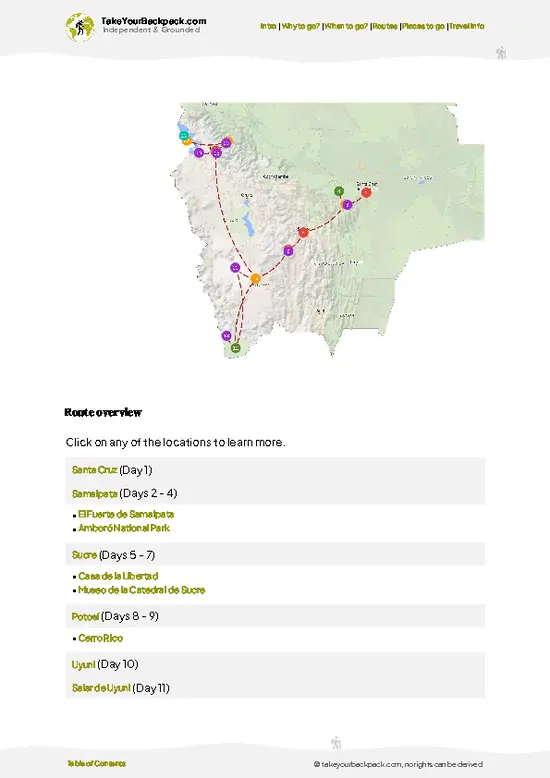
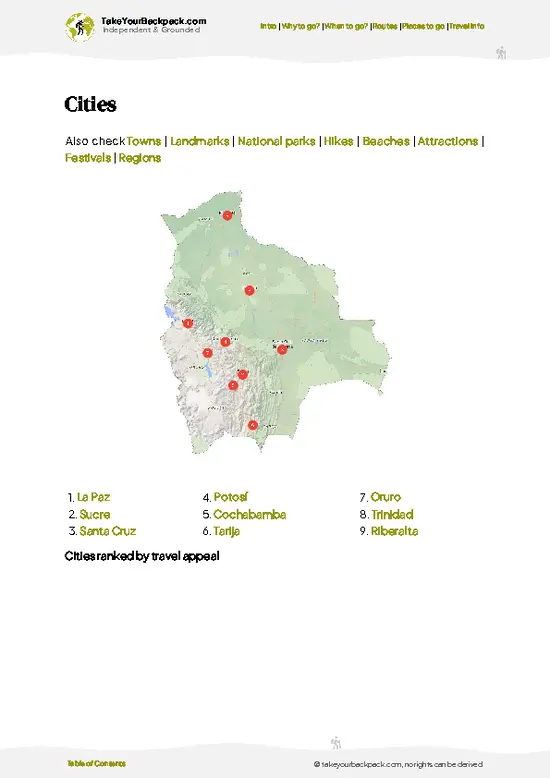
- Quebrada de Palala and El Sillar: The red canyon walls, rock fins and cactus slopes are the reason people come. Go in the morning or late afternoon when the colors deepen. Guided horseback tours cost roughly US$25 to 40 for half a day, 3 to 4 hours.
- Plaza Principal: The shaded square is the town’s living room, with benches, old trees and families after sunset. Go in the evening. Free, 30 to 45 minutes.
- Mercado Central: Stalls sell fruit, api drinks, salteñas and hot lunches. Visit in the morning. Meals cost about US$2 to 4, an hour is plenty.
- Puerta del Diablo and Valle de los Machos: Rock formations just outside the center, reached on foot, by bike or on the same trips. Free to see, 1 to 2 hours, best in soft early light.
- Cerro Corazón de Jesús: The hill with the cross above town gives wide views
- Quebrada de Palala and El Sillar: The red canyon walls, rock fins and cactus slopes are the reason people come. Go in the morning or late afternoon when the colors deepen. Guided horseback tours cost roughly US$25 to 40 for half a day, 3 to 4 hours.
- Plaza Principal: The shaded square is the town’s living room, with benches, old trees and families after sunset. Go in the evening. Free, 30 to 45 minutes.
- Mercado Central: Stalls sell fruit, api drinks, salteñas and hot lunches. Visit in the morning. Meals cost about US$2 to 4, an hour is plenty.
- Puerta del Diablo and Valle de los Machos: Rock formations just outside the center, reached on foot, by bike or on the same trips. Free to see, 1 to 2 hours, best in soft early light.
- Cerro Corazón de Jesús: The hill with the cross above town gives wide views over rooftops and canyon country. Climb late afternoon. Free, about 45 minutes round trip.
Spotted a mistake or missing something? Contact us.

 Best Backpacking
.jpg) Hi, I’m Johan (Netherlands 🇳🇱), the creator of TakeYourBackpack. Over the past 3 decades, I’ve backpacked through 90+ countries across six continents, gaining extensive experience with independent travel, long-term trips, and overland routes.
Hi, I’m Johan (Netherlands 🇳🇱), the creator of TakeYourBackpack. Over the past 3 decades, I’ve backpacked through 90+ countries across six continents, gaining extensive experience with independent travel, long-term trips, and overland routes.