×

Bolivia🇧🇴 | townsBermejoriver border, subtropical valley, citrus farms | things to do and best time to go

Explore San Pedro de MoxosExplore Caranavi

Backpacking in Bermejo
👍 Recommendedtown ranked #11
By Johan Kruseman 🇳🇱 | Updated June 9, 2026

Most online blurbs skip this, but Bermejo is one of the few Bolivian towns where backpackers feel more like they’re in northern Argentina than the altiplano: humid air, river fish on the grill, cumbia leaking from every doorway. It sits in Bolivia’s far south, right on the border with Aguas Blancas, in the Tarija department. As a destination, it’s more crossing point and supply stop than “must‑see,” but that’s exactly its value. You get cheap rooms, walkable streets, and a very local food scene, with riverfront strolls at sunset and sticky, orange-lit evenings. Compared to Tarija city, Bermejo is rougher, flatter, and far less polished, but also less touristic and more real. Buses in and out are straightforward, the center is easy on foot, and you’ll mostly meet workers and cross-border shoppers, not hostel-hopping crowds. That keeps costs low and nights calm, but it also means you shouldn’t rely on Bermejo for a social backpacker scene; use it as a practical pause between Bolivia and Argentina, or a base for short forays into the surrounding subtropical countryside.

Discover everything you want to know in the 📖 Bolivia Travel Guide.


Get your Bolivia guide
82 ranked highlights, routes & tips, works offline (350 pages)
Loading the map 🌍
CLICK TO FILTER
cities
towns
landmarks
national parks
hikes
beaches
attractions
festivals
regions
SHOW COUNTRY’S BESTSHOW ALL

✨ Why go?
Ranked #11 town in Bolivia
What makes it a must-see town

Backpackers flock to Bermejo for its strategic location along the route to stunning hikes and cultural sites. The walkable streets invite exploration, while small-scale hostels and guesthouses offer a cozy, friendly atmosphere. You can savor local dishes at family-run eateries, where the aroma of spices fills the air. Many travelers stay a few days, soaking in the laid-back vibe and connecting with fellow adventurers. It’s a haven for slow travelers and hikers looking for a base to recharge. The town’s charm lies in its simplicity, making it a perfect stopover or a place to linger if you crave a deeper connection with the landscape and locals.
Want to include Bermejo in your Bolivia route?
Create a personalized Bolivia itinerary that includes Bermejo and the places that fit your trip — based on your travel style, budget, and available time. Get your route in seconds.

Generate my trip

💡 HighlightsWhat this place is best known for

  • Puente Internacional Bermejo (International Bridge) — The literal gateway between Bolivia and Argentina, great for watching cross-border trade, snapping river views, and walking to Aguas Blancas on the Argentine side; the vibe tells you a lot about life here on the frontier.
  • Ribera del Río Bermejo (Bermejo riverfront) — A working riverbank where locals fish, wash, and linger at sunset; walking the banks gives a raw feel for the landscape and the town’s relationship with the river that names it.
  • Mercado Municipal (Central Market) — Bustling, chaotic, and honest: buy empanadas, fresh produce, regional cheeses and snacks, and watch the everyday commerce that fuels Bermejo; the market is the best place to sample local Chaco flavors and people-watch.
  • Aduana y zona fronteriza (Customs & border
read more 👉
  • Puente Internacional Bermejo (International Bridge) — The literal gateway between Bolivia and Argentina, great for watching cross-border trade, snapping river views, and walking to Aguas Blancas on the Argentine side; the vibe tells you a lot about life here on the frontier.
  • Ribera del Río Bermejo (Bermejo riverfront) — A working riverbank where locals fish, wash, and linger at sunset; walking the banks gives a raw feel for the landscape and the town’s relationship with the river that names it.
  • Mercado Municipal (Central Market) — Bustling, chaotic, and honest: buy empanadas, fresh produce, regional cheeses and snacks, and watch the everyday commerce that fuels Bermejo; the market is the best place to sample local Chaco flavors and people-watch.
  • Aduana y zona fronteriza (Customs & border zone) — Not just bureaucracy: the customs area is where merchandise, trucks, and informal trade meet — an eye-opening spot to see cross-border economics, currency exchange, and the flow of goods.
  • Plaza principal and the town church — The town square is the social heart: kids play, vendors set up, and the church anchors local religious and civic life — perfect for sitting with a coffee and watching Bermejo’s rhythms.
A few good day trips nearby: cross the Puente Internacional to Aguas Blancas (Argentina), visit local cattle estancias in the surrounding Chaco plains, or drive short distances into the surrounding countryside for wildlife and rural life — Aguas Blancas is my personal favorite.
Spotted a mistake or missing something? Contact us.

🏘️ NeighborhoodsKey areas and districts to know

Bermejo, Bolivia, is a vibrant crossroads where the air is thick with the scent of grilled meats and the sounds of lively chatter. Each neighborhood offers a unique flavor for backpackers.

Centro: This is the heart of Bermejo. It’s bustling, with street vendors and local shops. Perfect for short stays, you can walk everywhere. Prices are reasonable, and the nightlife buzzes with energy, especially on weekends.

La Zona Norte: Quieter and more residential, this area is ideal for longer stays. It’s less touristy, giving you a genuine feel of local life. The cost of living is lower, and you can find cozy hostels. Public transport is accessible, but walking is a bit less convenient.

El Parque: A green oasis in the city, this area is perfect for relaxing after a day of exploring. It’s walkable … read more 👉
Bermejo, Bolivia, is a vibrant crossroads where the air is thick with the scent of grilled meats and the sounds of lively chatter. Each neighborhood offers a unique flavor for backpackers.

Centro: This is the heart of Bermejo. It’s bustling, with street vendors and local shops. Perfect for short stays, you can walk everywhere. Prices are reasonable, and the nightlife buzzes with energy, especially on weekends.

La Zona Norte: Quieter and more residential, this area is ideal for longer stays. It’s less touristy, giving you a genuine feel of local life. The cost of living is lower, and you can find cozy hostels. Public transport is accessible, but walking is a bit less convenient.

El Parque: A green oasis in the city, this area is perfect for relaxing after a day of exploring. It’s walkable and offers a mix of cafes and small bars. Great for those who want a balance of tranquility and social life, especially in the evenings.

⌛️ 1 dayA smart one-day plan

Bermejo, Bolivia, is a vibrant town where the pulse of local life beats strong. Nestled along the banks of the Pilcomayo River, it’s a place where the air is thick with the scent of grilled meats and the sounds of laughter spill from bustling markets.

Start your morning at the Mercado Central. The colors of fresh produce and the chatter of vendors create an electric atmosphere. Grab a hearty breakfast of salteñas—savory pastries bursting with flavor. After fueling up, stroll through the streets of Barrio San José, where the murals tell stories of the town’s rich history.

In the afternoon, head to the riverside. The Pilcomayo offers a chance to dip your toes in the water or simply enjoy the view. If you’re feeling adventurous, rent a small canoe for a unique perspective of the town. This … read more 👉
Bermejo, Bolivia, is a vibrant town where the pulse of local life beats strong. Nestled along the banks of the Pilcomayo River, it’s a place where the air is thick with the scent of grilled meats and the sounds of laughter spill from bustling markets.

Start your morning at the Mercado Central. The colors of fresh produce and the chatter of vendors create an electric atmosphere. Grab a hearty breakfast of salteñas—savory pastries bursting with flavor. After fueling up, stroll through the streets of Barrio San José, where the murals tell stories of the town’s rich history.

In the afternoon, head to the riverside. The Pilcomayo offers a chance to dip your toes in the water or simply enjoy the view. If you’re feeling adventurous, rent a small canoe for a unique perspective of the town. This isn’t on the typical tourist map, but it’s a slice of local life that feels authentic.

As evening approaches, make your way to Plaza 10 de Noviembre. The sunset casts a warm glow over the square, perfect for people-watching. Grab a local drink from a nearby vendor and soak in the atmosphere. Bermejo may not be on every traveler’s radar, but its charm is undeniable, and every moment spent here feels like a small victory.
Turn your Bermejo visit into an Bolivia adventure
Build a complete Bolivia route with Bermejo, hidden gems, must-see destinations, and realistic travel times included.

Generate my trip

🌤️ When to go?Weather, crowds, and seasonal trade-offs


  • Topic: Weather – Bermejo’s dry season from May to September offers clear skies and manageable humidity, with daytime highs around 22-26°C (72-79°F). The wet season, October to April, brings heavy rains that can turn trails into mud baths and rivers into barriers.

  • Topic: Temperature – Nights can dip to 10°C (50°F) in the dry season, so pack layers. The wet season stays warmer but stickier, often hovering near 28°C (82°F) during the day, which can sap your energy on long hikes.

  • Topic: Daylight Hours – Near the equator, daylight stays steady year-round, roughly 11-12 hours. This consistency means you can plan your days without worrying about early sunsets cutting your trek short.

  • Topic: Crowds – The dry season draws more travelers, especially June and July, so expect busier hostels and
read more 👉

  • Topic: Weather – Bermejo’s dry season from May to September offers clear skies and manageable humidity, with daytime highs around 22-26°C (72-79°F). The wet season, October to April, brings heavy rains that can turn trails into mud baths and rivers into barriers.

  • Topic: Temperature – Nights can dip to 10°C (50°F) in the dry season, so pack layers. The wet season stays warmer but stickier, often hovering near 28°C (82°F) during the day, which can sap your energy on long hikes.

  • Topic: Daylight Hours – Near the equator, daylight stays steady year-round, roughly 11-12 hours. This consistency means you can plan your days without worrying about early sunsets cutting your trek short.

  • Topic: Crowds – The dry season draws more travelers, especially June and July, so expect busier hostels and trails. The wet season is quieter, offering solitude but with the trade-off of tougher conditions.

  • Topic: Seasonal Activities – Dry months are prime for trekking and river excursions. Wet months bring lush greenery and bird migrations, but some paths may be impassable.

  • Topic: Price Fluctuations – Accommodation and tours spike in the dry season due to demand. Visiting shoulder months like May or September can save money while still enjoying decent weather.


Pro-tip: Aim for late May or early September—when the air is crisp, the crowds thin, and prices soften—so you get the best of Bermejo’s wild charm without the hassle.


source: climatestotravel.comJANJanuary: fair for travelingFEBFebruary: fair for travelingMARMarch: fair for travelingAPRApril: fair for travelingMAYMay: highly recommended for travelingJUNJune: excellent for travelingJULJuly: excellent for travelingAUGAugust: highly recommended for travelingSEPSeptember: highly recommended for travelingOCTOctober: fair for travelingNOVNovember: fair for travelingDECDecember: fair for traveling
when-to-go

✈️ The backpacker research shortcutBolivia Travel Guide

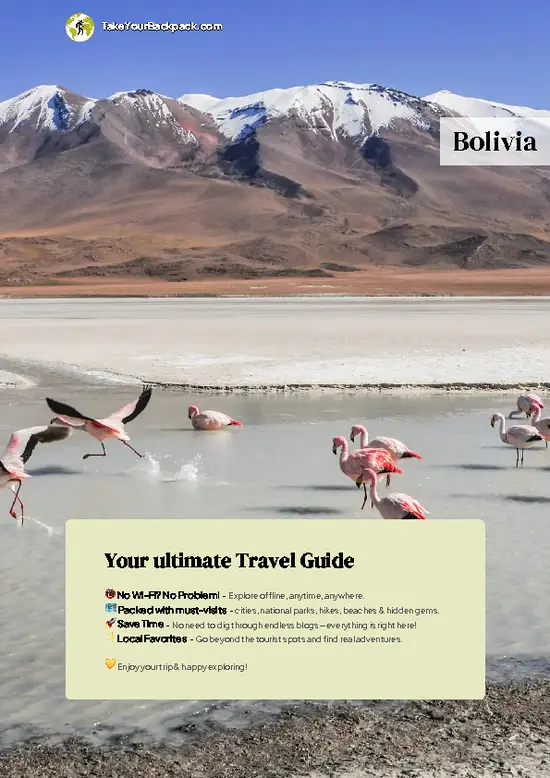
An offline-friendly backpacking guide with optimized travel routes, ranked highlights, transport advice, and the best areas to stay.
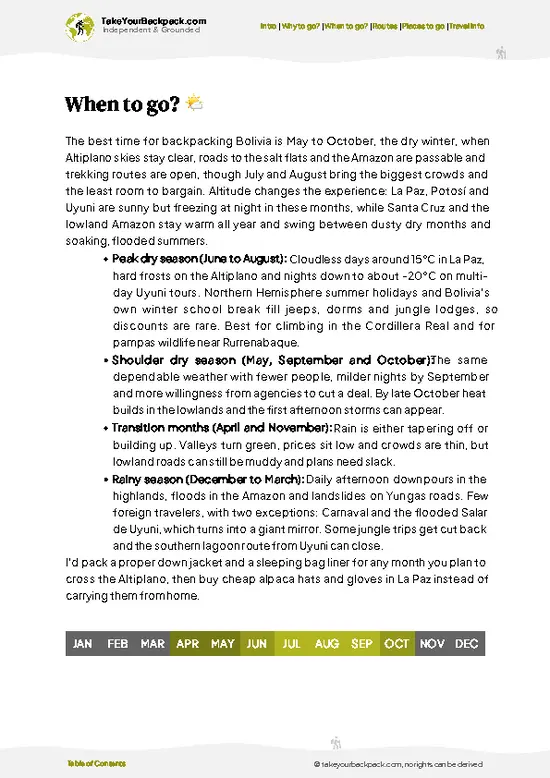
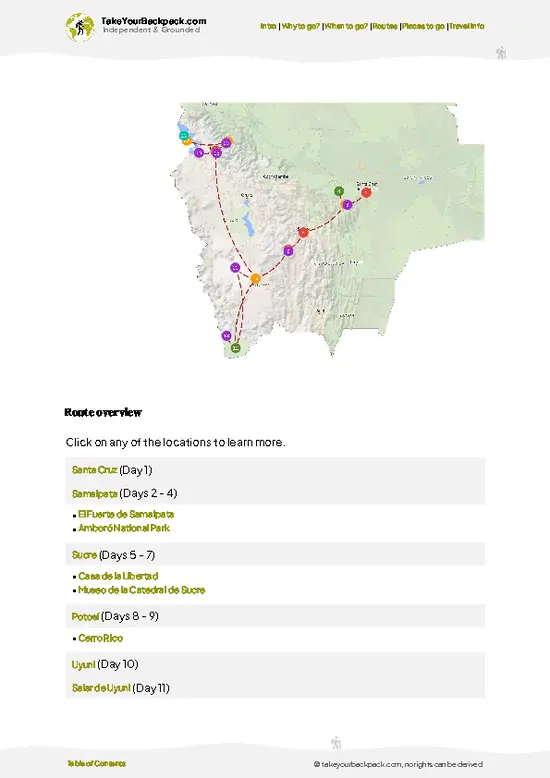
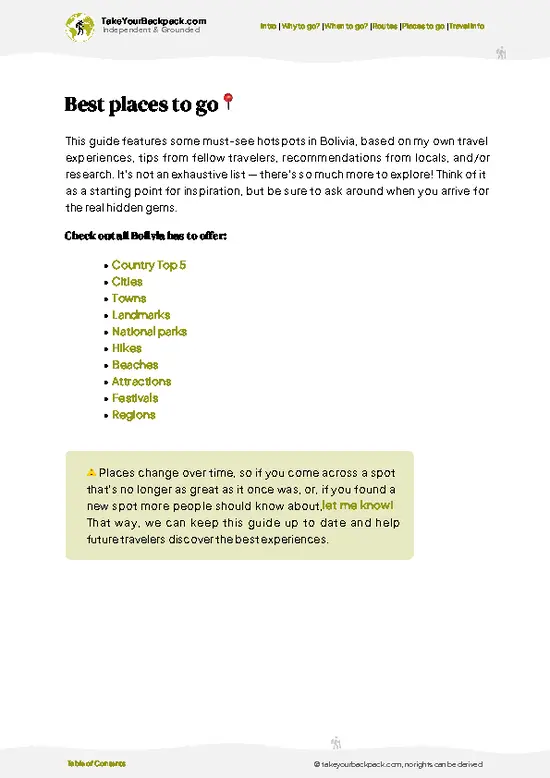
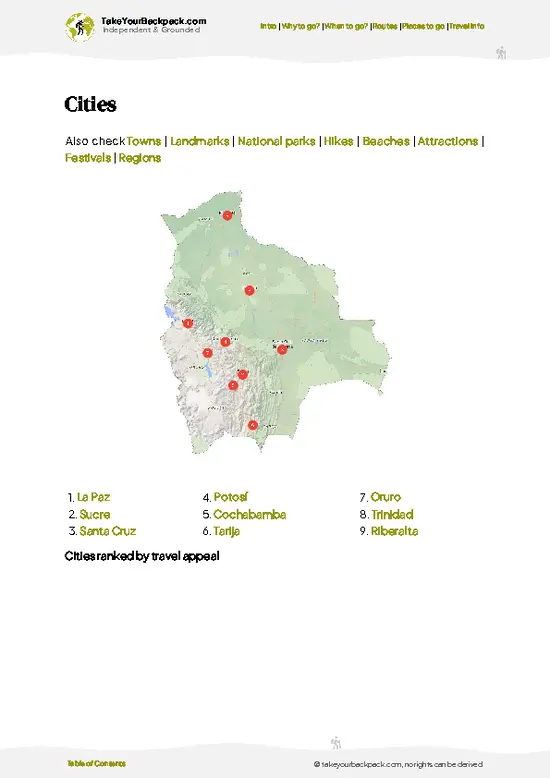
example page 0 from our offline Travel Guide for Bolivia
example page 1 from our offline Travel Guide for Bolivia
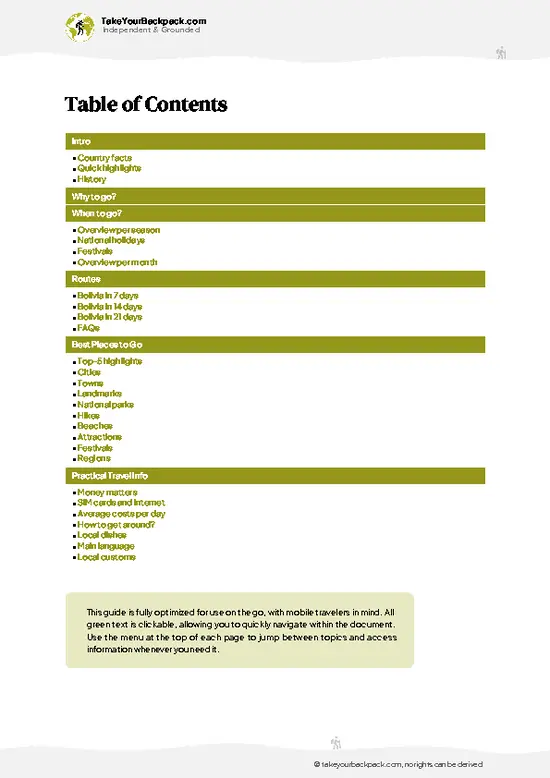
example page 2 from our offline Travel Guide for Bolivia
example page 3 from our offline Travel Guide for Bolivia
example page 4 from our offline Travel Guide for Bolivia
example page 5 from our offline Travel Guide for Bolivia
example page 6 from our offline Travel Guide for Bolivia
example page 7 from our offline Travel Guide for Bolivia
The digital guide (350 pages) contains:
82 highlights, ranked by travel appeal
Optimized 7, 14 & 21-day travel routes
Cities, national parks, landmarks, beaches
How to get around
Offline-friendly for travel without Wi-Fi
👉 Click to see all 30+ guide features

📅 Plan smarter in minutes, not weeks
Month by month travel advice
Festivals & national holidays
Budget expectations

🗺️ Go to the right places, skip the overrated ones
Honest pros & cons of destinations
Top hikes, parks & viewpoints
Lesser-known places most travelers miss
Clear “worth it vs skip it” guidance

🛏️ Travel smoothly without rookie mistakes
Best areas to stay
Transport systems explained simply
Common scams & safety advice
SIM cards, money & practical tips

🌍 Understand the country, not just visit it
Culture & traditions
52 Essential phrases & customs
Festivals worth planning around
Traveler-friendly historical context
Insights that make places more meaningful

📱 Built for real travel conditions
Fully downloadable PDF
Works completely offline
Optimized for phone use
Useful in remote areas & buses
Everything in one place
Save weeks of stressful planning
Get instant access to your full guide. 30‑day money-back guarantee.


By proceeding you agree to our terms.
Sent to your inbox immediately after payment • 100% Secure Checkout
Best Backpacking Travel Advisor 2025 tourism awardBest Backpacking
Travel Advisor
2025
What others say about Take Your Backpack Guides:
⭐⭐⭐⭐⭐
Fantastic, amazing amount of information!
⭐⭐⭐⭐⭐
My goodness this is amazing, it's what I've been looking for hats off too you!
⭐⭐⭐⭐⭐
I think this is absolutely BRILLIANT
⭐⭐⭐⭐
Very complete and informative. It's still missing places, but I gotta to commend you
⭐⭐⭐⭐⭐
This is truly amazing, thank you, can't wait to explore it with my kids!
⭐⭐⭐⭐⭐
Awesome resource, thank you!
⭐⭐⭐⭐⭐
This is amazing! Can't wait to explore the ones I haven't seen
⭐⭐⭐⭐
I love this! Well done, great idea.
⭐⭐⭐⭐⭐
Thanks for taking the time to make this gem!
⭐⭐⭐⭐⭐
This might be the best website I've ever seen.
⭐⭐⭐⭐⭐
Congratulations, and thank you so much for your work; it's incredibly valuable.
⭐⭐⭐⭐
In all seriousness I think you did a great job pointing out the important spots
⭐⭐⭐⭐⭐
10/10 very good
⭐⭐⭐⭐⭐
As someone who's only just starting to visit regularly this is awesome, thank you.
⭐⭐⭐⭐
Thank you very much! I'm going to visit my dad, it's going to be very useful!
⭐⭐⭐⭐⭐
This is really cool! We'll be travelling for the first time and this definitely come in handy.
⭐⭐⭐⭐⭐
You are now our minister of culture, congratulations 👨‍💼
⭐⭐⭐⭐⭐
Just wanted to tell you that this is a pearl! Going to follow your recommendations.
⭐⭐⭐⭐⭐
This is so cool. I'll definitely be using the resource for my travels soon.
⭐⭐⭐⭐⭐
This is very impressive! Good work.
⭐⭐⭐⭐⭐
This is an amazing and informative site. Very well done!

🛏️ Where to stay?Best areas and accommodation options

Bermejo’s heart for backpackers pulses strongest around the central district, where the streets hum with local life and the air carries the scent of fresh bread and sizzling street food. This area is your best bet—not just because it’s safer than the quieter outskirts, but because it’s where you’ll find a handful of hostels that cater to budget travelers and solo adventurers. The vibe here is low-key but lively, with a mix of locals and travelers swapping stories over cheap beer or steaming cups of coffee.

Compared to the more residential neighborhoods, which can feel isolated and lack social … read more 👉
Bermejo’s heart for backpackers pulses strongest around the central district, where the streets hum with local life and the air carries the scent of fresh bread and sizzling street food. This area is your best bet—not just because it’s safer than the quieter outskirts, but because it’s where you’ll find a handful of hostels that cater to budget travelers and solo adventurers. The vibe here is low-key but lively, with a mix of locals and travelers swapping stories over cheap beer or steaming cups of coffee.

Compared to the more residential neighborhoods, which can feel isolated and lack social spots, the central district offers a natural meeting ground. It’s easy to walk everywhere, and the street lighting is decent enough to keep your nerves at ease after dark. Staying here means you’re plugged into the town’s rhythm, not just passing through. The trade-off is a bit of noise and bustle, but that’s part of the charm—it’s the sound of a place alive, not a ghost town waiting for tourists to leave.

🚌 Getting aroundTransportation options and practical tips

Bermejo moves at its own rhythm—less a clock’s tick and more the slow pulse of the river that defines it. The town’s pace is a blend of laid-back afternoons and bursts of activity when the market spills into the streets, dust swirling in the warm breeze. You won’t find rigid timetables here; instead, expect a dance of intuition and local cues. The sun’s angle, the chatter of vendors, and the occasional honk from a passing vehicle all signal when it’s time to move. This isn’t a place to rush but to sync with its natural flow, where patience unlocks the charm beneath the surface.


  • Walking: The heart of Bermejo is compact and best explored on foot. Streets are uneven but manageable, with the scent of grilled meats and fresh produce guiding your steps. Walking costs nothing and offers the richest
read more 👉
Bermejo moves at its own rhythm—less a clock’s tick and more the slow pulse of the river that defines it. The town’s pace is a blend of laid-back afternoons and bursts of activity when the market spills into the streets, dust swirling in the warm breeze. You won’t find rigid timetables here; instead, expect a dance of intuition and local cues. The sun’s angle, the chatter of vendors, and the occasional honk from a passing vehicle all signal when it’s time to move. This isn’t a place to rush but to sync with its natural flow, where patience unlocks the charm beneath the surface.


  • Walking: The heart of Bermejo is compact and best explored on foot. Streets are uneven but manageable, with the scent of grilled meats and fresh produce guiding your steps. Walking costs nothing and offers the richest sensory experience, from the clatter of market stalls to the river’s distant murmur.


  • Local Buses: These are the budget traveler’s workhorse, running roughly from 6:00 AM to 8:00 PM. Fares hover around a few pesos, making them cheap but often crowded and slow. They follow no strict schedule, so catch one when it fills up or when the driver waves you aboard.


  • Shared Taxis (Colectivos): Faster and more direct than buses, colectivos run on flexible routes, departing once full. Expect to pay a bit more than the bus, but the ride is quicker and more comfortable, especially during the midday heat. They operate from early morning until late evening.


  • Motorbike Taxis: For short hops or when time is tight, motorbike taxis zip through traffic with ease. Prices vary but are generally affordable. Helmets are sometimes optional—choose wisely. They’re perfect for navigating narrow alleys or catching a sunset view before the light fades.

👛 Costs (as of 28 February 2026)Travel costs and budget guide for Bermejo

Backpacking in Bermejo, Bolivia, means embracing a slower pace where every dollar stretches further than you might expect, but it also demands a bit of savvy to navigate local costs smoothly.
  • Dorm Accommodation: Expect to pay around $5 to $10 USD per night for a bed in a basic dormitory. Options are limited and often simple, with fan cooling rather than air conditioning, but clean enough to rest after a day of exploring.
  • Meals: Street food and local markets dominate here. You can grab a filling meal for $2 to $4 USD—think hearty rice, beans, and grilled meat or fresh empanadas. Restaurants catering to tourists are rare, so eating like a local is both cheaper and more authentic.
  • Local Transport: Public minibuses and shared taxis are the norm, costing about $0.50 to $1 USD per ride within
read more 👉
Backpacking in Bermejo, Bolivia, means embracing a slower pace where every dollar stretches further than you might expect, but it also demands a bit of savvy to navigate local costs smoothly.
  • Dorm Accommodation: Expect to pay around $5 to $10 USD per night for a bed in a basic dormitory. Options are limited and often simple, with fan cooling rather than air conditioning, but clean enough to rest after a day of exploring.
  • Meals: Street food and local markets dominate here. You can grab a filling meal for $2 to $4 USD—think hearty rice, beans, and grilled meat or fresh empanadas. Restaurants catering to tourists are rare, so eating like a local is both cheaper and more authentic.
  • Local Transport: Public minibuses and shared taxis are the norm, costing about $0.50 to $1 USD per ride within town. They’re crowded and noisy but offer a real slice of daily life. For longer trips outside Bermejo, prices rise but remain reasonable.
  • Basic Activities/Entry Fees: Bermejo isn’t packed with pricey tourist attractions. Entry fees to local sites or natural reserves typically range from $1 to $3 USD. Most of the charm lies in wandering the streets, markets, and riverside, which is free.
  • Miscellaneous Expenses: Budget around $1 to $3 USD for essentials like bottled water, snacks, or a local SIM card top-up. Internet cafes and phone services are affordable but can be slow, so plan accordingly.

All told, you’re looking at roughly $10 to $20 USD per day to cover the essentials without cutting corners. Bermejo’s modest prices reflect its off-the-beaten-path vibe, so the real reward is in soaking up a slice of Bolivia that hasn’t been overrun by tourists. The trade-off is simplicity—no frills, just the raw texture of local life.
⚠️ Prices can change and everyone travels differently, so take this as a rough guide. Hope it helps you plan your adventure!

🚌 Day tripsBest day trips from Bermejo

Bermejo, Bolivia, is a backpacker’s dream base for day trips, offering a blend of adventure and cultural immersion. The town itself has a laid-back vibe, with the scent of street food wafting through the air and locals greeting you with warm smiles.

Trip to the Gran Chaco
Venture into the Gran Chaco, a vast expanse of dry forest and savanna. This trip is worth it for the unique wildlife and the chance to meet indigenous communities. It takes about two hours by shared taxi, costing around 30 bolivianos. The best time to go is during the dry season, from May to October, when the roads are more accessible. A common mistake is underestimating the heat; pack plenty of water and sunscreen.


Day at the Pilcomayo River
Spend a day at the Pilcomayo River, where you can swim, fish, or simply … read more 👉
Bermejo, Bolivia, is a backpacker’s dream base for day trips, offering a blend of adventure and cultural immersion. The town itself has a laid-back vibe, with the scent of street food wafting through the air and locals greeting you with warm smiles.

Trip to the Gran Chaco
Venture into the Gran Chaco, a vast expanse of dry forest and savanna. This trip is worth it for the unique wildlife and the chance to meet indigenous communities. It takes about two hours by shared taxi, costing around 30 bolivianos. The best time to go is during the dry season, from May to October, when the roads are more accessible. A common mistake is underestimating the heat; pack plenty of water and sunscreen.


Day at the Pilcomayo River
Spend a day at the Pilcomayo River, where you can swim, fish, or simply relax by the water. It’s a 30-minute ride from Bermejo, costing about 10 bolivianos. The river is best enjoyed in the warmer months, from November to March. Many first-timers miss the river’s hidden swimming spots; ask locals for the best places to cool off.


Exploration of Tarija
Take a day trip to Tarija, known for its vineyards and stunning landscapes. It’s a three-hour bus ride, costing around 50 bolivianos. The best time to visit is during the grape harvest in March and April. Don’t rush the wine tastings; savor the flavors and the stories behind each bottle.
👉 Explore Tarija
Want to know what more Bolivia offers?
The Bolivia Travel Guide describes 82 highlights, from cities to national parks, from beaches to hikes

Get the Travel Guide -

🛡️ SafetyScams, Hazards, and Annoyances

Bermejo is generally safe, but a few practical tips can enhance your experience. Stay aware in crowded areas, especially near markets where pickpockets might lurk. If you’re solo, avoid wandering too far after dark; stick to well-lit streets and familiar spots.

Common scams are rare, but be cautious with overly friendly locals offering unsolicited help—politely decline and keep moving. Everyday annoyances include the occasional stray dog or a vendor who won’t take no for an answer; a firm but friendly “no, gracias” usually does the trick. Carry yourself confidently, and you’ll blend in just fine.

Other Bolivian towns near Bermejo

Explore more nearby:

  • Villazón—border crossing, market streets, Andean foothills| 147 km away
  • Tupiza—red canyons, wild west scenery, horseback routes| 202 km away
  • Uyuni—salt flats, train graveyard, gateway to desert| 360 km away

💡 Not sure where to go next?
Create a personalized itinerary for Bolivia including Bermejo and the places that fit your trip.

Generate my itinerary

👉 Discover all towns

Or checkout all Bolivia has to offer (think cities, towns, villages, national parks, hikes, beaches, festivals)
Country photo of Bolivia

We 💚 feedbackSumming up the experience

Bermejo’s charm lies in its raw, unfiltered vibe. The river’s murmur and the scent of earth after rain create a connection to nature that’s hard to find elsewhere. But be ready for the reality check: infrastructure can be rough, so pack patience and a sense of adventure. It’s all part of the experience.

✈️ When did I visit Bolivia?
Bolivia I visited during my half year trip through South and Central America back in 2003

✍️ Help improve this page!
The information on this page is based on my own backpacking experience in Bolivia, supplemented with up-to-date research and feedback from other travelers. Travel details can change, so if you notice anything outdated or incomplete, feel free to let me know.


🙋‍♂️ Give feedback

👋 Meet the founderWho’s Behind Take Your Backpack?

Johan, backpacker and founder of TakeYourBackpackHi, I’m Johan (Netherlands 🇳🇱), the creator of TakeYourBackpack. Over the past decade, I’ve backpacked through 80+ countries across six continents, gaining extensive experience with independent travel, long-term trips, and overland routes.

This site is built on a combination of firsthand travel experience and carefully curated insights from other backpackers. Many guides are based on places I’ve personally visited, while others bring together tips, observations, and practical advice shared by trusted travelers I’ve met along the way.

The goal is to provide realistic, experience-driven guidance — not generic itineraries — so you can explore destinations with better context, clearer expectations, and more confidence.

Get full Bolivia guide •
Instant download • 82 highlights • Full Offline guide