v2.webp)
- Cementerio de Trenes (Train Cemetery): Steam locomotives and wagons from the British-built railway lie rusting in the desert a short ride from the center, and you can climb on them freely. Go in the late afternoon when low light picks out the oxidized metal and the crowds thin. Entry is free and you will want 1 to 2 hours.
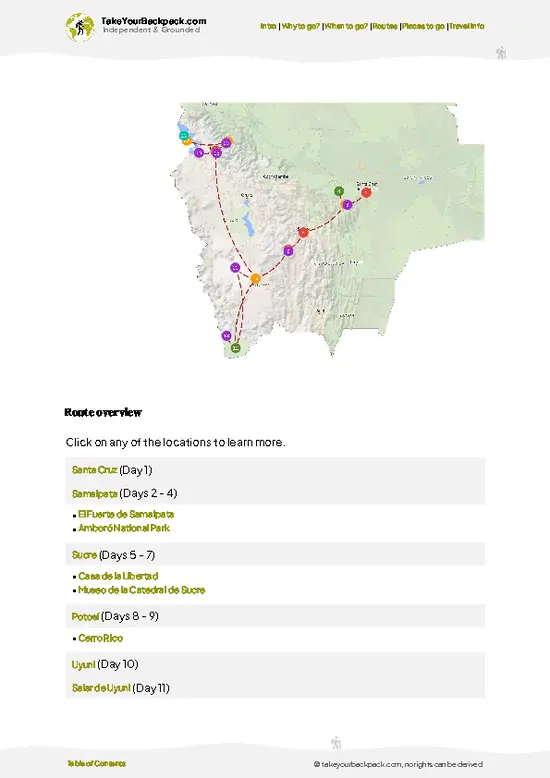
- Avenida Ferroviaria: The town’s main strip follows the old railway line and holds the monuments, agency offices, cafés and stalls selling llama-wool hats, gloves and sweaters. Walk it in the morning before tour departures pick up, or in the evening when stalls light up. It costs nothing to browse and takes about an hour, longer if you haggle over alpaca sweaters.
- Plaza Arce: The main square is shaded and small, with a clock tower that anchors the center. Locals sit here in
- Cementerio de Trenes (Train Cemetery): Steam locomotives and wagons from the British-built railway lie rusting in the desert a short ride from the center, and you can climb on them freely. Go in the late afternoon when low light picks out the oxidized metal and the crowds thin. Entry is free and you will want 1 to 2 hours.
- Avenida Ferroviaria: The town’s main strip follows the old railway line and holds the monuments, agency offices, cafés and stalls selling llama-wool hats, gloves and sweaters. Walk it in the morning before tour departures pick up, or in the evening when stalls light up. It costs nothing to browse and takes about an hour, longer if you haggle over alpaca sweaters.
- Plaza Arce: The main square is shaded and small, with a clock tower that anchors the center. Locals sit here in the evening and shoeshiners work the benches. It is free and 20 to 30 minutes is plenty, ideal for orienting yourself and watching town life before dinner.
- Minuteman Pizza: Run for years by a foreign owner, this is where most backpackers share their trip stories over wood-fired pizza and a drink. Expect to pay about US$7 to 12 per person, and arrive early because tables fill by dinner time. Plan 1 to 2 hours.
Spotted a mistake or missing something? Contact us.

Salar de Uyuni tours 1 day

Private Uyuni Salt Flats Full-Day Circuit from Uyuni

3-Day Private Tour of Uyuni Salt Flats and Colored Lagoons Roundtrip from Uyuni
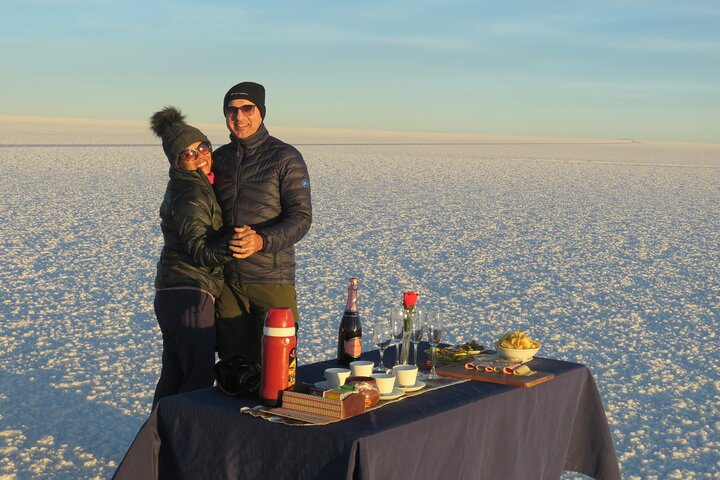
Private 3 Days tour Uyuni Salt Flats and Colorful Lagoons from Uyuni

Full day Salar de Uyuni with English Guide Sunset Reflections

Uyuni Salt Flats and Lagoons, 3 day semi-private tour

2-Days Uyuni Salt Flats including Laguna Colorada

Salar de Uyuni 3-Day Small-Group Tour with Laguna Colorada

Uyuni Salt Flats & Colored Lagoons – 3-Day Journey


 Best Backpacking
.jpg) Hi, I’m Johan (Netherlands 🇳🇱), the creator of TakeYourBackpack. Over the past 3 decades, I’ve backpacked through 90+ countries across six continents, gaining extensive experience with independent travel, long-term trips, and overland routes.
Hi, I’m Johan (Netherlands 🇳🇱), the creator of TakeYourBackpack. Over the past 3 decades, I’ve backpacked through 90+ countries across six continents, gaining extensive experience with independent travel, long-term trips, and overland routes.