×

Bolivia🇧🇴 | landmarksValle de la LunaClay needles, short loop, cactus slopes, Mallasa | things to do and best time to go

Explore TiwanakuExplore Yungas Road

Backpacking in Valle de la Luna
👌 Worth visitingunique site ranked #7
By Johan Kruseman 🇳🇱 | Updated October 19, 2026

Valle de la Luna has nothing to do with Chile’s Valley of the Moon or the lunar-looking lands near Uyuni; this one is a maze of eroded clay and sandstone spires on the southern edge of La Paz, in Bolivia’s capital region, in the Mallasa district. Go. It takes an hour or two, costs little, and beats most city sights for sheer strangeness. Skip the idea of a big hike, because the loop is short. When I stepped off the minibus, the first thing I saw was a wall of gray needles, thin as candles, with a cholita vendor already unfolding her blanket at the gate. Plan on the main loop and the cactus-dotted side path, then keep moving. The ridge behind the ticket booth is lined with tiny, crumbling pinnacles.

Discover everything you want to know in the 📖 Bolivia Travel Guide.


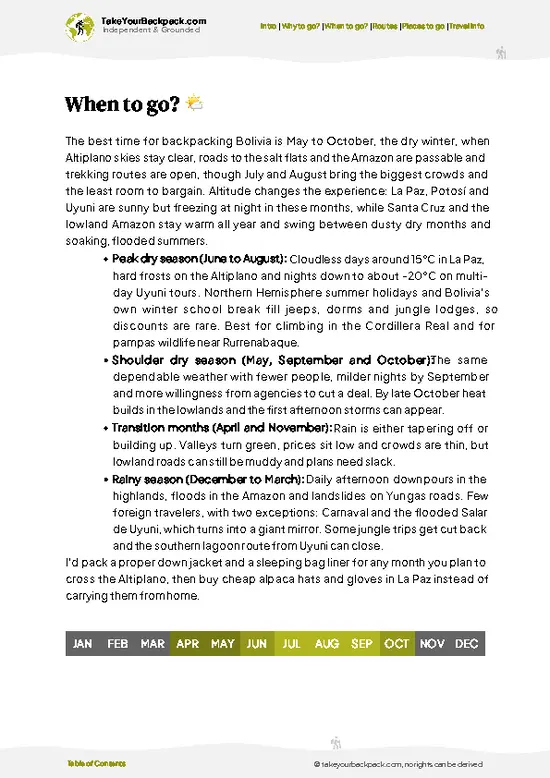
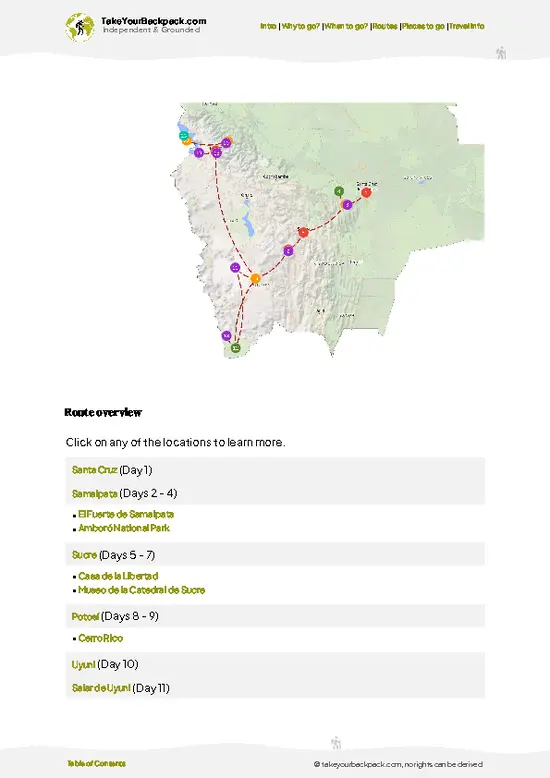
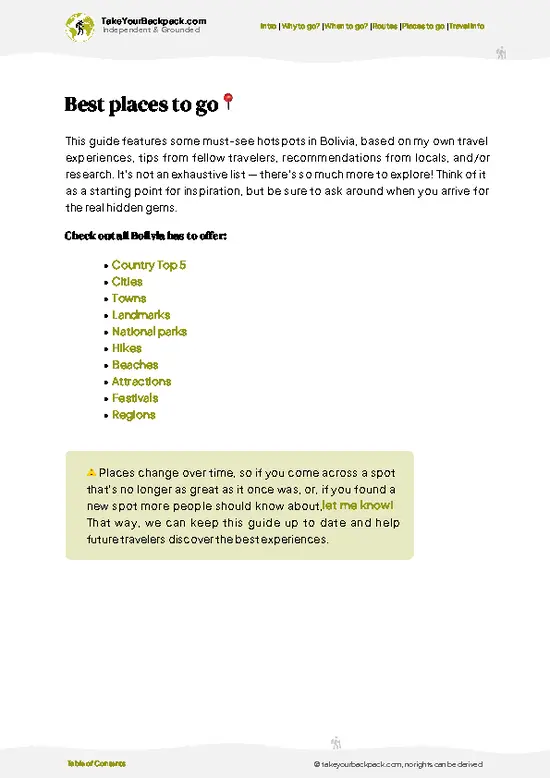
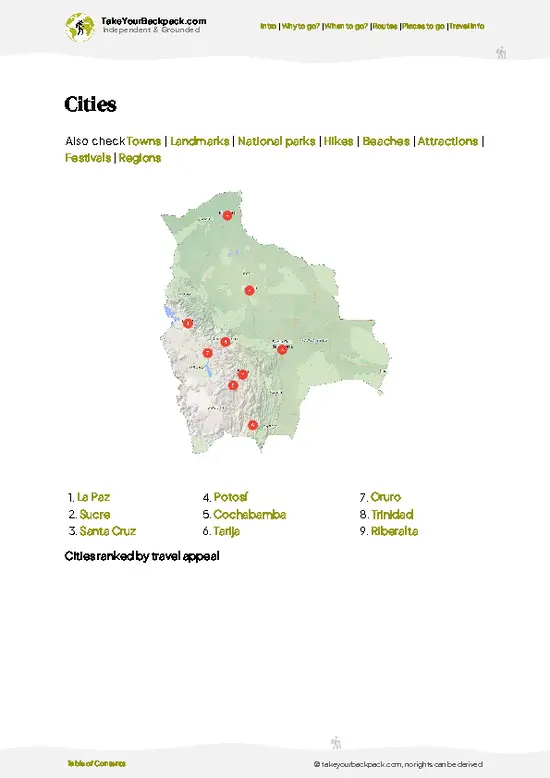
example page 0 from our offline Travel Guide for Bolivia
example page 1 from our offline Travel Guide for Bolivia
example page 2 from our offline Travel Guide for Bolivia
example page 3 from our offline Travel Guide for Bolivia
example page 4 from our offline Travel Guide for Bolivia
example page 5 from our offline Travel Guide for Bolivia
example page 6 from our offline Travel Guide for Bolivia
example page 7 from our offline Travel Guide for Bolivia
Loading the map 🌍
CLICK TO FILTER
cities
towns
landmarks
national parks
hikes
beaches
attractions
festivals
regions
SHOW COUNTRY’S BESTSHOW ALL

✨ Why go?
Ranked #7 unique site in Bolivia
Reasons people choose to visit here

Valle de la Luna is the easiest escape from La Paz’s steep, noisy streets, and that alone justifies the trip. You reach it by a short minibus ride from the city center, so it fits into a morning without wrecking your acclimatization plans. The place is small, which is a strength: you can walk the marked loop, photograph the needle-like clay spires, and be back downtown for lunch. It also pairs well with other southern-zone stops, such as the nearby Mallasa area with its zoo and bakeries, or a longer route toward Muela del Diablo and the Aranjuez canyon. Backpackers who like geology will enjoy comparing it with the bigger badlands elsewhere in the Andes. Cost is minimal, and the walk is gentle enough for a rest day at about 3,300 meters. If you are building a route through Bolivia, treat it … read more 👉
Valle de la Luna is the easiest escape from La Paz’s steep, noisy streets, and that alone justifies the trip. You reach it by a short minibus ride from the city center, so it fits into a morning without wrecking your acclimatization plans. The place is small, which is a strength: you can walk the marked loop, photograph the needle-like clay spires, and be back downtown for lunch. It also pairs well with other southern-zone stops, such as the nearby Mallasa area with its zoo and bakeries, or a longer route toward Muela del Diablo and the Aranjuez canyon. Backpackers who like geology will enjoy comparing it with the bigger badlands elsewhere in the Andes. Cost is minimal, and the walk is gentle enough for a rest day at about 3,300 meters. If you are building a route through Bolivia, treat it as a quick warm-up before bigger landscapes like Uyuni or Sajama. Do not expect a full day out; expect a good, odd, compact one.

💡 HighlightsKey sights and experiences for travelers

  1. The main marked loop: A short path of bridges and stairs winds through the best-known formations, with spires, hollows and narrow gullies visible within minutes.
  2. Needle-like clay pinnacles: These thin, pointed columns were sculpted by wind and rain from soft clay and sandstone, and they look different from every angle.
  3. Cactus garden path: Native cacti grow on the dry slopes beside the trail, giving a green and spiky contrast to the pale rock.
  4. Viewpoint over the canyon: A few high points along the loop reveal the folds of the badlands and the southern edge of the city beyond.
  5. Hanging footbridges: Small metal bridges cross gaps between formations and put you in the middle of the eroded terrain for photos.
  6. Cholita vendor stalls at the entrance: Local women sell snacks, hats and souvenirs here, and
… read more 👉
  1. The main marked loop: A short path of bridges and stairs winds through the best-known formations, with spires, hollows and narrow gullies visible within minutes.
  2. Needle-like clay pinnacles: These thin, pointed columns were sculpted by wind and rain from soft clay and sandstone, and they look different from every angle.
  3. Cactus garden path: Native cacti grow on the dry slopes beside the trail, giving a green and spiky contrast to the pale rock.
  4. Viewpoint over the canyon: A few high points along the loop reveal the folds of the badlands and the southern edge of the city beyond.
  5. Hanging footbridges: Small metal bridges cross gaps between formations and put you in the middle of the eroded terrain for photos.
  6. Cholita vendor stalls at the entrance: Local women sell snacks, hats and souvenirs here, and the stalls are an easy way to spend a few pocket coins in a place that depends on visitors.
  7. Mallasa village streets: The small neighborhood nearby has cafes and a casual feel, a calmer end to the outing than the city center.
If time is short, skip the village streets and stay with the main loop.
Spotted a mistake or missing something? Contact us.

Things to do around Valle de la Luna

Ratings based on Tripadvisor reviews. When you book through this link, you support our work at no extra cost to you.

🌤️ When to go?When to go for the best experience

  • Dry Season (May to October): Valle de la Luna sits at about 3,300 meters (10,800 ft) and is driest and sunniest now, with days of 16 to 20°C (61 to 68°F). Nights fall to around -2 to 3°C (28 to 37°F), and the sun at this altitude burns fast. Trails stay firm and dusty.
  • Wet Season (December to March): Afternoon downpours hit most days, with highs of 15 to 19°C (59 to 66°F). Mornings are often clear, so go early. The clay paths turn slick and the spires darken.
  • Shoulder Months (April, November): Fewer rain days, thinner crowds, and mild days of 15 to 19°C (59 to 66°F).
  • Crowds and Prices: Weekends and school holidays bring La Paz families. Entry and taxi prices stay the same all year.
Go on a weekday morning, when the park is quiet and the light on the eroded clay is softest.

source: climatestotravel.comJANJanuary: good for travelingFEBFebruary: good for travelingMARMarch: good for travelingAPRApril: highly recommended for travelingMAYMay: highly recommended for travelingJUNJune: highly recommended for travelingJULJuly: highly recommended for travelingAUGAugust: highly recommended for travelingSEPSeptember: highly recommended for travelingOCTOctober: highly recommended for travelingNOVNovember: fair for travelingDECDecember: good for traveling
bolivia-unique-site-valle-de-la-luna
© Google | Gunnar Gutiérrez

✈️ The backpacker research shortcutBolivia Travel Guide

An offline-friendly backpacking guide with optimized travel routes, ranked highlights, transport advice, and the best areas to stay.
example page 0 from our offline Travel Guide for Bolivia
example page 1 from our offline Travel Guide for Bolivia
example page 2 from our offline Travel Guide for Bolivia
example page 3 from our offline Travel Guide for Bolivia
example page 4 from our offline Travel Guide for Bolivia
example page 5 from our offline Travel Guide for Bolivia
example page 6 from our offline Travel Guide for Bolivia
example page 7 from our offline Travel Guide for Bolivia
The digital guide (262 pages) contains:
✅ 76 highlights, ranked by travel appeal
✅ Optimized 7, 14 & 21-day travel routes
✅ Cities, national parks, landmarks, beaches
✅ How to get around
✅ Offline-friendly for travel without Wi-Fi
👉 Click to see all 30+ guide features

📅 Plan smarter in minutes, not weeks
✅ Month by month travel advice
✅ Festivals & national holidays
✅ Budget expectations

🗺️ Go to the right places, skip the overrated ones
✅ Honest pros & cons of destinations
✅ Top hikes, parks & viewpoints
✅ Lesser-known places most travelers miss
✅ Clear “worth it vs skip it” guidance

🛏️ Travel smoothly without rookie mistakes
✅ Best areas to stay
✅ Transport systems explained simply
✅ Common scams & safety advice
✅ SIM cards, money & practical tips

🌍 Understand the country, not just visit it
✅ Culture & traditions
✅ 52 Essential phrases & customs
✅ Festivals worth planning around
✅ Traveler-friendly historical context
✅ Insights that make places more meaningful

📱 Built for real travel conditions
✅ Fully downloadable PDF
✅ Works completely offline
✅ Optimized for phone use
✅ Useful in remote areas & buses
✅ Everything in one place
Stop searching, start planning
Get instant access to your full guide. 30‑day money-back guarantee.
+ Add another guide for just

By proceeding you agree to our terms.
Sent to your inbox immediately after payment • 100% Secure Checkout
Best Backpacking Travel Advisor 2025 tourism awardBest Backpacking
Travel Advisor
2025
What others say about Take Your Backpack Guides:
⭐⭐⭐⭐⭐
Fantastic, amazing amount of information!
⭐⭐⭐⭐⭐
My goodness this is amazing, it's what I've been looking for hats off too you!
⭐⭐⭐⭐⭐
I think this is absolutely BRILLIANT
⭐⭐⭐⭐
Very complete and informative. It's still missing places, but I gotta to commend you
⭐⭐⭐⭐⭐
This is truly amazing, thank you, can't wait to explore it with my kids!
⭐⭐⭐⭐⭐
Awesome resource, thank you!
⭐⭐⭐⭐⭐
This is amazing! Can't wait to explore the ones I haven't seen
⭐⭐⭐⭐
I love this! Well done, great idea.
⭐⭐⭐⭐⭐
Thanks for taking the time to make this gem!
⭐⭐⭐⭐⭐
This might be the best website I've ever seen.
⭐⭐⭐⭐⭐
Congratulations, and thank you so much for your work; it's incredibly valuable.
⭐⭐⭐⭐
In all seriousness I think you did a great job pointing out the important spots
⭐⭐⭐⭐⭐
10/10 very good
⭐⭐⭐⭐⭐
As someone who's only just starting to visit regularly this is awesome, thank you.
⭐⭐⭐⭐
Thank you very much! I'm going to visit my dad, it's going to be very useful!
⭐⭐⭐⭐⭐
This is really cool! We'll be travelling for the first time and this definitely come in handy.
⭐⭐⭐⭐⭐
You are now our minister of culture, congratulations 👨‍💼
⭐⭐⭐⭐⭐
Just wanted to tell you that this is a pearl! Going to follow your recommendations.
⭐⭐⭐⭐⭐
This is so cool. I'll definitely be using the resource for my travels soon.
⭐⭐⭐⭐⭐
This is very impressive! Good work.
⭐⭐⭐⭐⭐
This is an amazing and informative site. Very well done!

🛏️ Where to stay?Best areas to stay in Bolivia

Zona Sur of La Paz, especially Calacoto and San Miguel, is the best area for backpackers visiting Valle de la Luna, which lies in the Mallasa area about 10 kilometers south of the center. This part of town is calmer, greener and noticeably warmer than the downtown basin, with cafes, supermarkets and sturdy taxi stands. It suits travelers who want quiet evenings and a short ride to the valley.

Most backpackers choose the central La Paz zone around Sopocachi and the streets near Calle Sagárnaga. Sagárnaga has the densest cluster of hostels, tour agencies, cheap set lunches and fellow travelers, … read more 👉
Zona Sur of La Paz, especially Calacoto and San Miguel, is the best area for backpackers visiting Valle de la Luna, which lies in the Mallasa area about 10 kilometers south of the center. This part of town is calmer, greener and noticeably warmer than the downtown basin, with cafes, supermarkets and sturdy taxi stands. It suits travelers who want quiet evenings and a short ride to the valley.

Most backpackers choose the central La Paz zone around Sopocachi and the streets near Calle Sagárnaga. Sagárnaga has the densest cluster of hostels, tour agencies, cheap set lunches and fellow travelers, so you will find people to share a taxi or minibus to the valley. Sopocachi is the better pick for a calmer scene, with bars, small restaurants and a friendlier feel after dark. Both are walkable by day, though after dark a taxi is wiser than a long walk. Avoid sleeping near the cemetery district and the El Alto edge, which are rougher and far from everything. Staying in the center keeps the valley an easy half-day outing, and minibuses run from Zona Sur or downtown all day.

👛 Costs (as of 19 October 2026)What things cost and how to budget

Entry to Valle de la Luna costs about US$1.50 to 3, and a full day for a backpacker based in La Paz comes to about US$34 in high season.
CategoryBudget RangeLocal Reality
Entry TicketUS$1.50 to 3Foreigners pay a small fee at the gate, in cash bolivianos.
TransportUS$1 to 8Minibus from the center costs under US$1 to 2. A taxi runs about US$5 to 8 each way.
FoodUS$4 to 10Set lunch in Zona Sur or on Sopocachi streets is US$3 to 5. Snacks near the entrance cost extra.
Accommodation (High Season)US$8 to 25Dorm beds in central La Paz cost around US$8 to 12. Private rooms cost more.
Accommodation (Low Season)US$6 to 20Slightly cheaper in the wet months, with room to haggle.
Guide or ExtrasUS$0 to 10Guides are optional. Sunscreen and water add a little.
Total Daily BudgetUS$34Based on mid-range choices in each row, high season.
⚠️ Prices can change and everyone travels differently, so take this as a rough guide. Hope it helps you plan your adventure!

FAQFrequently asked questions about Valle de la Luna

Valle de la Luna is a landscape of eroded clay and sandstone spires and canyons in the Mallasa area, south of La Paz. Short marked trails of about 30 to 45 minutes wind through the formations, with walkways and viewpoints. Entry costs roughly US$1.50 to 3 for foreigners, and the site sits at around 3,300 meters.
Plan on 1 to 2 hours inside Valle de la Luna, since the main loop takes 30 to 45 minutes at a slow pace. Add about 30 to 60 minutes each way from central La Paz, so a half day is enough. Altitude makes walking slower, so allow extra time if you have just arrived.
From central La Paz, take a minibus marked Mallasilla or Valle de la Luna from the center, a ride of roughly 30 to 45 minutes for under US$2. A taxi takes about 20 to 30 minutes and costs around US$5 to 8 each way. Valle de la Luna lies about 10 kilometers south of downtown, near Zona Sur.
⚠️ Things can change over time, so always validate details locally before you go.

Other Bolivian landmarks near Valle de la Luna

Explore more nearby:

  • Yungas Road—Downhill bike ride, waterfall crossings, roadside crosses, Coroico| 49 km away
  • Tiwanaku—Gate of the Sun, Puma Punku blocks, Kalasasaya platform, stone heads| 62 km away
  • Lago Poopó—Dry lakebed, stranded boats, Uru fishing hamlets, altiplano flamingos| 271 km away

💡 Not sure where to go next?
Create a personalized itinerary for Bolivia including Valle de la Luna and the places that fit your trip.

Generate my itinerary

👉 Discover all landmarks

Or checkout all Bolivia has to offer (think cities, towns, villages, national parks, hikes, beaches, festivals)
Country photo of Bolivia

We 💚 feedbackKey takeaways before you go

Valle de la Luna is a short, strange stop, so I would pair it with the Mallasa cafes and a ride toward Aranjuez, then save a bigger trek for Chacaltaya or the Yungas. Go early, bring water, and keep the rest of the day open for La Paz itself.

✈️ When did I visit Bolivia?
Bolivia I visited during my half year trip through South and Central America back in 2003

✍️ Help improve this page!
The information on this page is based on my own backpacking experience in Bolivia, supplemented with up-to-date research and feedback from other travelers. Travel details can change, so if you notice anything outdated or incomplete, feel free to let me know.


🙋‍♂️ Give feedback

👋 Meet the founderWho’s Behind Take Your Backpack?

Johan, backpacker and founder of TakeYourBackpackHi, I’m Johan (Netherlands 🇳🇱), the creator of TakeYourBackpack. Over the past 3 decades, I’ve backpacked through 90+ countries across six continents, gaining extensive experience with independent travel, long-term trips, and overland routes.

This site is built on a combination of firsthand travel experience and carefully curated insights from other backpackers. Many guides are based on places I’ve personally visited, while others bring together tips, observations, and practical advice shared by trusted travelers I’ve met along the way.

The goal is to provide realistic, experience-driven guidance — not generic itineraries — so you can explore destinations with better context, clearer expectations, and more confidence.