v2.webp)
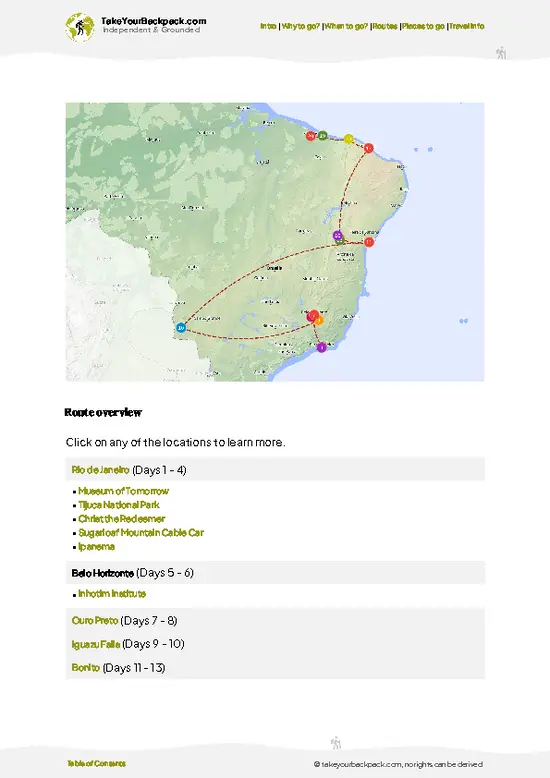
- Igreja Matriz Nossa Senhora do Rosário: The 18th-century mother church, rebuilt after a fire, anchors the old center and its square. Go in the morning when the light is soft. Entry is usually free or by donation, and 30 minutes is enough.
- Rua do Lazer and the historic center: Cobbled lanes with colonial houses, craft shops and wood-fired restaurants. Evenings are liveliest. Walking is free and 1 to 2 hours covers it.
- Ponte Velha over the Rio das Almas: A pedestrian bridge linking the two halves of town, good for sunset views and watching locals swim. Free, 20 to 30 minutes.
- Rio das Almas riverside: Sandy banks and shallow spots for cooling off just outside the center. Go on weekday mornings for space. Free, 1 to 2 hours.
- Cavalhadas grounds and Teatro de Pirenópolis area: Cavalhadas is the Pentecost-season
- Igreja Matriz Nossa Senhora do Rosário: The 18th-century mother church, rebuilt after a fire, anchors the old center and its square. Go in the morning when the light is soft. Entry is usually free or by donation, and 30 minutes is enough.
- Rua do Lazer and the historic center: Cobbled lanes with colonial houses, craft shops and wood-fired restaurants. Evenings are liveliest. Walking is free and 1 to 2 hours covers it.
- Ponte Velha over the Rio das Almas: A pedestrian bridge linking the two halves of town, good for sunset views and watching locals swim. Free, 20 to 30 minutes.
- Rio das Almas riverside: Sandy banks and shallow spots for cooling off just outside the center. Go on weekday mornings for space. Free, 1 to 2 hours.
- Cavalhadas grounds and Teatro de Pirenópolis area: Cavalhadas is the Pentecost-season mock battle of Moors and Christians on horseback, held in the town’s arena. Tickets run about US$10 to 25 during the festival, which lasts a few hours a day.
Spotted a mistake or missing something? Contact us.

 Best Backpacking
.jpg) Hi, I’m Johan (Netherlands 🇳🇱), the creator of TakeYourBackpack. Over the past 3 decades, I’ve backpacked through 90+ countries across six continents, gaining extensive experience with independent travel, long-term trips, and overland routes.
Hi, I’m Johan (Netherlands 🇳🇱), the creator of TakeYourBackpack. Over the past 3 decades, I’ve backpacked through 90+ countries across six continents, gaining extensive experience with independent travel, long-term trips, and overland routes.