×
Angkor Wat

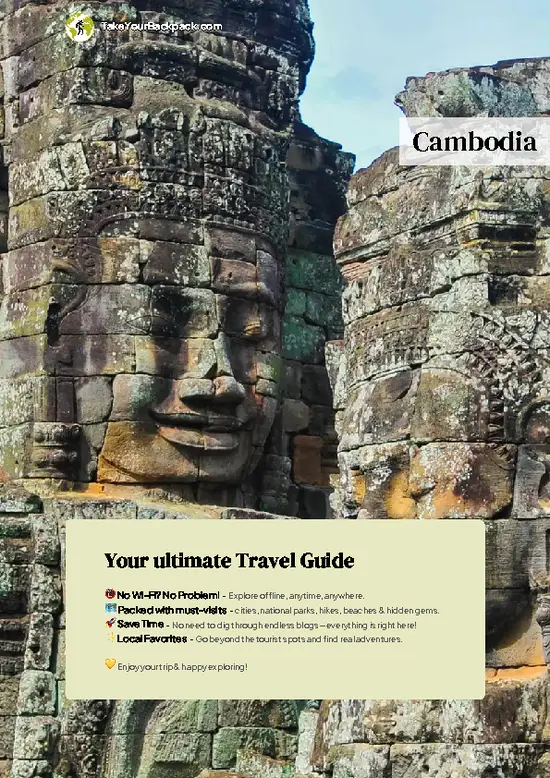
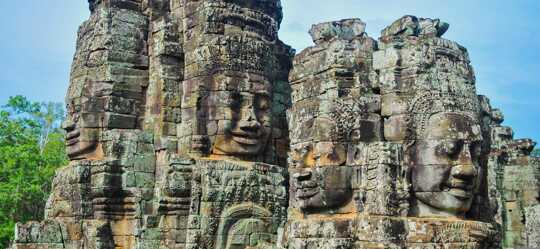
Cambodia🇰🇭 | landmarksAngkor Watbas-reliefs, lotus towers, sunrise reflection | things to do and best time to go

Explore Angkor BoreiExplore Banteay Chhmar

Backpacking in Angkor Wat
UNESCO World Heritage site
🏆 Top pickunique site ranked #1
By Johan Kruseman 🇳🇱 | Updated September 4, 2026

Most people realize too late that Angkor Wat’s ticket is a golden key: one pass unlocks a whole sprawl of temples, and the real magic is how much you can see if you plan your days instead of just chasing sunrise. Angkor Wat sits just outside Siem Reap in northwestern Cambodia, and it’s less a single temple than the front gate to an ancient stone empire. As a backpacker, you get a huge wow-factor per dollar: world-class ruins, cheap street food, and easy tuk-tuk logistics. But it’s not some quiet jungle fantasy. Sunrise is a tripod battlefield, prices around the park are inflated, and the main complex can feel like a theme park in monk robes. Still, when you slip to a side gallery, hear your footsteps echo, and remember this was once the center of a kingdom, the crowds fade and it hits you: this place really did shape a civilization.

Discover everything you want to know in the 📖 Cambodia Travel Guide.


Get your Cambodia guide
83 ranked highlights, routes & tips, works offline (316 pages)
Loading the map 🌍
CLICK TO FILTER
cities
towns
villages
landmarks
national parks
hikes
beaches
attractions
festivals
regions
SHOW COUNTRY’S BESTSHOW ALL

✨ Why go?
Ranked #1 unique site in Cambodia
The unique appeal for travelers

Angkor Wat is a must-see for backpackers, but let’s cut through the hype. Yes, it’s crowded, especially at sunrise when everyone’s chasing that Instagram shot. But here’s the kicker: the real magic lies beyond those iconic views.

This temple complex is a living history lesson, showcasing the grandeur of the Khmer Empire. The intricate carvings and massive stone structures tell stories that no guidebook can fully capture. You’ll feel the weight of centuries as you wander through the ruins, often finding quiet corners where the crowds thin out.

The cost is a steal—around $37 for a one-day pass, which is a drop in the bucket compared to what you get. Plus, it fits perfectly into a broader Southeast Asia route. You can easily hop from Siem Reap to Thailand or Vietnam, making it a natural stop … read more 👉
Angkor Wat is a must-see for backpackers, but let’s cut through the hype. Yes, it’s crowded, especially at sunrise when everyone’s chasing that Instagram shot. But here’s the kicker: the real magic lies beyond those iconic views.

This temple complex is a living history lesson, showcasing the grandeur of the Khmer Empire. The intricate carvings and massive stone structures tell stories that no guidebook can fully capture. You’ll feel the weight of centuries as you wander through the ruins, often finding quiet corners where the crowds thin out.

The cost is a steal—around $37 for a one-day pass, which is a drop in the bucket compared to what you get. Plus, it fits perfectly into a broader Southeast Asia route. You can easily hop from Siem Reap to Thailand or Vietnam, making it a natural stop on your journey.

Don’t just tick it off your list; immerse yourself. Rent a bike and explore the lesser-known temples like Ta Prohm, where nature intertwines with stone. That’s where you’ll find the authentic experience that makes the trek worthwhile.
Want to include Angkor Wat in your Cambodia route?
Create a personalized Cambodia itinerary that includes Angkor Wat and the places that fit your trip — based on your travel style, budget, and available time. Get your route in seconds.

Generate my trip

💡 HighlightsThe experiences that define the visit

  • Sunrise over the reflecting pond — The classic Angkor postcard: the towers mirrored in still water as dawn light creeps over the complex. Get there very early, stake a spot by the pond, and be ready for crowds — but the colors and quiet first light are worth it.
  • Main causeway and western approach — Walking the long stone causeway toward the western entrance feels like arriving at a myth. You’ll pass naga balustrades and weathered statues that set the tone before the temple’s scale hits you.
  • Outer gallery bas-reliefs (the epics) — A continuous, nearly 300-meter narrative in stone: gods, demons, battles and everyday life from the Ramayana and Mahabharata. The Churning of the Ocean of Milk is the standout scene — detailed, enormous, and strangely lively for 900-year-old rock.
  • Apsara and
read more 👉
  • Sunrise over the reflecting pond — The classic Angkor postcard: the towers mirrored in still water as dawn light creeps over the complex. Get there very early, stake a spot by the pond, and be ready for crowds — but the colors and quiet first light are worth it.
  • Main causeway and western approach — Walking the long stone causeway toward the western entrance feels like arriving at a myth. You’ll pass naga balustrades and weathered statues that set the tone before the temple’s scale hits you.
  • Outer gallery bas-reliefs (the epics) — A continuous, nearly 300-meter narrative in stone: gods, demons, battles and everyday life from the Ramayana and Mahabharata. The Churning of the Ocean of Milk is the standout scene — detailed, enormous, and strangely lively for 900-year-old rock.
  • Apsara and devata carvings — Thousands of delicate celestial dancers and guardian figures decorate the walls. Look closely: each face and costume varies slightly, which feels oddly human-made in a monument that’s meant to be divine.
  • Central sanctuary and upper terrace climb — The steep, sacred stairs lead up between the five towers — a symbolic Mount Meru. From the upper levels you get a tighter view of the towers and the layout of the whole complex; it’s worth the tight climb for the perspective.
  • Quiet libraries, side galleries and shadowed corners — Most visitors rush the highlights; slip into the side galleries and small shrines to escape the crowds. The cool stone, quieter carvings and odd, photogenic angles reward slow wandering.
  • The moat and landscape framing the temple — The huge surrounding moat isn’t just decorative: it emphasizes Angkor Wat’s scale and creates those magical reflections. Early morning and late afternoon the light on the water and the birds or monitor lizards around it make the site feel alive, not just monumental.
Spotted a mistake or missing something? Contact us.

Things to do around Angkor Wat

Ratings based on Tripadvisor reviews. When you book through this link, you support our work at no extra cost to you.

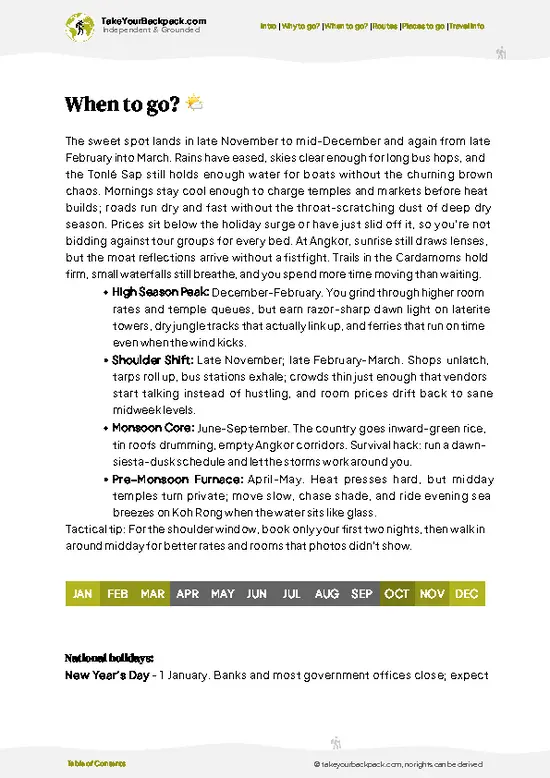
🌤️ When to go?Choosing the right time of year


  • Weather: The dry season from November to February is the most comfortable, with less humidity and minimal rain. Expect clear skies perfect for exploring. The wet season (May to October) brings heavy downpours that can turn paths to mud and obscure views, but it also cools the air and greens the landscape.

  • Temperature: During the dry season, daytime highs hover around 30-35°C (86-95°F), dropping to a pleasant 20-25°C (68-77°F) at night. The wet season can feel hotter and stickier, often pushing 35-38°C (95-100°F) with high humidity.

  • Daylight Hours: Cambodia enjoys roughly 11-12 hours of daylight year-round, with sunrise around 6 AM and sunset near 6 PM, giving you plenty of time to hit the temples before the heat peaks.

  • Crowds: Peak tourist season aligns with the dry months, especially
read more 👉

  • Weather: The dry season from November to February is the most comfortable, with less humidity and minimal rain. Expect clear skies perfect for exploring. The wet season (May to October) brings heavy downpours that can turn paths to mud and obscure views, but it also cools the air and greens the landscape.

  • Temperature: During the dry season, daytime highs hover around 30-35°C (86-95°F), dropping to a pleasant 20-25°C (68-77°F) at night. The wet season can feel hotter and stickier, often pushing 35-38°C (95-100°F) with high humidity.

  • Daylight Hours: Cambodia enjoys roughly 11-12 hours of daylight year-round, with sunrise around 6 AM and sunset near 6 PM, giving you plenty of time to hit the temples before the heat peaks.

  • Crowds: Peak tourist season aligns with the dry months, especially December and January, when Angkor Wat is packed from dawn. If you want fewer people, aim for the shoulder months of November or February, or brave the wet season for near solitude.

  • Seasonal Activities: The Khmer New Year in April is a vibrant local celebration but expect intense heat and crowds. The wet season offers lush rice paddies and fewer tourists, giving a different, quieter vibe to the ruins.

  • Price Fluctuations: Accommodation and flights spike during the dry season’s peak months. The wet season sees significant drops in prices, making it the budget-friendly choice if you can handle the rain and mud.


Pro-tip: For the best balance of weather, crowd size, and cost, plan your visit in late November or early February—cooler, manageable crowds, and better deals without sacrificing the experience.


source: climatestotravel.comJANJanuary: highly recommended for travelingFEBFebruary: excellent for travelingMARMarch: good for travelingAPRApril: fair for travelingMAYMay: fair for travelingJUNJune: fair for travelingJULJuly: fair for travelingAUGAugust: fair for travelingSEPSeptember: fair for travelingOCTOctober: fair for travelingNOVNovember: highly recommended for travelingDECDecember: highly recommended for traveling
Cambodia - Angkor Wat

✈️ The backpacker research shortcutCambodia Travel Guide

An offline-friendly backpacking guide with optimized travel routes, ranked highlights, transport advice, and the best areas to stay.
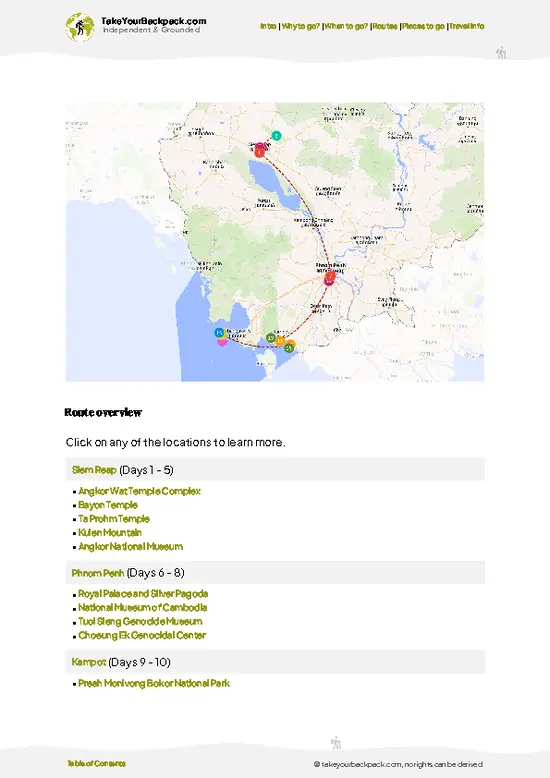
example page 0 from our offline Travel Guide for Cambodia
example page 1 from our offline Travel Guide for Cambodia
example page 2 from our offline Travel Guide for Cambodia
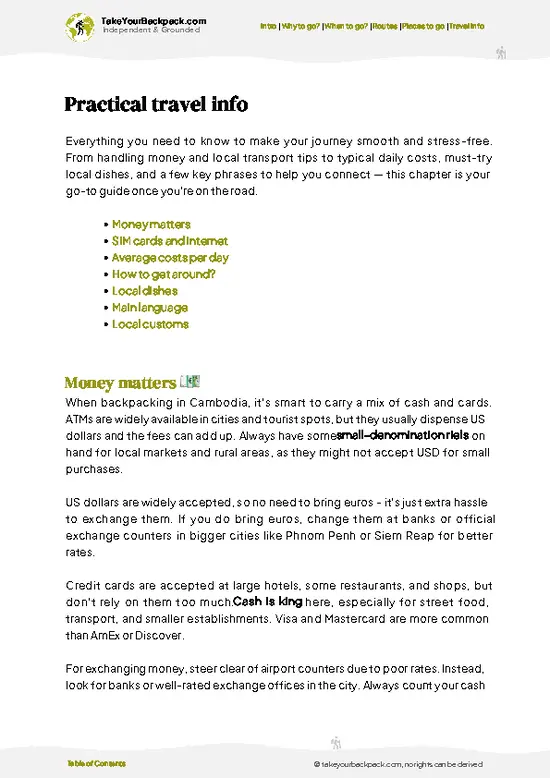
example page 3 from our offline Travel Guide for Cambodia
example page 4 from our offline Travel Guide for Cambodia
example page 5 from our offline Travel Guide for Cambodia
example page 6 from our offline Travel Guide for Cambodia
example page 7 from our offline Travel Guide for Cambodia
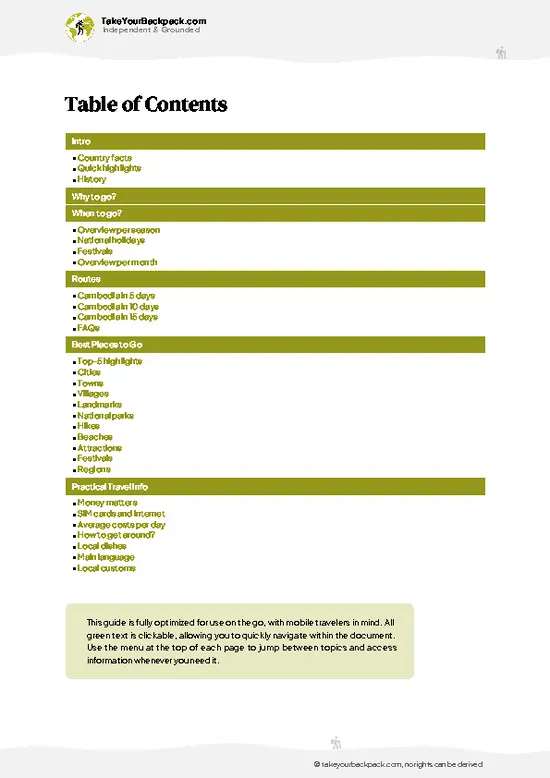
The digital guide (316 pages) contains:
83 highlights, ranked by travel appeal
Optimized 5, 10 & 15-day travel routes
Cities, national parks, landmarks, beaches
How to get around
Offline-friendly for travel without Wi-Fi
👉 Click to see all 30+ guide features

📅 Plan smarter in minutes, not weeks
Month by month travel advice
Festivals & national holidays
Budget expectations

🗺️ Go to the right places, skip the overrated ones
Honest pros & cons of destinations
Top hikes, parks & viewpoints
Lesser-known places most travelers miss
Clear “worth it vs skip it” guidance

🛏️ Travel smoothly without rookie mistakes
Best areas to stay
Transport systems explained simply
Common scams & safety advice
SIM cards, money & practical tips

🌍 Understand the country, not just visit it
Culture & traditions
52 Essential phrases & customs
Festivals worth planning around
Traveler-friendly historical context
Insights that make places more meaningful

📱 Built for real travel conditions
Fully downloadable PDF
Works completely offline
Optimized for phone use
Useful in remote areas & buses
Everything in one place
Save weeks of stressful planning
Get instant access to your full guide. 30‑day money-back guarantee.
+ Add another guide for just US$7.80

By proceeding you agree to our terms.
Sent to your inbox immediately after payment • 100% Secure Checkout
Best Backpacking Travel Advisor 2025 tourism awardBest Backpacking
Travel Advisor
2025
What others say about Take Your Backpack Guides:
⭐⭐⭐⭐⭐
Fantastic, amazing amount of information!
⭐⭐⭐⭐⭐
My goodness this is amazing, it's what I've been looking for hats off too you!
⭐⭐⭐⭐⭐
I think this is absolutely BRILLIANT
⭐⭐⭐⭐
Very complete and informative. It's still missing places, but I gotta to commend you
⭐⭐⭐⭐⭐
This is truly amazing, thank you, can't wait to explore it with my kids!
⭐⭐⭐⭐⭐
Awesome resource, thank you!
⭐⭐⭐⭐⭐
This is amazing! Can't wait to explore the ones I haven't seen
⭐⭐⭐⭐
I love this! Well done, great idea.
⭐⭐⭐⭐⭐
Thanks for taking the time to make this gem!
⭐⭐⭐⭐⭐
This might be the best website I've ever seen.
⭐⭐⭐⭐⭐
Congratulations, and thank you so much for your work; it's incredibly valuable.
⭐⭐⭐⭐
In all seriousness I think you did a great job pointing out the important spots
⭐⭐⭐⭐⭐
10/10 very good
⭐⭐⭐⭐⭐
As someone who's only just starting to visit regularly this is awesome, thank you.
⭐⭐⭐⭐
Thank you very much! I'm going to visit my dad, it's going to be very useful!
⭐⭐⭐⭐⭐
This is really cool! We'll be travelling for the first time and this definitely come in handy.
⭐⭐⭐⭐⭐
You are now our minister of culture, congratulations 👨‍💼
⭐⭐⭐⭐⭐
Just wanted to tell you that this is a pearl! Going to follow your recommendations.
⭐⭐⭐⭐⭐
This is so cool. I'll definitely be using the resource for my travels soon.
⭐⭐⭐⭐⭐
This is very impressive! Good work.
⭐⭐⭐⭐⭐
This is an amazing and informative site. Very well done!

🛏️ Where to stay?Where staying makes the most sense

When you think of Angkor Wat, the first image that pops up is often a sunrise shot with a sea of tourists. Let’s get real: the crowds can be overwhelming, and the costs can sneak up on you. But don’t let that deter you. There’s a way to experience the magic without breaking the bank or losing your mind.

Stay in Siem Reap, the bustling hub for backpackers. It’s a short ride from Angkor Wat, and you’ll find a mix of budget-friendly guesthouses and lively hostels. The vibe here is electric, with travelers swapping stories over cheap beers and street food. The Pub Street area is a hotspot, but it … read more 👉
When you think of Angkor Wat, the first image that pops up is often a sunrise shot with a sea of tourists. Let’s get real: the crowds can be overwhelming, and the costs can sneak up on you. But don’t let that deter you. There’s a way to experience the magic without breaking the bank or losing your mind.

Stay in Siem Reap, the bustling hub for backpackers. It’s a short ride from Angkor Wat, and you’ll find a mix of budget-friendly guesthouses and lively hostels. The vibe here is electric, with travelers swapping stories over cheap beers and street food. The Pub Street area is a hotspot, but it can get rowdy. If you want a more laid-back scene, head to the alleys just off the main drag. You’ll find cozy spots where you can chill out after a long day of exploring.

For a taste of local life, check out the neighborhoods around Wat Bo. It’s quieter, with a more authentic feel. You’ll encounter friendly locals, and the food scene is fantastic. Plus, it’s still close enough to catch the sunrise at Angkor without the chaos.

Embrace the experience. The real magic of Angkor Wat isn’t just in the temples; it’s in the journey you take to get there.

👛 Costs (as of 4 September 2026)Typical daily expenses

Visiting Angkor Wat is a bucket-list experience, but let’s cut through the Instagram filters and get to the real costs involved.
  • Entry Fees: Expect to pay around $37 for a one-day pass. If you want to soak in the magic longer, a three-day pass is about $62. This gives you access to the entire Angkor Archaeological Park, which is a sprawling area with more than just Angkor Wat. Plan your visits wisely to make the most of it.
  • Transportation: Getting around can add up. Tuk-tuks are the go-to option, costing about $15-$20 for a full day. If you’re feeling adventurous, renting a bicycle is around $2-$5 per day. Just remember, the heat can be intense, so hydrate and pace yourself.
  • Accommodation: Options range widely. Budget hostels can start at $5 per night, while mid-range hotels hover around $30-$70.
read more 👉
Visiting Angkor Wat is a bucket-list experience, but let’s cut through the Instagram filters and get to the real costs involved.
  • Entry Fees: Expect to pay around $37 for a one-day pass. If you want to soak in the magic longer, a three-day pass is about $62. This gives you access to the entire Angkor Archaeological Park, which is a sprawling area with more than just Angkor Wat. Plan your visits wisely to make the most of it.
  • Transportation: Getting around can add up. Tuk-tuks are the go-to option, costing about $15-$20 for a full day. If you’re feeling adventurous, renting a bicycle is around $2-$5 per day. Just remember, the heat can be intense, so hydrate and pace yourself.
  • Accommodation: Options range widely. Budget hostels can start at $5 per night, while mid-range hotels hover around $30-$70. For a splurge, consider boutique hotels that can go up to $150 or more. Choose based on your comfort level and how much you want to experience local culture.
  • Food: Street food is a steal, with meals costing as little as $1-$3. If you prefer dining in restaurants, expect to pay $5-$15 for a decent meal. Local cuisine is a must-try, so don’t shy away from the markets.
  • Guided Tours: Hiring a local guide can enhance your experience significantly. Prices range from $20 to $50 for a half-day tour. A knowledgeable guide can provide insights that you won’t find in any guidebook, making it worth the investment.

These costs can add up, but the experience is transformative. Angkor Wat is more than just a site; it’s a journey into history and culture that’s worth every penny.


source: tourismcambodia.org
⚠️ Prices can change and everyone travels differently, so take this as a rough guide. Hope it helps you plan your adventure!

FAQCommon questions from travelers

Angkor Wat is a massive 12th-century temple complex in Cambodia, originally built as a Hindu temple and later converted to Buddhism. It is the largest religious monument in the world, covering over 162 hectares. It is a UNESCO World Heritage site and a symbol of Cambodia.
You need at least one full day to visit Angkor Wat to see the main temple and some surrounding ruins, but two to three days is ideal to explore the wider Angkor Archaeological Park thoroughly. A one-day pass costs around $37 USD, while a three-day pass costs about $62 USD.
You get to Angkor Wat by traveling to Siem Reap, Cambodia, which is the nearest city and airport, located about 7 kilometers from the temple complex. From Siem Reap, you can take a tuk-tuk, taxi, or rent a bicycle or motorbike to reach Angkor Wat.
⚠️ Things can change over time, so always validate details locally before you go.

Other Cambodian landmarks near Angkor Wat

Explore more nearby:


💡 Not sure where to go next?
Create a personalized itinerary for Cambodia including Angkor Wat and the places that fit your trip.

Generate my itinerary

👉 Discover all landmarks

Or checkout all Cambodia has to offer (think cities, towns, villages, national parks, hikes, beaches, festivals)
Country photo of Cambodia

We 💚 feedbackKey takeaways before you go

Angkor Wat is a beast of a place—crowded and pricey, especially at sunrise when everyone and their camera is vying for that perfect shot. But here’s the kicker: wander beyond the main temple. The smaller ruins, like Ta Prohm, are where the real magic happens. You’ll find ancient trees entwined with stone, and the vibe shifts to something almost sacred. Just be ready for the heat and the occasional tourist herd. Embrace the chaos, and you’ll discover the soul of this incredible site.

✍️ Help improve this page!
The information on this page is based on in-depth research, insights shared by experienced travelers, and feedback from the local travel community in Cambodia. While every effort is made to keep the information accurate and current, conditions can change — so if you spot anything incorrect or outdated, please get in touch.


🙋‍♂️ Give feedback

👋 Meet the founderWho’s Behind Take Your Backpack?

Johan, backpacker and founder of TakeYourBackpackHi, I’m Johan (Netherlands 🇳🇱), the creator of TakeYourBackpack. Over the past decade, I’ve backpacked through 80+ countries across six continents, gaining extensive experience with independent travel, long-term trips, and overland routes.

This site is built on a combination of firsthand travel experience and carefully curated insights from other backpackers. Many guides are based on places I’ve personally visited, while others bring together tips, observations, and practical advice shared by trusted travelers I’ve met along the way.

The goal is to provide realistic, experience-driven guidance — not generic itineraries — so you can explore destinations with better context, clearer expectations, and more confidence.

Get full Cambodia guide •
Instant download • 83 highlights • Full Offline guide