v2.webp)
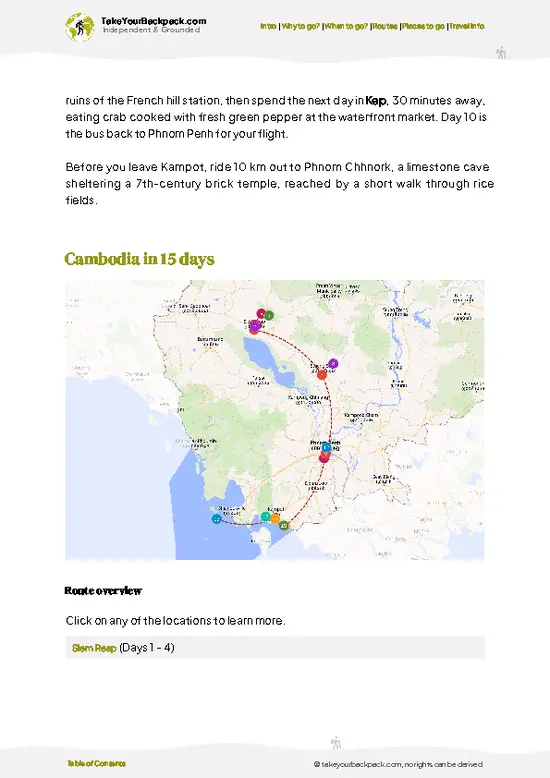
- Traditional silk-weaving workshops — The island’s heart: small family-run looms where you can watch weavers shuttle threads, learn about pattern techniques, and buy scarves or sampots straight from the maker. Seeing a piece made by hand here tells you more about the place than any brochure.
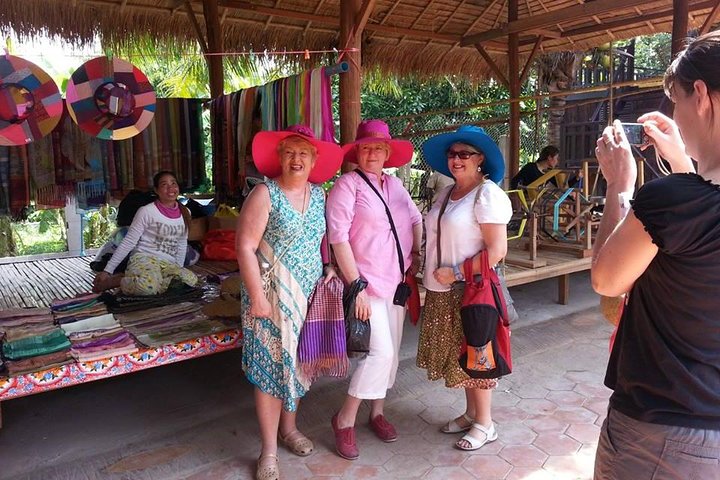
- Weavers’ cooperative and sales rooms — Community-run stalls where groups of women sell finished textiles and explain how proceeds support households. Good spot to compare quality, ask about dyes and get a fair price while supporting local craft.
- Riverside village lanes and traditional wooden houses — Walk the narrow lanes along the Mekong to see stilt houses, riverfront porches, and daily life up close. It’s low-key, photogenic, and shows island living in a way the busier mainland doesn’t.
- Community
- Traditional silk-weaving workshops — The island’s heart: small family-run looms where you can watch weavers shuttle threads, learn about pattern techniques, and buy scarves or sampots straight from the maker. Seeing a piece made by hand here tells you more about the place than any brochure.
- Weavers’ cooperative and sales rooms — Community-run stalls where groups of women sell finished textiles and explain how proceeds support households. Good spot to compare quality, ask about dyes and get a fair price while supporting local craft.
- Riverside village lanes and traditional wooden houses — Walk the narrow lanes along the Mekong to see stilt houses, riverfront porches, and daily life up close. It’s low-key, photogenic, and shows island living in a way the busier mainland doesn’t.
- Community pagoda (Wat) — A small island wat where you can observe daily Buddhist routines, murals, and monk life. Modest, quiet, and a great place to see how religion anchors village rhythms—remember to dress respectfully and ask before photographing monks.
- Local morning market — An open-air market selling fresh produce, grilled fish, and cheap snacks. It’s where farmers and weavers intersect; great for tasting real local food and watching island commerce in action.
- Natural dye stations and indigo pits — Short demos where dyers prepare color baths and show how traditional hues are fixed into silk. It’s tactile and a good place to understand why island silk looks and feels different from factory fabric.
- Homestays and village-hosted meals — Staying a night in a family home or small guesthouse is one of the best ways to absorb the island’s pace: shared dinners, early-morning river scenes, and the chance to try weaving yourself.
- Island cycling loop through rice paddies — Rent a bike at the pier and follow quiet dirt lanes past paddies, small chapels, and weaving houses. The loop is easy, scenic, and the best way to cover a lot of island character in a few hours.
- Ferry landing and riverside viewpoint — The main landing where Phnom Penh ferries pull in; a lively place to watch boat choreography, fishermen, and sunsets that frame the city across the water. Good spot for people-watching and short river trips.
- Household “mini-museums” and loom displays — Several weaving families keep old looms, photos, and tools on display so visitors can see historical methods and how techniques changed over generations—small, informal, but full of story.
Spotted a mistake or missing something? Contact us.

Phnom Penh Silk Island Bike Tour/ E-Bike or Tuk Tuk

Phnom Penh to Silk Island By Tuk-Tuk with local Expert

Silk Island & countryside of Phnom Penh by Tuk Tuk

Private Half-Day Silk Island Trip from Phnom Penh

Full Day Tour in Phnom Penh City

Koh Dach Silk Island and Phnom Penh Full Day Private Tour

Silk Island Tuk Tuk Tour
Full-Day Phnom Penh City & Silk Island with a local Tuk Tuk Tours

Island Community Life in Phnom Penh


 Best Backpacking
.jpg) Hi, I’m Johan (Netherlands 🇳🇱), the creator of TakeYourBackpack. Over the past 3 decades, I’ve backpacked through 90+ countries across six continents, gaining extensive experience with independent travel, long-term trips, and overland routes.
Hi, I’m Johan (Netherlands 🇳🇱), the creator of TakeYourBackpack. Over the past 3 decades, I’ve backpacked through 90+ countries across six continents, gaining extensive experience with independent travel, long-term trips, and overland routes.