×

Cameroon🇨🇲 | attractionsMusée des Civilisationsethnic diversity, regional displays, multimedia exhibits | things to do and best time to go

Explore Musée Ethnographique des Peuples de la ForêtExplore Bafut Palace Museum

Backpacking in Musée des Civilisations
🌟 Highlightattraction ranked #6
By Johan Kruseman 🇳🇱 | Updated May 24, 2026

Here’s what nobody tells you until it’s too late: Musée des Civilisations is air-conditioned. In Cameroon, that’s not a luxury—it’s survival, especially after a day spent sweating through Bafoussam’s relentless sun. You’ll find the museum tucked in the heart of Bafoussam, the unofficial capital of Cameroon’s western highlands, far from the tourist conveyor belt of Yaoundé or Douala. Here’s the straight talk: If you’re backpacking Cameroon for raw, unfiltered culture, this place delivers. The exhibits don’t just show off tribal masks and royal regalia—they actually explain the tangled, sometimes brutal, always fascinating history of the country’s dozens of ethnic groups. It’s not cheap by local standards, but you’re paying for context, not just artifacts. Crowds? Almost nonexistent. You’ll have space to think, sketch, or just let the silence hit you. Compared to the chaos of the markets or the postcard waterfalls, this museum is a deep breath—a rare, honest look at Cameroon’s soul, minus the Instagram circus.

Discover everything you want to know in the 📖 Cameroon Travel Guide.


Get your Cameroon guide
95 ranked highlights, routes & tips, works offline (383 pages)
Loading the map 🌍
CLICK TO FILTER
cities
towns
landmarks
national parks
hikes
beaches
attractions
festivals
regions
SHOW COUNTRY’S BESTSHOW ALL

✨ Why go?
Ranked #6 attraction in Cameroon
The unique appeal for travelers

The Musée des Civilisations in Cameroon isn’t some polished, Instagram-ready spot where you snap a quick selfie and move on. It’s a place that demands your attention—and rewards it with layers of history and culture that most travelers miss. Yes, it can get crowded, especially during peak tourist seasons, and the entrance fee isn’t dirt cheap by local standards. But here’s the kicker: this museum is the beating heart of Cameroon’s diverse heritage. You’re not just looking at artifacts; you’re stepping into the stories of multiple ethnic groups, centuries of trade, colonial impact, and resilience.

Backpackers who make the trek here know it’s a milestone on the route through Central Africa. It’s where you get context for everything else you’ll see in the country—from the bustling markets to … read more 👉
The Musée des Civilisations in Cameroon isn’t some polished, Instagram-ready spot where you snap a quick selfie and move on. It’s a place that demands your attention—and rewards it with layers of history and culture that most travelers miss. Yes, it can get crowded, especially during peak tourist seasons, and the entrance fee isn’t dirt cheap by local standards. But here’s the kicker: this museum is the beating heart of Cameroon’s diverse heritage. You’re not just looking at artifacts; you’re stepping into the stories of multiple ethnic groups, centuries of trade, colonial impact, and resilience.

Backpackers who make the trek here know it’s a milestone on the route through Central Africa. It’s where you get context for everything else you’ll see in the country—from the bustling markets to remote villages. The effort to navigate the city and the museum’s sprawling exhibits pays off with a deep, unfiltered understanding of Cameroon’s soul. This isn’t a tourist trap; it’s a cultural anchor. If you want to move beyond surface-level travel and actually connect with the place, the Musée des Civilisations is non-negotiable. It’s raw, it’s real, and it’s worth every minute.
Want to include Musée des Civilisations in your Cameroon route?
Create a personalized Cameroon itinerary that includes Musée des Civilisations and the places that fit your trip — based on your travel style, budget, and available time. Get your route in seconds.

Generate my trip

💡 HighlightsTop highlights of Musée des Civilisations

The Grassfields Royal Regalia
Forget the glass cases of dusty crowns you’ll find in European museums. Here, the royal regalia of Cameroon’s Grassfields kingdoms—think Bamoun, Bamileke, and Tikar—are alive with stories. You’ll see beaded thrones, elephant masks, and leopard-skin cloaks that weren’t just for show; these were power symbols, worn by kings who ruled over real people, not just history books. The beadwork is so intricate you’ll want to lean in close. If you’re lucky, you might catch a local guide who can decode the symbolism—why the elephant? Why the leopard? This is the kind of detail that Instagram can’t capture: the weight of authority stitched into every thread.


The Boat of the Sawa Peoples
You’ll spot it right away: a massive, hand-carved wooden canoe, big enough to ferry a … read more 👉
The Grassfields Royal Regalia
Forget the glass cases of dusty crowns you’ll find in European museums. Here, the royal regalia of Cameroon’s Grassfields kingdoms—think Bamoun, Bamileke, and Tikar—are alive with stories. You’ll see beaded thrones, elephant masks, and leopard-skin cloaks that weren’t just for show; these were power symbols, worn by kings who ruled over real people, not just history books. The beadwork is so intricate you’ll want to lean in close. If you’re lucky, you might catch a local guide who can decode the symbolism—why the elephant? Why the leopard? This is the kind of detail that Instagram can’t capture: the weight of authority stitched into every thread.


The Boat of the Sawa Peoples
You’ll spot it right away: a massive, hand-carved wooden canoe, big enough to ferry a dozen people across the Wouri River. This isn’t a prop. It’s a real artifact from the Sawa coastal communities, who’ve been navigating Cameroon’s waterways for centuries. The museum doesn’t sanitize the story, either. You’ll learn about trade, migration, and the darker chapters—like the role these boats played in the slave trade. It’s a rare chance to see the physical evidence of a culture that’s still very much alive, especially if you’ve just come from Douala’s modern chaos.


Bamoun Bronze Artistry
If you think bronze is just for statues, the Bamoun section will set you straight. These artisans have been casting metal for centuries, and their work is anything but static. You’ll find pipes shaped like human heads, ceremonial gongs, and even bronze currency. The detail is wild—faces with expressive features, animals mid-leap, and patterns that look almost modern. It’s a hands-on history lesson in metallurgy, and a reminder that African art is as sophisticated as anything you’ll see in Paris or London, minus the colonial baggage.


Traditional Musical Instruments
This isn’t a silent museum. The collection of drums, xylophones, and stringed instruments is a crash course in how music shapes identity here. Some days, you’ll catch a demonstration—yes, real musicians, not just audio recordings. The sound fills the space, and suddenly you’re not just looking at artifacts; you’re feeling the pulse of Cameroon itself. It’s the kind of immersive experience that makes you forget about the crowds outside.


Textiles and Masquerade Costumes
If you’ve ever wondered what it feels like to step into a festival, this is your chance. The museum’s textile and masquerade costume collection is a riot of color and texture. These aren’t costumes for tourists—they’re worn in real ceremonies, with real stakes. The masks are oversized, the fabrics hand-dyed, and the designs loaded with meaning. Stand in front of a Bamileke elephant mask and try not to feel a shiver of awe. This is living culture, not a souvenir shop.


The Architecture of the Museum Itself
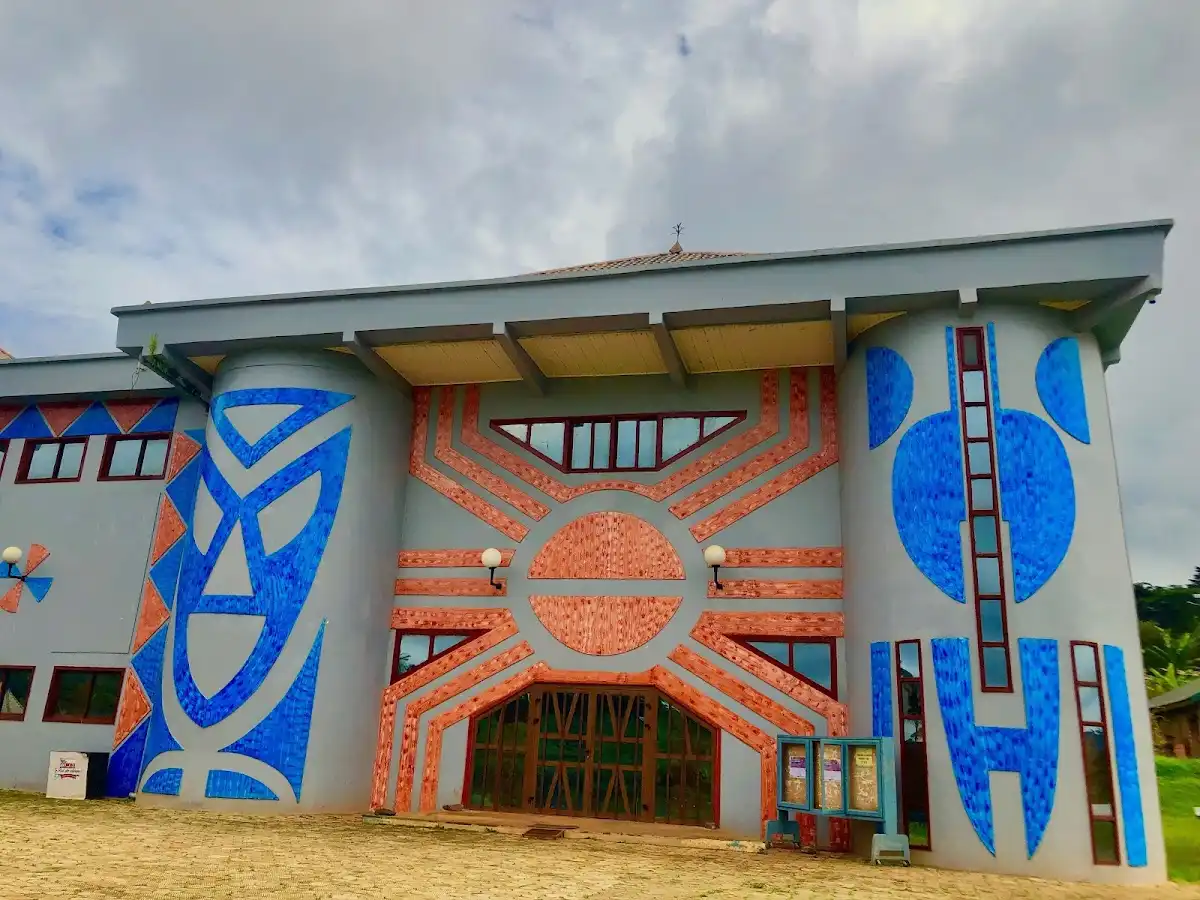
Here’s the part nobody tells you: the building is as much a statement as the objects inside. Inspired by traditional Cameroonian architecture, the structure uses local materials and design motifs. The roofline echoes the palaces of the Grassfields, and the layout encourages you to wander, not just march from exhibit to exhibit. It’s a subtle reminder that culture isn’t just preserved—it’s built, brick by brick, in the present.
Spotted a mistake or missing something? Contact us.
🌤️ When to go?Choosing the right time of year


  • Weather: The best time to visit Musée des Civilisations is during the dry season from November to February. Expect less rain, making it easier to explore without the constant threat of downpours that dominate the wet season from March to October.

  • Temperature: Temperatures hover around 24-30°C (75-86°F) year-round, but the dry season feels more comfortable with lower humidity. The wet season can feel hotter and stickier, which can drain your energy fast.

  • Daylight Hours: Cameroon enjoys roughly 11-12 hours of daylight throughout the year, so timing your visit isn’t about chasing light but more about avoiding the rain and humidity.

  • Crowds: The dry season sees a slight uptick in visitors, especially December and January, but don’t expect overwhelming crowds like in major European museums.
read more 👉

  • Weather: The best time to visit Musée des Civilisations is during the dry season from November to February. Expect less rain, making it easier to explore without the constant threat of downpours that dominate the wet season from March to October.

  • Temperature: Temperatures hover around 24-30°C (75-86°F) year-round, but the dry season feels more comfortable with lower humidity. The wet season can feel hotter and stickier, which can drain your energy fast.

  • Daylight Hours: Cameroon enjoys roughly 11-12 hours of daylight throughout the year, so timing your visit isn’t about chasing light but more about avoiding the rain and humidity.

  • Crowds: The dry season sees a slight uptick in visitors, especially December and January, but don’t expect overwhelming crowds like in major European museums. The wet season is quieter, offering a more intimate experience if you don’t mind the weather.

  • Seasonal Activities: Cultural festivals and local markets peak around December and January, adding layers to your visit beyond the museum’s walls. These events bring the city alive and offer authentic interactions.

  • Price Fluctuations: Entry fees remain stable year-round, but accommodation and transport costs spike during the dry season’s holiday months, so budget accordingly.


Pro-tip: Aim for November or February to dodge both the heavy rains and the holiday price surge—perfect balance for comfort, culture, and cost.


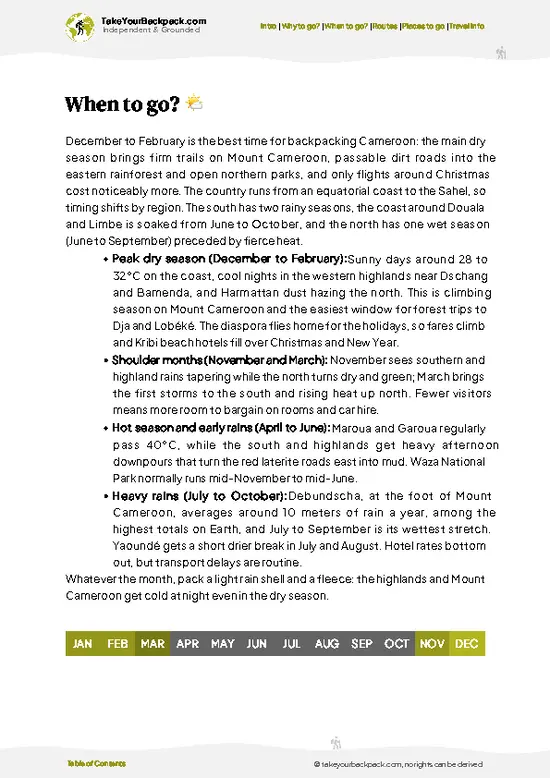
source: climatestotravel.comJANJanuary: excellent for travelingFEBFebruary: excellent for travelingMARMarch: fair for travelingAPRApril: fair for travelingMAYMay: fair for travelingJUNJune: fair for travelingJULJuly: fair for travelingAUGAugust: fair for travelingSEPSeptember: fair for travelingOCTOctober: fair for travelingNOVNovember: excellent for travelingDECDecember: highly recommended for traveling
cameroon-attraction-musee-des-civilisations
© Google |

✈️ The backpacker research shortcutCameroon Travel Guide

An offline-friendly backpacking guide with optimized travel routes, ranked highlights, transport advice, and the best areas to stay.
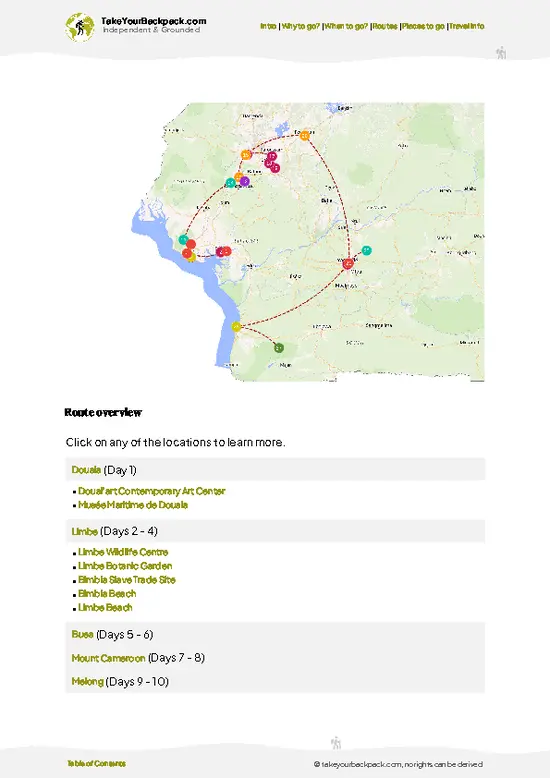
example page 0 from our offline Travel Guide for Cameroon
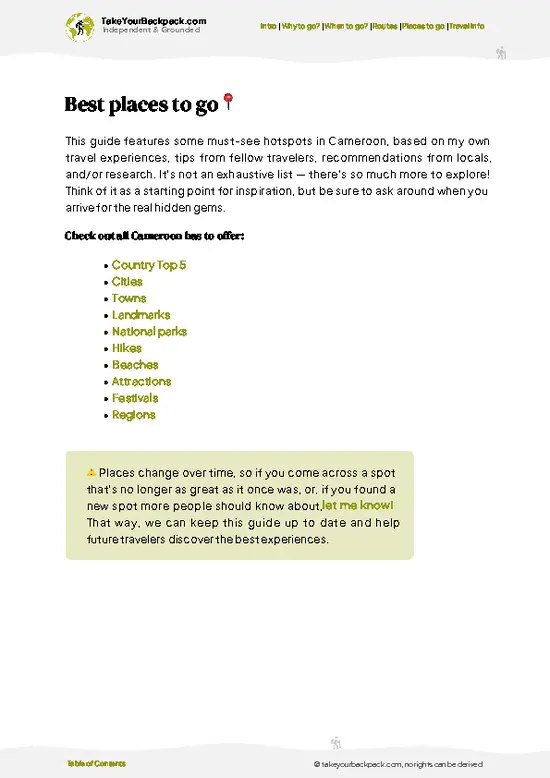
example page 1 from our offline Travel Guide for Cameroon
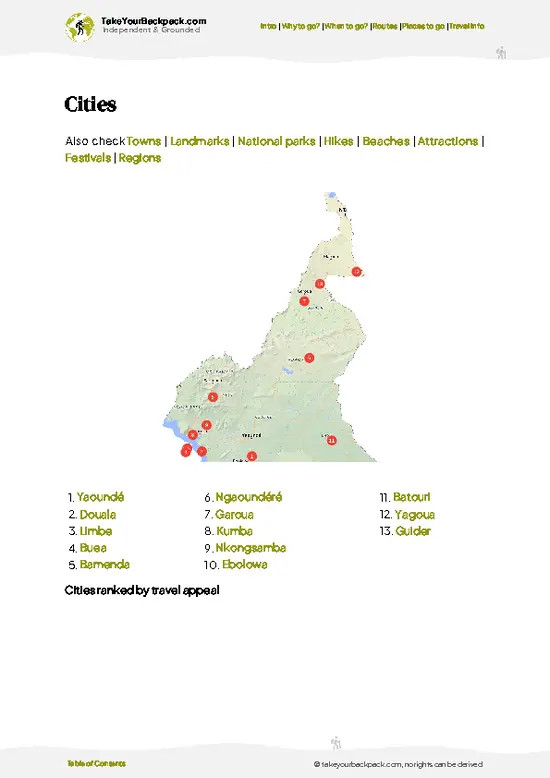
example page 2 from our offline Travel Guide for Cameroon
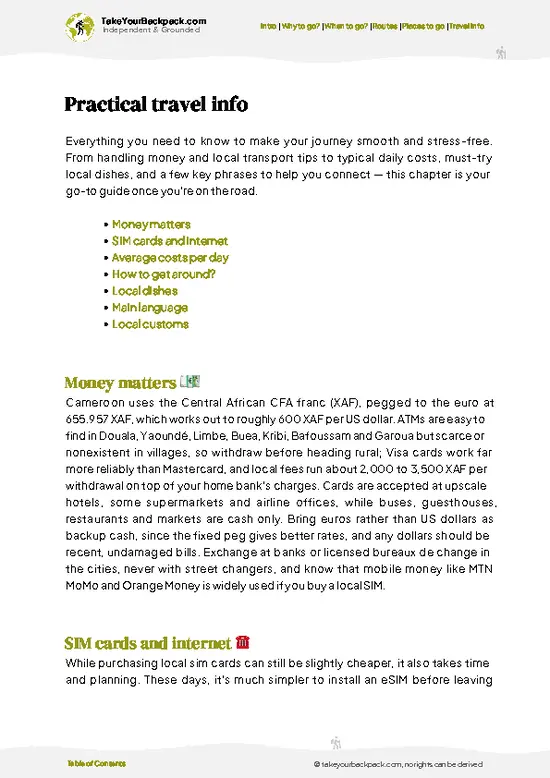
example page 3 from our offline Travel Guide for Cameroon
example page 4 from our offline Travel Guide for Cameroon
example page 5 from our offline Travel Guide for Cameroon
example page 6 from our offline Travel Guide for Cameroon
example page 7 from our offline Travel Guide for Cameroon
The digital guide (383 pages) contains:
95 highlights, ranked by travel appeal
Optimized 7, 14 & 21-day travel routes
Cities, national parks, landmarks, beaches
How to get around
Offline-friendly for travel without Wi-Fi
👉 Click to see all 30+ guide features

📅 Plan smarter in minutes, not weeks
Month by month travel advice
Festivals & national holidays
Budget expectations

🗺️ Go to the right places, skip the overrated ones
Honest pros & cons of destinations
Top hikes, parks & viewpoints
Lesser-known places most travelers miss
Clear “worth it vs skip it” guidance

🛏️ Travel smoothly without rookie mistakes
Best areas to stay
Transport systems explained simply
Common scams & safety advice
SIM cards, money & practical tips

🌍 Understand the country, not just visit it
Culture & traditions
52 Essential phrases & customs
Festivals worth planning around
Traveler-friendly historical context
Insights that make places more meaningful

📱 Built for real travel conditions
Fully downloadable PDF
Works completely offline
Optimized for phone use
Useful in remote areas & buses
Everything in one place
Save weeks of stressful planning
Get instant access to your full guide. 30‑day money-back guarantee.


By proceeding you agree to our terms.
Sent to your inbox immediately after payment • 100% Secure Checkout
Best Backpacking Travel Advisor 2025 tourism awardBest Backpacking
Travel Advisor
2025
What others say about Take Your Backpack Guides:
⭐⭐⭐⭐⭐
Fantastic, amazing amount of information!
⭐⭐⭐⭐⭐
My goodness this is amazing, it's what I've been looking for hats off too you!
⭐⭐⭐⭐⭐
I think this is absolutely BRILLIANT
⭐⭐⭐⭐
Very complete and informative. It's still missing places, but I gotta to commend you
⭐⭐⭐⭐⭐
This is truly amazing, thank you, can't wait to explore it with my kids!
⭐⭐⭐⭐⭐
Awesome resource, thank you!
⭐⭐⭐⭐⭐
This is amazing! Can't wait to explore the ones I haven't seen
⭐⭐⭐⭐
I love this! Well done, great idea.
⭐⭐⭐⭐⭐
Thanks for taking the time to make this gem!
⭐⭐⭐⭐⭐
This might be the best website I've ever seen.
⭐⭐⭐⭐⭐
Congratulations, and thank you so much for your work; it's incredibly valuable.
⭐⭐⭐⭐
In all seriousness I think you did a great job pointing out the important spots
⭐⭐⭐⭐⭐
10/10 very good
⭐⭐⭐⭐⭐
As someone who's only just starting to visit regularly this is awesome, thank you.
⭐⭐⭐⭐
Thank you very much! I'm going to visit my dad, it's going to be very useful!
⭐⭐⭐⭐⭐
This is really cool! We'll be travelling for the first time and this definitely come in handy.
⭐⭐⭐⭐⭐
You are now our minister of culture, congratulations 👨‍💼
⭐⭐⭐⭐⭐
Just wanted to tell you that this is a pearl! Going to follow your recommendations.
⭐⭐⭐⭐⭐
This is so cool. I'll definitely be using the resource for my travels soon.
⭐⭐⭐⭐⭐
This is very impressive! Good work.
⭐⭐⭐⭐⭐
This is an amazing and informative site. Very well done!

🛏️ Where to stay?Choosing the right base

If you’re backpacking to see the Musée des Civilisations in Cameroon, forget the glossy travel brochures that make it seem like you’ll have the place to yourself or find endless cheap digs right next door. The reality? Yaoundé, where the museum is, is a bustling city with a mix of charm and chaos. The immediate area around the museum isn’t exactly a backpacker’s playground—it’s more government offices and local traffic than social hubs or budget-friendly spots.

Your best bet is to base yourself in the neighborhoods of Bastos or Mvog-Ada. Bastos is safer and cleaner, with a more upscale vibe, … read more 👉
If you’re backpacking to see the Musée des Civilisations in Cameroon, forget the glossy travel brochures that make it seem like you’ll have the place to yourself or find endless cheap digs right next door. The reality? Yaoundé, where the museum is, is a bustling city with a mix of charm and chaos. The immediate area around the museum isn’t exactly a backpacker’s playground—it’s more government offices and local traffic than social hubs or budget-friendly spots.

Your best bet is to base yourself in the neighborhoods of Bastos or Mvog-Ada. Bastos is safer and cleaner, with a more upscale vibe, but it’s still accessible for budget travelers who don’t mind paying a bit more for peace of mind and decent amenities. It’s where you’ll find a handful of guesthouses and small hotels that attract solo travelers looking for a secure, quiet place to crash after a day of museum-hopping and city exploring. Plus, Bastos has some decent cafes and bars where you can meet other travelers without the touristy fluff.

Mvog-Ada, on the other hand, is grittier and more authentic. It’s where you’ll rub shoulders with locals and get a real feel for daily life in Yaoundé. It’s cheaper, but you’ll want to be street-smart here—stick to well-lit areas and avoid wandering alone at night. The social scene is more underground, but that’s where the real stories happen.

Bottom line: Don’t expect a backpacker bubble right next to the Musée des Civilisations. Pick your vibe—safe and social in Bastos or raw and real in Mvog-Ada—and you’ll get more than just a museum visit; you’ll get a slice of Cameroonian life that’s worth the trip.

👛 Costs (as of 18 March 2025)Typical daily expenses

As of the most recent estimates, the entry fees for the Musée des Civilisations in Cameroon are as follows: Non-residents: Adults: 5,000 FCFA (approximately €7.60) Students: 2,500 FCFA (approximately €3.80) Children under 10 years: 1,000 FCFA (approximately €1.50) Residents: Adults: 2,000 FCFA (approximately €3.00) Students: 1,000 FCFA (approximately €1.50) Children under 10 years: 500 FCFA (approximately €0.75) Additional services: Photos inside: 5,000 FCFA (approximately €7.60) Photos outside: 1,000 FCFA (approximately €1.50) Picnic: 500 FCFA per person (approximately €0.75) Weddings (photos + videos): 10,000 FCFA (approximately €15.20) Please note that exchange rates may vary, and it's advisable to check the current rates before your visit.

source: cameroon-nationalmuseum.cm
⚠️ Prices can change and everyone travels differently, so take this as a rough guide. Hope it helps you plan your adventure!

Other Cameroonian attractions near Musée des Civilisations

Explore more nearby:


💡 Not sure where to go next?
Create a personalized itinerary for Cameroon including Musée des Civilisations and the places that fit your trip.

Generate my itinerary

👉 Discover all attractions

Or checkout all Cameroon has to offer (think cities, towns, villages, national parks, hikes, beaches, festivals)
Country photo of Cameroon

We 💚 feedbackFinal thoughts on visiting Musée des Civilisations

Musée des Civilisations isn’t your typical polished museum experience. Expect a bit of chaos—crowds, uneven signage, and a building that feels more functional than fancy. But here’s the kicker: the real magic is in the raw, unfiltered stories of Cameroon’s diverse cultures, told through artifacts that don’t just sit behind glass but seem to pulse with history. If you’re after Instagram-perfect shots, look elsewhere. But if you want to feel the weight of centuries and hear the echoes of traditions still alive today, this place hits deep. Just go with patience and curiosity.

✍️ Help improve this page!
The information on this page is based on in-depth research, insights shared by experienced travelers, and feedback from the local travel community in Cameroon. While every effort is made to keep the information accurate and current, conditions can change — so if you spot anything incorrect or outdated, please get in touch.


🙋‍♂️ Give feedback

👋 Meet the founderWho’s Behind Take Your Backpack?

Johan, backpacker and founder of TakeYourBackpackHi, I’m Johan (Netherlands 🇳🇱), the creator of TakeYourBackpack. Over the past decade, I’ve backpacked through 80+ countries across six continents, gaining extensive experience with independent travel, long-term trips, and overland routes.

This site is built on a combination of firsthand travel experience and carefully curated insights from other backpackers. Many guides are based on places I’ve personally visited, while others bring together tips, observations, and practical advice shared by trusted travelers I’ve met along the way.

The goal is to provide realistic, experience-driven guidance — not generic itineraries — so you can explore destinations with better context, clearer expectations, and more confidence.

Get full Cameroon guide •
Instant download • 95 highlights • Full Offline guide