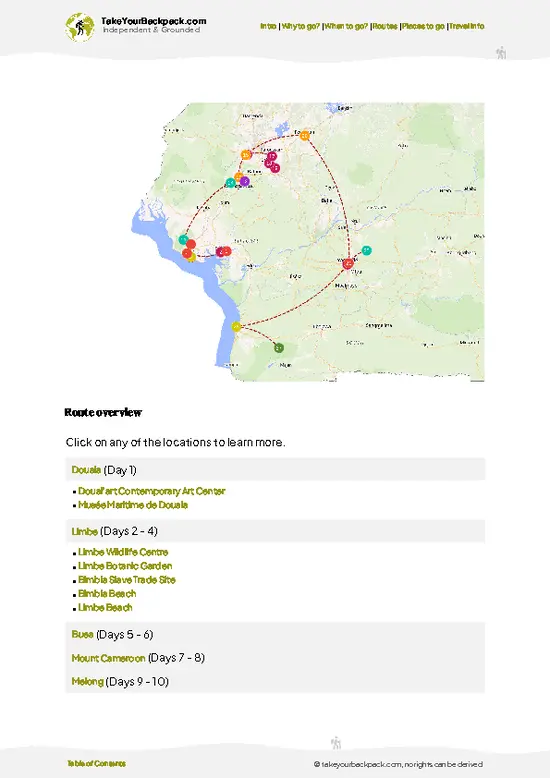
1. Up-Close Encounters with Rescued Primates
Forget the Instagram fantasy of “playing with monkeys.” Limbe Wildlife Centre is not a petting zoo, and that’s exactly why it matters. Here, you’re face-to-face with gorillas, chimpanzees, and drills—many rescued from the bushmeat trade or illegal captivity. The enclosures are designed for the animals’ well-being, not your photo op. Watching a silverback lounge in the shade or a troop of chimps negotiate their social drama is a privilege, not a spectacle. The real magic? Seeing animals act like themselves, not circus props. You’ll leave with a new respect for what “wild” actually means.
2. The Drill Monkeys: Cameroon’s Rarest Residents
Drills are the punk rockers of the primate world—rare, mohawked, and full of attitude. Limbe is one of the only … read more 👉
Forget the Instagram fantasy of “playing with monkeys.” Limbe Wildlife Centre is not a petting zoo, and that’s exactly why it matters. Here, you’re face-to-face with gorillas, chimpanzees, and drills—many rescued from the bushmeat trade or illegal captivity. The enclosures are designed for the animals’ well-being, not your photo op. Watching a silverback lounge in the shade or a troop of chimps negotiate their social drama is a privilege, not a spectacle. The real magic? Seeing animals act like themselves, not circus props. You’ll leave with a new respect for what “wild” actually means.
2. The Drill Monkeys: Cameroon’s Rarest Residents
Drills are the punk rockers of the primate world—rare, mohawked, and full of attitude. Limbe is one of the only … read more 👉
1. Up-Close Encounters with Rescued Primates
Forget the Instagram fantasy of “playing with monkeys.” Limbe Wildlife Centre is not a petting zoo, and that’s exactly why it matters. Here, you’re face-to-face with gorillas, chimpanzees, and drills—many rescued from the bushmeat trade or illegal captivity. The enclosures are designed for the animals’ well-being, not your photo op. Watching a silverback lounge in the shade or a troop of chimps negotiate their social drama is a privilege, not a spectacle. The real magic? Seeing animals act like themselves, not circus props. You’ll leave with a new respect for what “wild” actually means.
2. The Drill Monkeys: Cameroon’s Rarest Residents
Drills are the punk rockers of the primate world—rare, mohawked, and full of attitude. Limbe is one of the only places on earth where you can see them up close. They’re endangered, and their social dynamics are a masterclass in organized chaos. You’ll hear their guttural calls before you see them, and when you do, you’ll understand why researchers obsess over these animals. If you want a wildlife experience you can’t get in Kenya or South Africa, this is it.
3. Behind-the-Scenes Conservation in Action
Limbe isn’t just a sanctuary—it’s a working rescue and rehabilitation center. You’ll see staff prepping food, tending to sick animals, and running enrichment activities that keep the residents sharp. There’s no sugarcoating the reality: some animals arrive traumatized, and not every story has a happy ending. But witnessing the daily grind of real conservation work—far from the glossy brochures—gives you a front-row seat to hope, heartbreak, and hard-won victories. It’s messy, it’s honest, and it’s the soul of the place.
4. The Education Center: No Fairy Tales Allowed
Most wildlife centers spoon-feed you feel-good facts. Limbe’s education center pulls no punches. The displays tackle poaching, habitat loss, and the ugly economics behind the wildlife trade. It’s not about guilt-tripping; it’s about context. You’ll walk away with a clear-eyed understanding of why these animals are here—and what’s at stake if nothing changes. If you want travel to mean more than a passport stamp, this is where it starts.
5. The Human Side: Local Staff and Community Impact
Limbe isn’t run by faceless foreigners parachuting in for a photo op. The staff are mostly Cameroonian, and their pride in the center is contagious. Strike up a conversation and you’ll get stories that don’t make it into guidebooks—about rescue missions, animal personalities, and the daily hustle to keep the place running. The center also supports local jobs and education, so your ticket does more than buy you a day out; it fuels a grassroots movement for change. That’s entertainment with substance.
Forget the Instagram fantasy of “playing with monkeys.” Limbe Wildlife Centre is not a petting zoo, and that’s exactly why it matters. Here, you’re face-to-face with gorillas, chimpanzees, and drills—many rescued from the bushmeat trade or illegal captivity. The enclosures are designed for the animals’ well-being, not your photo op. Watching a silverback lounge in the shade or a troop of chimps negotiate their social drama is a privilege, not a spectacle. The real magic? Seeing animals act like themselves, not circus props. You’ll leave with a new respect for what “wild” actually means.
2. The Drill Monkeys: Cameroon’s Rarest Residents
Drills are the punk rockers of the primate world—rare, mohawked, and full of attitude. Limbe is one of the only places on earth where you can see them up close. They’re endangered, and their social dynamics are a masterclass in organized chaos. You’ll hear their guttural calls before you see them, and when you do, you’ll understand why researchers obsess over these animals. If you want a wildlife experience you can’t get in Kenya or South Africa, this is it.
3. Behind-the-Scenes Conservation in Action
Limbe isn’t just a sanctuary—it’s a working rescue and rehabilitation center. You’ll see staff prepping food, tending to sick animals, and running enrichment activities that keep the residents sharp. There’s no sugarcoating the reality: some animals arrive traumatized, and not every story has a happy ending. But witnessing the daily grind of real conservation work—far from the glossy brochures—gives you a front-row seat to hope, heartbreak, and hard-won victories. It’s messy, it’s honest, and it’s the soul of the place.
4. The Education Center: No Fairy Tales Allowed
Most wildlife centers spoon-feed you feel-good facts. Limbe’s education center pulls no punches. The displays tackle poaching, habitat loss, and the ugly economics behind the wildlife trade. It’s not about guilt-tripping; it’s about context. You’ll walk away with a clear-eyed understanding of why these animals are here—and what’s at stake if nothing changes. If you want travel to mean more than a passport stamp, this is where it starts.
5. The Human Side: Local Staff and Community Impact
Limbe isn’t run by faceless foreigners parachuting in for a photo op. The staff are mostly Cameroonian, and their pride in the center is contagious. Strike up a conversation and you’ll get stories that don’t make it into guidebooks—about rescue missions, animal personalities, and the daily hustle to keep the place running. The center also supports local jobs and education, so your ticket does more than buy you a day out; it fuels a grassroots movement for change. That’s entertainment with substance.
Spotted a mistake or missing something? Contact us.
v2.webp)


Best Backpacking
Hi, I’m Johan (Netherlands 🇳🇱), the creator of TakeYourBackpack. Over the past decade, I’ve backpacked through 80+ countries across six continents, gaining extensive experience with independent travel, long-term trips, and overland routes.