
The Royal Regalia Room
Skip the Instagram pose in front of the gates and head straight for the real power move: the Royal Regalia Room. This isn’t some dusty display of knockoff crowns. You’re looking at the actual thrones, beaded scepters, and elephant tusk trumpets used by the Mankon Fon (king) and his court. Each piece is loaded with symbolism—leopard skins for authority, intricate beadwork for lineage. The craftsmanship is so dense with meaning, you’ll wish you had a local elder on speed dial. It’s a crash course in the visual language of power, and it’s as far from a tourist trinket shop as you can get.
The Secret Society Masks
Here’s where the museum earns its reputation as a place that doesn’t water down the culture for outsiders. The masks on display aren’t just for show; they’re … read more 👉
Skip the Instagram pose in front of the gates and head straight for the real power move: the Royal Regalia Room. This isn’t some dusty display of knockoff crowns. You’re looking at the actual thrones, beaded scepters, and elephant tusk trumpets used by the Mankon Fon (king) and his court. Each piece is loaded with symbolism—leopard skins for authority, intricate beadwork for lineage. The craftsmanship is so dense with meaning, you’ll wish you had a local elder on speed dial. It’s a crash course in the visual language of power, and it’s as far from a tourist trinket shop as you can get.
The Secret Society Masks
Here’s where the museum earns its reputation as a place that doesn’t water down the culture for outsiders. The masks on display aren’t just for show; they’re … read more 👉
The Royal Regalia Room
Skip the Instagram pose in front of the gates and head straight for the real power move: the Royal Regalia Room. This isn’t some dusty display of knockoff crowns. You’re looking at the actual thrones, beaded scepters, and elephant tusk trumpets used by the Mankon Fon (king) and his court. Each piece is loaded with symbolism—leopard skins for authority, intricate beadwork for lineage. The craftsmanship is so dense with meaning, you’ll wish you had a local elder on speed dial. It’s a crash course in the visual language of power, and it’s as far from a tourist trinket shop as you can get.
The Secret Society Masks
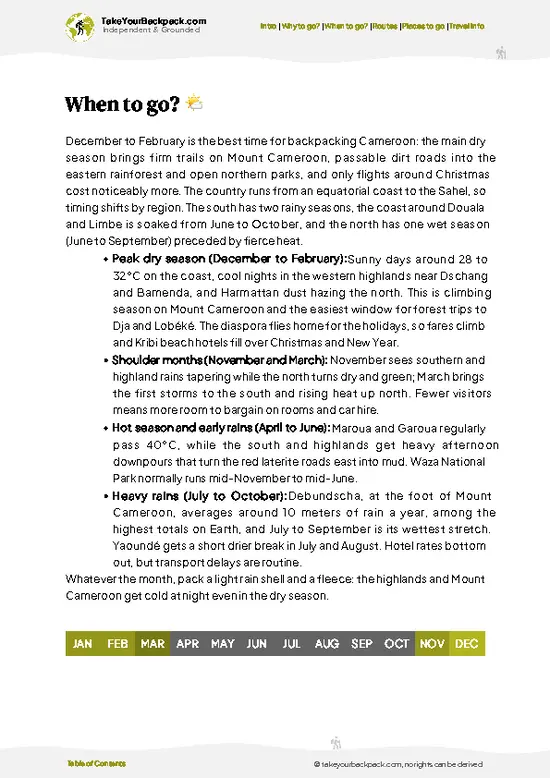
Here’s where the museum earns its reputation as a place that doesn’t water down the culture for outsiders. The masks on display aren’t just for show; they’re the real deal, used in initiation rites and secret society ceremonies that outsiders rarely witness. Some are carved from a single block of wood, others are layered with raffia and cowrie shells. Each mask tells a story—of spirits, ancestors, and the invisible rules that still shape Mankon society. Don’t expect a glossy plaque with all the answers. The mystery is part of the experience, and you’ll leave with more questions than you came with.
Grassfields Architecture in Miniature
Forget the Instagrammable “museum selfie.” The real architectural marvel is the scale model of a traditional Mankon palace compound. It’s a labyrinth of courtyards, shrines, and audience halls, all mapped out in miniature. This isn’t just a model—it’s a blueprint for how power, family, and spirituality are organized in the Grassfields. You’ll start to see how every doorway and wall has a purpose, and why the real palace is off-limits to most visitors. It’s the closest you’ll get to understanding the logic behind the region’s most iconic buildings, without trespassing on sacred ground.
Live Storytelling and Oral Histories
If you time your visit right, you might catch a local guide or elder spinning tales that make the artifacts come alive. This isn’t a scripted audio tour. It’s the oral tradition in action—stories of legendary Fons, epic battles, and trickster spirits, delivered with the kind of charisma that makes you forget you’re in a museum. The entertainment value is off the charts, and you’ll walk away with a sense of the living, breathing culture behind the glass cases.
Ritual Instruments and Soundscapes
You can see the drums, xylophones, and slit gongs up close—some still used in ceremonies today. If you’re lucky, you’ll hear a demonstration. The rhythms aren’t just background noise; they’re coded messages, summoning ancestors or signaling royal decrees. It’s a reminder that this museum isn’t a mausoleum. It’s a living archive, and the soundtrack is half the story.
Skip the Instagram pose in front of the gates and head straight for the real power move: the Royal Regalia Room. This isn’t some dusty display of knockoff crowns. You’re looking at the actual thrones, beaded scepters, and elephant tusk trumpets used by the Mankon Fon (king) and his court. Each piece is loaded with symbolism—leopard skins for authority, intricate beadwork for lineage. The craftsmanship is so dense with meaning, you’ll wish you had a local elder on speed dial. It’s a crash course in the visual language of power, and it’s as far from a tourist trinket shop as you can get.
The Secret Society Masks
Here’s where the museum earns its reputation as a place that doesn’t water down the culture for outsiders. The masks on display aren’t just for show; they’re the real deal, used in initiation rites and secret society ceremonies that outsiders rarely witness. Some are carved from a single block of wood, others are layered with raffia and cowrie shells. Each mask tells a story—of spirits, ancestors, and the invisible rules that still shape Mankon society. Don’t expect a glossy plaque with all the answers. The mystery is part of the experience, and you’ll leave with more questions than you came with.
Grassfields Architecture in Miniature
Forget the Instagrammable “museum selfie.” The real architectural marvel is the scale model of a traditional Mankon palace compound. It’s a labyrinth of courtyards, shrines, and audience halls, all mapped out in miniature. This isn’t just a model—it’s a blueprint for how power, family, and spirituality are organized in the Grassfields. You’ll start to see how every doorway and wall has a purpose, and why the real palace is off-limits to most visitors. It’s the closest you’ll get to understanding the logic behind the region’s most iconic buildings, without trespassing on sacred ground.
Live Storytelling and Oral Histories
If you time your visit right, you might catch a local guide or elder spinning tales that make the artifacts come alive. This isn’t a scripted audio tour. It’s the oral tradition in action—stories of legendary Fons, epic battles, and trickster spirits, delivered with the kind of charisma that makes you forget you’re in a museum. The entertainment value is off the charts, and you’ll walk away with a sense of the living, breathing culture behind the glass cases.
Ritual Instruments and Soundscapes
You can see the drums, xylophones, and slit gongs up close—some still used in ceremonies today. If you’re lucky, you’ll hear a demonstration. The rhythms aren’t just background noise; they’re coded messages, summoning ancestors or signaling royal decrees. It’s a reminder that this museum isn’t a mausoleum. It’s a living archive, and the soundtrack is half the story.
Spotted a mistake or missing something? Contact us.
v2.webp)

Best Backpacking
Hi, I’m Johan (Netherlands 🇳🇱), the creator of TakeYourBackpack. Over the past decade, I’ve backpacked through 80+ countries across six continents, gaining extensive experience with independent travel, long-term trips, and overland routes.