

1. The Life-Size Forest Village Reconstruction
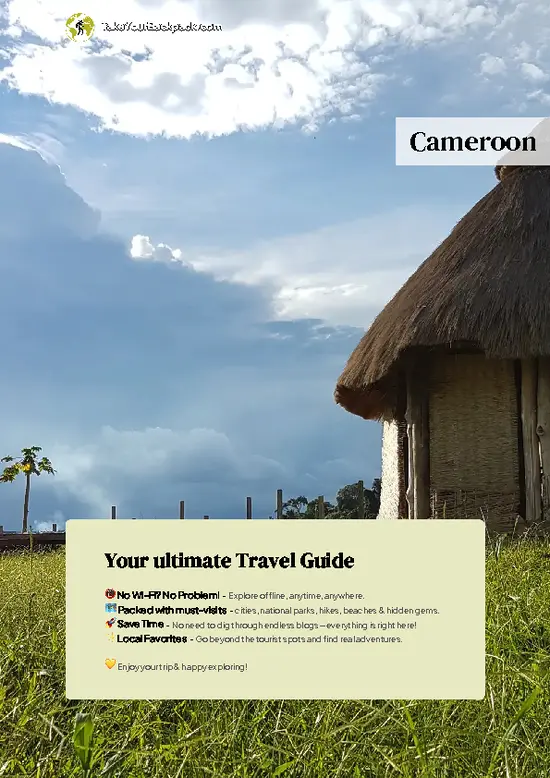
Forget the glass cases and dusty placards—this is the museum’s showstopper. You walk into a full-scale replica of a traditional forest village, complete with thatched huts, communal meeting spaces, and the kind of everyday objects that never make it into glossy travel brochures. It’s not just for show. The layout is accurate down to the fire pits and sleeping mats, and the air smells faintly of wood smoke and earth. You get a sense of how people actually live, not just how they’re depicted in textbooks. It’s immersive, tactile, and—if you’re lucky—sometimes staffed by local guides who grew up in similar villages and aren’t shy about sharing what’s real and what’s just for the tourists.
2. The Mask Collection (and the Stories Behind Them)
You’ve … read more 👉
Forget the glass cases and dusty placards—this is the museum’s showstopper. You walk into a full-scale replica of a traditional forest village, complete with thatched huts, communal meeting spaces, and the kind of everyday objects that never make it into glossy travel brochures. It’s not just for show. The layout is accurate down to the fire pits and sleeping mats, and the air smells faintly of wood smoke and earth. You get a sense of how people actually live, not just how they’re depicted in textbooks. It’s immersive, tactile, and—if you’re lucky—sometimes staffed by local guides who grew up in similar villages and aren’t shy about sharing what’s real and what’s just for the tourists.
2. The Mask Collection (and the Stories Behind Them)
You’ve … read more 👉
1. The Life-Size Forest Village Reconstruction
Forget the glass cases and dusty placards—this is the museum’s showstopper. You walk into a full-scale replica of a traditional forest village, complete with thatched huts, communal meeting spaces, and the kind of everyday objects that never make it into glossy travel brochures. It’s not just for show. The layout is accurate down to the fire pits and sleeping mats, and the air smells faintly of wood smoke and earth. You get a sense of how people actually live, not just how they’re depicted in textbooks. It’s immersive, tactile, and—if you’re lucky—sometimes staffed by local guides who grew up in similar villages and aren’t shy about sharing what’s real and what’s just for the tourists.
2. The Mask Collection (and the Stories Behind Them)
You’ve seen African masks in airport gift shops and on Instagram feeds, but here, the masks aren’t just art—they’re living, breathing history. The collection is curated by region and purpose: initiation, harvest, funerals, and ceremonies you’ve never heard of. The real kicker is the storytelling. Each mask comes with context—who wore it, why, and what it meant to the community. Some are terrifying, some are playful, and a few are so intricate you’ll wonder how anyone danced in them without passing out. This isn’t a parade of “exotic” objects; it’s a crash course in symbolism, power, and identity.
3. The Musical Instrument Demonstrations
This is where the museum ditches the “look, don’t touch” rule. You’ll find everything from slit drums the size of canoes to thumb pianos and bark-stringed zithers. The staff don’t just explain—they play. If you’re game, you can join in. The rhythms are infectious, and the explanations are refreshingly blunt about what’s tradition and what’s been jazzed up for tourists. You’ll leave with a new respect for the complexity of forest music, and maybe a sore hand from trying to keep up.
4. The Ritual Objects Room
This isn’t the place for squeamish sensibilities. The museum pulls no punches with its collection of ritual objects—think ancestor skulls, divination tools, and ceremonial costumes that look like they belong in a fever dream. The displays are honest about their origins and uses, including the uncomfortable bits: secret societies, spiritual power, and the line between reverence and fear. It’s raw, sometimes unsettling, and absolutely unforgettable if you want to understand the real stakes of forest culture.
5. The Living Traditions Workshops
If you’re lucky enough to visit on a workshop day, cancel your other plans. Local artisans and elders run hands-on sessions in weaving, basket-making, or even traditional medicine. These aren’t staged for tourists—they’re the real deal, with plenty of side-eye for anyone who treats the culture like a costume party. You’ll walk away with something you made yourself, plus a story that’s actually worth telling when you get home.
Forget the glass cases and dusty placards—this is the museum’s showstopper. You walk into a full-scale replica of a traditional forest village, complete with thatched huts, communal meeting spaces, and the kind of everyday objects that never make it into glossy travel brochures. It’s not just for show. The layout is accurate down to the fire pits and sleeping mats, and the air smells faintly of wood smoke and earth. You get a sense of how people actually live, not just how they’re depicted in textbooks. It’s immersive, tactile, and—if you’re lucky—sometimes staffed by local guides who grew up in similar villages and aren’t shy about sharing what’s real and what’s just for the tourists.
2. The Mask Collection (and the Stories Behind Them)
You’ve seen African masks in airport gift shops and on Instagram feeds, but here, the masks aren’t just art—they’re living, breathing history. The collection is curated by region and purpose: initiation, harvest, funerals, and ceremonies you’ve never heard of. The real kicker is the storytelling. Each mask comes with context—who wore it, why, and what it meant to the community. Some are terrifying, some are playful, and a few are so intricate you’ll wonder how anyone danced in them without passing out. This isn’t a parade of “exotic” objects; it’s a crash course in symbolism, power, and identity.
3. The Musical Instrument Demonstrations
This is where the museum ditches the “look, don’t touch” rule. You’ll find everything from slit drums the size of canoes to thumb pianos and bark-stringed zithers. The staff don’t just explain—they play. If you’re game, you can join in. The rhythms are infectious, and the explanations are refreshingly blunt about what’s tradition and what’s been jazzed up for tourists. You’ll leave with a new respect for the complexity of forest music, and maybe a sore hand from trying to keep up.
4. The Ritual Objects Room
This isn’t the place for squeamish sensibilities. The museum pulls no punches with its collection of ritual objects—think ancestor skulls, divination tools, and ceremonial costumes that look like they belong in a fever dream. The displays are honest about their origins and uses, including the uncomfortable bits: secret societies, spiritual power, and the line between reverence and fear. It’s raw, sometimes unsettling, and absolutely unforgettable if you want to understand the real stakes of forest culture.
5. The Living Traditions Workshops
If you’re lucky enough to visit on a workshop day, cancel your other plans. Local artisans and elders run hands-on sessions in weaving, basket-making, or even traditional medicine. These aren’t staged for tourists—they’re the real deal, with plenty of side-eye for anyone who treats the culture like a costume party. You’ll walk away with something you made yourself, plus a story that’s actually worth telling when you get home.
Spotted a mistake or missing something? Contact us.
v2.webp)


Best Backpacking
Hi, I’m Johan (Netherlands 🇳🇱), the creator of TakeYourBackpack. Over the past decade, I’ve backpacked through 80+ countries across six continents, gaining extensive experience with independent travel, long-term trips, and overland routes.