×

Canada🇨🇦 | regionsYukonTombstone spires, Klondike boardwalks, Dempster tundra, Kluane icefields | things to do and best time to go

Explore Vancouver IslandExplore Banff

Backpacking in Yukon
👌 Worth visitingregion ranked #8
By Johan Kruseman 🇳🇱 | Updated October 20, 2026

Most people come to Yukon for the northern lights and the Klondike Gold Rush story, but the quieter draw is how empty it is: roads run for hours with no town, and a campsite usually has no neighbors. Yukon sits in the far northwest of Canada, bordering Alaska. Dust coats everything on the Dempster and Top of the World gravel, and services are thin and pricey, which is part of the deal. In Dawson City I had a bowl of bison chili and a coffee for about US$18, eaten on a plank porch while boardwalks creaked under boots. You get wooden saloons, huge rivers and mountains with no crowds. The evening ended with a gravel road smelling of wet spruce.

Discover everything you want to know in the 📖 Canada Travel Guide.


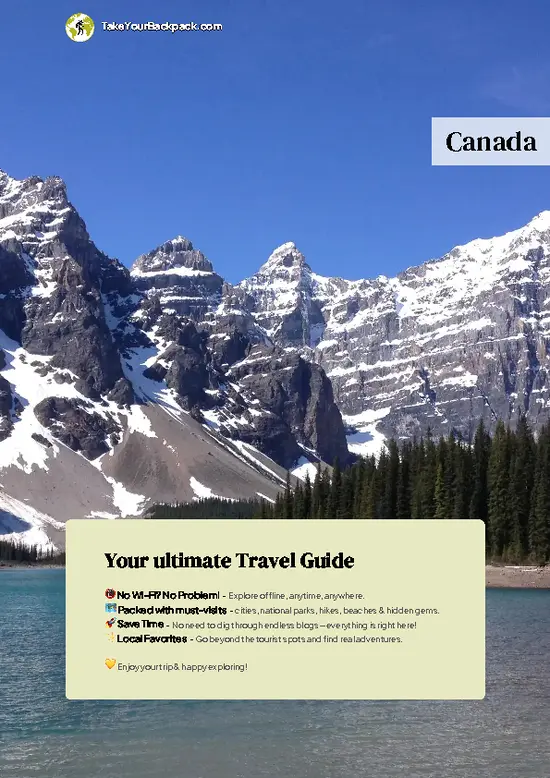
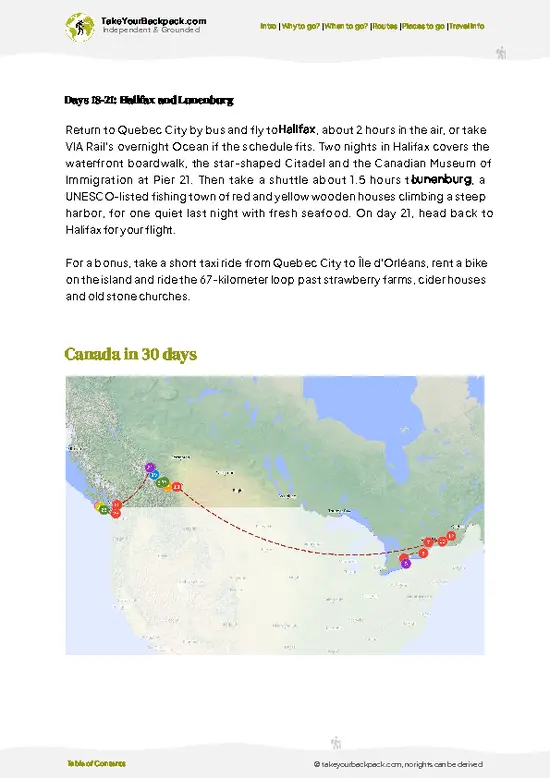
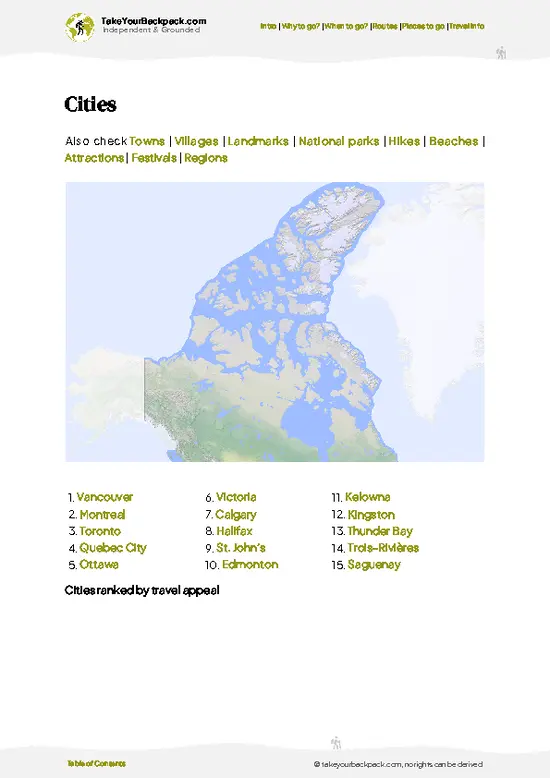
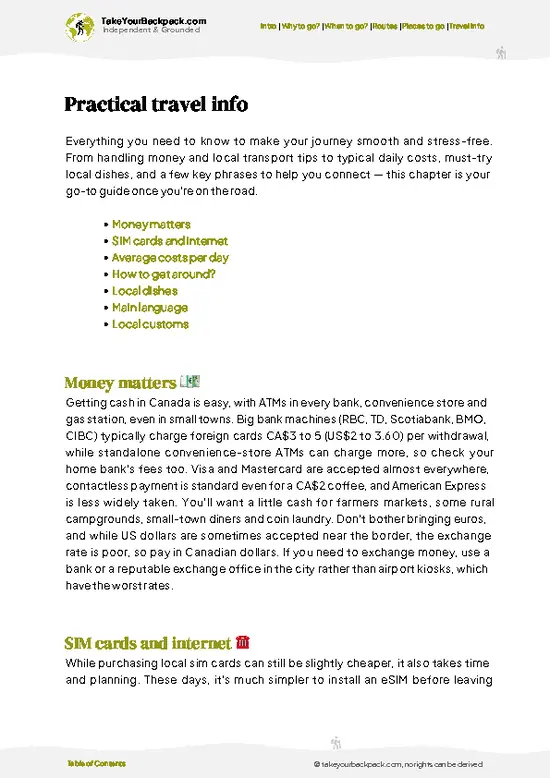
example page 0 from our offline Travel Guide for Canada
example page 1 from our offline Travel Guide for Canada
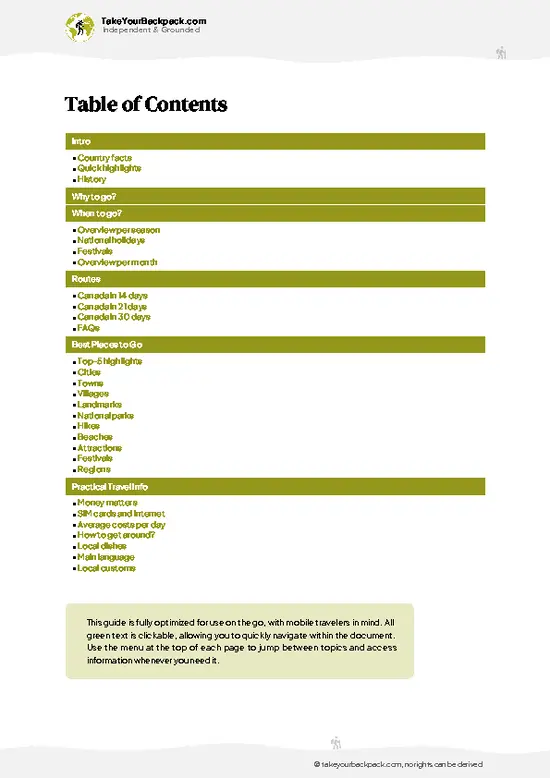
example page 2 from our offline Travel Guide for Canada
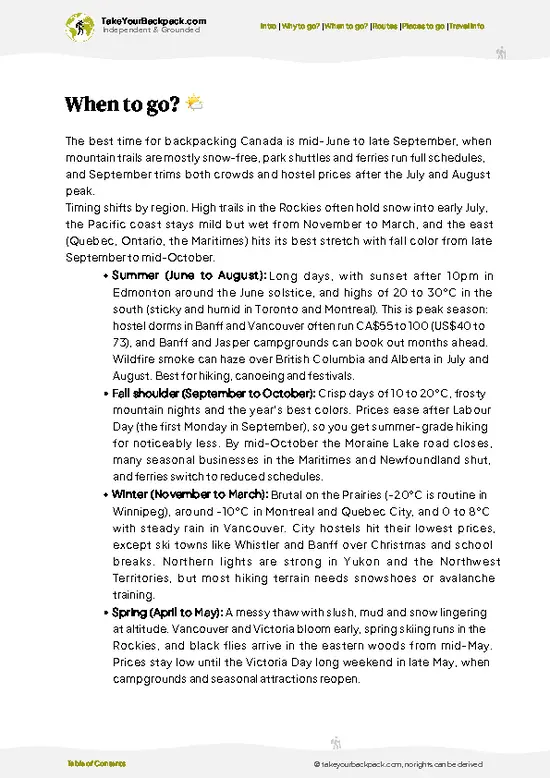
example page 3 from our offline Travel Guide for Canada
example page 4 from our offline Travel Guide for Canada
example page 5 from our offline Travel Guide for Canada
example page 6 from our offline Travel Guide for Canada
example page 7 from our offline Travel Guide for Canada
Loading the map 🌍
CLICK TO FILTER
cities
towns
villages
landmarks
national parks
hikes
beaches
attractions
festivals
regions
SHOW COUNTRY’S BESTSHOW ALL

✨ Why go?
Ranked #8 region in Canada
What sets this place apart

Yukon works for backpackers because distances are huge but the choices are simple. One highway loop links Whitehorse, Dawson City and the Alaska border, so you can mix paddling, hiking and gold-rush history without a complicated itinerary. Hitching and ride-sharing are common along the main corridors, and campgrounds are scattered everywhere, which keeps plans flexible. The second reason is access to real wilderness. Kluane National Park holds Canada’s highest peak, Mount Logan, and trails start almost at the road. The third is slow travel: stay a few nights in Dawson, take the Yukon River ferry, wander old creeks, and you see how the north actually runs, with small communities, long conversations and very little rush.

💡 HighlightsPlaces and moments you shouldn't skip

  1. Dawson City: the Klondike Gold Rush town, with dirt streets, wooden boardwalks and restored saloons.
  2. Dredge No. 4: a giant gold dredge near Dawson, now a National Historic Site you can tour for a modest fee.
  3. Kluane National Park and Reserve: glaciers and Mount Logan, with trails like Kathleen Lake and King’s Throne.
  4. Miles Canyon: basalt cliffs and a suspension bridge near Whitehorse, easy to walk in an hour.
  5. SS Klondike: a restored sternwheeler in Whitehorse that shows how river transport once worked.
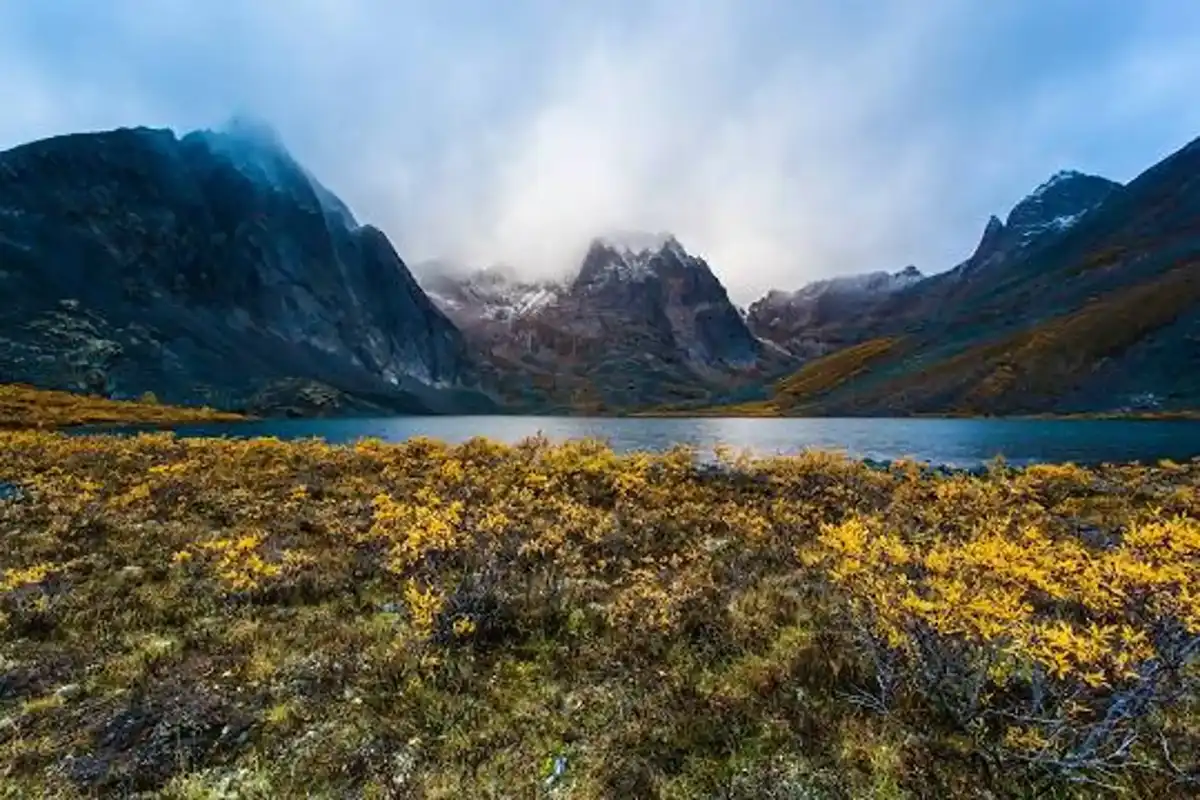
  6. Tombstone Territorial Park: jagged granite peaks, tundra colors and backcountry camping along the Dempster Highway.
  7. Midnight Dome: a viewpoint above Dawson with the Yukon and Klondike rivers meeting below.
  8. Carcross Desert: small sand dunes beside a lake, a short stop with surprising scenery.
  9. Fishing
… read more 👉
  1. Dawson City: the Klondike Gold Rush town, with dirt streets, wooden boardwalks and restored saloons.
  2. Dredge No. 4: a giant gold dredge near Dawson, now a National Historic Site you can tour for a modest fee.
  3. Kluane National Park and Reserve: glaciers and Mount Logan, with trails like Kathleen Lake and King’s Throne.
  4. Miles Canyon: basalt cliffs and a suspension bridge near Whitehorse, easy to walk in an hour.
  5. SS Klondike: a restored sternwheeler in Whitehorse that shows how river transport once worked.
  6. Tombstone Territorial Park: jagged granite peaks, tundra colors and backcountry camping along the Dempster Highway.
  7. Midnight Dome: a viewpoint above Dawson with the Yukon and Klondike rivers meeting below.
  8. Carcross Desert: small sand dunes beside a lake, a short stop with surprising scenery.
  9. Fishing Branch (Ni’iinlii Njik) Territorial Park: remote salmon-spawning river and bear viewing, little visited.
  10. Keno City: a tiny mining village with a museum and old tailings, quiet and rarely visited.
For a first visit, Dawson City delivers the most atmosphere in the smallest area, and everything there is walkable.
Spotted a mistake or missing something? Contact us.
⌛️ 5 daysWhat you can realistically do in a week

The pace here is set by one long highway and few buses, so you move by rental car, shuttle or thumb and plan around long drives, not daily sightseeing.
Day 1: Whitehorse: Start where flights and shuttles arrive. Walk the waterfront, see the SS Klondike and hike Miles Canyon. Stock up on food here because prices climb north of town.
Day 2: Kluane National Park: Head west for mountains and lake views. A day hike near Kathleen Lake gives you big scenery without special gear, and the evening is quiet.
Day 3: Dawson City: Travel north on the Klondike Highway. Arrive for the boardwalks and saloons, and use the rest of the afternoon to climb Midnight Dome.
Day 4: Dredge No. 4 and the Dempster Highway: Visit the dredge in the morning, then drive the first stretch of the Dempster toward Tombstone, where … read more 👉
The pace here is set by one long highway and few buses, so you move by rental car, shuttle or thumb and plan around long drives, not daily sightseeing.
Day 1: Whitehorse: Start where flights and shuttles arrive. Walk the waterfront, see the SS Klondike and hike Miles Canyon. Stock up on food here because prices climb north of town.
Day 2: Kluane National Park: Head west for mountains and lake views. A day hike near Kathleen Lake gives you big scenery without special gear, and the evening is quiet.
Day 3: Dawson City: Travel north on the Klondike Highway. Arrive for the boardwalks and saloons, and use the rest of the afternoon to climb Midnight Dome.
Day 4: Dredge No. 4 and the Dempster Highway: Visit the dredge in the morning, then drive the first stretch of the Dempster toward Tombstone, where tundra opens wide. This detour adds a lot and stays near Dawson, so it does not break the schedule.
Day 5: Back toward Whitehorse: Return south, stopping at Carcross Desert for a short walk before your onward trip.
If I had to pick one day, it is Day 4. The Dempster tundra is the Yukon at its most open and wild.

🌤️ When to go?Seasonal considerations and timing

  • Summer (June to August): Yukon runs on 18 to 20 hours of daylight, with highs of 15 to 24°C (59 to 75°F) and mosquitoes at their worst in June. Hiking, paddling the Yukon River and Dawson City festivals peak now, and so do prices and campground crowds.
  • Fall (late August to September): Aspens turn yellow, bugs vanish, and temperatures sit at 3 to 15°C (37 to 59°F). Rates drop and most services stay open until mid-September.
  • Winter (November to March): Expect -15 to -35°C (5 to -31°F) with only 4 to 6 hours of light. Aurora viewing is excellent, dog sledding runs, and many rural lodges close.
  • Spring (April to May): Snow melts into mud, roads soften, and tours are limited, though rooms are cheap.
Book summer campsites and car rentals in Whitehorse by March.

source: climatestotravel.comJANJanuary: below average for travelingFEBFebruary: below average for travelingMARMarch: fair for travelingAPRApril: fair for travelingMAYMay: highly recommended for travelingJUNJune: excellent for travelingJULJuly: highly recommended for travelingAUGAugust: highly recommended for travelingSEPSeptember: good for travelingOCTOctober: good for travelingNOVNovember: fair for travelingDECDecember: below average for traveling
canada-region-yukon
© Google | Reza Karami

✈️ The backpacker research shortcutCanada Travel Guide

An offline-friendly backpacking guide with optimized travel routes, ranked highlights, transport advice, and the best areas to stay.
example page 0 from our offline Travel Guide for Canada
example page 1 from our offline Travel Guide for Canada
example page 2 from our offline Travel Guide for Canada
example page 3 from our offline Travel Guide for Canada
example page 4 from our offline Travel Guide for Canada
example page 5 from our offline Travel Guide for Canada
example page 6 from our offline Travel Guide for Canada
example page 7 from our offline Travel Guide for Canada
The digital guide (385 pages) contains:
✅ 125 highlights, ranked by travel appeal
✅ Optimized 14, 21 & 30-day travel routes
✅ Cities, national parks, landmarks, beaches
✅ How to get around
✅ Offline-friendly for travel without Wi-Fi
👉 Click to see all 30+ guide features

📅 Plan smarter in minutes, not weeks
✅ Month by month travel advice
✅ Festivals & national holidays
✅ Budget expectations

🗺️ Go to the right places, skip the overrated ones
✅ Honest pros & cons of destinations
✅ Top hikes, parks & viewpoints
✅ Lesser-known places most travelers miss
✅ Clear “worth it vs skip it” guidance

🛏️ Travel smoothly without rookie mistakes
✅ Best areas to stay
✅ Transport systems explained simply
✅ Common scams & safety advice
✅ SIM cards, money & practical tips

🌍 Understand the country, not just visit it
✅ Culture & traditions
✅ Local customs
✅ Festivals worth planning around
✅ Traveler-friendly historical context
✅ Insights that make places more meaningful

📱 Built for real travel conditions
✅ Fully downloadable PDF
✅ Works completely offline
✅ Optimized for phone use
✅ Useful in remote areas & buses
✅ Everything in one place
Stop searching, start planning
Get instant access to your full guide. 30‑day money-back guarantee.
+ Add another guide for just

By proceeding you agree to our terms.
Sent to your inbox immediately after payment • 100% Secure Checkout
Best Backpacking Travel Advisor 2025 tourism awardBest Backpacking
Travel Advisor
2025
What others say about Take Your Backpack Guides:
⭐⭐⭐⭐⭐
Fantastic, amazing amount of information!
⭐⭐⭐⭐⭐
My goodness this is amazing, it's what I've been looking for hats off too you!
⭐⭐⭐⭐⭐
I think this is absolutely BRILLIANT
⭐⭐⭐⭐
Very complete and informative. It's still missing places, but I gotta to commend you
⭐⭐⭐⭐⭐
This is truly amazing, thank you, can't wait to explore it with my kids!
⭐⭐⭐⭐⭐
Awesome resource, thank you!
⭐⭐⭐⭐⭐
This is amazing! Can't wait to explore the ones I haven't seen
⭐⭐⭐⭐
I love this! Well done, great idea.
⭐⭐⭐⭐⭐
Thanks for taking the time to make this gem!
⭐⭐⭐⭐⭐
This might be the best website I've ever seen.
⭐⭐⭐⭐⭐
Congratulations, and thank you so much for your work; it's incredibly valuable.
⭐⭐⭐⭐
In all seriousness I think you did a great job pointing out the important spots
⭐⭐⭐⭐⭐
10/10 very good
⭐⭐⭐⭐⭐
As someone who's only just starting to visit regularly this is awesome, thank you.
⭐⭐⭐⭐
Thank you very much! I'm going to visit my dad, it's going to be very useful!
⭐⭐⭐⭐⭐
This is really cool! We'll be travelling for the first time and this definitely come in handy.
⭐⭐⭐⭐⭐
You are now our minister of culture, congratulations 👨‍💼
⭐⭐⭐⭐⭐
Just wanted to tell you that this is a pearl! Going to follow your recommendations.
⭐⭐⭐⭐⭐
This is so cool. I'll definitely be using the resource for my travels soon.
⭐⭐⭐⭐⭐
This is very impressive! Good work.
⭐⭐⭐⭐⭐
This is an amazing and informative site. Very well done!

🛏️ Where to stay?Choosing the right base

Whitehorse is the best base in Yukon for backpackers, with the widest choice of hostels, campgrounds, and cafés, plus the airport and the shuttle depots. Solo travelers meet others easily, and it is the place to rent gear and cars, buy groceries, and get trail advice. Expect dorm beds around US$30 to 45 and campsites at US$15 to 25.
Dawson City is the social heart of the region in summer. The town is compact and walkable, with wooden boardwalks, gold rush history, saloons, and a steady stream of road trippers and seasonal workers. Beds and tent sites are priced similar to Whitehorse, but book ahead … read more 👉
Whitehorse is the best base in Yukon for backpackers, with the widest choice of hostels, campgrounds, and cafés, plus the airport and the shuttle depots. Solo travelers meet others easily, and it is the place to rent gear and cars, buy groceries, and get trail advice. Expect dorm beds around US$30 to 45 and campsites at US$15 to 25.
Dawson City is the social heart of the region in summer. The town is compact and walkable, with wooden boardwalks, gold rush history, saloons, and a steady stream of road trippers and seasonal workers. Beds and tent sites are priced similar to Whitehorse, but book ahead in July.
Haines Junction suits hikers heading into Kluane National Park, with quiet campgrounds and a few simple lodgings near trailheads. Carcross is a small stop for mountain biking and desert dunes, better as a stop than a base. Watson Lake works as a one-night rest on the way in from British Columbia.

🚌 Getting aroundGetting around like a local

Yukon has no walkable region, only walkable towns: Whitehorse and Dawson City are easy on foot, but between them it is 530 km (330 miles) of highway, so wheels become necessary. Most backpackers combine buses, shuttles, hitching and the occasional rental car, and the main routes are dependable in summer but thin in winter.
  • Intercity shuttle and bus: Seasonal shuttles link Whitehorse and Dawson City for roughly US$100 to 150 and take 6 to 7 hours. You watch spruce forest and the Klondike Highway slide past from a seat with a window.
  • Rental car or camper van: Expect US$70 to 130 a day, plus gas that costs more than in southern Canada. Gravel on the Dempster and Top of the World highways rattles the car and rewards you with tundra views and silence at the pullouts.
  • Hitchhiking: Common in summer,
… read more 👉
Yukon has no walkable region, only walkable towns: Whitehorse and Dawson City are easy on foot, but between them it is 530 km (330 miles) of highway, so wheels become necessary. Most backpackers combine buses, shuttles, hitching and the occasional rental car, and the main routes are dependable in summer but thin in winter.
  • Intercity shuttle and bus: Seasonal shuttles link Whitehorse and Dawson City for roughly US$100 to 150 and take 6 to 7 hours. You watch spruce forest and the Klondike Highway slide past from a seat with a window.
  • Rental car or camper van: Expect US$70 to 130 a day, plus gas that costs more than in southern Canada. Gravel on the Dempster and Top of the World highways rattles the car and rewards you with tundra views and silence at the pullouts.
  • Hitchhiking: Common in summer, with waits of 20 minutes to a few hours on the Alaska and Klondike highways. Drivers are usually curious, and you get stories and roadside coffee.
  • Local transit in Whitehorse: Buses cost about US$2.50 per ride and cover the town, though service ends early evening and is limited on Sundays. It gets you to the Yukon River trails and the trailheads at Grey Mountain.
  • Bush plane: Flights to Old Crow or Kluane run from US$250 up, with hours of ridges and glaciers below the wing in clear light.
Fill the tank at every town, because stations on remote stretches can be 150 km (93 miles) or more apart, and carry a spare tire on gravel roads.

🍲 FoodWhat to Eat & Drink

Yukon eats like a frontier that discovered good coffee. Start with sourdough pancakes, a gold rush staple, tangy and thick with a crisp edge, plus bison burgers, Arctic char, and caribou or moose stew in cold months. Locally brewed craft beer and birch syrup are worth a taste, and Dawson’s Sourtoe Cocktail, with its real preserved human toe, is a quirk many order for the certificate.
Backpackers eat well at farmers markets in Whitehorse (summer), bakery cafés where cinnamon buns come out warm, and casual pubs serving fries with gravy. Grocery stores are the budget answer; a meal out runs US$12 to 25. Smoke from fire pits and the earthy smell of fresh bannock at First Nations events add atmosphere.
Tipping 15 to 20 percent is standard. Stock up in town, since remote stores have limited choice … read more 👉
Yukon eats like a frontier that discovered good coffee. Start with sourdough pancakes, a gold rush staple, tangy and thick with a crisp edge, plus bison burgers, Arctic char, and caribou or moose stew in cold months. Locally brewed craft beer and birch syrup are worth a taste, and Dawson’s Sourtoe Cocktail, with its real preserved human toe, is a quirk many order for the certificate.
Backpackers eat well at farmers markets in Whitehorse (summer), bakery cafés where cinnamon buns come out warm, and casual pubs serving fries with gravy. Grocery stores are the budget answer; a meal out runs US$12 to 25. Smoke from fire pits and the earthy smell of fresh bannock at First Nations events add atmosphere.
Tipping 15 to 20 percent is standard. Stock up in town, since remote stores have limited choice and higher prices, and keep food sealed in bear country.

FAQCommon questions from travelers

Plan 7 to 10 days for Yukon if you want Whitehorse, Dawson City, and a taste of Kluane National Park. Three days covers Whitehorse and nearby trails like Miles Canyon. The drive to Dawson City takes 6 to 7 hours one way, and Kluane adds 2 to 3 more days.
Getting around Yukon without a car is possible in summer using seasonal shuttles between Whitehorse and Dawson City for about US$100 to 150 each way. Whitehorse city buses cost about US$2.50 per ride. Hitchhiking is also common along the Alaska and Klondike highways, though winter service is limited.
Yukon is known for the Klondike Gold Rush of 1896 to 1899, Dawson City’s boardwalks and saloons, and Kluane National Park with Canada’s highest peak, Mount Logan at 5,959 meters. The aurora borealis is visible from late August through April. It also draws people for canoeing the Yukon River, the Dempster Highway, and very low population density.
⚠️ Things can change over time, so always validate details locally before you go.

Other Canadian regions near Yukon

Explore more nearby:

  • Canadian Rockies—Turquoise lakes, glacier hikes, Berg Lake, fossil beds| 1434 km away
  • Icefields Parkway—Athabasca toe, roadside canyons, Wilcox Pass, Weeping Wall| 1589 km away
  • Vancouver Island—Old-growth groves, Pacific surf, Broken Group, Cape Scott| 1597 km away

💡 Not sure where to go next?
Create a personalized itinerary for Canada including Yukon and the places that fit your trip.

Generate my itinerary

👉 Discover all regions

Or checkout all Canada has to offer (think cities, towns, villages, national parks, hikes, beaches, festivals)
Country photo of Canada

We 💚 feedbackParting advice and final tips

Yukon trips go wrong when people squeeze too much into a week and spend it driving. I would choose two bases, Whitehorse and Dawson City, and add one proper hike in Tombstone or Kluane. Bring bug spray and snacks, since gas stations and shops are far apart.

✈️ When did I visit Canada?
As part of my 1.5 year travel around the world trip, I visited Canada in 2016.

✍️ Help improve this page!
The information on this page is based on my own backpacking experience in Canada, supplemented with up-to-date research and feedback from other travelers. Travel details can change, so if you notice anything outdated or incomplete, feel free to let me know.


🙋‍♂️ Give feedback

👋 Meet the founderWho’s Behind Take Your Backpack?

Johan, backpacker and founder of TakeYourBackpackHi, I’m Johan (Netherlands 🇳🇱), the creator of TakeYourBackpack. Over the past 3 decades, I’ve backpacked through 90+ countries across six continents, gaining extensive experience with independent travel, long-term trips, and overland routes.

This site is built on a combination of firsthand travel experience and carefully curated insights from other backpackers. Many guides are based on places I’ve personally visited, while others bring together tips, observations, and practical advice shared by trusted travelers I’ve met along the way.

The goal is to provide realistic, experience-driven guidance — not generic itineraries — so you can explore destinations with better context, clearer expectations, and more confidence.