×

Canada🇨🇦 | best regionsEssential 11 regions to Explore in Canada

Canada is a land of vast contrasts, where each region offers a unique tapestry of experiences shaped by its climate, landscapes, and cultural character. From the rugged mountains of British Columbia to the serene lakes of Ontario, the choice of region profoundly influences your backpacking adventure.

In the West, you’ll find a temperate climate that invites outdoor activities year-round, while the Prairies present wide-open spaces and a more continental climate, perfect for those seeking solitude and expansive views. The East Coast boasts a maritime charm, where fresh ocean air mingles with rich history, and the North offers a rugged wilderness that challenges even the most seasoned travelers.

Understanding these regional nuances is crucial for independent travel. Your choice impacts not just the vibe of your journey but also your budget, safety, and the ease of travel. For instance, the bustling cities of Quebec provide vibrant cultural immersion, while the remote trails of the Yukon demand careful planning and resilience.

By selecting the right region, you can align your travel style with the diverse attractions Canada has to offer, ensuring that your backpacking experience is both enriching and memorable.

By Johan Kruseman 🇳🇱 | Updated June 17, 2026
Explore the best cities in Canada

Why go?Why Travelers Love These Spots

Canada’s regions offer a tapestry of climatic diversity, cultural character, and landscape variety that sets them apart on the global stage. From the rugged coastlines of the Pacific to the rolling prairies and the icy expanses of the North, each area presents unique experiences shaped by its geography and climate. This diversity is not just a backdrop; it influences the very essence of what travelers encounter.

The climatic contrasts across Canada are striking. The temperate rainforests of British Columbia provide a lush environment, while the arid landscapes of the Prairies offer a stark beauty. In the North, the harsh winters create a different kind of allure, where the Northern Lights dance across the sky. These varying climates dictate not only the types of activities available but also … read more 👉
Canada’s regions offer a tapestry of climatic diversity, cultural character, and landscape variety that sets them apart on the global stage. From the rugged coastlines of the Pacific to the rolling prairies and the icy expanses of the North, each area presents unique experiences shaped by its geography and climate. This diversity is not just a backdrop; it influences the very essence of what travelers encounter.

The climatic contrasts across Canada are striking. The temperate rainforests of British Columbia provide a lush environment, while the arid landscapes of the Prairies offer a stark beauty. In the North, the harsh winters create a different kind of allure, where the Northern Lights dance across the sky. These varying climates dictate not only the types of activities available but also the best times to visit. Travelers must weigh the trade-off between the breadth of experiences and the time spent traveling. A journey through the Rockies might require significant travel time, but the payoff is a deep dive into some of the most breathtaking scenery on the planet.

Culturally, Canada is a mosaic of influences. Indigenous heritage is woven into the fabric of many regions, offering insights into ancient traditions and contemporary practices. This cultural richness is often best experienced in less accessible areas, where the immersion can be profound. However, reaching these areas may require more time and effort, presenting a trade-off between convenience and depth of exploration. The infrastructure in Canada is generally robust, yet remote regions can still pose challenges. Travelers should consider whether they prefer the ease of urban exploration or the rugged adventure of the wild.

Historically, Canada’s development has been shaped by its geography. The vast distances between regions can lead to a sense of isolation, but this also means that each area has developed its own distinct identity. The trade-off here is clear: while urban centers are easily accessible and rich in amenities, venturing into the heart of the country often requires more planning and commitment. This commitment can yield experiences that are not just memorable but transformative.

In summary, Canada’s regions are unique not only for their stunning landscapes and rich cultures but also for the choices they present. Travelers must navigate the balance between time, money, and comfort. Understanding these dynamics allows for a more intentional journey, where the sacrifices made lead to richer, more rewarding experiences.
How the List Was Created
The list of best regions in Canada is created based on landscapes, local culture, attractions, vibes, and overall appeal. If you feel a region is missing in this list, please let us know.

When to go?Best Time to Visit Canada for regions

Seasonality in Canada shapes the experience of travel across its vast regions. The country boasts a diverse climate, with each season offering unique opportunities and challenges. Winter blankets much of Canada in snow, creating a wonderland for winter sports enthusiasts. However, temperatures can plunge, especially in northern areas, making outdoor activities a test of endurance.

Spring brings a gradual thaw, with melting snow revealing vibrant landscapes. This season is marked by the awakening of flora and fauna, but it can also be unpredictable. Travelers may encounter lingering cold snaps or rain, which can dampen plans. Yet, visiting during this time often means fewer crowds and lower costs, a trade-off that can lead to a more intimate experience with nature.

Summer is the peak season … read more 👉
Seasonality in Canada shapes the experience of travel across its vast regions. The country boasts a diverse climate, with each season offering unique opportunities and challenges. Winter blankets much of Canada in snow, creating a wonderland for winter sports enthusiasts. However, temperatures can plunge, especially in northern areas, making outdoor activities a test of endurance.

Spring brings a gradual thaw, with melting snow revealing vibrant landscapes. This season is marked by the awakening of flora and fauna, but it can also be unpredictable. Travelers may encounter lingering cold snaps or rain, which can dampen plans. Yet, visiting during this time often means fewer crowds and lower costs, a trade-off that can lead to a more intimate experience with nature.

Summer is the peak season for many regions, characterized by warm weather and long daylight hours. This is when the country comes alive with festivals celebrating everything from music to food. However, the influx of tourists can lead to crowded attractions and higher prices. The trade-off here is clear: comfort and convenience come at a premium. Those willing to brave the crowds will find vibrant experiences, but planning ahead is crucial to avoid disappointment.

Fall offers a stunning display of autumn foliage, particularly in areas known for their natural beauty. The crisp air and changing leaves create a picturesque backdrop for outdoor activities. This shoulder season presents a balance between the summer rush and winter’s chill. Costs often decrease, and crowds thin out, making it an appealing time for those seeking a quieter experience. However, as temperatures drop, travelers should be prepared for variable weather.

Regional Festivals play a significant role in determining the best times to visit. Many regions host events that highlight local culture, cuisine, and traditions. Aligning travel plans with these festivals can enhance the experience, but it may also mean navigating larger crowds.

Optimal Pacing is essential for maximizing the experience. Combining multiple attractions within a region can be rewarding, but timing is key. Understanding the seasonal constraints—like shorter days in winter or the potential for rain in spring—can help in planning a more enjoyable itinerary.

In summary, the decision of when to visit Canada involves weighing comfort against experience. Each season offers distinct advantages and challenges, making it crucial to consider personal preferences and priorities when planning a trip.

region hoppingHow to Combine regions Into One Trip

Canada’s vastness offers a unique challenge and opportunity for travelers seeking to combine its best regions. Understanding the geography is key. The country stretches from the Atlantic to the Pacific, with diverse landscapes and climates that shift dramatically. A well-planned route can enhance the experience, allowing for a deeper connection to each region.

Start by clustering regions. The East Coast, with its maritime charm, contrasts sharply with the rugged Rockies in the West. A logical route might begin in the Atlantic provinces, where the salty air and coastal towns invite exploration. Spend a few days soaking in the local culture, sampling fresh seafood, and enjoying the laid-back pace. Aim for three to four days here to truly appreciate the scenery and history.

Next, transition … read more 👉
Canada’s vastness offers a unique challenge and opportunity for travelers seeking to combine its best regions. Understanding the geography is key. The country stretches from the Atlantic to the Pacific, with diverse landscapes and climates that shift dramatically. A well-planned route can enhance the experience, allowing for a deeper connection to each region.

Start by clustering regions. The East Coast, with its maritime charm, contrasts sharply with the rugged Rockies in the West. A logical route might begin in the Atlantic provinces, where the salty air and coastal towns invite exploration. Spend a few days soaking in the local culture, sampling fresh seafood, and enjoying the laid-back pace. Aim for three to four days here to truly appreciate the scenery and history.

Next, transition westward. A flight or a long drive can connect you to Quebec, where the vibrant streets of Montreal and the historic aura of Quebec City await. Allocate another three days to dive into the French-Canadian culture, savoring poutine and exploring cobblestone streets. The shift in language and atmosphere is palpable, making this a rewarding stop.

Continuing west, the prairies offer a different flavor. The vast open spaces and rolling fields provide a stark contrast to the urban environments. A couple of days here can be spent visiting local farms or enjoying the wide-open skies, perfect for stargazing.

Then, head to the Rockies. This region demands time. The breathtaking views and outdoor activities require at least four days. Hiking, skiing, or simply soaking in the natural hot springs can be the highlight of the trip. The effort put into exploring this area pays off in unforgettable vistas and experiences.

Finally, wrap up your journey on the Pacific Coast. Vancouver offers a blend of urban life and nature, with mountains and ocean at your doorstep. Spend three days here to unwind and reflect on your adventure.

Common mistakes include trying to see too much too quickly. Rushing through regions can lead to fatigue and missed opportunities. Prioritize quality over quantity. Each stop should feel meaningful, not just a checkbox on a list. Flexibility is crucial; weather can change plans, especially in the Rockies.

Balancing speed with depth is essential. While it may be tempting to cover more ground, the richness of Canada lies in its details. Budget considerations also play a role. Accommodations vary widely, and opting for comfort can enhance the experience, especially after long travel days.

Ultimately, the journey through Canada is about savoring each moment. Thoughtful planning allows for a rewarding exploration of this diverse and beautiful country.

The ListHighly Recommended regions of Canada

1 Canadian Rockies

Jagged peaks, turquoise lakes, alpine passes

Hike or drive through a mountain corridor where glacial valleys, wildlife sightings, and dramatic elevation changes define every day.

canada-region-canadian-rockies v1
© Google |

2 Vancouver Island

Rainforests, surf beaches, island towns

Move between wild Pacific shores, temperate old-growth forests, and communities known for local food, art, and outdoor adventure.

3 Icefields Parkway

Glacier views, roadside trails, mountain lakes

Follow a scenic highway linking two national parks, with frequent stops for short hikes, glacier lookouts, and wildlife encounters.

canada-region-icefields-parkway
© Google | Shiun Lo

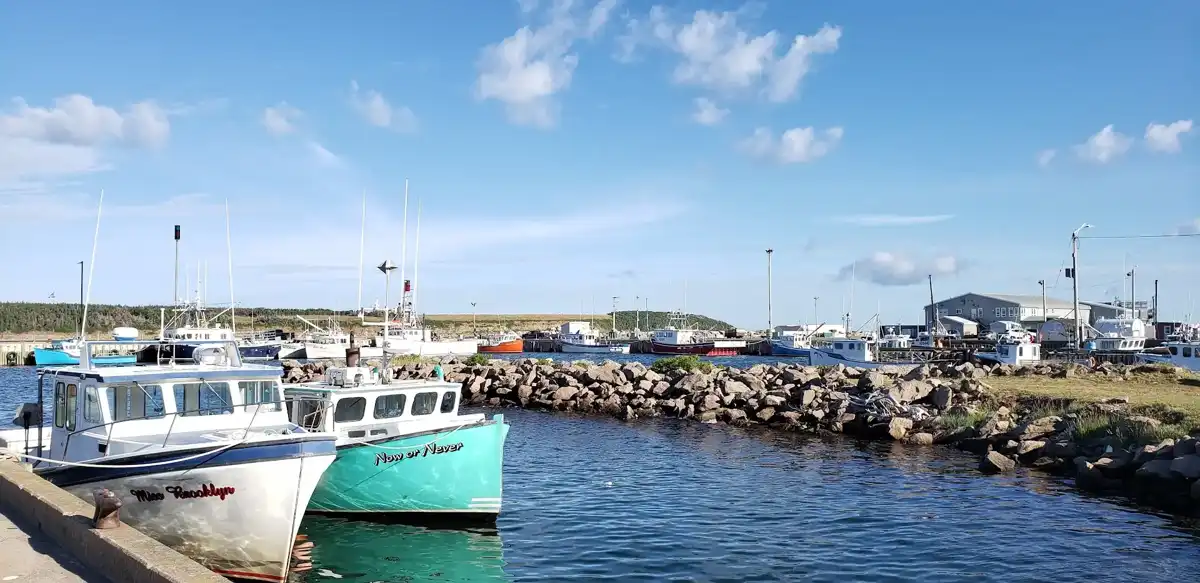
4 Cabot Trail

Coastal cliffs, Acadian villages, highland forests

Drive or cycle a winding route that reveals ocean panoramas, forested plateaus, and the cultural imprint of centuries-old fishing settlements.

5 Cape Breton Island (Nova Scotia)

Gaelic heritage, rugged headlands, Celtic music

Immerse yourself in a landscape of wind-battered coasts, forested hills, and living traditions rooted in Scottish and Mi’kmaq cultures.

canada-region-cape-breton-island-nova-scotia
© Google | Jon Eastman

6 Okanagan Valley

Vineyards, orchards, warm lakes

Sample local produce and wines, swim in sun-warmed water, and cycle between small towns surrounded by rolling hills and fruit farms.

canada-region-okanagan-valley v1
© Google |

7 Canadian Maritimes

Seafood ports, tidal bays, lighthouses

Travel through a region defined by shifting tides, working harbors, and a blend of French, Scottish, and Indigenous influences.

canada-region-canadian-maritimes
© Google | Chase M

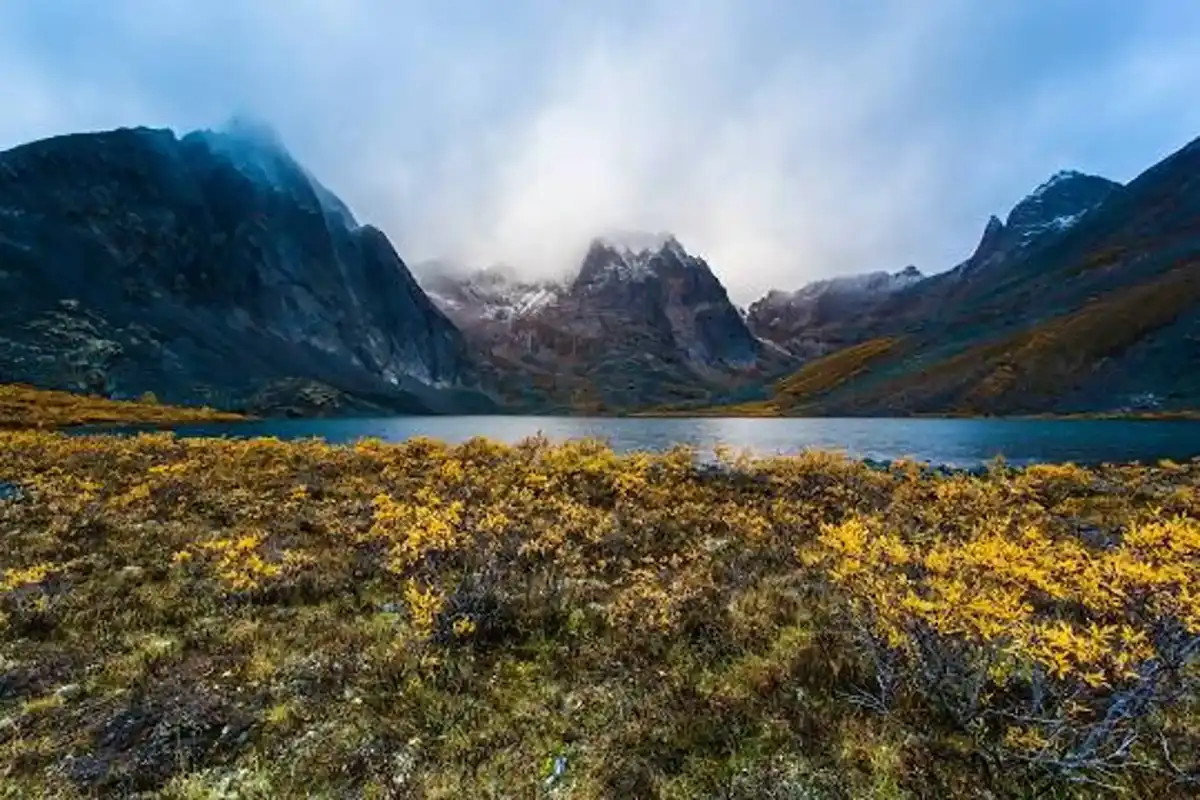
8 Yukon Territory

Subarctic wilderness, gold rush relics, midnight sun

Venture into remote country where rivers run wide, relics of prospectors remain, and daylight stretches deep into the night.

canada-region-yukon-territory
© Google | Reza Karami

9 Baffin Island

Arctic tundra, Inuit communities, polar wildlife

Experience the stark beauty of the far north, where remote settlements, ancient traditions, and dramatic ice landscapes shape every journey.

canada-region-baffin-island
© Google | Christopher Kraut

10 Manitoulin Island

Freshwater beaches, Indigenous reserves, limestone bluffs

Navigate quiet roads between lakeshore villages, forested trails, and Anishinaabe communities that host seasonal gatherings and powwows.

canada-region-manitoulin-island v1
© Google |

11 Canadian Prairies

Endless grasslands, grain elevators, big sky

Cross vast open plains where weather dominates, small towns punctuate the horizon, and agriculture shapes both landscape and daily life.

Loading the map 🌍

Expert viewInsights from Locals and Experts

Geographic Diversity
Canada is a land of contrasts, where each region tells a different story. From the rugged coastlines of the Maritimes to the vast prairies of the West, the geography shapes not just the landscape but the culture and experiences you’ll encounter. If you’re planning to explore, consider visiting at least three regions to grasp the country’s essence. Each area offers unique flavors, traditions, and natural wonders. However, the more regions you cover, the more time and effort you’ll need to invest.

Traveling from one region to another can be a journey in itself. The distances are vast, and while flights can save time, they can also strain your budget. If you opt for road trips, prepare for long drives through breathtaking scenery, but factor in the time spent on the road. … read more 👉
Geographic Diversity
Canada is a land of contrasts, where each region tells a different story. From the rugged coastlines of the Maritimes to the vast prairies of the West, the geography shapes not just the landscape but the culture and experiences you’ll encounter. If you’re planning to explore, consider visiting at least three regions to grasp the country’s essence. Each area offers unique flavors, traditions, and natural wonders. However, the more regions you cover, the more time and effort you’ll need to invest.

Traveling from one region to another can be a journey in itself. The distances are vast, and while flights can save time, they can also strain your budget. If you opt for road trips, prepare for long drives through breathtaking scenery, but factor in the time spent on the road. The trade-off here is clear: more regions mean richer experiences, but also longer travel times and higher costs.

Transport Between Regions
Navigating Canada’s regions requires a strategic approach to transport. Major cities are well-connected by air, but smaller towns often lack direct flights. If you’re keen on immersing yourself in local culture, consider renting a car. This allows you to explore at your own pace, stopping at roadside diners or scenic overlooks. However, be prepared for the costs associated with fuel and potential accommodation along the way.

Public transport options exist, but they can be limited, especially in remote areas. Buses and trains connect some regions, but schedules may not align with your plans. If you’re traveling during peak seasons, book in advance to avoid disappointment. The trade-off here is between convenience and cost. While flying is faster, the road offers a more intimate experience with the landscape and people.

Cultural Variation
Each region in Canada boasts its own cultural identity, shaped by history, geography, and the people who call it home. In the East, you’ll find a blend of French and English influences, with a strong maritime culture that celebrates seafood and storytelling. The West, on the other hand, is marked by Indigenous heritage and a pioneering spirit, where outdoor adventures reign supreme.

When planning your trip, think about what cultural experiences resonate with you. If you’re drawn to the arts, consider spending more time in urban centers where galleries and theaters thrive. If nature calls, prioritize regions known for their outdoor activities. The trade-off here is time versus depth. Spending more time in one area allows for deeper cultural immersion, while rushing through multiple regions may leave you with a superficial understanding of each.

Pacing Trade-Offs
Pacing is crucial in Canada. The vastness of the country can be overwhelming, and it’s easy to fall into the trap of trying to see too much in too little time. Aim for a balanced itinerary that allows for both exploration and relaxation. If you’re moving between regions, allocate at least a few days in each to soak in the local vibe.

Consider the seasons as well. Summer offers vibrant festivals and outdoor activities, while winter transforms the landscape into a snowy wonderland, perfect for skiing or cozy fireside chats. Each season presents its own charm, but also its own challenges. The trade-off here is between the allure of seasonal activities and the potential for weather-related disruptions.

Safety & Cultural Considerations
Safety is paramount, especially when venturing into remote areas. While Canada is generally safe, always stay informed about local conditions. Some regions may have wildlife encounters, while others might require knowledge of local customs and protocols, particularly in Indigenous territories. Respect for local cultures is essential; understanding the significance of certain practices can enrich your experience.

Traveling during off-peak seasons can enhance your experience, allowing for quieter interactions with locals and fewer crowds at popular sites. However, be mindful of limited services in some areas during these times. The trade-off is between the peace of a less crowded experience and the potential for reduced access to amenities.

Planning & Prioritizing Regions
When planning your Canadian adventure, prioritize regions based on your interests and the experiences you seek. If you’re an outdoor enthusiast, focus on the Rockies and the Pacific Coast. For history buffs, the East Coast offers rich narratives and heritage sites.

Create a flexible itinerary that allows for spontaneity. You might stumble upon a local festival or a breathtaking viewpoint that wasn’t on your radar. This adaptability can lead to some of the most memorable moments of your trip. However, be prepared for the possibility of changing plans, which can be both exhilarating and stressful.

Ultimately, the key to a successful trip across Canada lies in understanding the trade-offs between time, money, and comfort. Each choice shapes your experience, and being conscious of these factors will help you create a journey that resonates with your personal travel style. Embrace the diversity, savor the moments, and let the landscapes and cultures unfold before you.

✈️ The backpacker research shortcutCanada Travel Guide

An offline-friendly backpacking guide with optimized travel routes, ranked highlights, transport advice, and the best areas to stay.
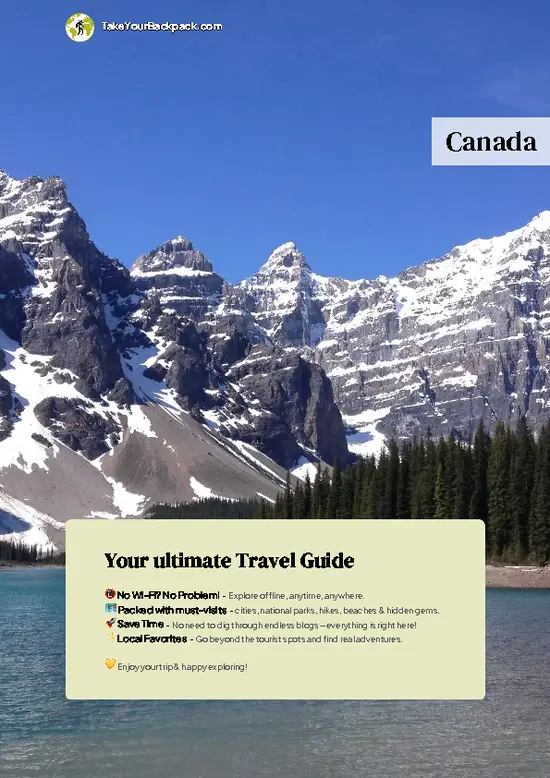
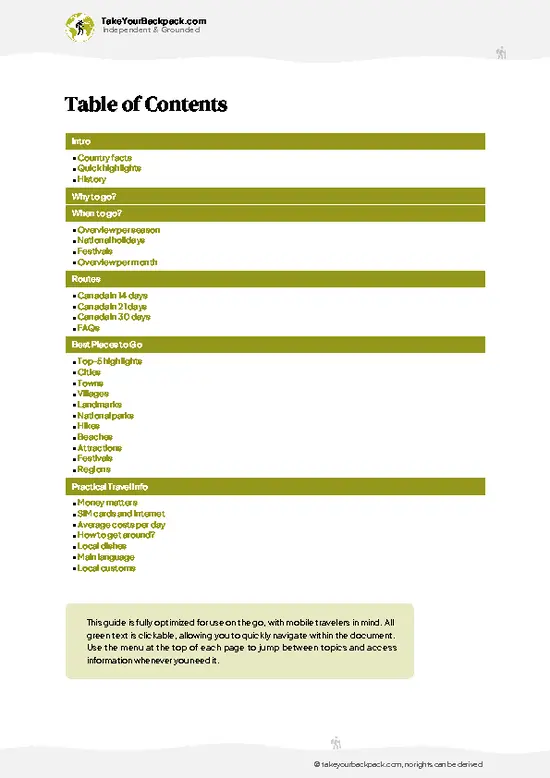
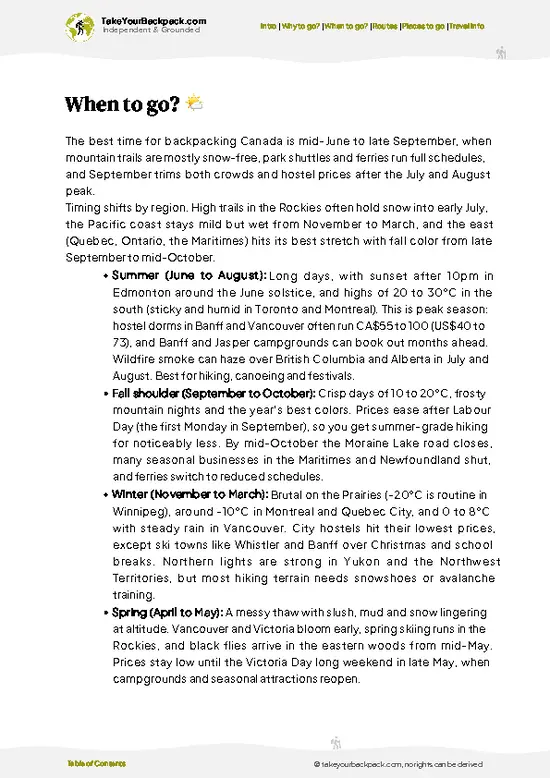
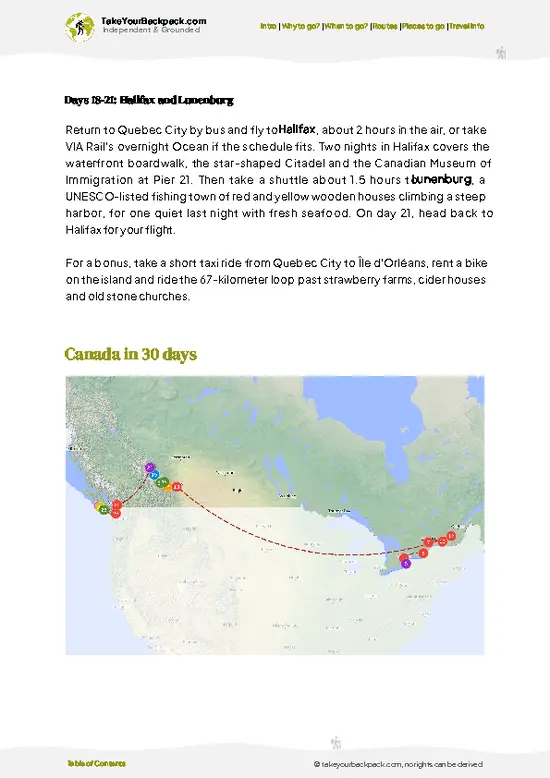
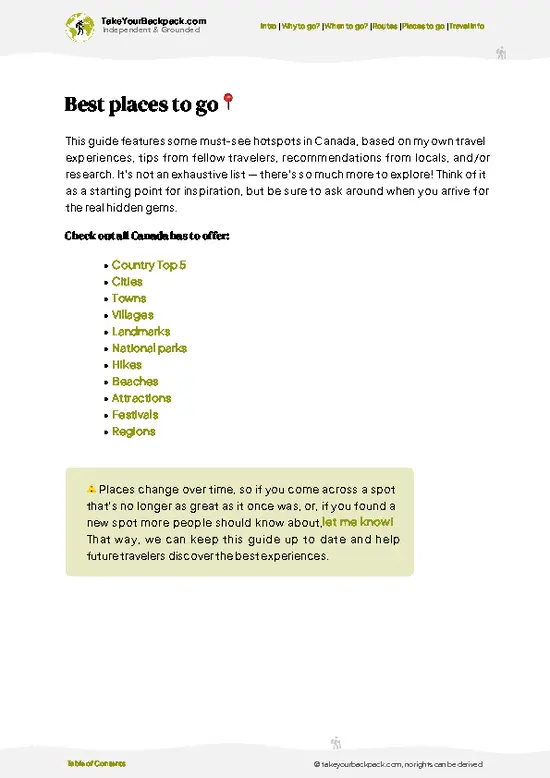
example page 0 from our offline Travel Guide for Canada
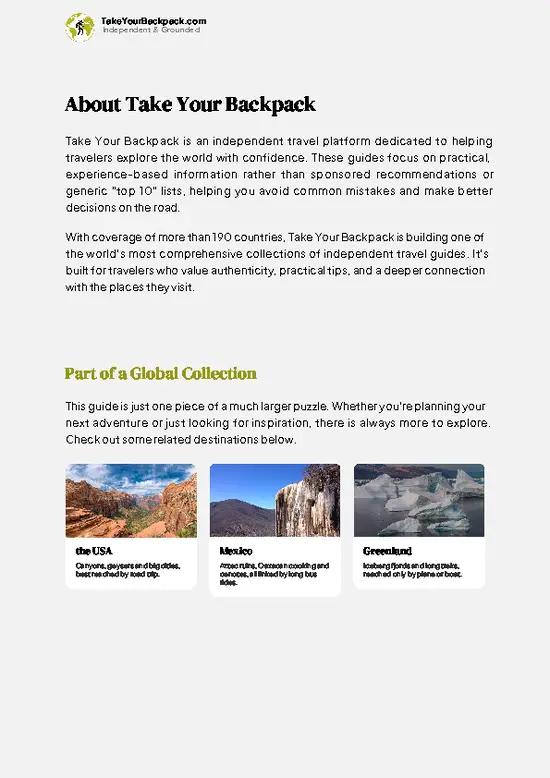
example page 1 from our offline Travel Guide for Canada
example page 2 from our offline Travel Guide for Canada
example page 3 from our offline Travel Guide for Canada
example page 4 from our offline Travel Guide for Canada
example page 5 from our offline Travel Guide for Canada
example page 6 from our offline Travel Guide for Canada
example page 7 from our offline Travel Guide for Canada
The digital guide (518 pages) contains:
133 highlights, ranked by travel appeal
Optimized 14, 21 & 30-day travel routes
Cities, national parks, landmarks, beaches
How to get around
Offline-friendly for travel without Wi-Fi
👉 Click to see all 30+ guide features

📅 Plan smarter in minutes, not weeks
Month by month travel advice
Festivals & national holidays
Budget expectations

🗺️ Go to the right places, skip the overrated ones
Honest pros & cons of destinations
Top hikes, parks & viewpoints
Lesser-known places most travelers miss
Clear “worth it vs skip it” guidance

🛏️ Travel smoothly without rookie mistakes
Best areas to stay
Transport systems explained simply
Common scams & safety advice
SIM cards, money & practical tips

🌍 Understand the country, not just visit it
Culture & traditions
Local customs
Festivals worth planning around
Traveler-friendly historical context
Insights that make places more meaningful

📱 Built for real travel conditions
Fully downloadable PDF
Works completely offline
Optimized for phone use
Useful in remote areas & buses
Everything in one place
Save weeks of stressful planning
Get instant access to your full guide. 30‑day money-back guarantee.


By proceeding you agree to our terms.
Sent to your inbox immediately after payment • 100% Secure Checkout
Best Backpacking Travel Advisor 2025 tourism awardBest Backpacking
Travel Advisor
2025
What others say about Take Your Backpack Guides:
⭐⭐⭐⭐⭐
Fantastic, amazing amount of information!
⭐⭐⭐⭐⭐
My goodness this is amazing, it's what I've been looking for hats off too you!
⭐⭐⭐⭐⭐
I think this is absolutely BRILLIANT
⭐⭐⭐⭐
Very complete and informative. It's still missing places, but I gotta to commend you
⭐⭐⭐⭐⭐
This is truly amazing, thank you, can't wait to explore it with my kids!
⭐⭐⭐⭐⭐
Awesome resource, thank you!
⭐⭐⭐⭐⭐
This is amazing! Can't wait to explore the ones I haven't seen
⭐⭐⭐⭐
I love this! Well done, great idea.
⭐⭐⭐⭐⭐
Thanks for taking the time to make this gem!
⭐⭐⭐⭐⭐
This might be the best website I've ever seen.
⭐⭐⭐⭐⭐
Congratulations, and thank you so much for your work; it's incredibly valuable.
⭐⭐⭐⭐
In all seriousness I think you did a great job pointing out the important spots
⭐⭐⭐⭐⭐
10/10 very good
⭐⭐⭐⭐⭐
As someone who's only just starting to visit regularly this is awesome, thank you.
⭐⭐⭐⭐
Thank you very much! I'm going to visit my dad, it's going to be very useful!
⭐⭐⭐⭐⭐
This is really cool! We'll be travelling for the first time and this definitely come in handy.
⭐⭐⭐⭐⭐
You are now our minister of culture, congratulations 👨‍💼
⭐⭐⭐⭐⭐
Just wanted to tell you that this is a pearl! Going to follow your recommendations.
⭐⭐⭐⭐⭐
This is so cool. I'll definitely be using the resource for my travels soon.
⭐⭐⭐⭐⭐
This is very impressive! Good work.
⭐⭐⭐⭐⭐
This is an amazing and informative site. Very well done!

🛏️ Where to stay?Top Places to Consider Staying

Yes — hostels and budget accommodation are common across Canada, with the biggest selections in Toronto (Downtown, Entertainment District, Queen West, Harbourfront), Vancouver (Downtown, Gastown, Yaletown), Montreal (Old Montreal, Plateau, Mile End, Quartier des Spectacles), Quebec City (Old Quebec, Saint‑Roch), Victoria (Downtown/Inner Harbour) and mountain towns like Banff/Canmore.
Downtown and harbourfront neighbourhoods give best transit access and nightlife but are noisier and pricier; artsy areas like Queen West, Plateau or Mile End offer cheaper beds and lively nights but can be busy and less polished; Gastown/Yaletown feel safer and more walkable yet cost more.
Mountain towns put … read more 👉
Yes — hostels and budget accommodation are common across Canada, with the biggest selections in Toronto (Downtown, Entertainment District, Queen West, Harbourfront), Vancouver (Downtown, Gastown, Yaletown), Montreal (Old Montreal, Plateau, Mile End, Quartier des Spectacles), Quebec City (Old Quebec, Saint‑Roch), Victoria (Downtown/Inner Harbour) and mountain towns like Banff/Canmore.
Downtown and harbourfront neighbourhoods give best transit access and nightlife but are noisier and pricier; artsy areas like Queen West, Plateau or Mile End offer cheaper beds and lively nights but can be busy and less polished; Gastown/Yaletown feel safer and more walkable yet cost more.
Mountain towns put you next to trails and parks but have fewer beds and much higher peak-season prices so book early; residential outskirts are quieter and cheaper but add transit time and limit late-night options.

If you enjoy meeting fellow travelers, consider choosing hostels with high ratings for atmosphere. On the other hand, if you prefer having your own space, a hotel might be a better option.

CanadaMore Places Across Canada

👋 Meet the founderWho’s Behind Take Your Backpack?

Johan, backpacker and founder of TakeYourBackpackHi, I’m Johan (Netherlands 🇳🇱), the creator of TakeYourBackpack. Over the past decade, I’ve backpacked through 80+ countries across six continents, gaining extensive experience with independent travel, long-term trips, and overland routes.

This site is built on a combination of firsthand travel experience and carefully curated insights from other backpackers. Many guides are based on places I’ve personally visited, while others bring together tips, observations, and practical advice shared by trusted travelers I’ve met along the way.

The goal is to provide realistic, experience-driven guidance — not generic itineraries — so you can explore destinations with better context, clearer expectations, and more confidence.

Get full Canada guide •
Instant download • 133 highlights • Full Offline guide