v2.webp)
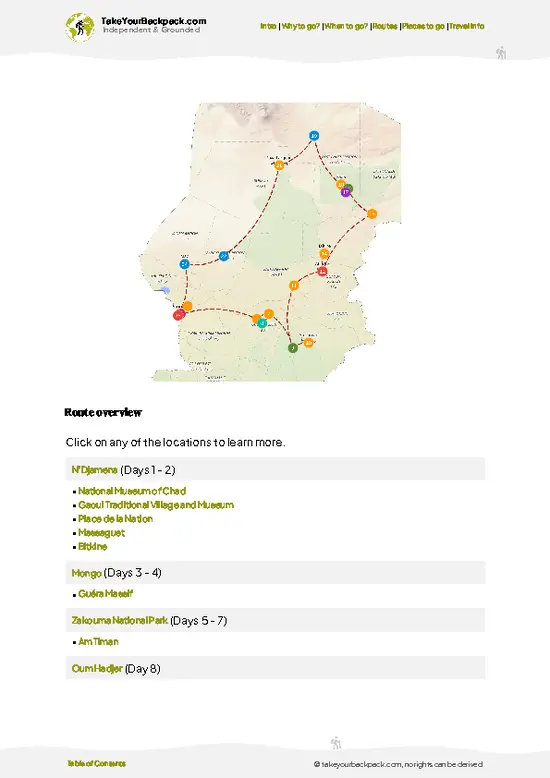
- Lake Yoa (Lac Yoa) — The big freshwater heart of Ounianga Kebir. It’s fed by buried (fossil) groundwater so the water stays put in the middle of the desert. Palm fringes, calm reflections at dawn, and real village life on its shores make this very different from any ordinary “desert lake.”
- Lake Teli (Lac Teli) — One of the intensely colored saline lakes nearby. The contrast between its glassy, mineral-rich water and the surrounding ochre sand is striking; photographers and anyone who likes alien landscapes will be happy here.
- Ounianga Kebir village and palm groves — The settlement cluster that threads through the lakes is small, working, and honest: mudbrick homes, packed palm groves, kids running around, tea being poured. Hanging out here — buying bread, watching fishermen or chatting
- Lake Yoa (Lac Yoa) — The big freshwater heart of Ounianga Kebir. It’s fed by buried (fossil) groundwater so the water stays put in the middle of the desert. Palm fringes, calm reflections at dawn, and real village life on its shores make this very different from any ordinary “desert lake.”
- Lake Teli (Lac Teli) — One of the intensely colored saline lakes nearby. The contrast between its glassy, mineral-rich water and the surrounding ochre sand is striking; photographers and anyone who likes alien landscapes will be happy here.
- Ounianga Kebir village and palm groves — The settlement cluster that threads through the lakes is small, working, and honest: mudbrick homes, packed palm groves, kids running around, tea being poured. Hanging out here — buying bread, watching fishermen or chatting with salt workers — is the best way to feel why these lakes matter to people.
- Ounianga Sahré cluster — The quieter sibling to Kebir: a string of smaller lakes with a different feel (more intimate, fewer visitors). Walk between basins, examine the mineral rims, and notice how each lake has its own color and ecology. Great for people who want silence, scale, and nuance.
- Dune-lake interface (where dunes plunge into water) — That meeting point — towering sand slopes dropping straight to shimmering water — is the region’s trademark. Climb a dune at golden hour and you’ll see why the whole place feels so surreal. Not something you can copy easily elsewhere.
- Traditional salt-harvesting spots and caravan routes — Local people still cut, stack and transport salt blocks. Watching (and sometimes joining) the work — plus seeing the old camel tracks and pared-down storage piles — gives a real glimpse into the long-lived desert economy here.
- Narrow channels and islets between lakes — Hidden gem: small, quiet channels that link basins and form palm-topped islets. Most visitors see the big lakes and move on; locals use these sheltered spots for picnics, quick swims, and fishing. Bring a hat — the shade is precious.
- Hand-dug wells and backyard gardens — Hidden gem: tiny wells and irrigated plots tucked behind houses and palms. They show everyday ingenuity — how people coax water to grow a few vegetables or date palms in the middle of the Sahara. A low-key but revealing cultural stop.
- Central dune ridge viewpoint (local sunrise/sunset spot) — Hidden gem: a particular ridge used by villagers for morning prayers, sunset tea and incredible panoramas. It’s informal, unmarked, and best found with a local guide; the payoff is a 360° sweep of lakes and dunes with almost no one else around.
- Night sky over the lakes — The desert’s darkness plus calm water equals unforgettable stargazing. With the lakes reflecting the Milky Way, and no light pollution, it’s an experience that’s both simple and uniquely tied to this place — bring warm clothes and a thermos.
Spotted a mistake or missing something? Contact us.

 Best Backpacking
.jpg) Hi, I’m Johan (Netherlands 🇳🇱), the creator of TakeYourBackpack. Over the past 3 decades, I’ve backpacked through 90+ countries across six continents, gaining extensive experience with independent travel, long-term trips, and overland routes.
Hi, I’m Johan (Netherlands 🇳🇱), the creator of TakeYourBackpack. Over the past 3 decades, I’ve backpacked through 90+ countries across six continents, gaining extensive experience with independent travel, long-term trips, and overland routes.