


The Mausoleum of Salvador Allende
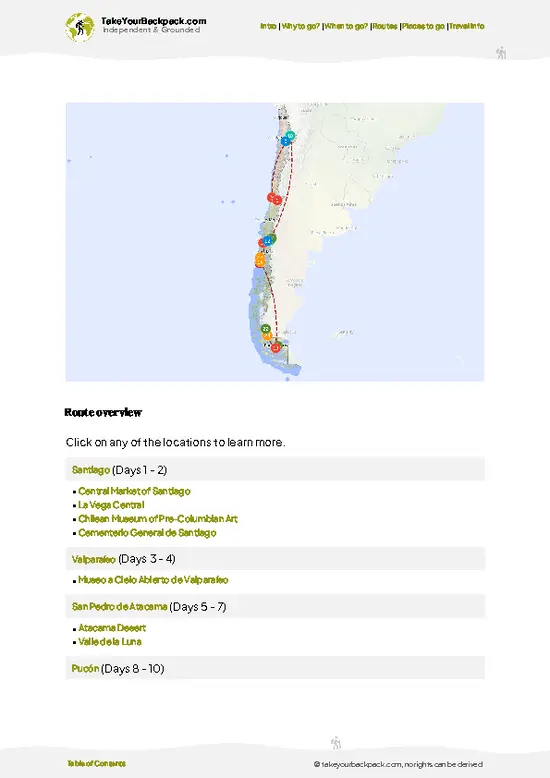
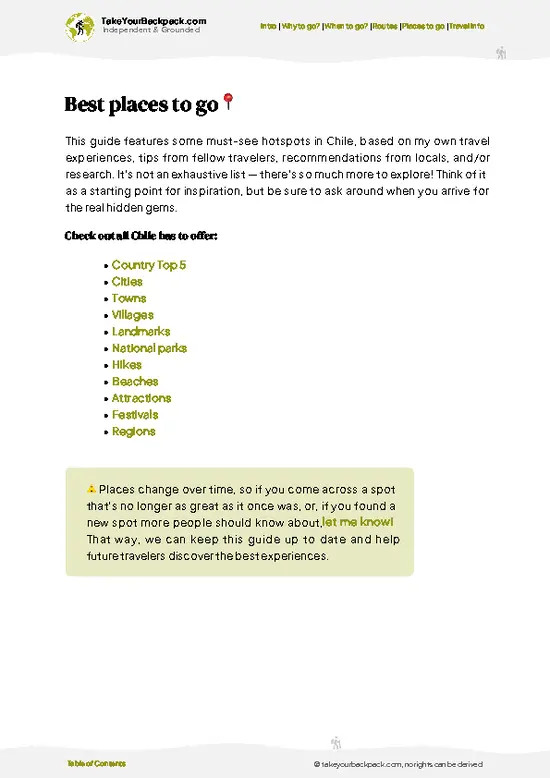
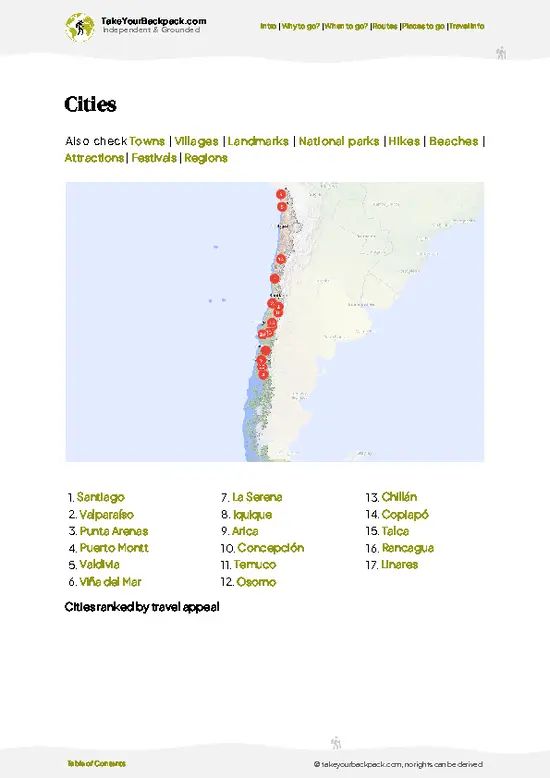
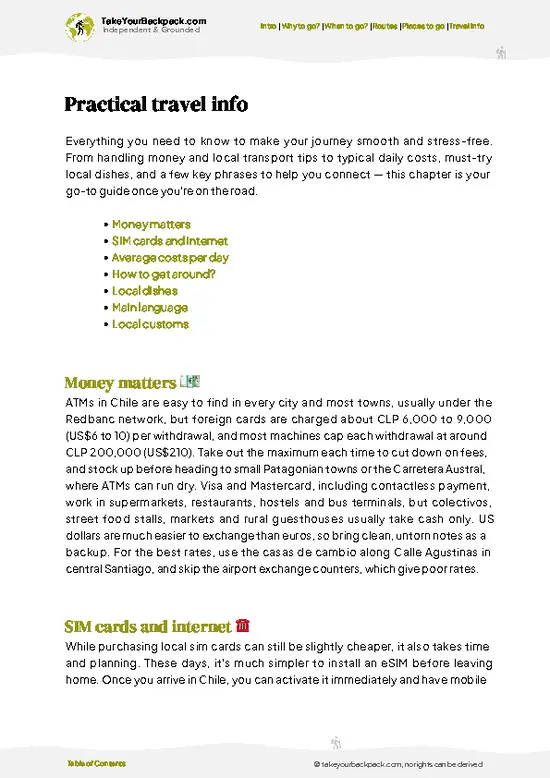
If you want a crash course in Chilean history, skip the textbooks and stand in front of Allende’s mausoleum. This isn’t just a grave; it’s a political pilgrimage site. You’ll see fresh flowers, protest banners, and sometimes even quiet tears. The energy here is raw—this is where Chileans come to wrestle with their past, not just pose for photos. The monument itself is stark, almost defiant, and the stories you’ll overhear from locals are worth more than any guided tour.
The Patio de los Disidentes
Here’s where the cemetery’s real character comes out. This section was built for non-Catholics—think Protestants, Jews, and other “outsiders” who weren’t allowed in the main grounds. The tombstones are simpler, the names more international, and the vibe is quietly … read more 👉
If you want a crash course in Chilean history, skip the textbooks and stand in front of Allende’s mausoleum. This isn’t just a grave; it’s a political pilgrimage site. You’ll see fresh flowers, protest banners, and sometimes even quiet tears. The energy here is raw—this is where Chileans come to wrestle with their past, not just pose for photos. The monument itself is stark, almost defiant, and the stories you’ll overhear from locals are worth more than any guided tour.
The Patio de los Disidentes
Here’s where the cemetery’s real character comes out. This section was built for non-Catholics—think Protestants, Jews, and other “outsiders” who weren’t allowed in the main grounds. The tombstones are simpler, the names more international, and the vibe is quietly … read more 👉
The Mausoleum of Salvador Allende
If you want a crash course in Chilean history, skip the textbooks and stand in front of Allende’s mausoleum. This isn’t just a grave; it’s a political pilgrimage site. You’ll see fresh flowers, protest banners, and sometimes even quiet tears. The energy here is raw—this is where Chileans come to wrestle with their past, not just pose for photos. The monument itself is stark, almost defiant, and the stories you’ll overhear from locals are worth more than any guided tour.
The Patio de los Disidentes
Here’s where the cemetery’s real character comes out. This section was built for non-Catholics—think Protestants, Jews, and other “outsiders” who weren’t allowed in the main grounds. The tombstones are simpler, the names more international, and the vibe is quietly rebellious. It’s a reminder that even in death, Santiago’s social divisions run deep. If you’re tired of marble angels and Catholic grandeur, this patch of ground tells a different, grittier story.
The Angelito Graves
This one hits hard. The “angelitos” are children who died young, and their graves are heartbreakingly personal. You’ll see toys, candy wrappers, and hand-written notes tucked between the headstones. It’s not morbid—it’s deeply human. Locals believe these children are pure and act as messengers to God, so their resting places are decorated with a kind of fierce, everyday love. If you want to understand Chilean culture, linger here. It’s my personal favorite—no Instagram filter can capture the emotion.
The Monument to the Detained and Disappeared
This is where the cemetery stops being just a place for the dead and becomes a living archive of Chile’s darkest years. The monument lists the names of those who vanished during Pinochet’s dictatorship. It’s not pretty, but it’s powerful. You’ll see families tracing names with their fingers, sometimes leaving notes or photos. It’s a gut-punch reminder that history isn’t always ancient—and that memory can be an act of resistance.
The Architecture Safari
Forget the usual cemetery gloom. Cementerio General is a wild mash-up of architectural styles: neoclassical mausoleums, Art Deco crypts, and even a few pyramid-shaped tombs that look like they belong in Cairo, not Santiago. Some family vaults are so over-the-top they border on kitsch, while others are quietly elegant. If you’re a fan of urban exploration, this place is a goldmine. Bring a camera, but don’t expect to capture it all—some of the best details are hidden in plain sight.
The Street Life Inside the Walls
Here’s the part no one tells you: Cementerio General isn’t just for the dead. On weekends, you’ll find flower vendors, snack carts, and families picnicking among the tombs. It’s not disrespect—it’s tradition. The cemetery is woven into the fabric of Santiago life, and the living outnumber the tourists. If you want to see how Chileans really honor their ancestors, skip the guided tour and just wander. Listen, watch, and let the place surprise you.
If you want a crash course in Chilean history, skip the textbooks and stand in front of Allende’s mausoleum. This isn’t just a grave; it’s a political pilgrimage site. You’ll see fresh flowers, protest banners, and sometimes even quiet tears. The energy here is raw—this is where Chileans come to wrestle with their past, not just pose for photos. The monument itself is stark, almost defiant, and the stories you’ll overhear from locals are worth more than any guided tour.
The Patio de los Disidentes
Here’s where the cemetery’s real character comes out. This section was built for non-Catholics—think Protestants, Jews, and other “outsiders” who weren’t allowed in the main grounds. The tombstones are simpler, the names more international, and the vibe is quietly rebellious. It’s a reminder that even in death, Santiago’s social divisions run deep. If you’re tired of marble angels and Catholic grandeur, this patch of ground tells a different, grittier story.
The Angelito Graves
This one hits hard. The “angelitos” are children who died young, and their graves are heartbreakingly personal. You’ll see toys, candy wrappers, and hand-written notes tucked between the headstones. It’s not morbid—it’s deeply human. Locals believe these children are pure and act as messengers to God, so their resting places are decorated with a kind of fierce, everyday love. If you want to understand Chilean culture, linger here. It’s my personal favorite—no Instagram filter can capture the emotion.
The Monument to the Detained and Disappeared
This is where the cemetery stops being just a place for the dead and becomes a living archive of Chile’s darkest years. The monument lists the names of those who vanished during Pinochet’s dictatorship. It’s not pretty, but it’s powerful. You’ll see families tracing names with their fingers, sometimes leaving notes or photos. It’s a gut-punch reminder that history isn’t always ancient—and that memory can be an act of resistance.
The Architecture Safari
Forget the usual cemetery gloom. Cementerio General is a wild mash-up of architectural styles: neoclassical mausoleums, Art Deco crypts, and even a few pyramid-shaped tombs that look like they belong in Cairo, not Santiago. Some family vaults are so over-the-top they border on kitsch, while others are quietly elegant. If you’re a fan of urban exploration, this place is a goldmine. Bring a camera, but don’t expect to capture it all—some of the best details are hidden in plain sight.
The Street Life Inside the Walls
Here’s the part no one tells you: Cementerio General isn’t just for the dead. On weekends, you’ll find flower vendors, snack carts, and families picnicking among the tombs. It’s not disrespect—it’s tradition. The cemetery is woven into the fabric of Santiago life, and the living outnumber the tourists. If you want to see how Chileans really honor their ancestors, skip the guided tour and just wander. Listen, watch, and let the place surprise you.
Spotted a mistake or missing something? Contact us.
v2.webp)


Best Backpacking
Hi, I’m Johan (Netherlands 🇳🇱), the creator of TakeYourBackpack. Over the past decade, I’ve backpacked through 80+ countries across six continents, gaining extensive experience with independent travel, long-term trips, and overland routes.