×

Chile🇨🇱 | attractionsConcha y Toro WineryCasillero del Diablo, Don Melchor, barrel rooms, founder’s manor | things to do and best time to go

Explore Cementerio General de SantiagoExplore Colchagua Museum

Backpacking in Concha y Toro Winery
👍 Recommendedattraction ranked #9
By Johan Kruseman 🇳🇱 | Updated October 19, 2026

Concha y Toro is not a place you can wander into for a free taste; tastings require a booked tour, and the winery is a working estate of the Pirque district, not a museum with a cellar bar. It sits in Pirque, in the foothills south of Santiago, in Chile’s capital region. Tours sell out in high season, so experienced travelers reserve online a day or two ahead and skip the walk-up window. I took the Metro to Las Mercedes, then a colectivo, and the driver stopped twice to let a farmer cross with a wheelbarrow of grapes. The metro-plus-short-ride route exists because the estate has no train link. A first day could mean a morning tour, then a long lunch.

Discover everything you want to know in the 📖 Chile Travel Guide.


example page 0 from our offline Travel Guide for Chile
example page 1 from our offline Travel Guide for Chile
example page 2 from our offline Travel Guide for Chile
example page 3 from our offline Travel Guide for Chile
example page 4 from our offline Travel Guide for Chile
example page 5 from our offline Travel Guide for Chile
example page 6 from our offline Travel Guide for Chile
example page 7 from our offline Travel Guide for Chile
Loading the map 🌍
CLICK TO FILTER
cities
towns
villages
landmarks
national parks
hikes
beaches
attractions
festivals
regions
SHOW COUNTRY’S BESTSHOW ALL

✨ Why go?
Ranked #9 attraction in Chile
The unique appeal for travelers

Concha y Toro Winery is the house behind Casillero del Diablo, a bottle you have probably seen in supermarkets on every continent, so seeing where it starts has real pull. The 1883 founding estate in Pirque lets you walk among old vines and see how Chilean wine grew from French cuttings. You get context for the Maipo Valley, whose Cabernet Sauvignon is what people mean when they praise Chilean reds. It also works as a milestone on a Chile route: Santiago gives you the city, and this estate gives you the countryside and the Casillero del Diablo cellar legend in one easy outing. A tasting here makes later wine-country stops in Colchagua or Casablanca easier to understand, since you will know how to compare grapes, soils and styles.

💡 HighlightsEssential experiences to have while visiting Concha y Toro Winery

  1. Casillero del Diablo Cellar: The dim underground cellar where the “devil in the cellar” story is told, with a light show that is theatrical but fun.
  2. Marques de Casa Concha Vineyards: Walking the rows lets you see Cabernet Sauvignon vines up close and hear how soil and irrigation shape the fruit.
  3. Don Melchor Tasting: The premium Cabernet from the Puente Alto vineyard is poured on the pricier tours, and it is the one to pick if you want a serious glass.
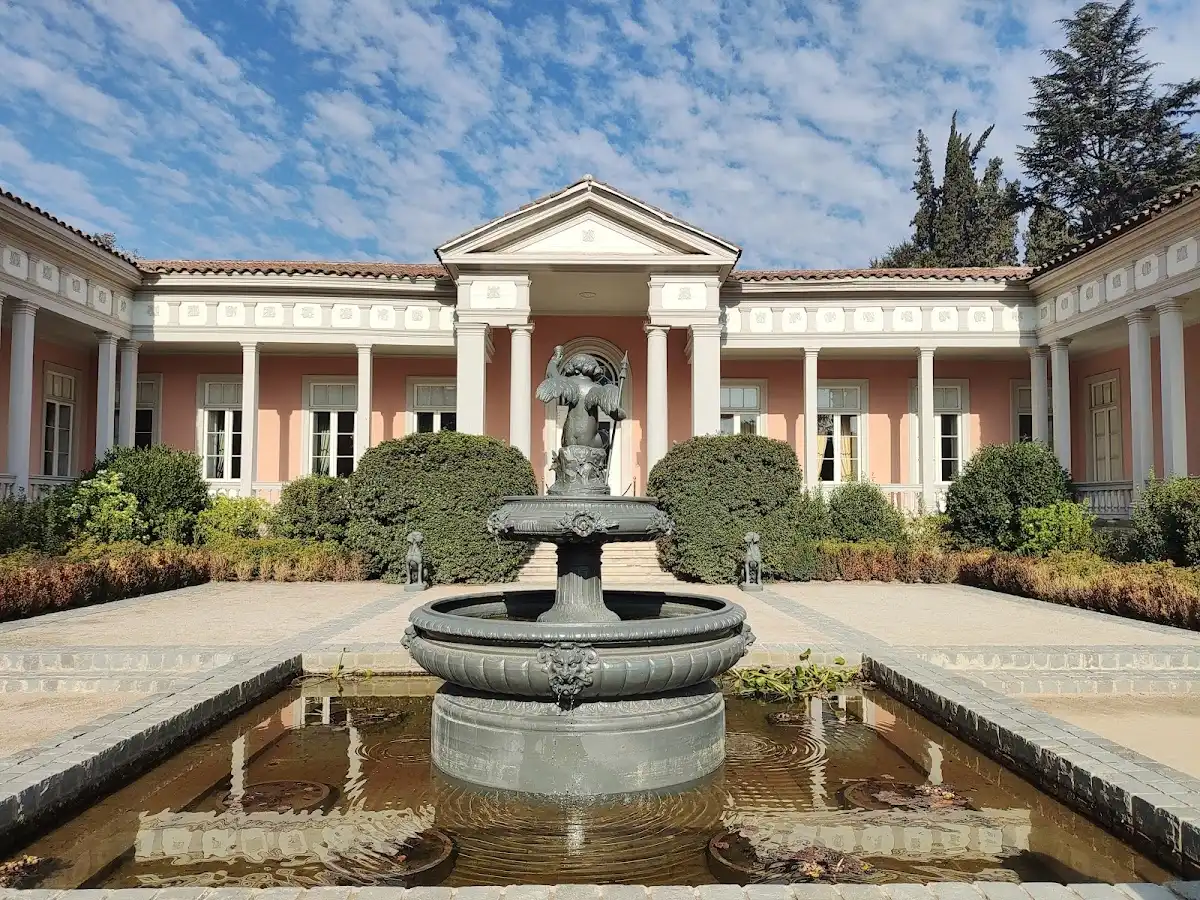
  4. The Founder’s Gardens and Manor: Don Melchor Concha y Toro’s 19th-century house sits in landscaped grounds with old trees, a quiet stretch to wander before the tasting.
  5. Barrel Rooms: Rows of oak barrels show how aging works, and the guide usually lets you smell the difference between young and aged wine.
  6. Tasting Room: You sample several reds and whites
… read more 👉
  1. Casillero del Diablo Cellar: The dim underground cellar where the “devil in the cellar” story is told, with a light show that is theatrical but fun.
  2. Marques de Casa Concha Vineyards: Walking the rows lets you see Cabernet Sauvignon vines up close and hear how soil and irrigation shape the fruit.
  3. Don Melchor Tasting: The premium Cabernet from the Puente Alto vineyard is poured on the pricier tours, and it is the one to pick if you want a serious glass.
  4. The Founder’s Gardens and Manor: Don Melchor Concha y Toro’s 19th-century house sits in landscaped grounds with old trees, a quiet stretch to wander before the tasting.
  5. Barrel Rooms: Rows of oak barrels show how aging works, and the guide usually lets you smell the difference between young and aged wine.
  6. Tasting Room: You sample several reds and whites with a guide who explains what to look for, so the pour becomes a lesson.
  7. Winery Shop: A place to buy bottles that are harder to find abroad, plus small gifts, handy for the last stop before you head out.
Allow about two to three hours for the whole visit.
Spotted a mistake or missing something? Contact us.

Things to do around Concha y Toro Winery

Ratings based on Tripadvisor reviews. When you book through this link, you support our work at no extra cost to you.

🌤️ When to go?Weather, crowds, and seasonal trade-offs

  • Harvest (March to April): Grapes come off the vines, days run 22 to 28°C (72 to 82°F), and tours feel lively. Book ahead, since weekends fill fast.
  • Summer (December to February): Hot and dry at 28 to 32°C (82 to 90°F), with long daylight. The vineyards are lush, but afternoon tours get hot, so take the morning slot.
  • Winter (June to August): Cool at 3 to 15°C (37 to 59°F), with occasional rain and short daylight. Crowds thin, bare vines look moody, and reservations are easy.
  • Spring (September to November): Mild at 14 to 24°C (57 to 75°F), with green shoots and fewer visitors. Prices stay steady year-round, though tasting upgrades rise in harvest season.
Book a weekday morning tour to dodge both heat and tour groups.

source: climatestotravel.comJANJanuary: excellent for travelingFEBFebruary: excellent for travelingMARMarch: highly recommended for travelingAPRApril: highly recommended for travelingMAYMay: good for travelingJUNJune: fair for travelingJULJuly: fair for travelingAUGAugust: fair for travelingSEPSeptember: good for travelingOCTOctober: highly recommended for travelingNOVNovember: excellent for travelingDECDecember: excellent for traveling
chile-attraction-concha-y-toro-winery v1
© Google |

✈️ The backpacker research shortcutChile Travel Guide

An offline-friendly backpacking guide with optimized travel routes, ranked highlights, transport advice, and the best areas to stay.
example page 0 from our offline Travel Guide for Chile
example page 1 from our offline Travel Guide for Chile
example page 2 from our offline Travel Guide for Chile
example page 3 from our offline Travel Guide for Chile
example page 4 from our offline Travel Guide for Chile
example page 5 from our offline Travel Guide for Chile
example page 6 from our offline Travel Guide for Chile
example page 7 from our offline Travel Guide for Chile
The digital guide (333 pages) contains:
✅ 107 highlights, ranked by travel appeal
✅ Optimized 7, 14 & 21-day travel routes
✅ Cities, national parks, landmarks, beaches
✅ How to get around
✅ Offline-friendly for travel without Wi-Fi
👉 Click to see all 30+ guide features

📅 Plan smarter in minutes, not weeks
✅ Month by month travel advice
✅ Festivals & national holidays
✅ Budget expectations

🗺️ Go to the right places, skip the overrated ones
✅ Honest pros & cons of destinations
✅ Top hikes, parks & viewpoints
✅ Lesser-known places most travelers miss
✅ Clear “worth it vs skip it” guidance

🛏️ Travel smoothly without rookie mistakes
✅ Best areas to stay
✅ Transport systems explained simply
✅ Common scams & safety advice
✅ SIM cards, money & practical tips

🌍 Understand the country, not just visit it
✅ Culture & traditions
✅ 52 Essential phrases & customs
✅ Festivals worth planning around
✅ Traveler-friendly historical context
✅ Insights that make places more meaningful

📱 Built for real travel conditions
✅ Fully downloadable PDF
✅ Works completely offline
✅ Optimized for phone use
✅ Useful in remote areas & buses
✅ Everything in one place
Stop searching, start planning
Get instant access to your full guide. 30‑day money-back guarantee.
+ Add another guide for just

By proceeding you agree to our terms.
Sent to your inbox immediately after payment • 100% Secure Checkout
Best Backpacking Travel Advisor 2025 tourism awardBest Backpacking
Travel Advisor
2025
What others say about Take Your Backpack Guides:
⭐⭐⭐⭐⭐
Fantastic, amazing amount of information!
⭐⭐⭐⭐⭐
My goodness this is amazing, it's what I've been looking for hats off too you!
⭐⭐⭐⭐⭐
I think this is absolutely BRILLIANT
⭐⭐⭐⭐
Very complete and informative. It's still missing places, but I gotta to commend you
⭐⭐⭐⭐⭐
This is truly amazing, thank you, can't wait to explore it with my kids!
⭐⭐⭐⭐⭐
Awesome resource, thank you!
⭐⭐⭐⭐⭐
This is amazing! Can't wait to explore the ones I haven't seen
⭐⭐⭐⭐
I love this! Well done, great idea.
⭐⭐⭐⭐⭐
Thanks for taking the time to make this gem!
⭐⭐⭐⭐⭐
This might be the best website I've ever seen.
⭐⭐⭐⭐⭐
Congratulations, and thank you so much for your work; it's incredibly valuable.
⭐⭐⭐⭐
In all seriousness I think you did a great job pointing out the important spots
⭐⭐⭐⭐⭐
10/10 very good
⭐⭐⭐⭐⭐
As someone who's only just starting to visit regularly this is awesome, thank you.
⭐⭐⭐⭐
Thank you very much! I'm going to visit my dad, it's going to be very useful!
⭐⭐⭐⭐⭐
This is really cool! We'll be travelling for the first time and this definitely come in handy.
⭐⭐⭐⭐⭐
You are now our minister of culture, congratulations 👨‍💼
⭐⭐⭐⭐⭐
Just wanted to tell you that this is a pearl! Going to follow your recommendations.
⭐⭐⭐⭐⭐
This is so cool. I'll definitely be using the resource for my travels soon.
⭐⭐⭐⭐⭐
This is very impressive! Good work.
⭐⭐⭐⭐⭐
This is an amazing and informative site. Very well done!

🛏️ Where to stay?How to pick the right area

Stay in Puente Alto if you want the shortest trip to the winery, or base in Santiago’s Bellavista, Barrio Brasil or Lastarria neighborhoods for hostels, nightlife and company. Puente Alto is a residential suburb with few traveler services, so it suits only those who want a quiet night near the gate. Lastarria is walkable, safe by day and evening, and full of cafés and small bars. Bellavista is livelier and louder, with the densest cluster of social hostels and easy contact with other solo travelers. Barrio Brasil has a younger, artsy feel with cheaper food and good hostel kitchens. From any of … read more 👉
Stay in Puente Alto if you want the shortest trip to the winery, or base in Santiago’s Bellavista, Barrio Brasil or Lastarria neighborhoods for hostels, nightlife and company. Puente Alto is a residential suburb with few traveler services, so it suits only those who want a quiet night near the gate. Lastarria is walkable, safe by day and evening, and full of cafés and small bars. Bellavista is livelier and louder, with the densest cluster of social hostels and easy contact with other solo travelers. Barrio Brasil has a younger, artsy feel with cheaper food and good hostel kitchens. From any of these, Metro Line 4 reaches Plaza de Puente Alto in roughly 45 to 60 minutes, then a short taxi or rideshare (US$3 to 5) covers the rest. Stay near a Metro station and keep valuables out of sight after dark.

👛 Costs (as of 19 October 2026)What things cost and how to budget

Budget about US$75 per day for a visit to Concha y Toro Winery from Santiago, including a standard tour and tasting.
CategoryBudget RangeLocal Reality
Standard tour and tastingUS$25 to 40Guided tour of the vineyards, cellars and Casillero del Diablo, with tastings; book online, paid in pesos or by card.
Premium tastingsUS$0 to 60Optional upgrades with reserve wines; skip them on a tight budget.
TransportUS$3 to 10Metro Line 4 plus a short taxi or rideshare, or a tour transfer from the city.
FoodUS$8 to 15Set lunch in Puente Alto or snacks; the on-site restaurant costs more.
Accommodation (high season)US$15 to 25Dorm bed in Santiago; private rooms start around US$40.
Total Daily BudgetUS$75Per person, per day, in high season.
⚠️ Prices can change and everyone travels differently, so take this as a rough guide. Hope it helps you plan your adventure!

FAQTraveler FAQ

Plan on three to four hours at Concha y Toro Winery, including the one-hour guided tour and tasting. Add roughly one hour each way from central Santiago. Most travelers fit it into a half day, leaving the afternoon free.
For most wine lovers, Concha y Toro Winery is worth the US$25 to 40 standard tour fee. It includes the historic gardens, the cellars with the Casillero del Diablo legend, and several tastings. If you only want a quick drink, a Santiago wine bar costs less, but you will miss the cellars.
Take Metro Line 4 from Santiago to Plaza de Puente Alto, about 45 to 60 minutes, then a taxi or rideshare for US$3 to 5 to Concha y Toro Winery. Organized tours with hotel pickup cost more but save time. Book your tour slot in advance, as walk-ins are often turned away.
⚠️ Things can change over time, so always validate details locally before you go.

Other Chilean attractions near Concha y Toro Winery

Explore more nearby:


💡 Not sure where to go next?
Create a personalized itinerary for Chile including Concha y Toro Winery and the places that fit your trip.

Generate my itinerary

👉 Discover all attractions

Or checkout all Chile has to offer (think cities, towns, villages, national parks, hikes, beaches, festivals)
Country photo of Chile

We 💚 feedbackIs it worth it?

Concha y Toro Winery suits first-time wine drinkers and curious travelers who want an easy half-day out of Santiago, not hardcore connoisseurs chasing tiny producers. I would book the Casillero del Diablo tour and add the Don Melchor tasting if the budget stretches. Eat lunch there, and take an afternoon tour so you are not rushed.

✈️ When did I visit Chile?
I have visited Chile, together with Argentina, in September 2012.

✍️ Help improve this page!
The information on this page is based on my own backpacking experience in Chile, supplemented with up-to-date research and feedback from other travelers. Travel details can change, so if you notice anything outdated or incomplete, feel free to let me know.


🙋‍♂️ Give feedback

👋 Meet the founderWho’s Behind Take Your Backpack?

Johan, backpacker and founder of TakeYourBackpackHi, I’m Johan (Netherlands 🇳🇱), the creator of TakeYourBackpack. Over the past 3 decades, I’ve backpacked through 90+ countries across six continents, gaining extensive experience with independent travel, long-term trips, and overland routes.

This site is built on a combination of firsthand travel experience and carefully curated insights from other backpackers. Many guides are based on places I’ve personally visited, while others bring together tips, observations, and practical advice shared by trusted travelers I’ve met along the way.

The goal is to provide realistic, experience-driven guidance — not generic itineraries — so you can explore destinations with better context, clearer expectations, and more confidence.