
The Glass-Covered Central Hall
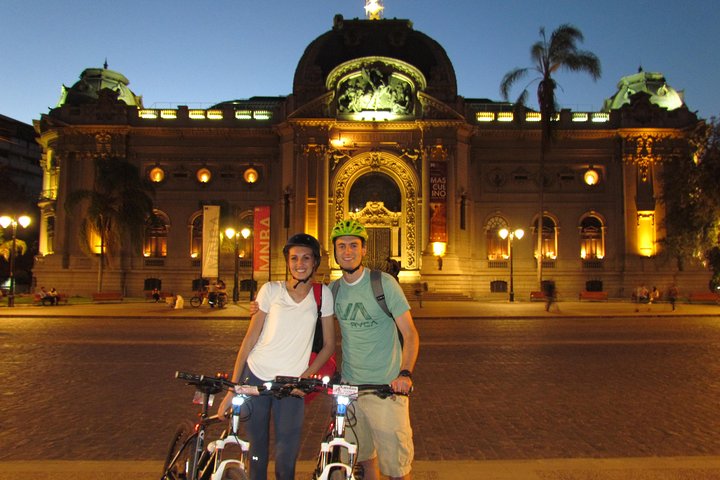
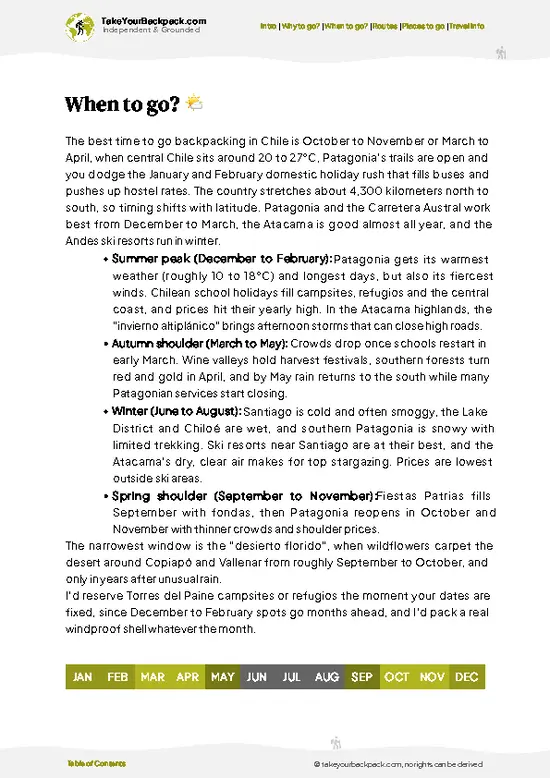
Let’s get real: most people’s first stop is the museum’s grand central hall, and for good reason. The iron-and-glass ceiling is a century-old engineering flex, flooding the space with natural light and making you feel like you’ve wandered into a European palace—if that palace had a steady stream of Chilean schoolkids and zero velvet ropes. It’s not just a lobby; it’s a living, echoing heart where art, architecture, and people collide. If you want that “I’m in the middle of something big” feeling, stand here and just look up.
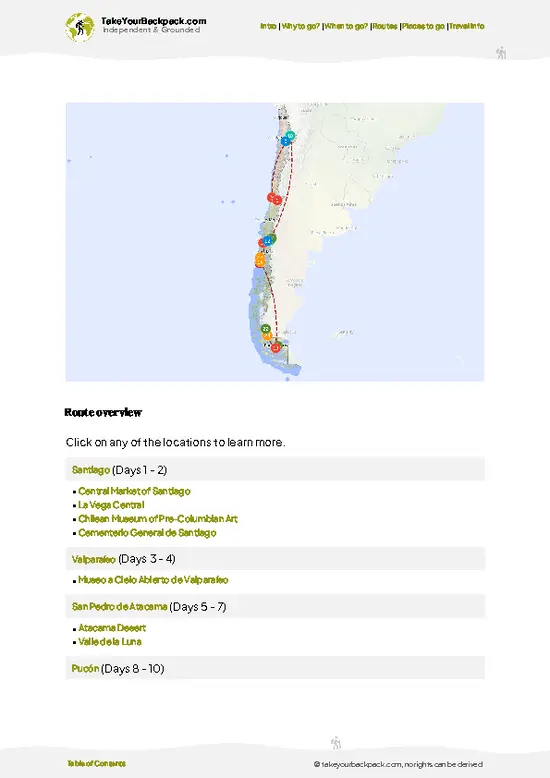
Chilean Masters: Pedro Lira’s “La Fundación de Santiago”
Skip the generic landscapes and head straight for Pedro Lira’s massive, cinematic painting of Santiago’s founding. This isn’t just a history lesson—it’s a national myth, painted with … read more 👉
Let’s get real: most people’s first stop is the museum’s grand central hall, and for good reason. The iron-and-glass ceiling is a century-old engineering flex, flooding the space with natural light and making you feel like you’ve wandered into a European palace—if that palace had a steady stream of Chilean schoolkids and zero velvet ropes. It’s not just a lobby; it’s a living, echoing heart where art, architecture, and people collide. If you want that “I’m in the middle of something big” feeling, stand here and just look up.
Chilean Masters: Pedro Lira’s “La Fundación de Santiago”
Skip the generic landscapes and head straight for Pedro Lira’s massive, cinematic painting of Santiago’s founding. This isn’t just a history lesson—it’s a national myth, painted with … read more 👉
The Glass-Covered Central Hall
Let’s get real: most people’s first stop is the museum’s grand central hall, and for good reason. The iron-and-glass ceiling is a century-old engineering flex, flooding the space with natural light and making you feel like you’ve wandered into a European palace—if that palace had a steady stream of Chilean schoolkids and zero velvet ropes. It’s not just a lobby; it’s a living, echoing heart where art, architecture, and people collide. If you want that “I’m in the middle of something big” feeling, stand here and just look up.
Chilean Masters: Pedro Lira’s “La Fundación de Santiago”
Skip the generic landscapes and head straight for Pedro Lira’s massive, cinematic painting of Santiago’s founding. This isn’t just a history lesson—it’s a national myth, painted with the kind of drama that makes you want to Google the backstory. Lira’s work is a local legend, and seeing it in person, with its theatrical lighting and larger-than-life characters, is a crash course in Chilean identity. You’ll see locals pointing out details to their kids; that’s when you know you’re looking at something that actually matters here.
Latin American Modernism Collection
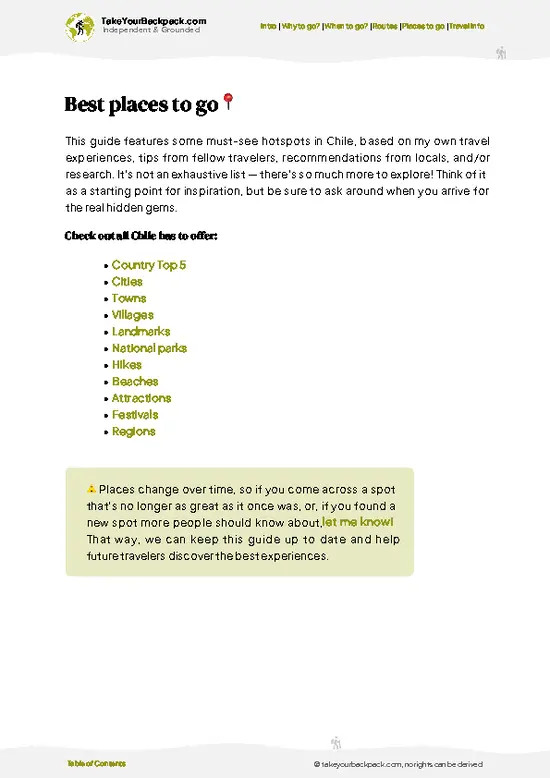
Here’s where the museum quietly outpaces its European-wannabe reputation. The modern and contemporary Latin American art rooms are a jolt of color and rebellion—think Matta’s surrealist dreamscapes, Gracia Barrios’ raw social commentary, and the kind of experimental sculpture that makes you question if you’re still in a neoclassical building. This is the antidote to the old-school oil paintings. If you want to see the pulse of Chilean creativity, this is where it’s beating loudest.
Temporary Exhibitions (Personal Favorite)
This is where the museum stops being a static collection and turns into a living, breathing part of Santiago’s cultural life. The rotating exhibitions are unpredictable—sometimes you get a deep dive into indigenous Mapuche art, sometimes it’s a wild contemporary installation that spills out into the hallways. I’ve stumbled into everything from political poster retrospectives to avant-garde performance art. You never know what you’ll get, but it’s always a shot of adrenaline compared to the more traditional galleries. If you only have an hour, check what’s on here first.
The Sculpture Patio
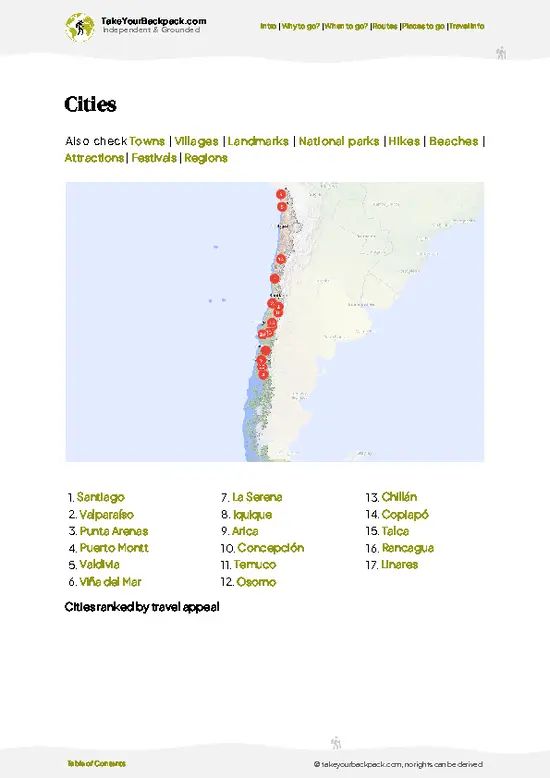
Most visitors miss this one, which is a mistake. Step outside to the museum’s back patio and you’ll find a surprisingly peaceful sculpture garden. It’s a rare pocket of calm in the city, dotted with works by Chilean and international artists. You can actually sit, breathe, and let the art sink in—no crowds, no noise, just you and a few bronze figures under the open sky. It’s the museum’s best-kept secret, and a reminder that sometimes the real magic is found in the quiet corners.
Let’s get real: most people’s first stop is the museum’s grand central hall, and for good reason. The iron-and-glass ceiling is a century-old engineering flex, flooding the space with natural light and making you feel like you’ve wandered into a European palace—if that palace had a steady stream of Chilean schoolkids and zero velvet ropes. It’s not just a lobby; it’s a living, echoing heart where art, architecture, and people collide. If you want that “I’m in the middle of something big” feeling, stand here and just look up.
Chilean Masters: Pedro Lira’s “La Fundación de Santiago”
Skip the generic landscapes and head straight for Pedro Lira’s massive, cinematic painting of Santiago’s founding. This isn’t just a history lesson—it’s a national myth, painted with the kind of drama that makes you want to Google the backstory. Lira’s work is a local legend, and seeing it in person, with its theatrical lighting and larger-than-life characters, is a crash course in Chilean identity. You’ll see locals pointing out details to their kids; that’s when you know you’re looking at something that actually matters here.
Latin American Modernism Collection
Here’s where the museum quietly outpaces its European-wannabe reputation. The modern and contemporary Latin American art rooms are a jolt of color and rebellion—think Matta’s surrealist dreamscapes, Gracia Barrios’ raw social commentary, and the kind of experimental sculpture that makes you question if you’re still in a neoclassical building. This is the antidote to the old-school oil paintings. If you want to see the pulse of Chilean creativity, this is where it’s beating loudest.
Temporary Exhibitions (Personal Favorite)
This is where the museum stops being a static collection and turns into a living, breathing part of Santiago’s cultural life. The rotating exhibitions are unpredictable—sometimes you get a deep dive into indigenous Mapuche art, sometimes it’s a wild contemporary installation that spills out into the hallways. I’ve stumbled into everything from political poster retrospectives to avant-garde performance art. You never know what you’ll get, but it’s always a shot of adrenaline compared to the more traditional galleries. If you only have an hour, check what’s on here first.
The Sculpture Patio
Most visitors miss this one, which is a mistake. Step outside to the museum’s back patio and you’ll find a surprisingly peaceful sculpture garden. It’s a rare pocket of calm in the city, dotted with works by Chilean and international artists. You can actually sit, breathe, and let the art sink in—no crowds, no noise, just you and a few bronze figures under the open sky. It’s the museum’s best-kept secret, and a reminder that sometimes the real magic is found in the quiet corners.
Spotted a mistake or missing something? Contact us.
v2.webp)


Best Backpacking
Hi, I’m Johan (Netherlands 🇳🇱), the creator of TakeYourBackpack. Over the past decade, I’ve backpacked through 80+ countries across six continents, gaining extensive experience with independent travel, long-term trips, and overland routes.