The Real Moai (Yes, a Genuine Easter Island Statue)
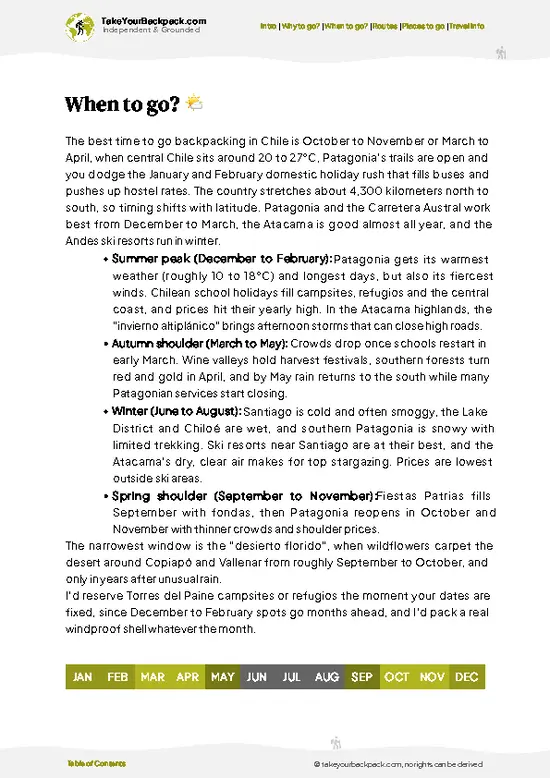
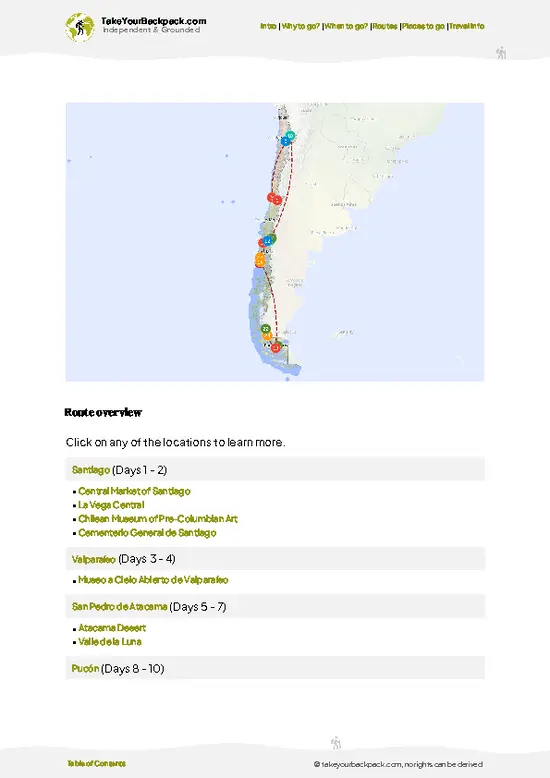
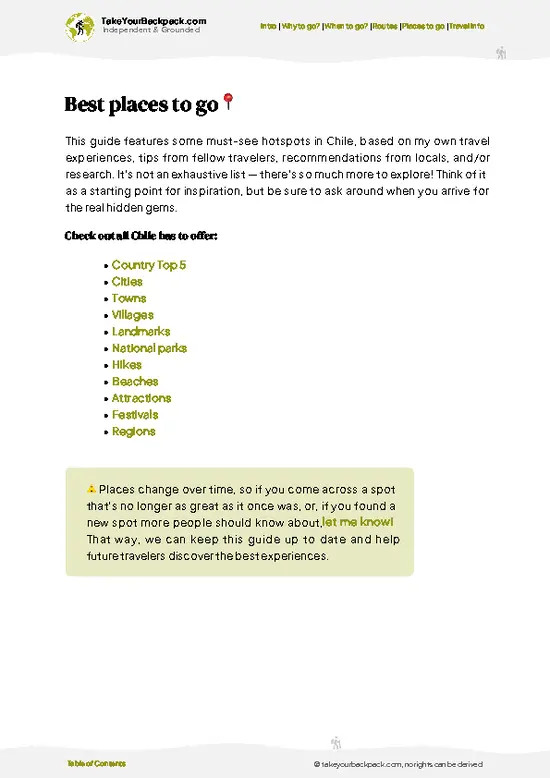
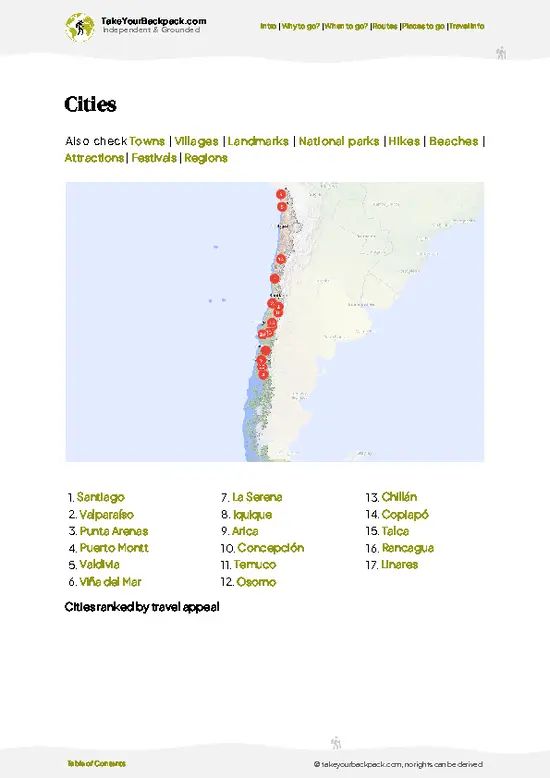
Forget the Instagram filters—this is the only authentic Moai from Rapa Nui (Easter Island) on the South American mainland. It’s not a replica, not a fiberglass stand-in, but a real, centuries-old basalt giant. The story behind how it landed in Viña del Mar is a tangled knot of colonial-era collecting, but standing face-to-face with this enigmatic figure, you feel the weight of a culture that still baffles archaeologists. The crowds come for the selfie, but the real magic is in the quiet, slightly eerie presence of the statue itself. If you want a taste of Easter Island without the five-hour flight, this is your shot.
Chilean Natural History Hall
This isn’t your average dusty diorama. The Fonck Museum’s natural history section is a crash course … read more 👉
Forget the Instagram filters—this is the only authentic Moai from Rapa Nui (Easter Island) on the South American mainland. It’s not a replica, not a fiberglass stand-in, but a real, centuries-old basalt giant. The story behind how it landed in Viña del Mar is a tangled knot of colonial-era collecting, but standing face-to-face with this enigmatic figure, you feel the weight of a culture that still baffles archaeologists. The crowds come for the selfie, but the real magic is in the quiet, slightly eerie presence of the statue itself. If you want a taste of Easter Island without the five-hour flight, this is your shot.
Chilean Natural History Hall
This isn’t your average dusty diorama. The Fonck Museum’s natural history section is a crash course … read more 👉
The Real Moai (Yes, a Genuine Easter Island Statue)
Forget the Instagram filters—this is the only authentic Moai from Rapa Nui (Easter Island) on the South American mainland. It’s not a replica, not a fiberglass stand-in, but a real, centuries-old basalt giant. The story behind how it landed in Viña del Mar is a tangled knot of colonial-era collecting, but standing face-to-face with this enigmatic figure, you feel the weight of a culture that still baffles archaeologists. The crowds come for the selfie, but the real magic is in the quiet, slightly eerie presence of the statue itself. If you want a taste of Easter Island without the five-hour flight, this is your shot.
Chilean Natural History Hall
This isn’t your average dusty diorama. The Fonck Museum’s natural history section is a crash course in Chile’s wild side, from the Atacama Desert’s mummified animals to Patagonia’s megafauna. You’ll see taxidermied pumas, condors with wingspans that could block out the sun, and a collection of insects that’ll make you rethink your next camping trip. It’s hands-on, a little chaotic, and refreshingly unpolished—think more “eccentric professor’s cabinet” than sterile science center.
Pre-Columbian Artifacts
Here’s where the museum quietly outclasses bigger, flashier institutions. The collection of pre-Columbian ceramics, textiles, and tools is small but fiercely curated. You’ll find Mapuche silverwork that glints with history, and pottery from cultures you’ve probably never heard of unless you’ve spent time in Chilean archaeology circles. No velvet ropes, no overproduced audio guides—just raw, tactile history you can get close to.
Rapa Nui Culture Room
Beyond the Moai, the museum dives deep into the daily life, mythology, and artistry of Easter Island’s people. This is where the Instagram crowd thins out and the real stories begin. You’ll see ancient wooden tablets, stone tools, and hauntingly expressive carvings. The explanations are blunt and unsentimental—no sugarcoating the island’s turbulent history or the ongoing debates about its future. If you want to understand Rapa Nui beyond the postcard, this is the place.
Live Arachnid Exhibit (Personal Favorite)
This one’s not for the faint of heart, but it’s pure entertainment gold. The Fonck Museum is infamous among Chilean schoolkids for its live tarantulas and scorpions. You’ll find glass cases with hairy, twitching monsters that look like they crawled out of a B-movie. The staff sometimes brings them out for up-close encounters, and the reactions—equal parts fascination and horror—are worth the price of admission alone. It’s the kind of experience you’ll talk about for years, whether you’re a bug nerd or a confirmed arachnophobe.
Mapuche Ethnography
The Mapuche section is a crash course in Chile’s indigenous resilience. Expect handwoven ponchos, ceremonial drums, and weapons that tell a story of centuries-long resistance. It’s not sanitized or romanticized—the displays are blunt about colonial violence and cultural survival. If you want to understand Chile beyond Santiago’s tourist gloss, start here.
Forget the Instagram filters—this is the only authentic Moai from Rapa Nui (Easter Island) on the South American mainland. It’s not a replica, not a fiberglass stand-in, but a real, centuries-old basalt giant. The story behind how it landed in Viña del Mar is a tangled knot of colonial-era collecting, but standing face-to-face with this enigmatic figure, you feel the weight of a culture that still baffles archaeologists. The crowds come for the selfie, but the real magic is in the quiet, slightly eerie presence of the statue itself. If you want a taste of Easter Island without the five-hour flight, this is your shot.
Chilean Natural History Hall
This isn’t your average dusty diorama. The Fonck Museum’s natural history section is a crash course in Chile’s wild side, from the Atacama Desert’s mummified animals to Patagonia’s megafauna. You’ll see taxidermied pumas, condors with wingspans that could block out the sun, and a collection of insects that’ll make you rethink your next camping trip. It’s hands-on, a little chaotic, and refreshingly unpolished—think more “eccentric professor’s cabinet” than sterile science center.
Pre-Columbian Artifacts
Here’s where the museum quietly outclasses bigger, flashier institutions. The collection of pre-Columbian ceramics, textiles, and tools is small but fiercely curated. You’ll find Mapuche silverwork that glints with history, and pottery from cultures you’ve probably never heard of unless you’ve spent time in Chilean archaeology circles. No velvet ropes, no overproduced audio guides—just raw, tactile history you can get close to.
Rapa Nui Culture Room
Beyond the Moai, the museum dives deep into the daily life, mythology, and artistry of Easter Island’s people. This is where the Instagram crowd thins out and the real stories begin. You’ll see ancient wooden tablets, stone tools, and hauntingly expressive carvings. The explanations are blunt and unsentimental—no sugarcoating the island’s turbulent history or the ongoing debates about its future. If you want to understand Rapa Nui beyond the postcard, this is the place.
Live Arachnid Exhibit (Personal Favorite)
This one’s not for the faint of heart, but it’s pure entertainment gold. The Fonck Museum is infamous among Chilean schoolkids for its live tarantulas and scorpions. You’ll find glass cases with hairy, twitching monsters that look like they crawled out of a B-movie. The staff sometimes brings them out for up-close encounters, and the reactions—equal parts fascination and horror—are worth the price of admission alone. It’s the kind of experience you’ll talk about for years, whether you’re a bug nerd or a confirmed arachnophobe.
Mapuche Ethnography
The Mapuche section is a crash course in Chile’s indigenous resilience. Expect handwoven ponchos, ceremonial drums, and weapons that tell a story of centuries-long resistance. It’s not sanitized or romanticized—the displays are blunt about colonial violence and cultural survival. If you want to understand Chile beyond Santiago’s tourist gloss, start here.
Spotted a mistake or missing something? Contact us.
v2.webp)


Best Backpacking
Hi, I’m Johan (Netherlands 🇳🇱), the creator of TakeYourBackpack. Over the past decade, I’ve backpacked through 80+ countries across six continents, gaining extensive experience with independent travel, long-term trips, and overland routes.